
- Reasons for the lack of flowering and fruiting of apple trees
- Feature of the variety
- Mistakes made during landing
- The tree is too young
- Unpruned side branches
- Lack of standardization of ovaries
- Incorrect pruning
- Too much growth
- Frosts
- Lack of pollination
- Excess of microelements
- How to restore fruiting
- Correct and timely pruning
- Fertilizer application rules
- Covering a tree during winter
- Standardization of ovaries
- Tree transplant
- Tips and advice from experienced gardeners
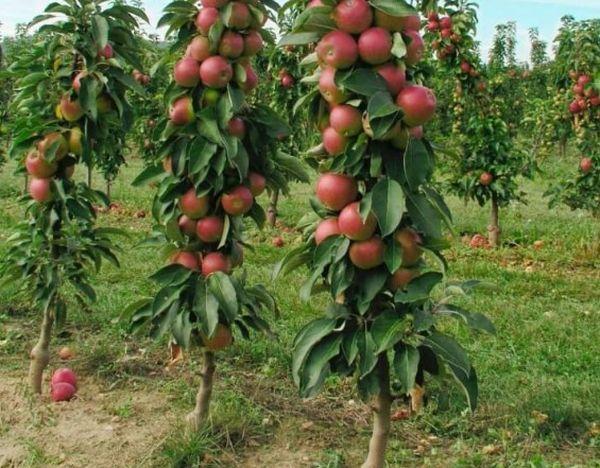
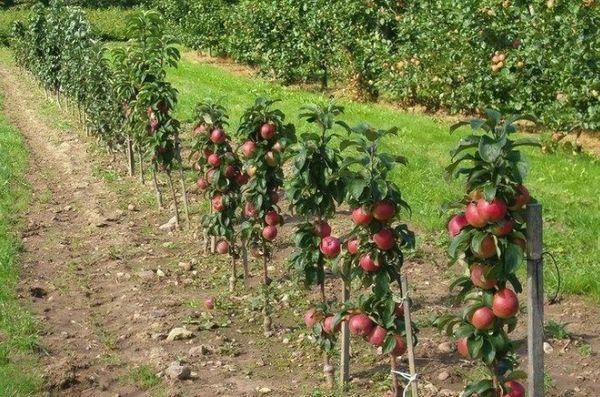
Columnar apple tree This is a medium-sized, columnar plant without a spreading crown. For many reasons, the tree may not bear fruit. Gardeners know what to do in such a case. Taking into account useful information, it is necessary to analyze the site, the planting seedling, and pollinators.
Reasons for the lack of flowering and fruiting of apple trees
Apple trees aren't particularly demanding crops, but they do require basic care. If this aspect isn't taken into account, the harvest season will never begin. There are many reasons for infertility.
Feature of the variety
If fruiting is lacking, the cause may be a characteristic of the variety. Columnar apple trees are divided into early-ripening and late-ripening varieties with characteristic winter hardiness and drought tolerance.
Planting in undesirable regions with low temperatures or high humidity damages the root system and basal trunk, which disrupts the vegetation process.
Mistakes made during landing
Planting technique also affects yield. Columnar apple tree seedlings are planted 2-5 meters away from other trees. Groundwater levels should be at a depth of 2 meters to protect the root system. Excessive sunlight or excessive shade also negatively impact flowering.
The tree is too young
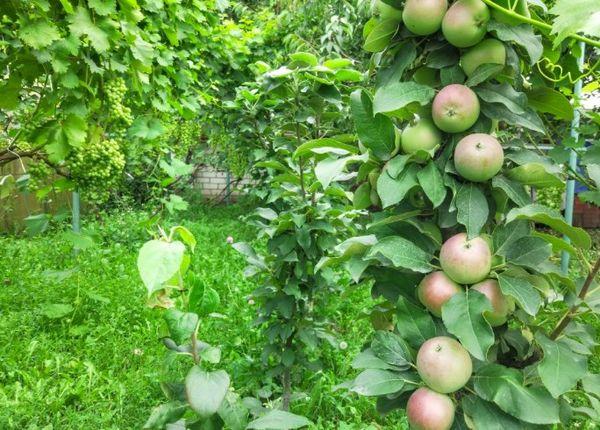
In cooler regions, the fruiting period for columnar apple trees is delayed by several years. In southern regions, trees have time to mature within a year, resulting in a timely harvest.
There are situations when seedlings of non-columnar varieties are sold at markets, which can lead to confusion regarding harvest timing.
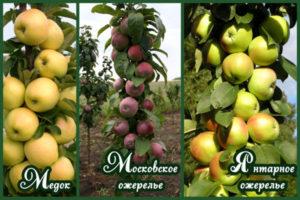
Experienced gardeners recommend purchasing young trees from specialized nurseries to avoid mixed varieties. This will also prevent you from purchasing infected planting material, as not all gardeners properly care for their plots.
Unpruned side branches
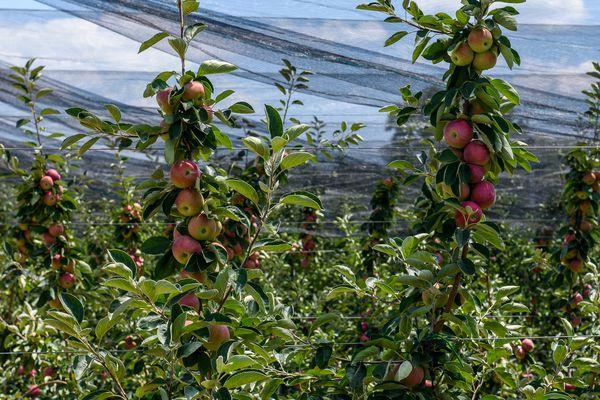
The lateral branches of a columnar apple tree tend to grow upward, reaching up to 1.5 meters without pruning. This abundant branching prevents the fruit from developing fully. Gardeners begin pruning the tree in the second year and then annually thereafter, trimming back several buds on the fruiting branches.
Lack of standardization of ovaries
Mandatory preventative care includes regulating fruit set. There are different flowering and fruit set characteristics for early and late columnar apple varieties that should be taken into account.
Incorrect pruning
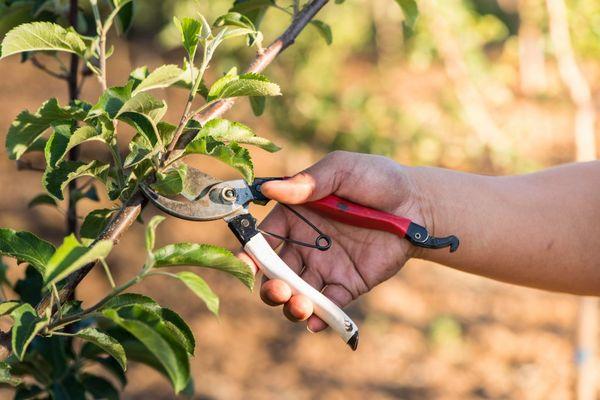
Lack of pruning knowledge can cause gardeners to lose fruit in their columnar trees. One tip is to use pruning shears, making the cut slightly at an angle. Gardeners control the number of buds and the pruning of lateral branches; typically, they leave twice as many inflorescences as they expect to produce fruit.
Too much growth
Fertile soil and additional fertilization lead to tall columnar trees, which is unacceptable for columnar trees. Their average height is 2-4 meters. If a young plant has exceeded the standard, the top is pruned back to the desired height.
It is important to understand that a fruitful crop is being grown in the garden, but not an ornamental tree of impressive dimensions.
Frosts
Columnar apple trees prefer a warm climate; recurrent spring frosts or low winter temperatures can kill the plant. Timely insulation of the roots, crown, and trunk will protect the trees from freezing.
Lack of pollination
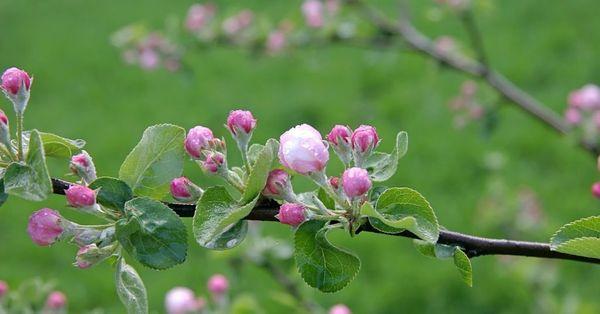
Columnar varieties are usually moderately self-pollinating, so pollinators influence fruiting. The primary pollinators are other apple varieties and pears. It's worth noting that the absence of bees in the orchard disrupts the natural pollination process. An apiary located near the plot or placing hives in the orchard will help increase yield.
Excess of microelements
Mineral fertilizers in large quantities lead to abundant flowering, but as a result there will be very few fertile ovaries. Fertilizer should not be excluded, but when applying it, the norm should be observed, and the composition of the soil should also be taken into account.
How to restore fruiting
Determining the cause of yield problems provides the correct direction for correcting the situation. Here, the emphasis is on adjusting agricultural management.
Correct and timely pruning
For crown formation and height adjustment of columnar apple trees Pruning is carried out regularly. Starting at age 5, the tree's top is pruned annually to keep the height of the plant to no more than 4 m. Also, periodically, about every two years, the plant is given a thorough pruning, removing excess, broken, and damaged shoots. The cut is made 2-3 cm from the trunk.
Fertilizer application rules
The first fertilizer application is made at planting; this will last for 2-3 years. Subsequent applications of mineral fertilizers are done in moderate doses. The best times are spring and fall. The soil should be cleared of weeds, loosened, and then supplemented with mineral fertilizer. For columnar apple trees, two applications per year are sufficient.
Covering a tree during winter
In case of recurring frosts in the spring, columnar trees are covered with burlap, and uncovered when the frost subsides. In the fall, straw or other mulch materials are spread around the trunk, and the trunk and crown are wrapped in burlap or agrofibre, tied in several places with rope. These materials allow air, heat, and essential moisture to pass through.
Standardization of ovaries
Due to the physiological structure of columnar apple trees, many flowers are formed; they are thinned out according to the following scheme:
- in the first year, all ovaries are removed;
- in the second year - 50% of the total amount;
- next year they reduce it by 1/3.
Thinning the ovaries will distribute nutrients to strengthen the roots, trunk, shoots and fertile buds.
If you don't prune the ovaries, you'll only get a harvest every two years. With consistent care, the fruits ripen annually and have a characteristic sweet-tart flavor, making them particularly appealing for culinary purposes.
Tree transplant
If the cause is unclear, the columnar apple tree is transplanted to a different location with more fertile soil. The site should be level, with peat and river sand added to the soil. The roots are spread evenly in the hole, leaving the root collar 2-3 cm above the soil. A circle is made around the trunk and several furrows are made to allow excess water to drain.
Tips and advice from experienced gardeners
If climatic conditions affect a columnar apple tree, preventing it from bearing fruit, what can be done? Gardeners living in central Russia plant young trees in greenhouses. With timely pruning, the trunk can reach a height of up to 2 meters, which is suitable for indoor cultivation.
Pay special attention to the location of the groundwater table. If it's close to the roots, damp soil will promote rot and fungal infestation. You can periodically check the soil moisture using a stake, and use the same method to determine future watering. Water evaporates faster outside, but remains inside; excess moisture will cause the columnar tree to deteriorate.
Related posts:
 Signs and treatment of apple tree cancer, varieties resistant to the disease
 Description of the Chudnoe apple variety, planting and caring for a dwarf tree
 Reasons why an apple tree isn't bearing fruit, what to do, and how to force it to produce fruit
 Description and varieties of the Sinap apple tree, planting and care rules
 Description and planting of the Dream apple tree variety, care and propagation
 Description of the ornamental Nedzvetsky apple tree, cultivation technology
 Description and characteristics of the columnar apple tree President, planting and care
 Description and subtleties of growing the Sverdlovsk Beauty apple tree variety