
- Selection of the apple tree Alesya
- In which regions is it recommended to grow?
- In the Moscow region
- In the middle zone
- In Altai, the Urals and Siberia
- The main advantages and disadvantages of the variety
- Characteristics of fruit crops
- Tree size and annual growth
- Lifespan
- All about fruiting
- Cyclicity
- Flowering and pollinators
- Ripening time and yield
- Tasting qualities of Alesya apples
- Fruit collection and use
- Sustainability
- To diseases and pests
- Unfavorable climatic conditions
- Specifics of planting fruit crops
- Deadlines
- Site selection and preparation
- Preparing seedlings
- Technological process of landing
- What can be planted nearby?
- Further care
- Watering and fertilizing
- Trimming
- Caring for the tree trunk circle
- Preventive treatments
- Winter protection
- Methods of propagation of the Alesya variety
- Gardeners' reviews
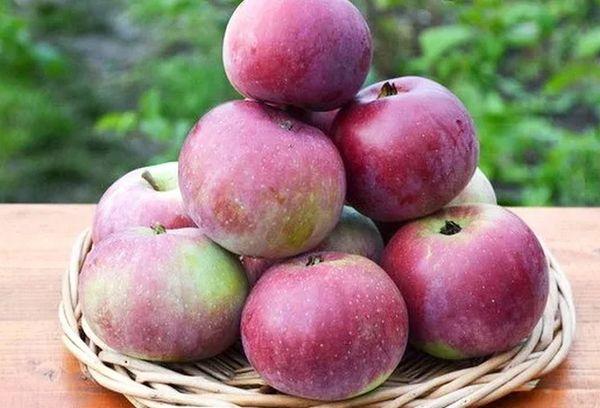
The Alesya apple tree was developed by Belarusian breeders. Characteristic features of this cultivar include increased resistance to frost and a long shelf life of the fruit once fully ripened. Thanks to these characteristics, this variety has become one of the most sought-after in the central regions and is grown not only in private but also in commercial plots.
Selection of the apple tree Alesya
The Alesya apple variety was developed by Belarusian breeders in the late 20th century. After extensive research, the crop was added to the country's Unified State Register. This variety was created by crossing the Belarusian Raspberry and Banana apple trees. The breeders' primary goal was to create a variety that would be fully suited to cold and variable climates.
The fruits of the plant can be stored for a long time without losing their taste.
In which regions is it recommended to grow?
Due to its good tolerance to cold climates, the variety can be grown in almost any region, but is best suited for areas in the middle zone.
In the Moscow region
In the Moscow region, the plant produces good fruit and grows without any difficulties. The region's climate and temperature conditions are suitable, but in the event of excessive cold, young trees should be protected.
In the middle zone
The temperate zone is considered the best for growing this crop due to its abundance of not only cool but also warm days. In these areas, the plant produces the greatest number of fruits each season.
In Altai, the Urals and Siberia
The tree has increased frost resistance and can be grown in the Altai, Ural, and Siberian regions. In extreme cold, gardeners recommend covering the tree to prevent frost damage.
The main advantages and disadvantages of the variety
Among the characteristic advantages of the Alesya variety, the following can be noted:
- long storage period of fruits after their full ripening;
- small size of the tree;
- increased tolerance to frosty climatic conditions;
- resistance to some viruses that cause diseases;
- stable annual fruiting quantity;
- apples remain on the branches for a long time even after the fruit is fully ripe.
This culture also has its disadvantages:
- poor tolerance to extreme heat or excessively dry climate;
- death of young trees without prior preparation for the harsh winter;
- small amount of harvest;
- need for care.
Characteristics of fruit crops
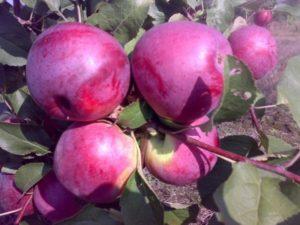
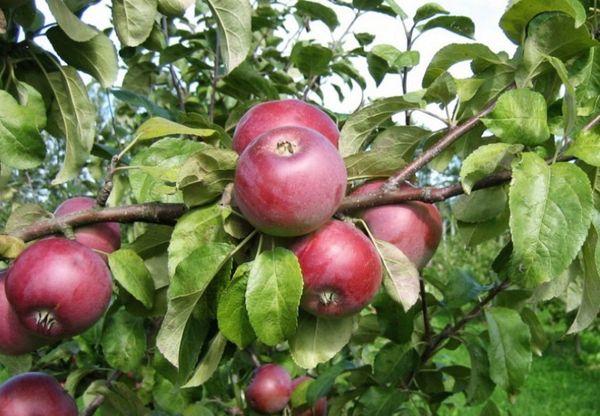
The Alesya apple tree is a low-growing, late-ripening variety with several advantages. This plant is one of the most common varieties grown in temperate regions and areas with harsh climates. Due to its increased frost resistance, it can withstand temperatures down to -30°C. Its fruits boast excellent taste and appearance.
Apples are grown not only for personal use, but also for sale and production of various products.
Tree size and annual growth
This variety is a low-growing tree, reaching a maximum height of 4 meters. On average, it reaches 3-3.5 meters. The plant's size can vary depending on the growing conditions and the quality and quantity of care provided. The crown is not dense, and new shoots emerge slowly, while overall growth is high, reaching 80-90 centimeters per season.
Lifespan
Like other dwarf apple trees, the Alesya apple tree doesn't have a long lifespan. On average, it lives 30-40 years.
All about fruiting
The first fruiting occurs early, 3-4 years after planting. Provided all necessary climatic conditions are met and sufficient care is provided, fruiting occurs annually and yields a consistent harvest.
Cyclicity
The crop bears fruit annually, provided there are appropriate weather conditions and proper care.
Flowering and pollinators
The Alesya apple tree cannot pollinate on its own, so other crops with similar flowering times should be planted to achieve this. Otherwise, pollination will be impossible. The following varieties are suitable for this procedure:
- Imrus;
- Raika;
- Red Chief.
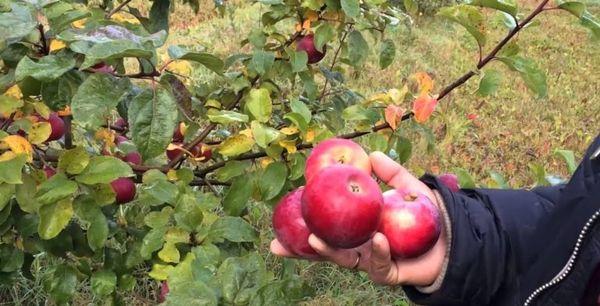
Flowering begins in mid-May or early June, depending on the weather, with inflorescences of 3-4 small white flowers with a pink tint appearing on the shoots.
Ripening time and yield
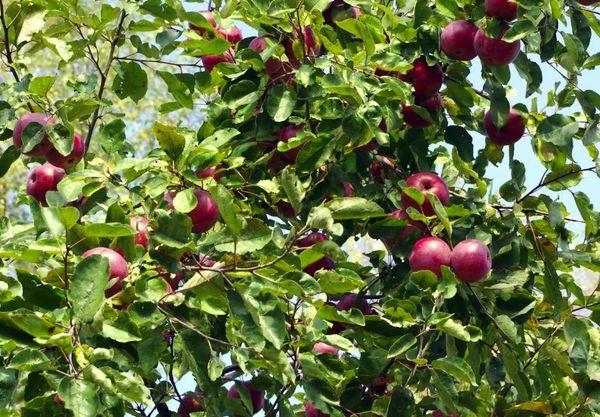
The fruits fully ripen between September and October. Because ripened fruits remain on the tree for a long time, they can be harvested later, as they do not fall off. The annual harvest ranges from 15 to 30 kilograms.
Tasting qualities of Alesya apples
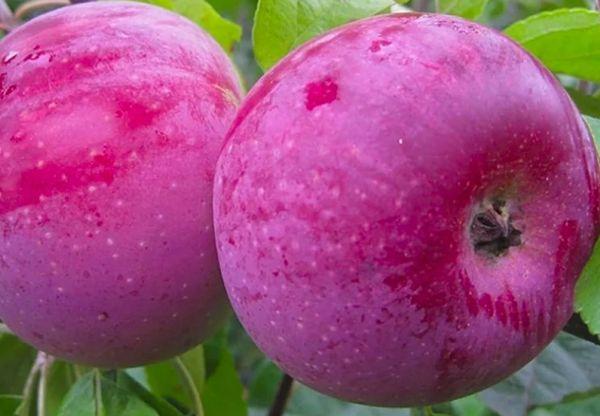
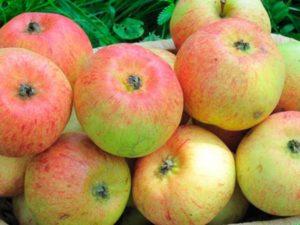
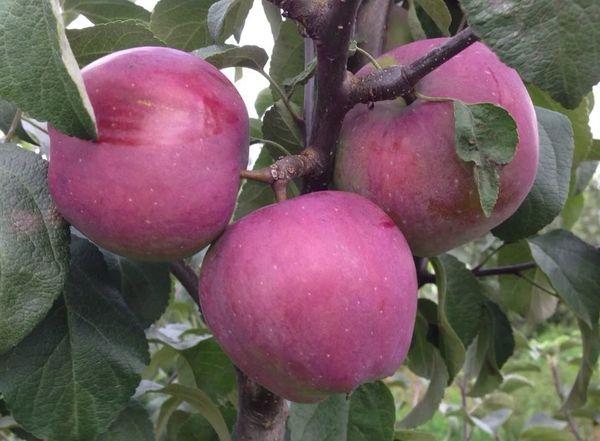
The tasters rated the Alesya apples 4.3 out of 5. The fruits received praise for their juiciness and firmness, rich sweet and sour flavor, and long shelf life. The excellent appearance of the fruits was also noted.
Fruit collection and use
Apples can be harvested immediately after they are fully ripened, between September and October, or for another month. Due to the nature of the crop, the fruits can remain on the branches for a long time without spoiling or falling to the ground.
These apples are used to make various dishes, natural juices, liqueurs, and are used for commercial purposes and raw consumption.
Sustainability
This apple variety has increased tolerance to frosty climatic conditions and some viruses that cause diseases that affect other crops.
To diseases and pests
The Alesya apple tree is immune to the following diseases:
- powdery mildew;
- scab.
The tree can be affected by these diseases only if it comes into contact with other affected plants in the area. The plant has no immunity to other diseases. Regarding pests, this tree is also susceptible to parasites that attack other apple trees.
Unfavorable climatic conditions
This plant can withstand temperatures down to -30°C without any winterization. If cold weather occurs while the young tree is growing, it should be covered with straw and burlap. The plant does not tolerate dry climates with low moisture.
Specifics of planting fruit crops
Correct planting will ensure stable crop growth and annual high-quality fruiting.
Deadlines
Tree planting should be done in the fall, approximately 1-1.5 months before the onset of winter, but this method only applies to cuttings. When planting seeds for seedlings, this procedure should be done in the spring. This will give the plant time to adapt to the growing conditions and prevent disease when transplanted outdoors.
Site selection and preparation
An open area with daily sun exposure is ideal for planting, but the site should be protected from strong gusts of wind or drafts. The groundwater level should be 2-2.5 meters deep.
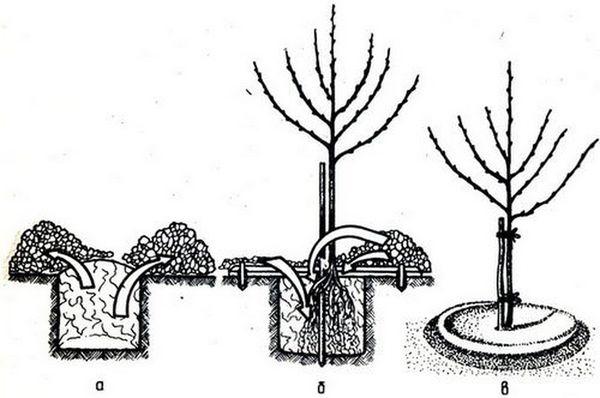
Before planting the cutting, prepare the soil. Dig a hole 1-1.5 months before planting. Set aside any topsoil. Next, prepare a solution of bird droppings and water and water the hole.
Preparing seedlings
When selecting seedlings, it is necessary to evaluate their general appearance and condition; they should not show any signs of:
- damage;
- growths;
- spots;
- rotting;
- withering.
If any of the above is found, you should not purchase the cutting.
1-2 hours before planting, you need to dip the root system of the seedling into a special solution to stimulate and accelerate root growth.
Technological process of landing
When planting, you need to follow the sequence:
- mix fertile soil with humus and form a small mound at the bottom of the hole;
- dig a stick into it, which will later secure the planted cutting;
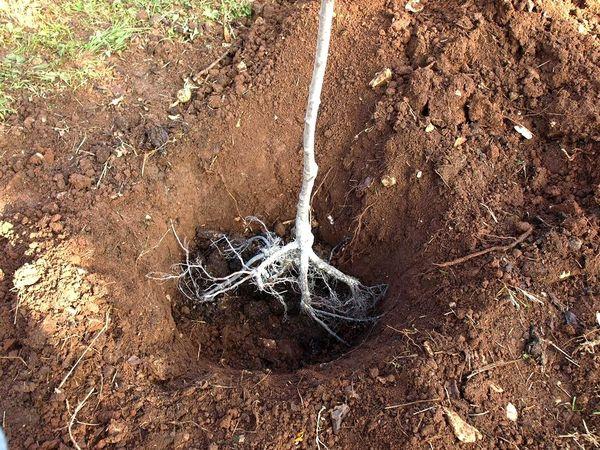
- remove the seedling from the solution, place it in the hole and straighten the roots;
- place the cutting on the formed mound and sprinkle with the remaining fertile soil;
- compact the surface thoroughly;
- water the plant with 10-15 liters of warm water;
- tie the cutting to a support stick using fabric.
What can be planted nearby?
Any other crop can be planted next to this apple tree variety, but only if the new crop is planted 2-3 meters away from the tree. This is necessary to ensure that the new crop does not interfere with the tree's development and growth.
Further care
Proper further care directly affects the amount of fruiting, the stability of the tree's growth and its overall condition.
Watering and fertilizing
Watering should be done depending on the soil condition: if it is overdried, it should be moistened up to 5 times a week; if the amount of precipitation is high, watering can be done 1-2 times.

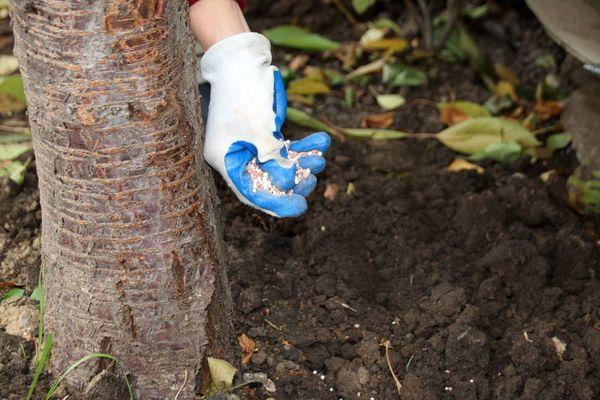
Fertilization of the tree trunk circle is carried out using nitrogen and potassium fertilizers 3-4 times a year:
- before flowering;
- after flowering;
- during fruiting;
- before the onset of frost.
Trimming
Pruning can be either sanitary or formative. The former is necessary to remove diseased and dead shoots, which slow the tree's growth. The latter is used to prune branches that are growing in the wrong direction and block sunlight from reaching the base of the tree.
Caring for the tree trunk circle
After each watering, loosen the soil. This procedure is necessary to oxygenate the soil and quickly ensure moisture reaches the roots. After loosening, mulch using:
- straw;
- wood sawdust;
- fallen leaves.
If various crops appear around the tree, they should be removed by weeding.
Preventive treatments
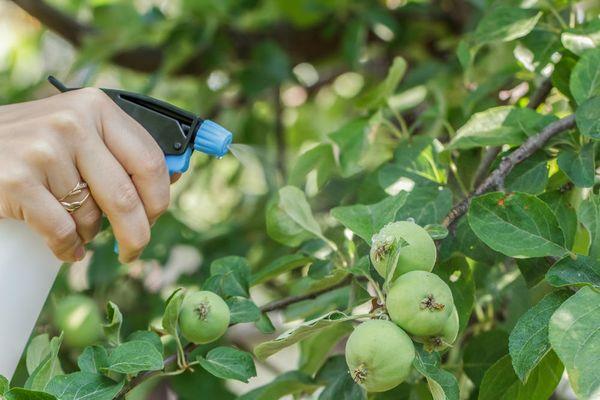
To eliminate most of the diseases that can affect the Alesya variety, it is necessary to treat it each season with the following agents:
- copper sulfate solution;
- Fitolavin.
Apple trees are often attacked by aphids. To combat this insect, treat the plant with a mixture of laundry soap and dandelion roots.
Winter protection
This apple variety can withstand frost on its own, but if the tree is young and temperatures drop below -30°C, the trunk needs to be wrapped. To do this, cover ¼ of the base with straw and wrap it in burlap. The entire structure should be tied together and left until the first warm weather arrives.
Methods of propagation of the Alesya variety
Apple trees are often propagated by cuttings. This method requires cutting several healthy, strong shoots in the spring and leaving them in suitable conditions for several months. Once the root system begins to form, the shoots are transplanted into containers with soil and grown until autumn. One to one and a half months before winter, the cuttings are planted in open ground.
Gardeners' reviews
Mikhail, 29 years old, Moscow.
"The tree is easy to care for and bears fruit annually, but the yield is small, reaching 20-25 kilograms per season."
Andrey, 36 years old, Uralsk.
"This apple variety has a high tolerance for cold climates, making it well-suited for growing in frosty regions. Care is necessary, but not intense. Watering is required, as with other apple trees."
Related posts:
 The best eggplant varieties for growing in a polycarbonate greenhouse: planting and care
 Description of the Red Early apple tree variety, agricultural technology and specific care
 Methods for planting and propagating cherries at home
 Description of varieties of sowing peas and cultivation, to which family they belong
 Descriptions of the 20 best cherry varieties for the Moscow region, their planting and care
 Description of the Uralets apple tree variety and the rules for growing standard trees
 How to properly plant peas in a greenhouse and open ground
 Description of the best varieties of onions, planting and care in open ground