
- Plum codling moth: what kind of pest is it?
- External description
- Life cycle
- Signs of parasitism on plums
- What are the dangers?
- Methods of insect control
- Pheromone traps
- Chemicals
- Bitoxybacillin
- Sumi-Alpha
- Iskra-M
- Ivanhoe
- Biological methods
- Mechanical and agrotechnical techniques
- Folk remedies
- Tomato infusion
- Pepper decoction
- Tobacco liquid
- Timing and technology of tree processing
- Prevention
The plum codling moth is one of the most dangerous garden pests. It's a nuisance not only to gardeners but also poses a threat to large fruit tree plantations. Armies of codling moths dramatically reduce plum yields, sometimes completely destroying them.
Plum codling moth: what kind of pest is it?
This pest is a crepuscular insect, meaning it becomes active at dusk and at night at temperatures above 16 degrees.
The insect attacks not only plums, but also cherry plums, peaches, and sometimes cherries.
External description
Codling moths are gray with a purple tint. Their body length, including wings, is approximately 1.7 cm. They are most active in the evening and at night, making them difficult to spot during the day. They lay their eggs on the undersides of the leaves of any stone fruit tree. The appearance of these moths in a garden is a signal that urgent action is needed to save the crop and the trees themselves.
Life cycle
The larvae overwinter under tree bark or in the topsoil. In the spring, the overwintered pupae emerge as butterflies. The butterfly lives for two weeks. The first to emerge are during the flowering period. By the end of the flowering period, their numbers increase significantly.
They lay eggs (up to 40 pieces) at the site of fruit ovary, from where caterpillars emerge.
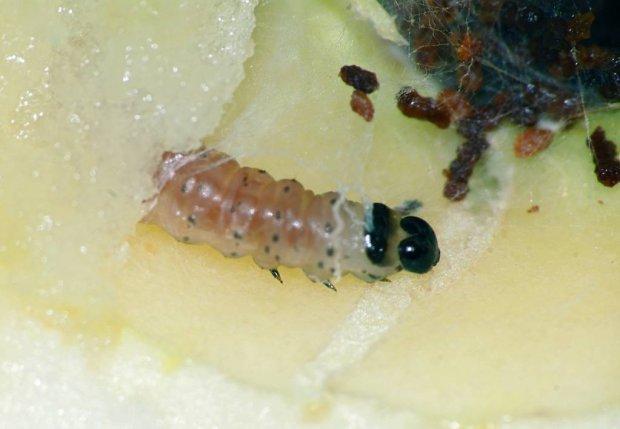
Caterpillars develop in their eggs for about 10-12 days. In cool temperatures, this period can be prolonged. They then emerge from the eggs. The caterpillars are bright red and about 1.5 cm long. They live on average up to 45 days. During this period, they cause significant damage to trees.
Signs of parasitism on plums
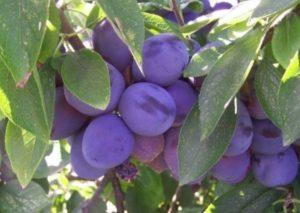
As a result of caterpillar infestation, the fruit is left with a hole surrounded by characteristic black dots. The affected fruit darkens and falls from the tree prematurely.
What are the dangers?
This pest is found everywhere where fruit trees grow. Its activity is particularly noticeable in southern regions. The caterpillar damages the fruit stalk, causing the fruit to stop receiving nutrition, darken, and fall from the tree.
In young fruits, the insect additionally damages the pulp and the pit; in more mature fruits, it damages only the pulp.
Methods of insect control
To effectively combat insects, you can use not only chemicals but also natural remedies that are completely safe for both humans and garden plants. There are several ways to get rid of codling moths.
Pheromone traps
Recently, gardeners have been using this pest control technique quite frequently. The pungent odor generated in these devices attracts male codling moths. The moths are trapped in the trap and are unable to escape. As a result, the females are unable to lay eggs. The traps are hung at a rate of one for every four trees. The traps remain effective for up to two months.
Chemicals
Chemical treatments are most effective against insects at any stage of development. It's important to follow the manufacturer's recommended treatment instructions. If the gardener also uses mechanical and agricultural techniques, the pests will disappear quickly and the harvest will be preserved.
It's important to avoid excessive use of chemicals, as the reagents they contain can accumulate in the fruit.
Bitoxybacillin
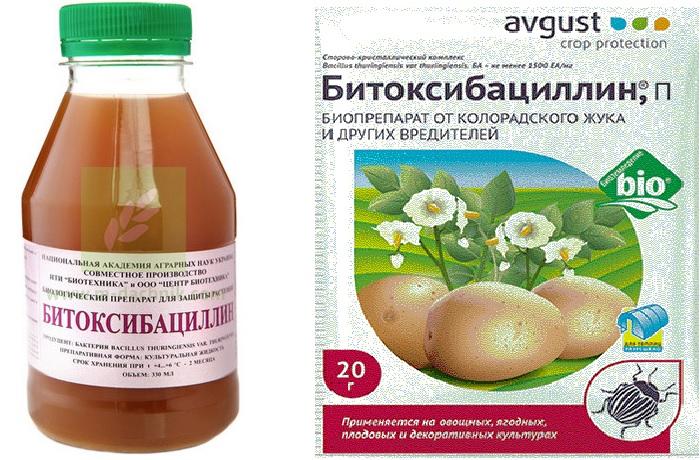
This bacterial-based microbial preparation is effective in killing codling moths in gardens. The number of sprayings can range from 2 to 5, spaced approximately 10 days apart. It comes as a powder in 20g sachets. Before use, dilute 100 ml of the powder in 10 liters of water. Spray the plants with the resulting solution.
Sumi-Alpha
A synthetic product manufactured in Japan. It comes in the form of an emulsion. It has a broad spectrum of activity against most garden pests. The protective period is 20 days, after which treatment can be repeated as needed.
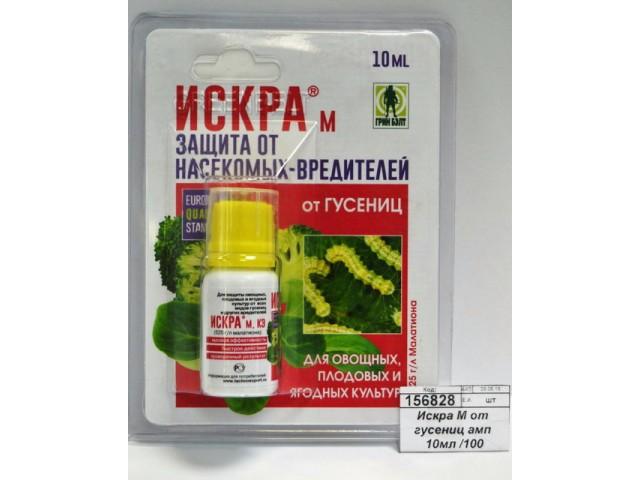
Iskra-M
This product is based on a microorganism complex that is safe for humans and lethal to codling moths and their larvae. Spray twice: during the flowering period and again 7 days after the first application. If there are large infestations, repeat the procedure 3-4 more times throughout the summer.
Ivanhoe
This product is used to treat trees during their growing season. The active ingredient is present in a sufficient quantity to kill insects, including codling moths. The working solution is prepared according to the manufacturer's instructions.
Biological methods
A combination of biological and chemical measures can help successfully control pests. In some cases, only direct biological control products are needed, as they are completely safe for humans and crops.
Trichogramma are tiny organisms that colonize insect eggs and parasitize them, simultaneously destroying them.
This method is often used on an industrial scale. It is important to remove damaged shoots and fruits.
A good way to control them is to attract birds to your garden.

Mechanical and agrotechnical techniques
These methods will increase the effectiveness of other treatments. After harvesting, it's essential to dig up the soil around the trunk and remove fallen leaves, as codling moth pupae hide in them for the winter. Trees should be shaken to release any remaining fruit. It's crucial to promptly remove fallen fruit from the garden and destroy it.
Folk remedies
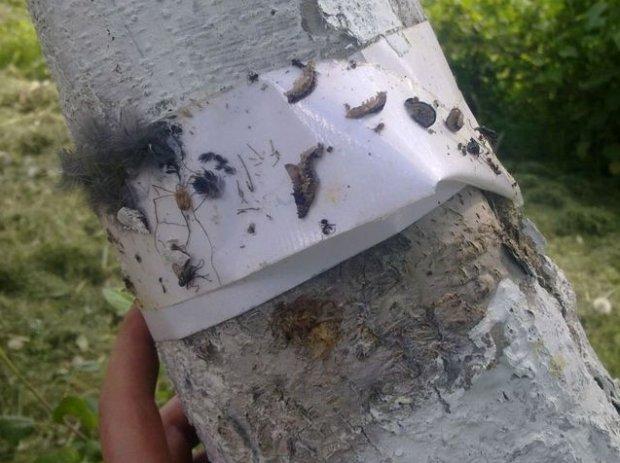
It's important to combat codling moths in neighboring plots as well. Only then can the desired results be achieved. Gardeners often use light traps to capture the moths, as well as sticky paper strips placed on tree trunks. These devices are checked daily for any trapped caterpillars and moths, and they are removed. Gardeners also successfully use folk remedies in their own plots.
Tomato infusion
An excellent remedy is treating trees with an infusion of tomato tops. Roots and green tomatoes can also be added to the infusion. For every 2 kg of plant parts, 5 liters of water will be needed. To treat 3 liters of this infusion, dilute 10 liters of water and add 50 g. The resulting solution should be thoroughly applied to trees not only in your own area but also in neighboring ones.
Pepper decoction
To prepare this remedy, pour 6-7 hot pepper pods into 2 liters of water and boil for at least 2 hours. Let this infusion steep for 2 days. Strain the resulting solution. For spraying plants, dilute it with water (10 liters for every 0.5 liter of infusion). Immediately before applying it to the trees, add 50 grams of crushed soap to the solution.

Tobacco liquid
To prepare this decoction, take half a kilo of dry tobacco and 50 grams of laundry soap per 20 liters of water. First, soak the tobacco in half the water for two days, then top up with the remaining water. Add finely chopped soap before spraying. Infusions of pine needles, delphinium, wormwood, tansy, and other herbs are also used. Spray the tree with these liquids every seven days.
Timing and technology of tree processing
The first insecticide treatment is carried out in the first half of May. From mid-July to August, the greatest concentration of caterpillars is observed in areas, so it is important to spray the trees at least twice during this period.
The codling moth can appear repeatedly during the summer period, so one-time control measures will not be enough.
Plants should be treated in dry weather. Choose days when there is no wind. When fighting this insect, it's important to treat not only your own garden plot but also neighboring ones.
Prevention
It's long been known that the best cure is timely prevention. In the spring, remove dry bark from trees and burn it, as larvae often hide in it. Timely clearing of leaves, fallen fruit, and debris will significantly reduce the number of codling moth larvae and other pests. In the fall, it's necessary to till the soil in the area, including around fruit trees.
Compliance with agricultural practices increases plant resistance to harmful insects.
Related posts:
 Planting and caring for cherries, feeding and growing rules
 Methods of combating codling moth on apple trees using chemicals and folk remedies
 Methods of dealing with caterpillars on apple trees, how to treat them correctly and what is the best way to do it
 Methods for planting and propagating cherries at home
 Description of varieties of sowing peas and cultivation, to which family they belong
 Is it possible to grow an apricot tree from a seed in your garden? How to plant and care for it?
 Fruiting and description of the best varieties of dwarf apple trees, planting and care
 Description and characteristics of the Yakhontovaya plum variety, pollinators