
- Rules for growing cherry plum
- Methods and technology of tree propagation
- With pits or seeds
- Purchasing planting material
- Stratification
- Planting in separate containers
- Preparing an open area
- Transplantation to an open area
- Caring for a seedling
- By shoots and cuttings
- Preparing cuttings
- Rooting
- Preparing for planting
- Planting and caring for cuttings
- Vaccinations
- Selecting scion and rootstock
- Summer grafting by budding
- Spring grafting into a cleft and into a butt
- Which method is the best?
- Tips and recommendations from gardeners on growing cherry plums
Cherry plum has been cultivated by humans for centuries. The tree is easy to care for and consistently produces a bountiful harvest, even when grown in unfavorable climates. One method of propagating cherry plum is by seeding. Although this method is labor-intensive and time-consuming, it preserves all the characteristics of the mother plant.
Rules for growing cherry plum
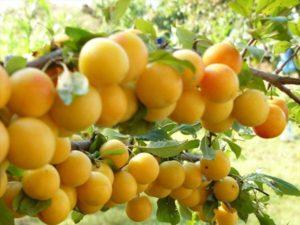
To grow a fruit-bearing tree, you need to know the rules of agricultural technology. To ensure a healthy tree, only large, undamaged or moldy fruits should be used for planting. It's best to pick them from abundantly fruiting and strong trees.
Before planting the seedlings in open ground, stratification is essential. This will ensure stronger growth. Next, you need to decide on the timing and location of the seedlings in open ground. Choosing the wrong time can ruin the young seedling. For example, planting it in unheated soil can cause problems. It's advisable to cover them at night for the first few days after planting until warmer weather sets in.
Methods and technology of tree propagation
There are two ways to grow cherry plum seedlings from seeds: either plant the seed or extract the seed, germinate it, and then plant. There's no significant difference between the two methods, except that a sprouted seed will germinate faster than a seed.
With pits or seeds
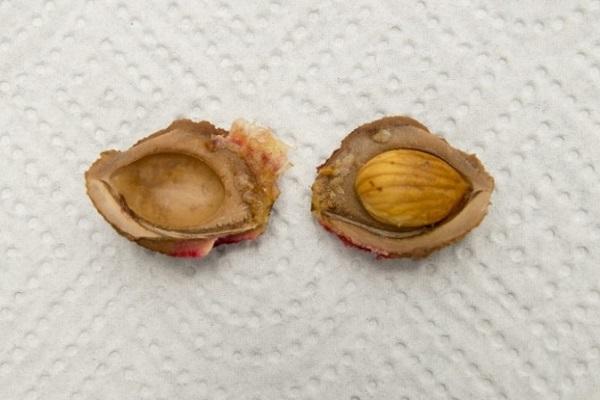
There's no fundamental difference in how cherry plums are planted. Seedlings germinate equally well whether planted from seeds or from pits. However, growing from seeds is much faster, especially if you germinate them first.
If you propagate cherry plum from a seed, you will first have to make holes in the shell or sand it down with sandpaper to help the sprout sprout faster.
Purchasing planting material
It's not recommended to use store-bought fruits. Their origins are often unknown to the buyer, and it's best to choose varieties that are zoned for a specific region. It is best to buy cherry plum at the market from local residents or pick it from any tree growing in the area where you live.
Stratification
Stratification is keeping planting material at low temperatures.
To stratify the seeds, prepare the substrate in advance:
- crushed moss;
- sawdust;
- river sand;
- peat.
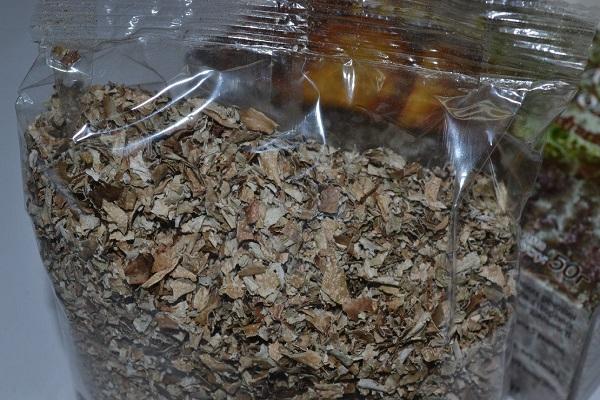
Mix everything in equal parts. Place the seeds in water for three days before stratification. Change the water daily. Place the seeds in the prepared substrate, and poke a few holes in the bottom of the container to allow air circulation.
Stratification process:
- The seeds are left at a temperature of +14 degrees for 2 weeks.
- Then, on days 70-85, the temperature is reduced to +4 degrees.
- For 30 days the seeds are left at a temperature of +1 degree.
If mold begins to appear in the substrate, it should be watered with a 3% solution of potassium permanganate.
Planting in separate containers
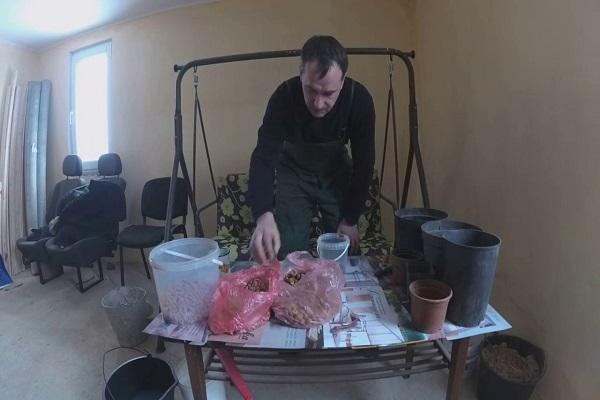
You can skip hardening the seeds and simply remove them from the pit and germinate them before planting. To do this, crack the pit to remove the seed. Then place it in damp cheesecloth and store it in a warm, dark place for several days. During this time, a sprout should appear. Then you can begin planting.
After germination and stratification, seeds can be planted using the same method.
Planting cherry plum seeds at home:
- Fill the containers with soil.
- Plant the seeds.
- Lightly cover them with soil and water generously.
- Wrap the boxes with cling film.
The film is removed regularly to aerate the soil and water it. When sprouts begin to appear, the film is removed.
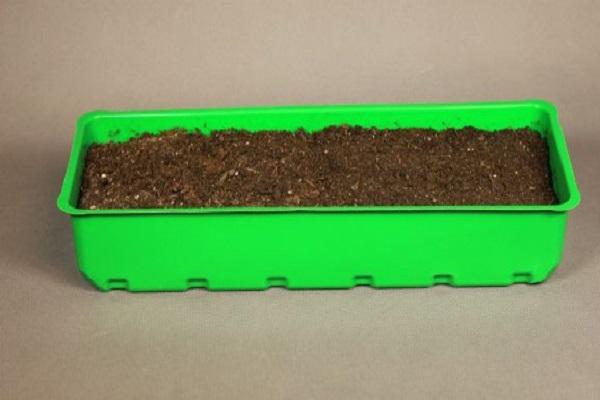
Preparing an open area
The seedlings are transplanted into open ground when they have grown and become strong enough. The soil for planting is prepared 2-3 weeks in advance. The soil is dug, any weeds growing in the area are pulled out, and well-rotted manure is added. If weeds have regrown before planting, they are pulled out immediately.
Transplantation to an open area
Cherry plum seedlings are transplanted to an open area in the spring, when the weather becomes warm outside.
The process of transplanting seedlings:
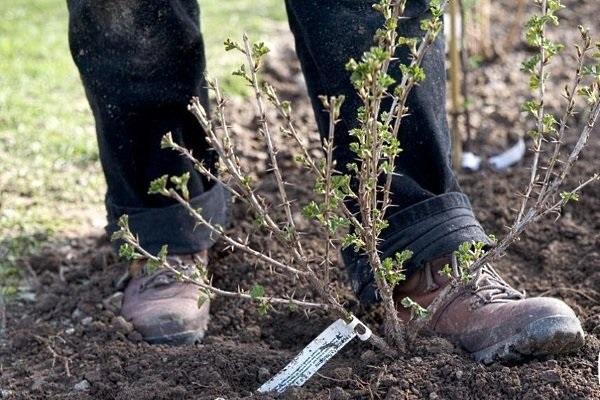
- Dig shallow holes.
- Place the seedlings in them along with the soil in which they grew.
- Cover with soil.
- Water generously with warm water.
At night, the seedlings are covered with bottles and warm cloth. If the growing region experiences warm nights in the spring, this measure can be omitted. In colder climates, it's best to keep covering them for the first few days.
Caring for a seedling
Young seedlings require a lot of care to ensure vigorous growth. Water the bushes daily in the evening with warm water. Reduce the frequency of watering during periods of frequent rainfall. The soil should not be overwatered, but it is also not recommended to allow it to dry out.
During the active growth phase, the bushes are fertilized with nitrogen-containing fertilizers. Complex mineral fertilizers can be applied several times a month.
It is also useful to sprinkle the soil with wood ash before watering.
Once a week, before watering, weed the soil to ensure the root system receives oxygen. Also, prevent weeds from overgrowing the cherry plum area.
By shoots and cuttings
Besides propagation by seeds, there are two other methods: planting young shoots and cuttings.
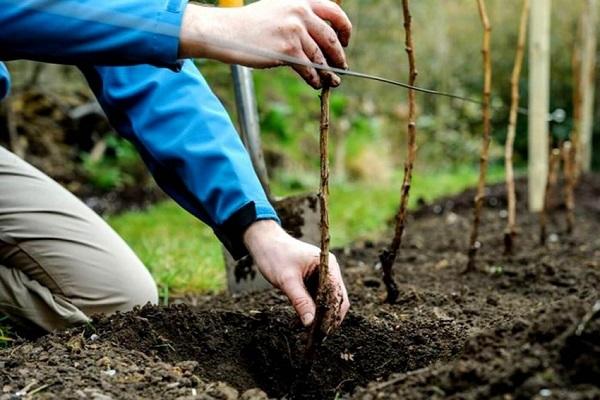
How to plant by layering:
- Dig up the young bushes that have grown up near the tree.
- Use a shovel to cut them off from the mother plant.
- Plant separately in a new place.
At the end of planting, water the planted bushes generously.
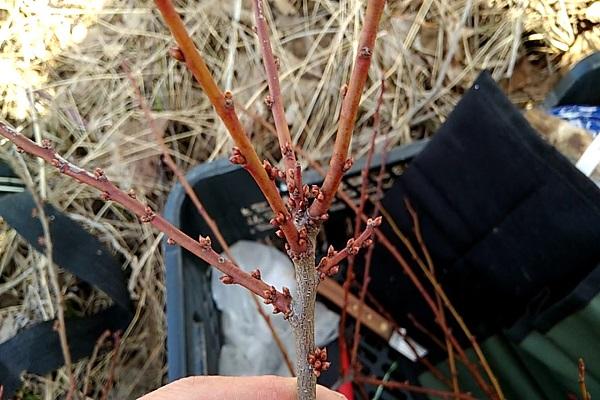
Preparing cuttings
Both green and woody shoots can be used for cuttings.
Propagation of cherry plum by green cuttings:
- Cuttings are prepared in the fall, they are cut to a length of 30 cm, each should have 4 buds.
- The cuttings are left in the refrigerator or cellar until February, and at the end of February they are planted in the ground at home.
The timing of planting cuttings at home depends on the climatic conditions in the growing region.
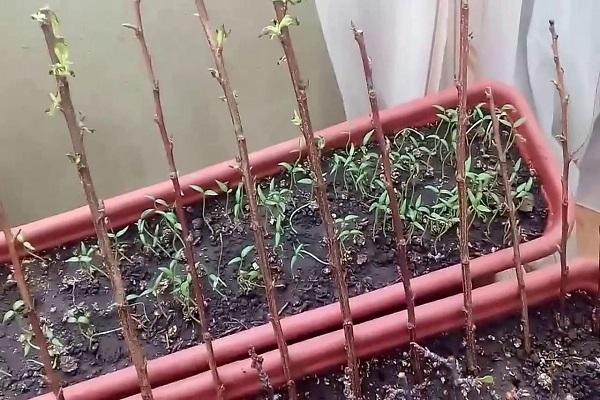
Rooting
How to root a cutting:
- Mix peat and soil in equal parts.
- Fill individual pots with soil.
- Plant the cuttings and water them.
- Cover them with a bottle to help them root faster.
The cuttings are watered several times a week. As soon as roots begin to appear, the bottles can be removed.
Preparing for planting
The cuttings are transplanted to their permanent location in the spring, when the soil has warmed up and the weather is warm. It's best to cover the cuttings at first, especially if they were planted early in the spring.
Planting and caring for cuttings
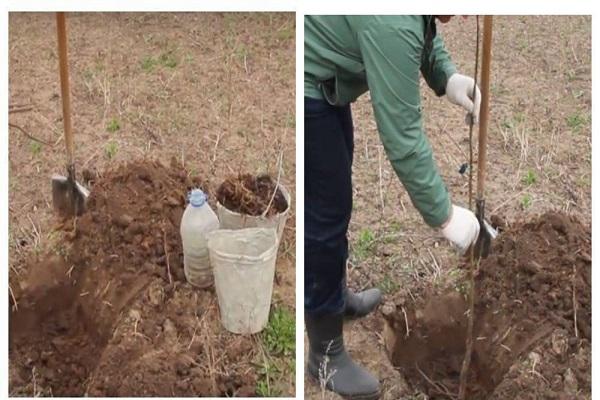
The cuttings are planted in their permanent location around mid-May. The planting site is prepared two weeks in advance. The soil is dug to a depth of 15 cm, weeds are pulled out, and then mixed with well-rotted manure.
Make small holes in the soil, insert the cuttings, and cover them with soil. Lightly compact the soil around the stem. Then water the cuttings generously with warm water.
Vaccinations
Another way to propagate cherry plum is by grafting.
Selecting scion and rootstock
Any cherry plum or plum variety can be used as rootstock. Wild trees can also be used. These should be healthy, strong specimens with good fruit production.
Healthy, undamaged scions are used as grafts. They should preferably be taken from spreading, abundantly fruiting trees. Each should have 3-4 large fruit buds. The scions are harvested in late autumn and stored in a cool place until spring or summer.
Summer grafting by budding
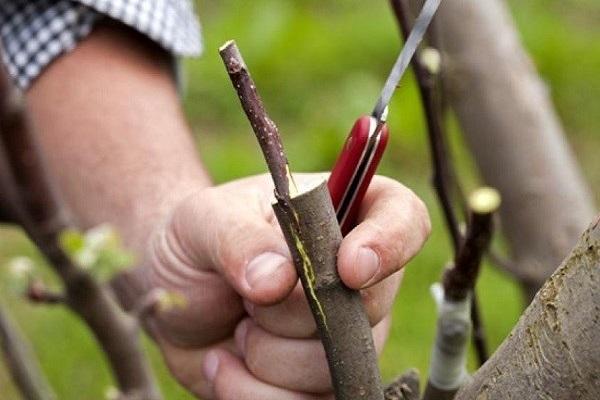
This type of grafting is most often used in summer. This method is very effective and yields good results even if the bark begins to peel.
The budding process:
- Cuts 5-8 cm long are made on the rootstock to form a “tongue”.
- Then cut off a 2.5 cm long strip of bark.
- A cut is made on the handle of such a length that it corresponds to the length of the tongue.
- The cutting, cut at an angle, is inserted into the rootstock and secured with electrical tape.
The scion should be wrapped tightly, but not too tightly, around the rootstock. Once it has taken root, remove the tape. After grafting, water the tree generously and do not allow the soil to dry out.
Spring grafting into a cleft and into a butt
Cleft grafting is used when the scions are thicker or the same size as the rootstock. The rootstock trunk is split, making 2-3 cm deep cuts. The end of the scion is then cut at a 45-degree angle. The scions are then inserted into the rootstock and secured with strong tape.
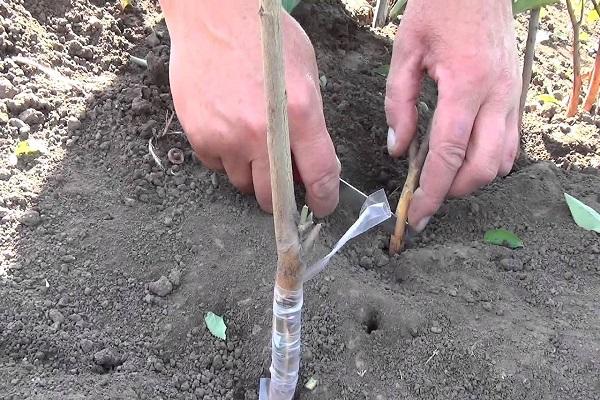
Butt grafting is one of the most common because it's very easy to perform. It's performed before the sap begins to flow in the plant tissue. A section of bark is removed from the rootstock. A section of bark containing a large bud is removed from the scion. The bud is then placed on the rootstock and secured with tape so that it remains exposed.
Which method is the best?
It's difficult to say definitively which method of cherry plum propagation is best. Each method has its own advantages and disadvantages. Seed propagation is the least commonly used method. Its main drawback is its time consuming nature. It can take 5-6 years, or even longer, for the tree to begin bearing fruit..
Gardeners most often use cuttings or grafting for propagation. However, cuttings are not the fastest method of propagation. Furthermore, not all cuttings produce roots.
Tips and recommendations from gardeners on growing cherry plums
Tips and recommendations for growing cherry plum:
- When preparing cuttings or seeds, you need to select the best and most abundantly fruiting trees so that the seedlings retain all the characteristics of the mother plant.
- For planting seedlings, it is best to choose open, sunny areas protected from the wind.
- Cherry plum seeds can be planted directly into open ground; the holes should be covered for the winter.
- Once the tree has formed, formative pruning is essential.
- Before planting seedlings in open ground, the soil is treated with a solution of potassium permanganate or iodine.
- It is not advisable to plant trees too close to each other; the distance between seedlings and other trees should be 3-4 m.
- When planting seedlings, do not bury the root collar too deep, otherwise the sprouts may grow poorly.
- When the seedlings grow up, the soil is mulched with peat.
By following all the rules of agricultural technology, you can grow healthy trees even from seeds.
Related posts:
 Description and cultivation of the 15 best cherry plum varieties for the Moscow region, planting and care rules
 Rules for growing and caring for cherry plum in open ground, planting and fertilizing
 Description of the Kubanskaya Kometa cherry plum variety, planting and care details
 Description and cultivation technology of the Mara cherry plum variety, pollinators
 Description and characteristics of the cherry plum variety Naydena, cultivation technology
 How to propagate grapes in summer using green cuttings at home
 Simple recipes for making cherry plum jam with and without pits for the winter
 15 simple step-by-step recipes for making cherry plum jam for the winter