
- History of origin
- Advantages and disadvantages of the growing method
- How to select and prepare planting material
- Landing rules
- Preparing the soil mixture
- Selecting and preparing a pot
- Planting diagram
- Temperature and other conditions requirements
- Ventilation
- Dive
- How to create a greenhouse effect using a bottle
- Transplantation into open ground
- Rules for further care
- Watering mode
- Top dressing
- Mulching
- Trimming
- Formation
- Normal
- With a pigtail
- Bonsai
- Pollination
- Diseases and pests
- Branch cancer
- Gray rot
- Powdery mildew
- Spider mite
- Aphid
- Root rot
- Scale insect
- Thrips
- Tips and advice from experienced gardeners
The pomegranate has won recognition among most gardeners for its versatility and ease of maintenance, as well as for its healthy fruits with a unique taste and delicate aroma. Moreover Growing a pomegranate from a seed at home is a very interesting process, which will bring great pleasure to watch.
History of origin
Growing exotic fruit trees has become popular. And a pomegranate grown from a seed will also yield unique, environmentally friendly fruits that are truly enjoyable to eat.
During research, scientists established that the pomegranate tree's origin is Persia. Since ancient times, the pomegranate has been called the king of fruits, thanks to the unique shape of its sepals, which form a crown. The pomegranate also earned this prestigious title due to its beneficial properties and medicinal powers. Therefore, the plant is cultivated both outdoors and indoors.
Advantages and disadvantages of the growing method
The process of growing pomegranate from seeds has several advantages:
- high germination rate of seed material;
- the plant is undemanding to soil;
- the ability to grow seeds at any time of the year;
- in one procedure you can get up to 10 sprouts, which will give you the opportunity to choose the strongest and healthiest seedling;
- All varieties of pomegranate serve as planting material.
But there are also disadvantages to the method of propagating pomegranate from a seed:
- a troublesome and labor-intensive process of growing a plant;
- uneven germination is observed;
- The seeds are not always of adequate quality.
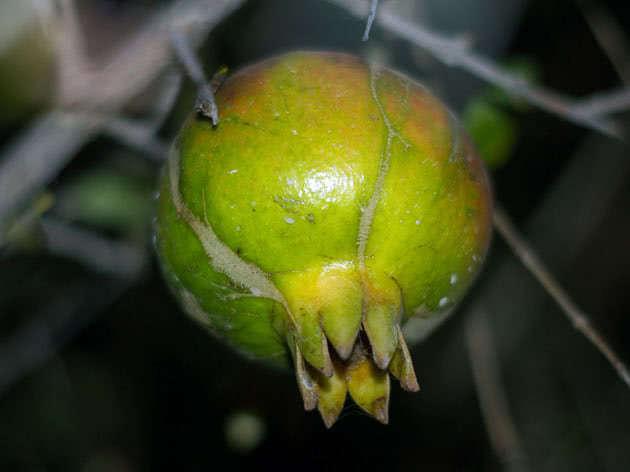
Taking into account all the pros and cons, you can grow a pomegranate from a seed and enjoy this exotic fruit.
How to select and prepare planting material
High-quality seed is the key to successfully growing a vigorous pomegranate. When using seeds from store-bought fruits, keep in mind that they are hybrid varieties, and the plants grown from them will not produce fruits with the same characteristics as the parent pomegranate.
But this does not prevent you from growing a plant that will be characterized by a lush crown and distinguished by beautiful decorative properties.
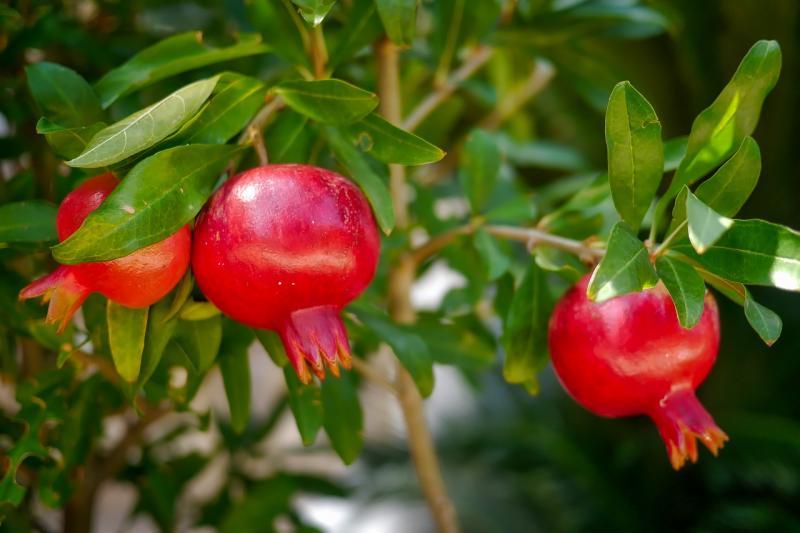
To use seeds, you need to take the seeds from a ripe pomegranate that has no damage; it should be firm, ivory-colored, and free of mold or lesions.
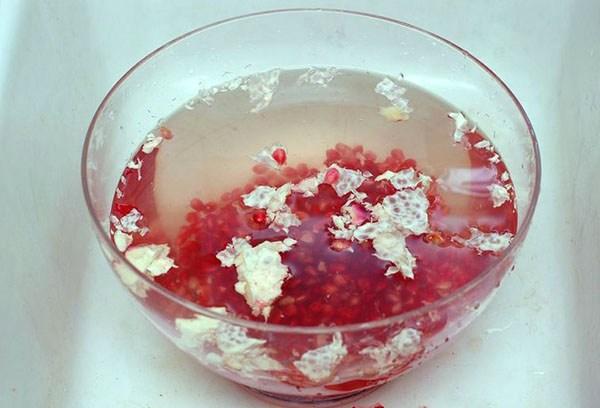
 Important! The resulting seed must be thoroughly cleaned of any pulp and soaked for 12 hours in water mixed with a plant growth stimulant, then dried.
Failure to comply with these conditions will negatively affect the germination and health of the pomegranate.
Landing rules
After tasting this exotic fruit, many people wonder whether it's possible to germinate a pomegranate seed at home. The answer is yes, but it requires patience and familiarity with all the pomegranate planting guidelines.
Preparing the soil mixture
The pomegranate tree is undemanding when it comes to soil conditions, preferring nutritious, loose soil with a pH of 5.5-7. To grow a pomegranate from seed, you can use a commercial all-purpose soil mix or make your own from equal parts of nutrient-rich soil, humus, and sand.

Then disinfect the mixture by soaking it in a dilute magnesium permanganate solution or boiling water. This treatment will reduce the risk of fungal infections.
Selecting and preparing a pot
When choosing a container for sprouting pomegranate seeds, choose flower pots, plastic containers, or balcony boxes. Before use, thoroughly wash the container and rinse with boiling water. Then, fill it with the prepared soil mixture and moisten it with clean water.
Planting diagram
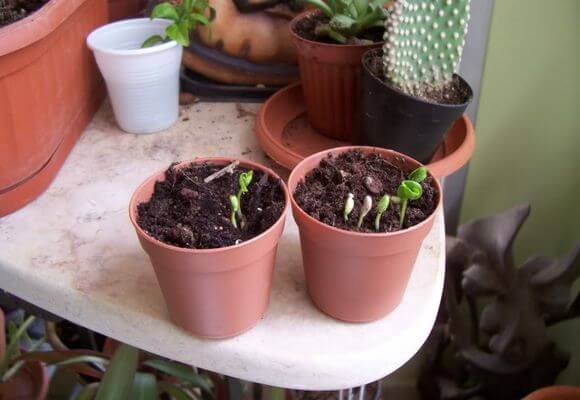
Planting pomegranates from seeds should begin in late winter. The seeds will germinate within 2-3 weeks, while sprouts from seeds planted at other times will only appear after 2-3 months. To do this, place the prepared pomegranate seeds, pointed end down, in a pre-moistened soil mixture to a depth of no more than 1 cm.
Planting too deeply will delay rooting, while shallow planting will delay germination. Then, lightly sprinkle the pomegranate seedlings with soil, mist them thoroughly with warm water, and cover the containers with transparent film until germination occurs.
Temperature and other conditions requirements
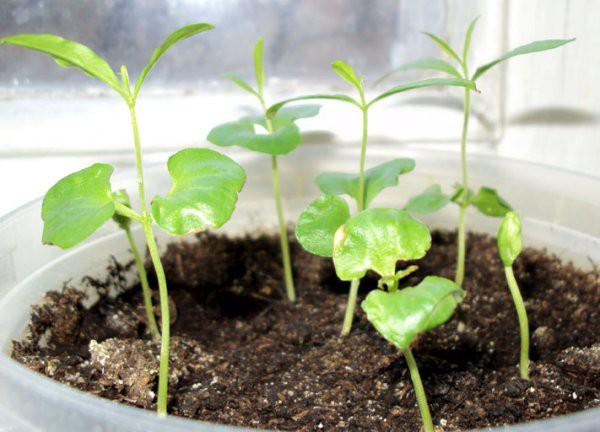
To successfully germinate pomegranate seeds, it's necessary to create comfortable conditions. They thrive in a well-lit room with an air temperature of 25-30 degrees Celsius. Pomegranates are very light-loving, so pots with seedlings should be placed in the sunniest spot. Pomegranates need at least two hours of direct sunlight per day.
Ventilation
A few days after the pomegranate sprouts emerge, open the film to air out the plants. This procedure should be done carefully to avoid exposing the plants to drafts.
Dive
When the pomegranate sprouts reach 3-5 cm in height and have 2-3 true leaves, they will need to be pricked out. The replanting containers should be 2-4 cm larger than the previous ones, and weak sprouts should be removed.
When the fourth pair of leaves forms, pinch off the top to strengthen the pomegranate tree. The emerging flowers should be removed, as the pomegranate will not have enough strength to set fruit due to insufficient ripeness.
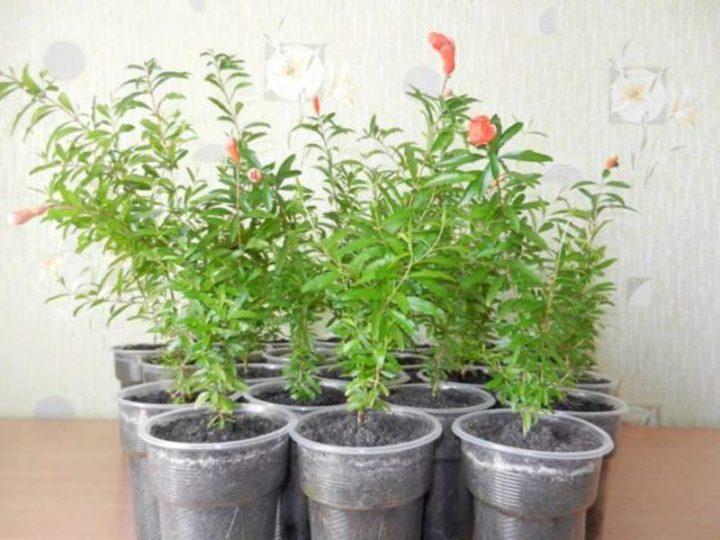
After 3 months, repeat the procedure, leaving only the strongest shoots to obtain a healthy pomegranate tree.
How to create a greenhouse effect using a bottle
For sowing, you can use plastic bottles to create not just containers for sprouting pomegranate seeds, but also functional pots with a watering system and greenhouse effect. Germinating seeds this way helps them develop a strong, healthy root system, which guarantees the survival of young plants and fertility.
Transplantation into open ground
When planting a pomegranate in the garden, a number of conditions must be met:
- the outside temperature should not be lower than 15 degrees;
- plant pomegranate on a hill, choosing the southwestern side of the site, which is illuminated by the sun and protected from strong gusts of wind;
- The planting site should be characterized by alkaline soil with high-quality drainage made of expanded clay.

Planting a pomegranate involves the following steps:
- Dig a hole measuring 60 x 70 cm.
- Enrich the bottom of the hole with a soil mixture containing humus, compost, and sand, and sprinkle a layer of nutritious soil on top.
- Place the pomegranate seedling into the hole at an angle of 40-45 degrees, cover its roots with soil and compact it to avoid the formation of voids.
- Water and mulch with straw and humus.
Correct planting will allow you to grow a pomegranate in open ground in 3-4 years.

Rules for further care
Growing a healthy, high-yielding pomegranate isn't easy. Caring for the plant involves proper watering, timely pruning, and fertilizing. Properly following these guidelines will allow you to decorate your garden with beautiful pomegranate trees.
Watering mode
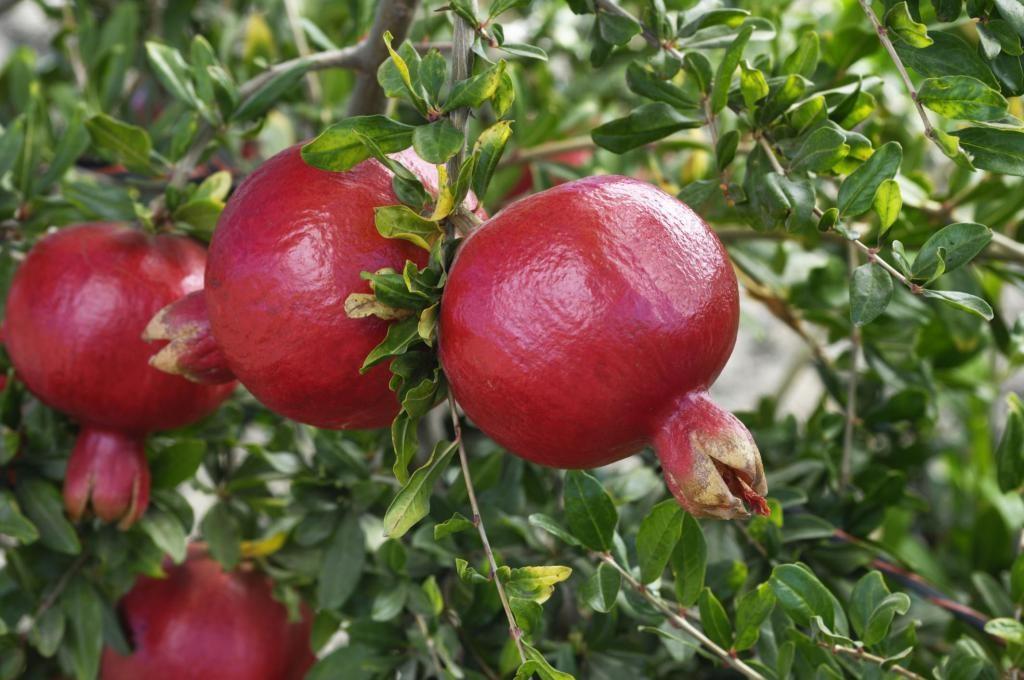
Pomegranates don't like overwatering, but underwatering is also harmful. Water moderately. Use only warm, settled water.
Important! Overwatering pomegranates will cause root rot, while underwatering will cause the fruit to crack.
Top dressing
The fertilizer added to the pomegranate planting hole should be sufficient for the seedlings to grow vigorously during the first few months. At the end of the season, feed the plants with mineral nutrients, which should be added along with watering.
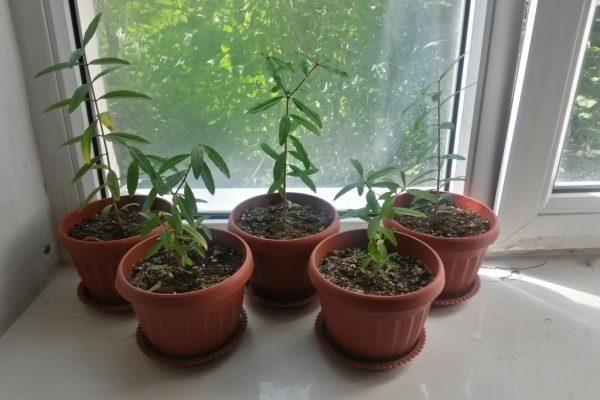
In the future, in the spring and early summer, enrich the soil with potassium or nitrogen-containing fertilizers, and in the fall, when digging up the pomegranate tree trunks, add organic matter.
Mulching
After watering, it's recommended to mulch the soil around the pomegranate with straw or grass clippings. This will retain moisture, inhibit weed growth, and improve oxygen penetration to the plant's roots.
Trimming
Regardless of how the pomegranate was formed, as a bush or a tree, there should be about 5 main stems, the crown should be ventilated, and the shoots growing from below, weak, old branches should be regularly removed.
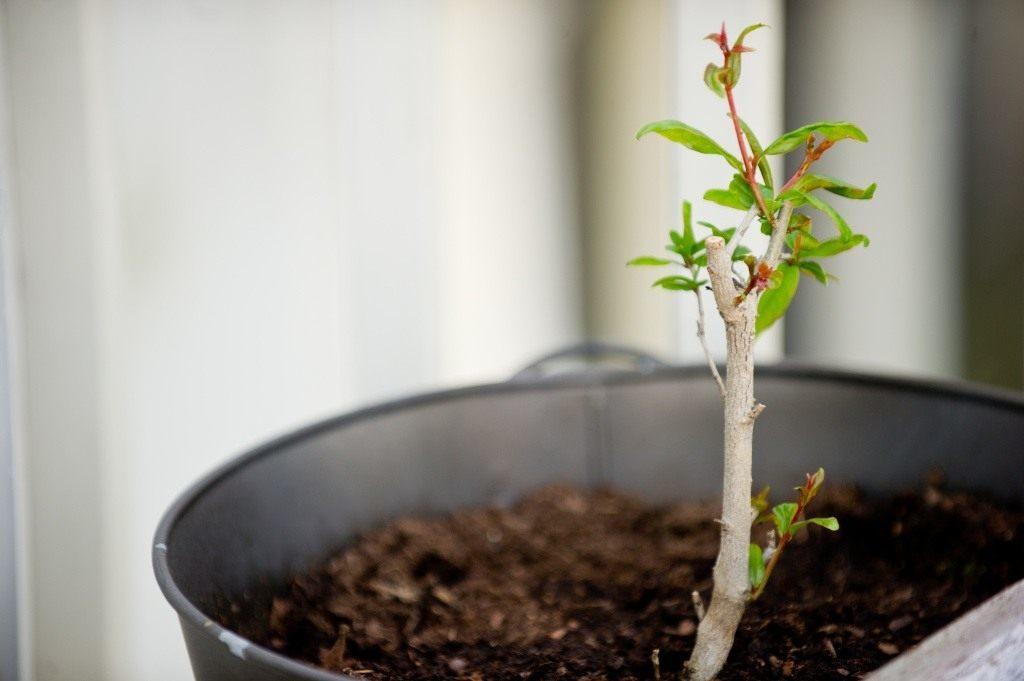
Pomegranates also need to be rejuvenated every 20 years. Cut the bush back completely, leaving only 20-30 cm branches. The cuts should be sealed with garden varnish.
Formation
Pomegranates require crown shaping both to give the tree a beautiful appearance and to ensure a comfortable garden environment. This procedure should be carried out in the spring or after the fruit has been harvested.
Normal
If the goal is to grow a bush-shaped pomegranate, first remove all dead branches and then trim off the root suckers. This should leave about five strong trunks, arranged in a fan-shaped, slanted pattern.
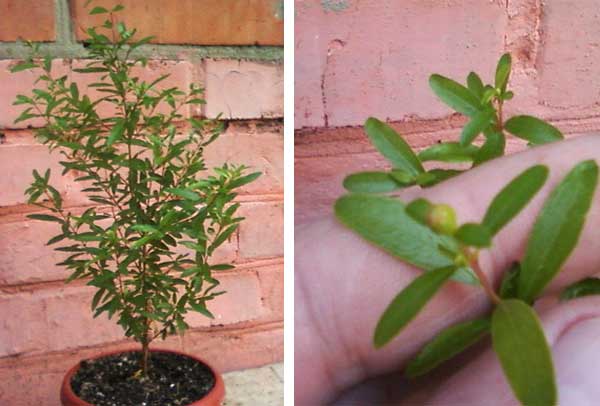
With a pigtail
It will take about six months for the pomegranate branches to take on a braided shape. To do this, trim the lower branches, making a ring cut just below the trunk, then trim the stubby areas. Remove all old leaves from the cleaned braided trunk, leaving the skeletal branches at the top to form the pomegranate's crown. Coat all cuts with garden pitch.
Bonsai
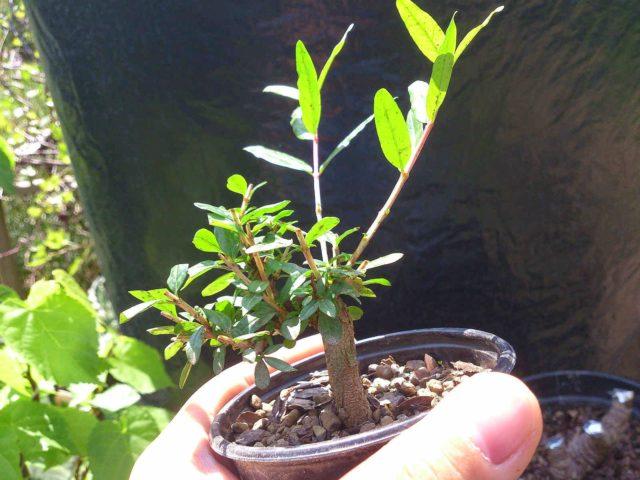
A pomegranate with a strong trunk, at least 2.5 cm thick, is suitable for bonsai formation. Pruning should be done according to the following scheme:
- remove all excess pomegranate branches;
- cut the trunk at a height of 20-25 cm, bend it to the required shape and secure it using wire;
- form the crown of the pomegranate from the remaining branches, securing them with fishing line;
- trim the crown as the plant grows.
The trunk has a natural twist, which gives it a gnarled, ancient look that is prized in bonsai.
Pollination
Pomegranate is a cross-pollinating plant. It produces sterile, short-styled flowers and long-styled flowers that produce fruit. For best pollination, several pomegranate plants are needed.
Tip! You can artificially pollinate the plant by taking a flower with mature stamens and applying pollen to the pistils of pitcher flowers.
Diseases and pests
When growing a plant in open ground, the tree is often exposed to various diseases and attacks by harmful insects.
Branch cancer
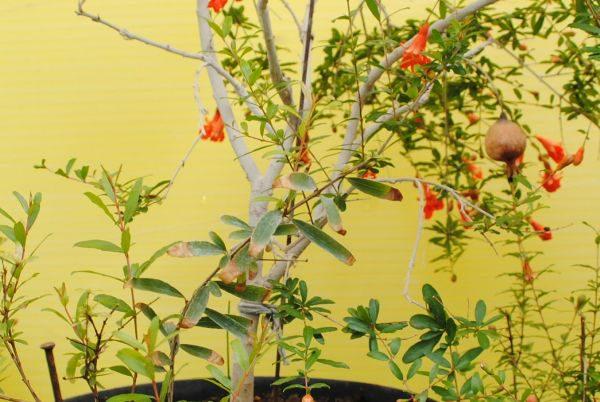
This disease causes cracking of the bark on the branches, the formation of wounds with spongy swellings along the edges, and the drying out of the shoots.
Control measures: remove infected parts of the plant or cut the pomegranate down to the stump.
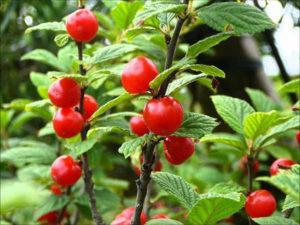
Gray rot
This disease is caused by rotting plant debris in the soil and water stagnation at the roots. Symptoms include the dropping of flowers and leaves, and the drying of pomegranate fruits and branches.
Control measures: treat the plant using combined biological and chemical agents.
Powdery mildew
The appearance of a white coating on pomegranate foliage, flowers, and shoots indicates the presence of powdery mildew. As it progresses, the leaf blade becomes deformed, eventually drying out and falling off. Growth of young shoots is also stunted, and flowers fall off without blooming.
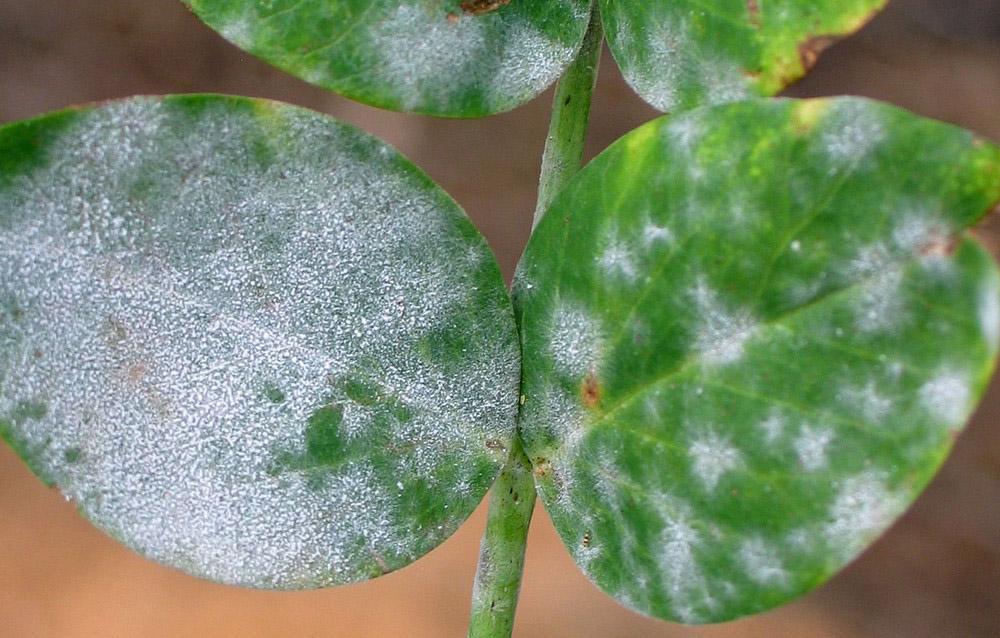
Control measures: spray the plant with a copper-soap solution, and in case of severe pomegranate infection, use chemicals, including Fundazol and Fufafon.
Spider mite
The presence of this pest is signaled by leaf fall, as the mite feeds on plant cells. It can be identified by the presence of white dots and fine webbing on the underside of the leaf blade.
How to fight: treat the plant with insecticides.
Aphid
This pest sucks the sap from the leaves and young shoots of plants. It is easily distinguished from other insects: it has an oval, convex body that is black or pale green.
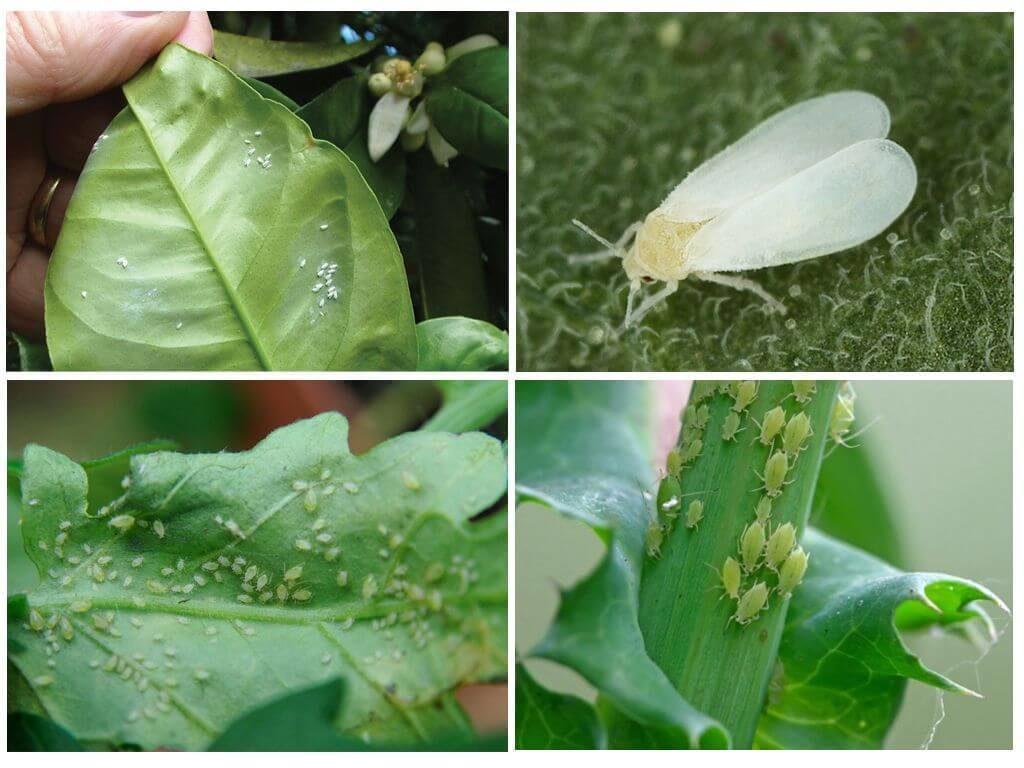
How to fight: treat the pomegranate with a soap solution, but in case of a massive proliferation of aphids, you cannot do without chemicals.
Root rot
The main symptoms of rot are brown spots on the pomegranate leaves, which subsequently dry out and the plant slows down its growth.
Control measures: to treat the plant, it is recommended to use effective fungicidal preparations.
Scale insect
Pomegranates can be attacked by scale insects. These are small, fast-moving insects, up to 5 mm long. Symptoms include the presence of dark plaques and sticky fluid on the foliage.
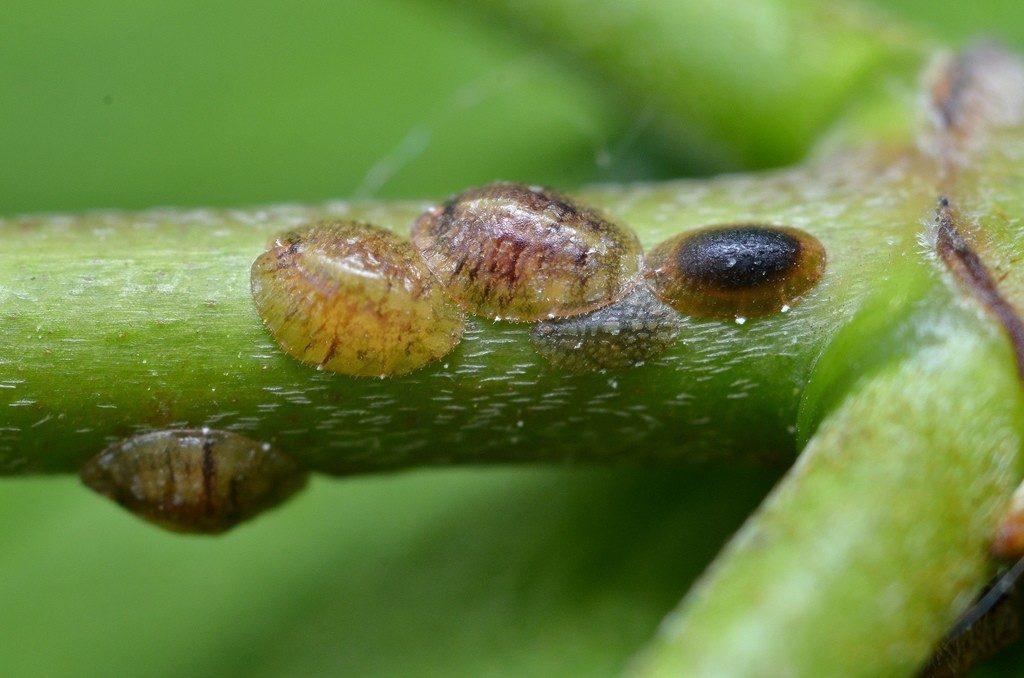
How to fight: collect the parasites manually and spray the pomegranate with Fitoverm or Metaphos.
Thrips
This flying insect feeds on the juice and pulp of pomegranates; their presence is indicated by white spots on the leaves and inflorescences.
As a result, the foliage darkens and dries out, and the inflorescences become deformed and fall off.
How to combat: insecticides will help destroy thrips on pomegranate, and if the number of insects is small, use a garlic-based infusion.
Tips and advice from experienced gardeners
Growing a pomegranate from a seed isn't easy, but to make the task easier, we recommend following the advice of experienced gardeners:
- Before planting, soak the seeds in water.
- Place containers with seedlings in a place that receives good sunlight.
- Feed the plant using mineral fertilizers.
- Take the grown pomegranate sprouts outside when the temperature is above 17 degrees.
- Regularly moisten the soil, making sure that water does not stagnate.
- Pomegranate is prone to disease, so it is important to choose the right tools for caring for the plant responsibly.
These simple tips will help you avoid mistakes and successfully grow a unique pomegranate tree from a seed.
Related posts:
 How to grow pomegranate at home: care and pruning guidelines
 Planting and caring for indoor pomegranates at home for beginners
 How to propagate pomegranate cuttings at home and rooting methods
 The best eggplant varieties for growing in a polycarbonate greenhouse: planting and care
 TOP 50 recipes for favorite and unusual salads for the New Year of the Pig 2019
 Causes and treatment of eggplant pests and diseases, how to combat them at home
 Growing and caring for hazelnuts in open ground, rules for planting hazelnuts
 Description of varieties of sowing peas and cultivation, to which family they belong