
The Cardinal tomato is a classic tomato. It stands out due to its large size. Its fleshy flesh is covered with a smooth, raspberry-pink skin. According to gardeners, this is exactly what a real tomato should look like, and its appearance alone is enough to whet the appetite.
Description of the variety
Because the Cardinal variety has been grown for many years, it is considered a classic. Gardeners, farmers, and vegetable growers have been using the same planting stock for years and are pleased with the results. This is not surprising, as this tomato has many positive characteristics. But its main advantage is its delicious, raspberry-colored fruits.
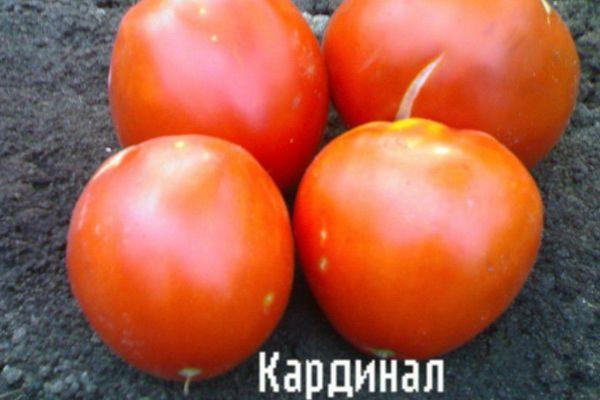
The variety can be described by the following list of its main nuances:
- Cardinal is an early ripening tomato.
- The bush reaches a height of 150 to 175 cm.
- Indeterminate species require garter.
- In greenhouse conditions, the stem length increases.
- The raspberry-pink fruits have a rich tomato flavor and delicate aroma.
- If we talk about the table purpose, then it is universal.
Every homemaker who has planted this variety notes the excellent seed germination. This is also noted by gardeners with many years of vegetable growing experience. The tomato is heart-shaped, with chambers inside filled with small seeds. Cardinal tomatoes contain a lot of sugar and nutrients, making them not only filling but also healthy.
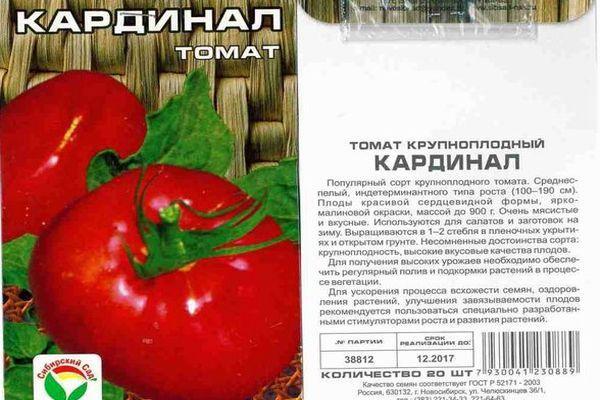 Due to the fact that the variety is considered a hybrid, this gives it a lot of advantages.
Growing
Seeds for seedlings are planted in March. The variety's good germination rate eliminates the need for additional seed treatment before planting. There's also no need for seed treatment, as the hybrid is pest-resistant. Tomato seeds are sown in peat pots, as this is convenient for transplanting. Planting the seedlings along with the container prevents damage to the root system.
Peat containers promote rapid seedling growth and full development. For tomatoes, use garden soil with the addition of superphosphate, ash, and humus. This mixture significantly improves soil fertility. Cover the seedlings with plastic film until the first shoots appear, then remove the covering.

Growing vegetables is easy. After germination, the seedlings are provided with regular watering and good lighting. If there is insufficient light, use lamps. In May, the containers with tomato seedlings are moved outdoors. Two weeks before planting, the seedlings undergo a hardening-off procedure.
Care Features
Planting in a permanent location requires the use of support for the variety. Add no more than 1 tablespoon of mineral fertilizer to the hole for the tomato. Further care includes regular watering, removing side shoots, shaping the bush into two stems, and weed control. Once the fruit forms, the clusters are also tied to the support. Those who have planted the Cardinal tomato know that it requires little care and produces a bountiful harvest.
Advantages and disadvantages
The vegetable attracts gardeners and horticulturists with the following advantages:
- The description of this variety begins with a mention of its versatility. It's suitable for fresh consumption. All types of preserves are incomplete without it, as long as it's available in the kitchen.
- Tomatoes are grown both in open ground and in greenhouses. When choosing a planting site, consider the height of the plants. If grown in open ground, the height should be no less than 1.5 meters. In greenhouses, the height should be 2 meters.
- The fruits of this variety are distinguished by their juiciness and unique tomato flavor.
- In rare cases it is susceptible to pest damage.
- After sowing the seed, seedlings emerge quickly. This indicates good quality planting material.
- The variety does not react to bad weather conditions.
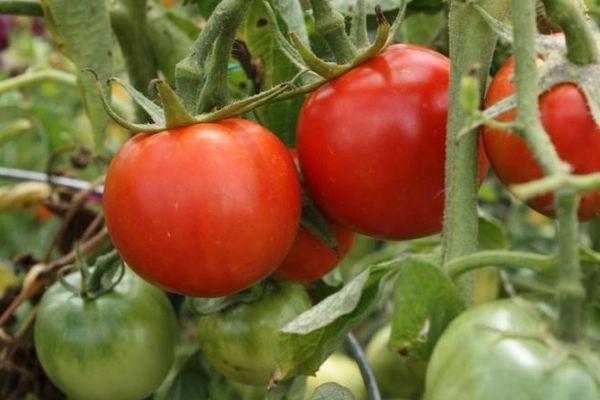
These disadvantages don't affect tomato cultivation. Rather, they are characteristics of the crop that gardeners should be aware of:
- It is recommended to tie up the bush due to the length of the stem;
- To obtain a high yield, it is necessary to form the bush in time;
- large size.
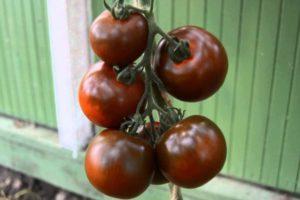
The last point is important when pickling or canning vegetables. As a rule, first-fruiting tomatoes are not used for winter canning. They won't fit whole. There's a solution: cutting them into pieces.
Pests and diseases
Cardinal tomatoes are resistant to fungal and viral diseases. Other plants often become the source of infection. To avoid this problem, gardeners rotate the soil they plant in. Suitable predecessors include legumes, carrots, or cabbage.
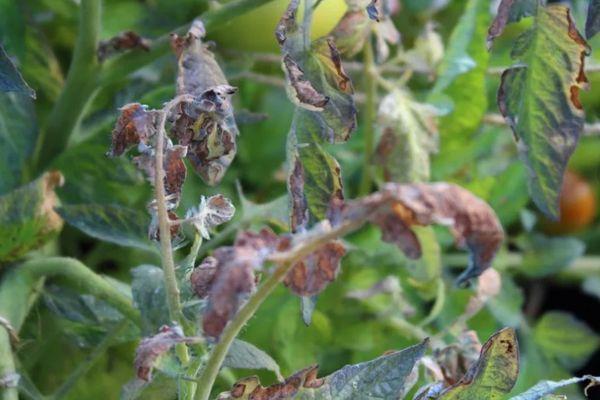
Vegetable characteristics advise against growing tomatoes in areas previously occupied by eggplants, peppers, or potatoes. If the area is not open ground, but a greenhouse, farmers replace the topsoil each season. This topsoil is saturated with a solution of potassium permanganate or copper sulfate.
Cardinal, like other tomato varieties with a strong immune system, is rarely attacked by pests. Among the pests that can affect Cardinal are aphids, whiteflies, slugs, and thrips. Young plants may be susceptible to spider mites.
Pest control begins in the first days of the plant's life. To kill larvae, the soil is heated in an oven at 60°C.
Harvesting and storage
This respectable variety boasts a thick, firm skin that produces high yields. Its firmness is noticeable when tasting dishes containing tomatoes. This is particularly beneficial, as it facilitates long-term storage. The skin also allows for long-distance transport.
Gardeners' reviews
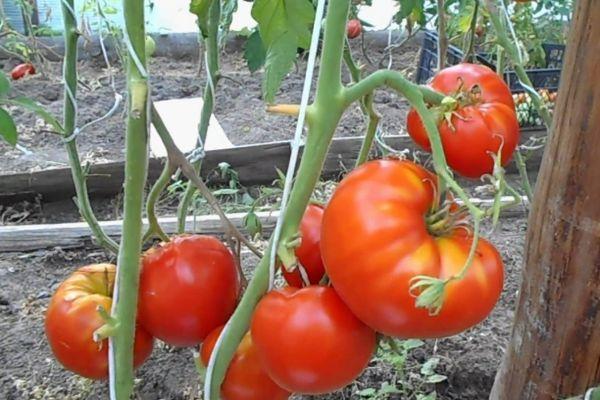
There's hardly a single person who doesn't like this tomato variety. They offer excellent flavor in fresh salads, sauces, juices, and canned dishes. Reviews from satisfied customers confirm that these tomatoes are suitable for growing anywhere. The plant produces a good harvest both in open ground and in greenhouses.
Take a look Also

Cardinal is a tomato variety suitable for greenhouses and hotbeds. Its disease resistance makes it suitable for both beginners and professionals. If desired, gardeners can collect their own seeds and sow them for the second season.
Related posts:
 Description of the Cardinal strawberry variety, planting and cultivation
 Description and pruning group of clematis Rouge Cardinal, cultivation and propagation
 Description of the Cardinal grape variety and growing rules
 Description and pruning group of clematis Cardinal Wyszynski, cultivation and care
 The best grape varieties for growing in the Urals, planting and care rules in summer
 Descriptions of the 20 best cherry varieties for the Moscow region, their planting and care
 80 Best Eggplant Varieties for Different Regions with Descriptions and Characteristics
 Description and characteristics of the 45 best types of peaches, growing rules