
- Types of irises: description and characteristics
- Japanese
- Siberian
- Bulbous
- Dwarf
- Bearded
- Marsh or water
- Varietal diversity depending on color
- Whites
- Yellow
- Orange and brown
- Pink
- Reds
- Lilac
- Blue
- Blue
- Purple
- Dark irises
- We select irises depending on the size of the bush
- Dwarf
- Medium-sized
- Tall
- Unusual varieties of irises
- Repeat-flowering or remontant varieties
- Iris varieties with a strong scent
Irises are delicate plants that captivate the eye. Every day, breeders delight us with new, unusual, and improved varieties. The classification of iris varieties depends on many factors. To choose the right one, carefully study the characteristics of all popular species and select the right plant.
Types of irises: description and characteristics
There are many species that differ from each other in notable characteristics, origin and other factors.
Japanese
According to legend, irises arose when a rainbow shattered into fragments and fell to the ground. These unusual plants require no watering during flowering. They also produce large flowers up to 25 cm in diameter. The leaves range in size from 25 to 60 cm.
The main advantages of Japanese irises:
- beautiful inflorescences of large sizes;
- tolerates drought well;
- resistance to fungal and bacterial diseases.
Disadvantages of Japanese irises:
- lack of frost resistance;
- have no smell;
- flowers last from 3 to 5 days.
For a long time, flowers of this species remained oriental, growing wild on forest edges and marshy meadows. The cultivar became known in Russia about a century ago, after breeders adapted it to a temperate climate. The main varieties of Japanese irises are:
- Crystal Halo;
- Eileen's Dream;
- Queens Tiara;
- Kita-no-seiza.
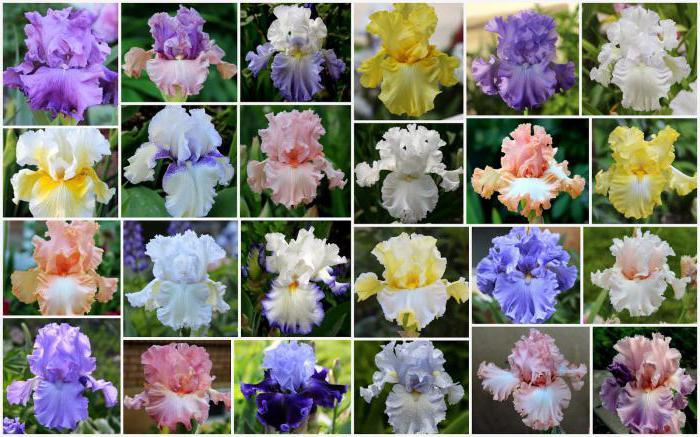
The rich variety of colorful flowers makes it possible to create a stunning composition in any flower bed.
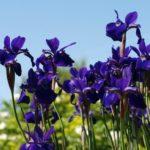
Siberian
The plant's native land is Northern Asia and central and eastern Europe. On average, the plant reaches up to 1 meter in height, but taller specimens are also found. As its name suggests, this variety tolerates both harsh winters and hot, dry summers.
Attracts the attention of gardeners due to:
- medicinal properties;
- the ability to grow in one place for 20 years, provided the soil is nutritious;
- resistance to frost and temperature changes;
- beautiful, abundant flowering;
- good resistance to diseases of any type;
- the presence of a variety of shades.
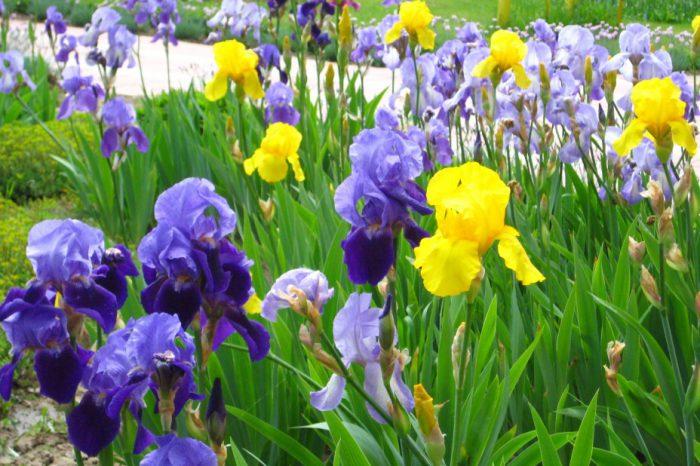
The only drawback worth noting is the lack of aroma.
Popular varieties:
- Alba;
- Butter;
- Big Ben;
- Rigamarole.
It's hard to imagine a real garden without luxurious Siberian irises, which can decorate even the most unassuming corner of a home's yard.
Bulbous
Bulbous irises lead among other varieties in terms of the number and diversity of cultivars. They are most often found in flowerbeds and garden plots. They grow in virtually all regions of Russia.
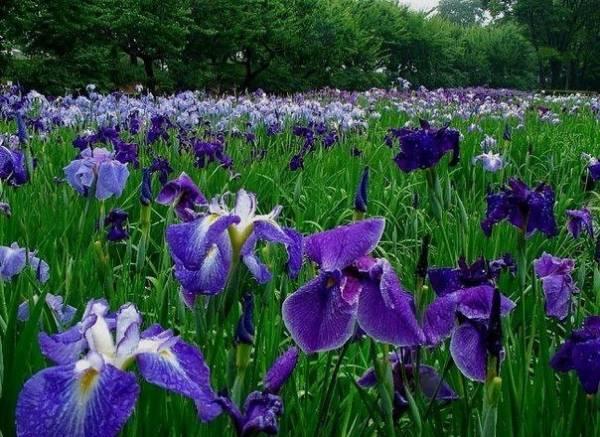
Main advantages:
- original color palette and delightful flower shape;
- convenience in plant propagation by vegetative means;
- unpretentiousness in cultivation;
- the ability to grow not only in open ground, but also indoors;
- can be used for any decorative solutions.
Cons: susceptible to fungal diseases, requiring careful preventative treatment of the bulbs before planting. There are three genera of bulbous irises: Xiphium, Iridodictyum, and Juno.
Popular varieties:
- Danfordia;
- Magnificat;
- Orchioides;
- Royal Yellow.
This variety of irises is a win-win option for decorating flower beds.
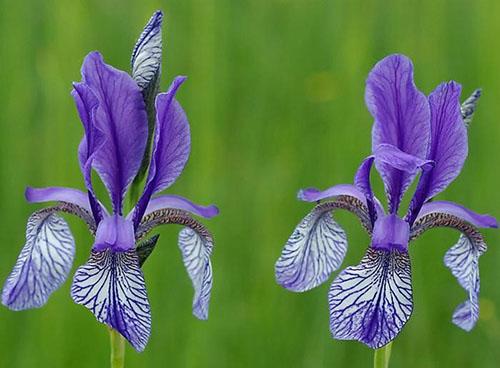
Dwarf
Low-growing plants up to 20 cm in height. Despite their compact size, the plant is comparable to other varieties in terms of flower bud size.
Positive aspects of dwarf irises:
- the ability to complement many design compositions and transform landscape design;
- abundant and variegated flowering;
- bud formation occurs already in the second year after planting;
- a varied and bright palette of shades;
- earlier flowering (almost 2 weeks earlier than other varieties);
- The foliage retains its attractive appearance throughout the season.
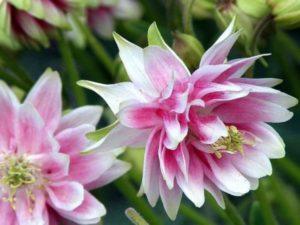
Gardeners are confused by the small size of the plant, and this feature may seem like a disadvantage.
Common varieties of dwarf irises:
- Wink;
- Kru baby;
- Puppet.
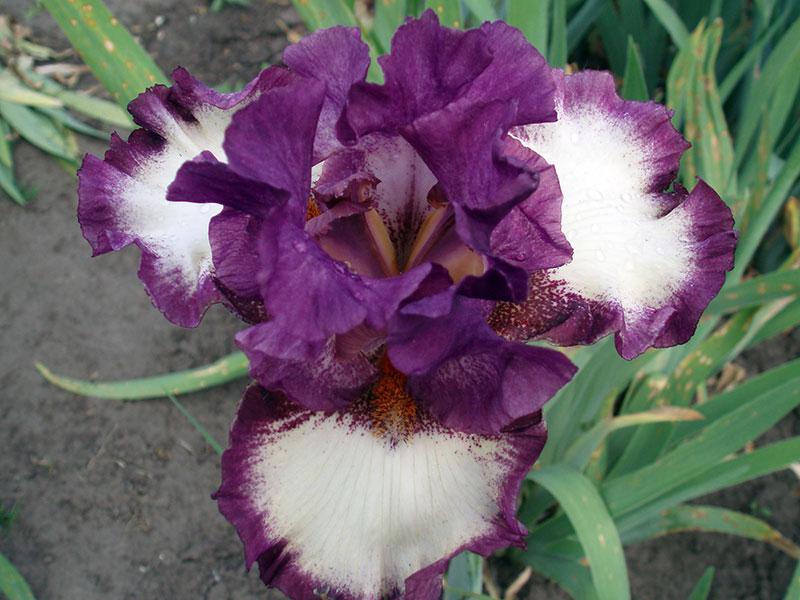
Despite the miniature size of the bushes, dwarf irises will not get lost among the rest of the variety of planted plants.
Bearded
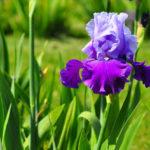
A plant with a well-developed root system, the larger the rhizome, the older the plant. The name comes from the large cluster of hairs at the base of the petals, which form long, lush beards. Advantages of this variety:
- a distinct, pleasant scent reminiscent of violet;
- an impressive number of buds on one branched peduncle;
- bright and extraordinary flower;
- variety and combination of shades;
- attractive foliage complementing the inflorescences.
These varieties are demanding of soil conditions and nutrient supply. They thrive in sandy, acidic soils and sunny locations.
Popular varieties of bearded irises:
- Capatonic;
- Wabash;
- Decadence.
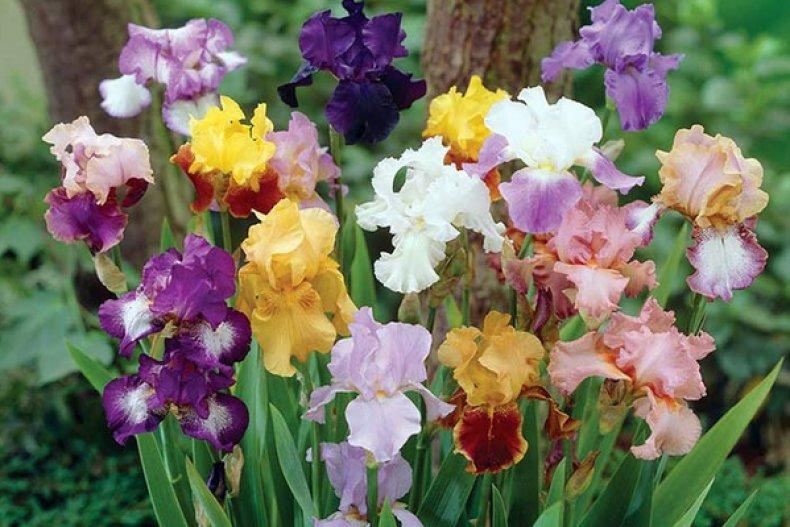
These flowers will delight you in early spring not only with their bright colors, but also with their subtle, enchanting aroma.
Marsh or water
This plant is ideal for landscaping homes located in flooded areas or on excessively wet soils. Gardeners experience positive results growing it in any soil type, as it quickly establishes itself and is easy to care for. Additionally, this variety has the following positive qualities:
- suitable for decorating any compositions;
- is distinguished by its unrivaled aesthetic appearance;
- It resists fungal and bacterial diseases, as its wild relative spends most of its time in a humid environment.
Among the disadvantages, it's important to note that the color palette is limited, with yellow being the predominant hue, as this was originally genetically determined in the wild iris. However, ongoing breeding efforts are helping to diversify the color range of aquatic irises. Known varieties:
- Bastard;
- Umkirch;
- Weather Diable.
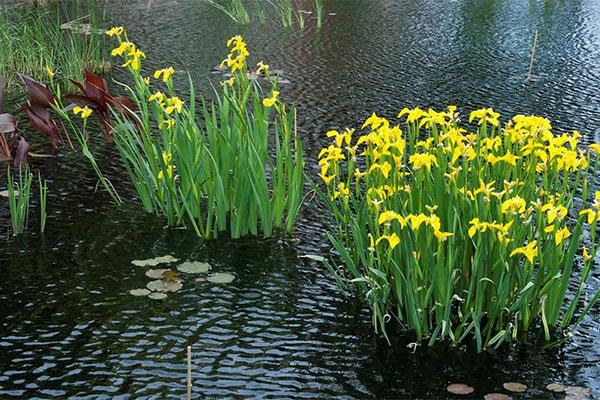
Yellow irises are favored by designers for their decorative qualities. They are planted in low-lying flowerbeds. They look spectacular in water, near an artificial or natural pond.
Varietal diversity depending on color
In addition to differences in general structure and origin, several varieties can be distinguished depending on the diversity of the bud's color palette.
Whites
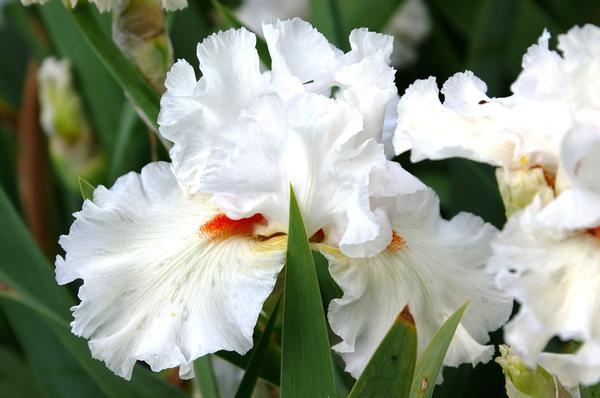
In the past, such flowers symbolized grief for the deceased, or distinguished status, nobility, and aristocracy; they embodied only positive qualities. It was believed that white irises should not be given to a bad person. White irises are unusually delicate and beautiful flowers. Thanks to their perfection and unrivaled appearance, they are popular among amateur and experienced gardeners. The snow-white color and clear lines give the flowers a regal majesty and imbue them with meaning. These varieties are considered rare and therefore highly prized. Popular varieties with white flowers include Bianca, Nordica, and White Lady.
Yellow
Some believe that yellow signifies separation and betrayal, and they try to avoid it at all costs. This pleasant and warm color evokes a smile, joy, and trust. It symbolizes wealth and family well-being. Wild irises were originally yellow, so there are many varieties of this color, both cultivated and uncultivated. The upper petals are often pale yellow, gradually deepening and turning orange toward the base of the bud. This harmonious transition is present in many species and is considered their main advantage. The main varieties are Weybrant and Bastard.
Orange and brown
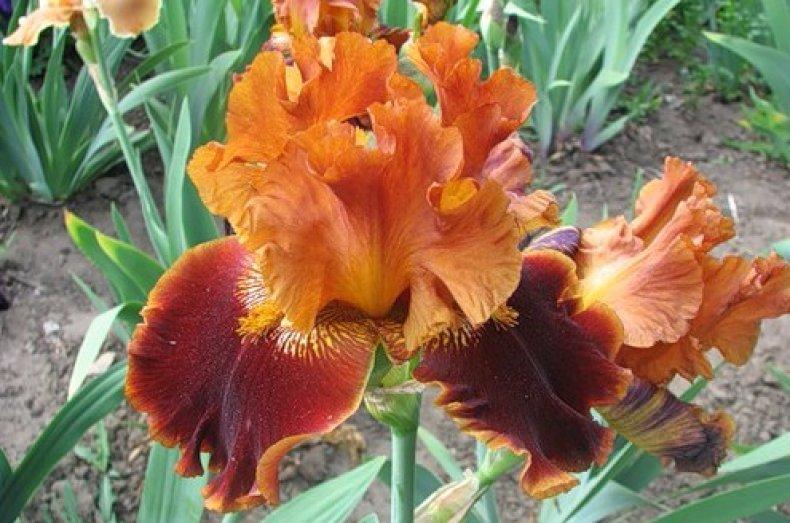
Bright flowers appear larger due to their hue. They will take center stage in any landscape composition, as their color will immediately catch the eye and attract the attention of passersby even from a distance. A winning solution is to plant irises in the foreground alongside plants blooming in cooler shades; they will stand out and be emphasized. Blue and orange irises offer a striking contrast. Such iris varieties include Bronze Age, Juan Valdez, and Fireside Glove.

Pink
The delicate and pleasant shades of irises were bred specifically for sensitive natures and romantic spring arrangements. Pink irises are perceived as warm and vibrant. Landscape designers rarely use these colors, believing them to be uncluttered, neutral, and virtually unnoticeable in a space. The popularity of these plants is gradually fading, as many have become tired of this color and there's nothing unusual about it.
Varieties of pink irises: Fragrant Lilas, Svitanok.
Reds
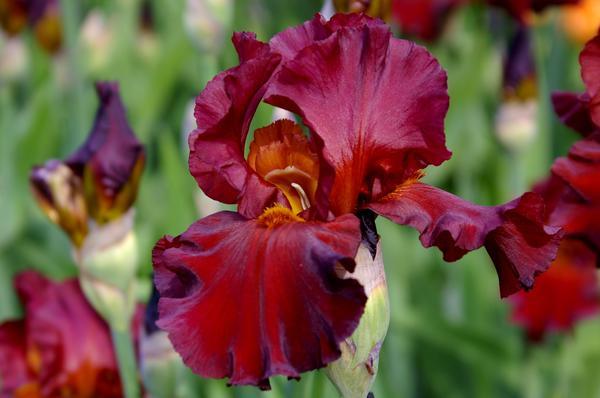
Red iris varieties deserve admiration. Plants with vibrantly colored buds were featured at the garden's annual May carnival. Visitors paid particular attention to these plants, so their hue was officially designated the show's color. A truly unadulterated red is every breeder's dream, as achieving it is quite difficult. Most often, buds with iridescent hues, a different-colored border, or a distinct center are obtained. Favorite varieties include: Varior King, Copatonic, and Play with Fire.
Lilac
Lilac varieties, unlike purple varieties, are lighter and more translucent. Designers try to combine these plants with warm-toned flowers when creating arrangements, so that the plainness of the irises stands out against the background. When creating a romantic flowerbed, lilac varieties can be combined with white or purple buds in solid or two-toned colors. Plants of this shade are rarely popular because they look plain and pale against bright flowers, going unnoticed. Varieties: Skip Along, Vrazen Beauty, Maria.
Blue
Blue irises have enjoyed unwavering popularity since ancient times and are widely used in ornamental gardening. The blooms of these plants delight onlookers. Breeders are working to develop captivating varieties with edging, lines, and flecks. Not everyone takes on the task of growing these plants, as their agricultural technology is slightly different from others and is tedious and labor-intensive. Popular varieties: Baltic Sea, Acoma, Bivaiderbest.
Blue
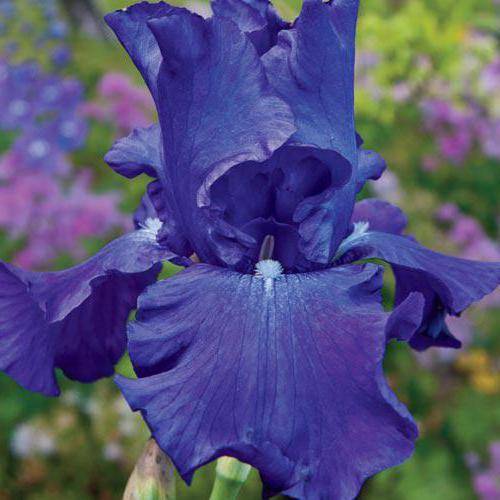
Blue irises create a sense of lightness and delicacy in landscape compositions; their buds pair well with warm-toned varieties. They look harmonious with blue, purple, and black flowers. Varieties most commonly found in gardens include Cloud Ballet and Superman.
Purple
Unlike blue and light blue, purple doesn't appear cold in flowerbeds; instead, it adds warmth and coziness to the garden. Purple irises pair well with plants blooming in light, warm colors. Experienced gardeners advise against planting purple irises in large numbers, as the arrangement will be too garish. Favorite varieties include Soul Music and Amur-Batushka.
Dark irises
Dark, almost black, irises are mysterious and enigmatic flowers. They create beautiful compositions when paired with lighter buds: white, cream, and blue. These varieties will add a luxurious and sophisticated touch to a flowerbed. These varieties are actually purple or brown; they're simply so dark that they appear black to the human eye.

Dark iris varieties are not so diverse, since it is not easy for breeders to achieve this shade: Night Gate, Befor the Storm.
We select irises depending on the size of the bush
Depending on the size of the bush, there are low-growing, medium-growing and tall varieties.
Dwarf
Dwarf varieties always attract gardeners due to their compact and neat appearance. These plants grow to 20-40 cm in height and spread slightly. Among their advantages are:
- a variety of colors, spectacular inflorescences;
- attractive appearance throughout the flowering period;
- rate of bud formation;
- early flowering;
- an impressive number of flowers on one specimen;
- endurance.
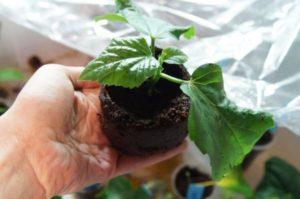
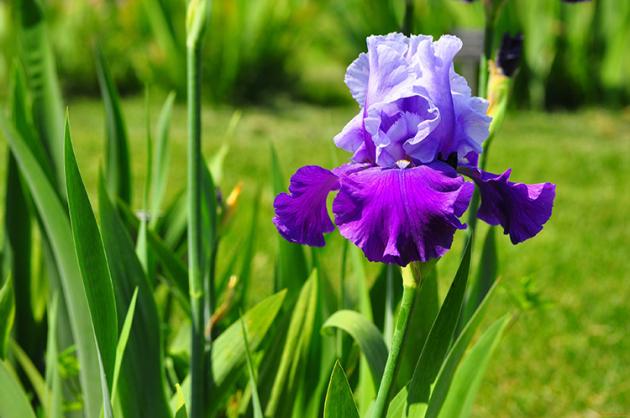
Currently, there are 10 thousand known varieties of dwarf irises, including the popular Cherry Garden, Blue Denim, and Cat's Eye.
Medium-sized
Medium-sized irises can withstand severe frosts and are resistant to fungal and bacterial diseases thanks to their strong immune system. These varieties include Blashes, Realgar, and CJ.
Tall
Tall varieties include those taller than 70 cm, with some reaching up to 120 cm. They are characterized by:
- a strong, dense stem that can support large buds;
- expressiveness and dynamism in any area;
- duration of flowering period.
The downsides include their demanding soil and climate conditions. Also, tall plants require support and staking to prevent damage from strong winds and rain.
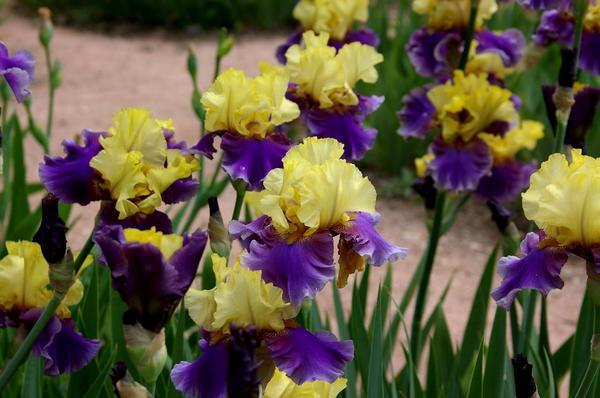
Among the famous varieties: Supreme Sultan, Thornbird, Sultan Palace.
Unusual varieties of irises
Experts are unable to classify all types of irises, so they have identified certain varieties that are still uncommon and require additional breeding work:
- Chrysographis. The distinctive features of this cultivar include the looseness of the bushes, the light green tint of the foliage, and the spots and streaks on the surface of the petals. The plant's somatic cells contain 40 chromosomes, while ordinary irises have 28.
- Spirua. Found in the wild, this undemanding species is used in landscape design. This variety is characterized by its large flowers and impressively long stems.
- Louisiana. Still involved in breeding, the variety has been developed from five wild species. A heat-loving cultivar, it is found only in botanical gardens; rare specimens grow in the wild.
- Californian. Small plants with evergreen, leathery leaves. Found only in California and surrounding areas, they don't transplant well, making propagation challenging.
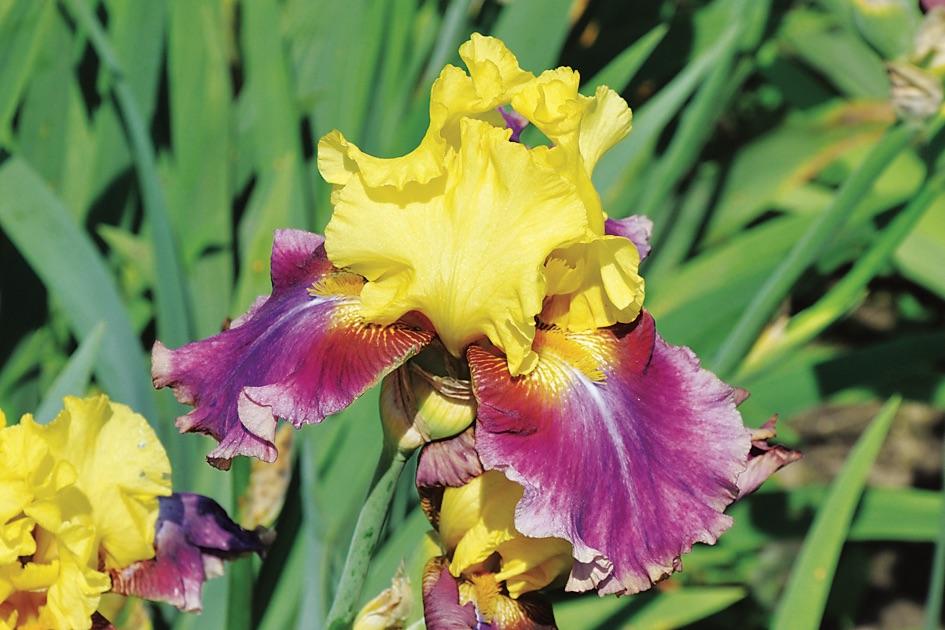
The varieties listed are little known. Among them are many interspecific specimens that were accidentally obtained through selective breeding of specific species.
Repeat-flowering or remontant varieties
Well-known varieties of irises that bloom repeatedly during the same season:
- Sunny Bunny. Yellow flowers with white veins in the centers of the petals.
- Blessed Child. Characterized by ruffled white flowers.
- Here's Aegean. Two-colored flowers, the center of which is blue, and the edge is dark yellow.
- English Charm. Buds with corrugated terracotta petals.
- Cloud Ballet. Distinguished by its delicate blue flowers.
Everbearing varieties have their own unique characteristics compared to others and are capable of delighting those around them all season long, which is why they are popular among gardeners.
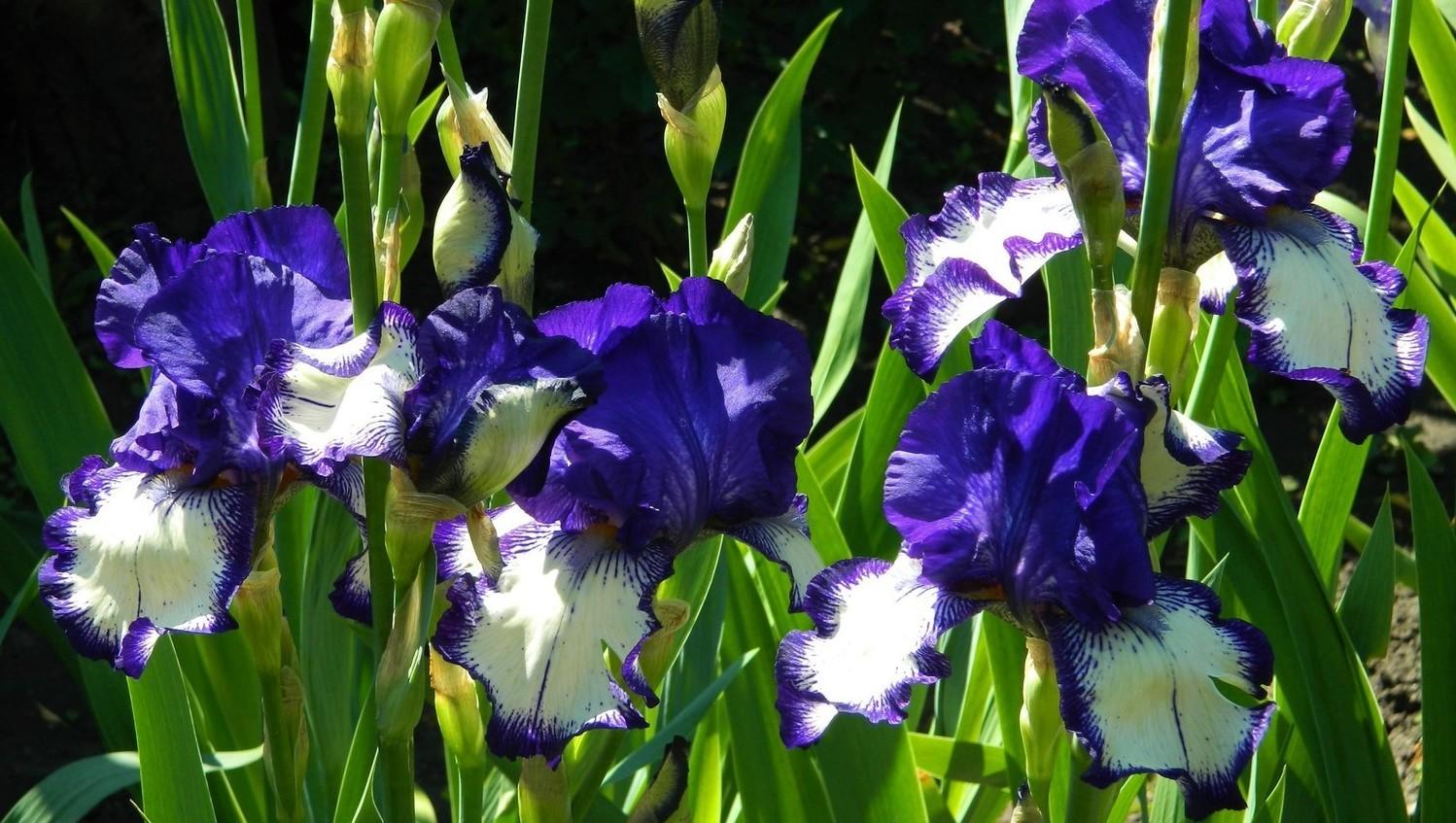
Iris varieties with a strong scent
For those who enjoy pleasant aromas, it's worth taking note of the list of varieties with a strong scent:
- Kopatanik. A plant with reddish-brown buds and a chocolate aroma.
- Stop the Music. A stunning dark purple flower with a scent of caramel and tangerine.
- Hid Master. A flower with iridescent yellow and pink hues and a strong scent of bitter honey.
- Cloud Ballet. A blue flower with the scent of sweet caramel.
The scent of irises captivates and pleasantly irritates the senses. The flowers' aroma is often compared to sweets and delicacies.
Related posts:
 Planting and caring for irises in open ground, propagation and variety selection
 Description of the best varieties of reticulated irises (Denfordia), planting and care, propagation
 When is the best time to transplant irises and how to do it correctly, care after the procedure
 Why do irises have only leaves and don't bloom? What to do and how to eliminate the causes
 Description of Japanese iris varieties, planting and care in open ground
 Description of Siberian iris varieties, planting and care in open ground
 What flowers go well with irises in a flowerbed? What flowers are best to plant them with?
 Description of bearded iris, planting and care in open ground, and preparation for winter