
- General information about the plant
- A little about the most popular species and varieties
- Vegetable
- Strawberry and berry
- Raisin
- Peruvian
- Decorative
- Mexican
- Florida
- Dessert
- Franche
- Kinglet
- Fruit
- Pineapple
- Gold placer
- Jammy
- Marmalade
- Specifics of crop cultivation
- Sowing
- Seedling
- Picking
- What time to plant
- Features of landing
- Rules for caring for physalis
- Watering
- Top dressing
- Trimming
- Wintering
- Protecting physalis from diseases and pests
- Breeding methods
- Growing characteristics in different regions
- Harvesting and storage
When planting and caring for physalis outdoors, it's important to respect the plant's growth habits. By creating favorable environmental conditions and adhering to proper agricultural practices, you can grow a bountiful harvest or use the plant as a decorative element in your garden.
General information about the plant
Physalis is a herbaceous plant with branched, geniculate stems and a slight pubescence at the top. Plant height varies from 20 to 120 cm depending on the variety. Flowers are solitary and arranged along the entire stem. Physalis is considered an ornamental plant, but many species produce edible fruits. The harvest ripens 80 to 100 days after sowing.
A little about the most popular species and varieties
When choosing a variety for cultivation, it is recommended to familiarize yourself with the common options. Each variety has individual characteristics and features.
Vegetable
This vegetable variety of physalis is easy to care for, ripens early, and stores well. The fruits are large, reaching 150 g in weight. When ripe, they turn yellow. This vegetable variety is rarely eaten fresh, but it makes a delicious sauce and stew.
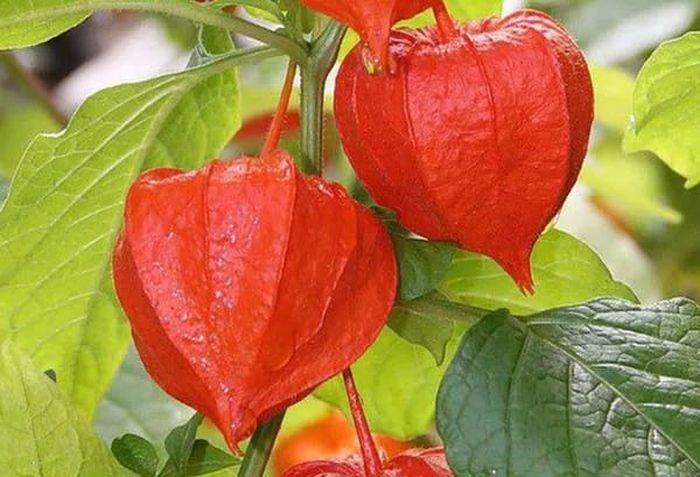
Strawberry and berry
The berry and strawberry varieties are prized for their distinct aroma and sweet flavor. These varieties are used to make jam, preserves, and jelly. The sweet-flavored physalis is also often used as a garnish for desserts. It contains beta-carotene, vitamin C, polysaccharides, and amino acids.
Raisin
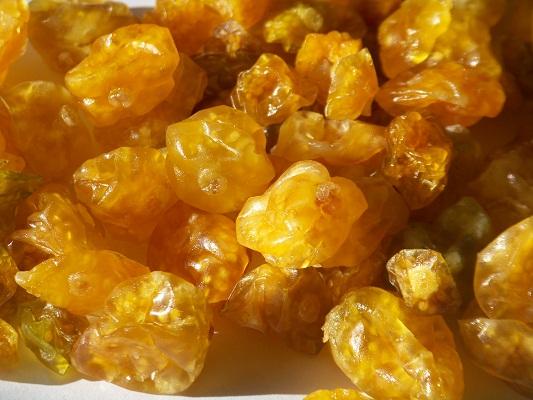
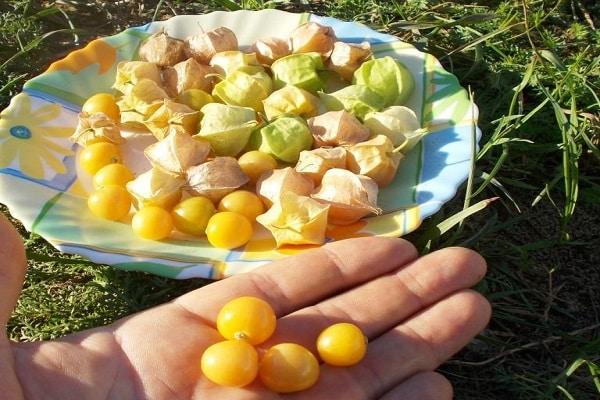
The refined flavor of the raisin variety is its main advantage. The sweet, slightly tart fruits can be dried, after which they taste similar to raisins, which explains the origin of the name. The raisin variety has a shelf life of up to 6 months.
Peruvian
Compared to raisins, the Peruvian variety has a less sweet taste but a distinct fruity aroma. Its acid and sugar levels are comparable to strawberries. The fruits are very soft, so it is not recommended to store them for long periods.
Decorative
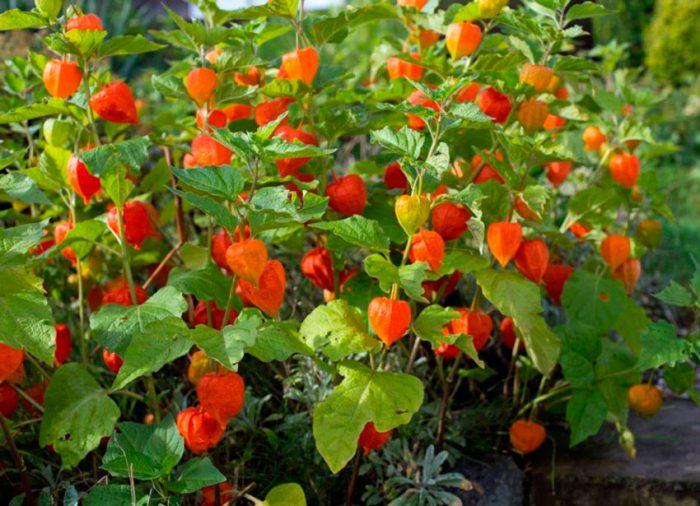
A special ornamental variety is best suited for landscape design. Its fruits are unsuitable for consumption due to the toxic components they contain. In late summer, the fruits turn a vibrant orange and look most impressive.
Take a look Also
Mexican
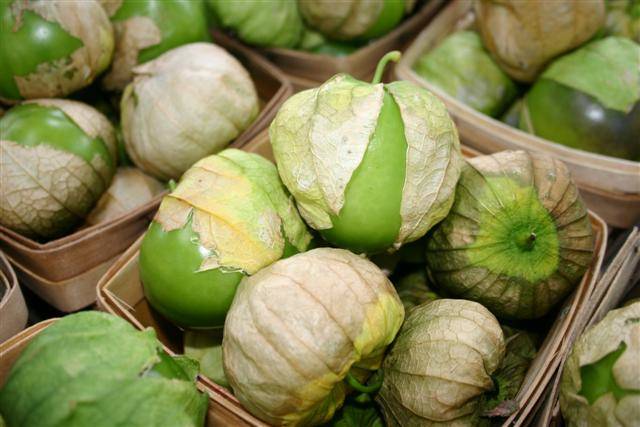
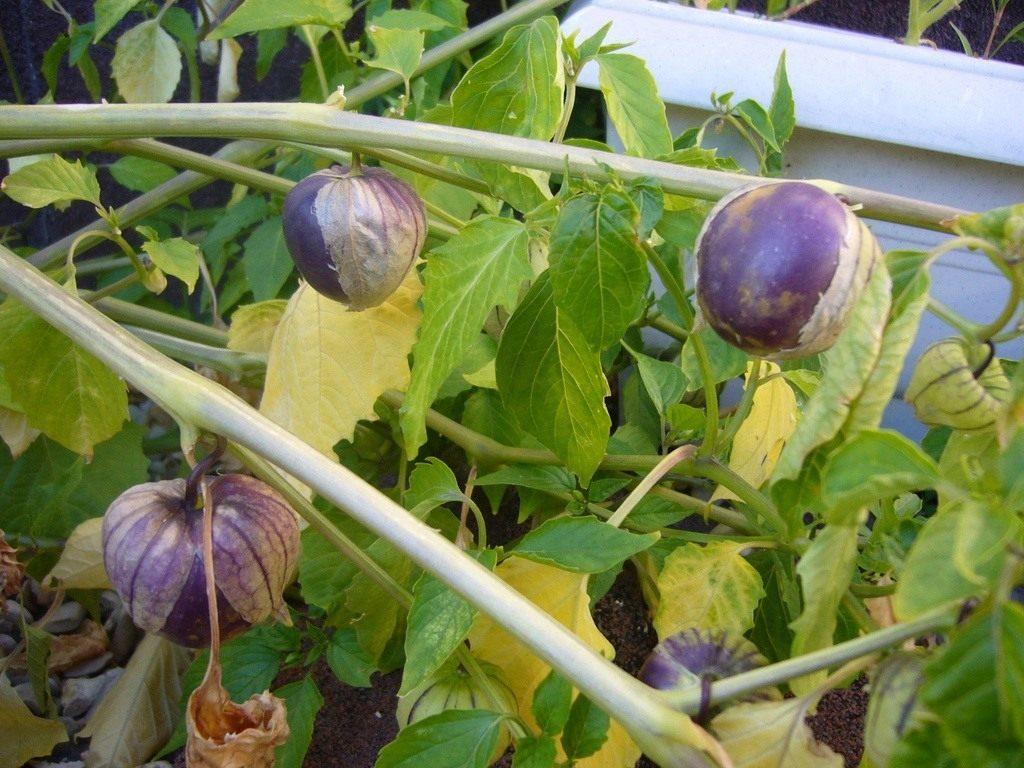
The fruits of this Mexican variety are large and resemble tomatoes. Their color ranges from green to purple, depending on growing conditions. The variety is noted for its high yield and ability to thrive in low temperatures.
Florida
This Florida variety is prized for its sweet, highly flavorful fruits. They are virtually acid-free. The harvest is suitable for making jams and preserves.
Dessert
The dessert variety, also known as the confectionery variety, is a late-ripening variety. Plants up to 70 cm tall produce flat-round fruits with a slight flattening. The high sugar content allows the fruits to be eaten fresh.
Franche
The Franchet variety is often grown as an annual plant. Plants reach 90 cm in height, with leaf blades up to 15 cm long. No more than 15 fruits form on a single stem.
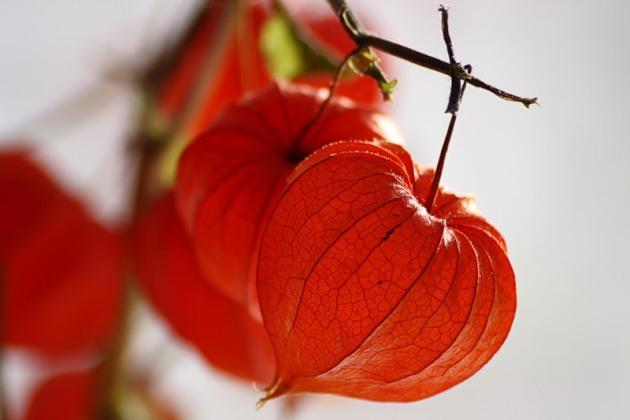
Kinglet
The early-ripening Korolek variety is an upright plant 60-80 cm tall. The fruits are round, with firm flesh. Korolek physalis weighs no more than 90 g. This variety is valued for the following characteristics:
- frost resistance;
- high content of pectin substances in the composition;
- large fruits;
- universal use of the harvest (processing, pickling, salting).
Fruit
The fruit variety of physalis produces fruits with a sweet flavor and distinct aroma. The edible fruits are used fresh, as a garnish, and for processing.
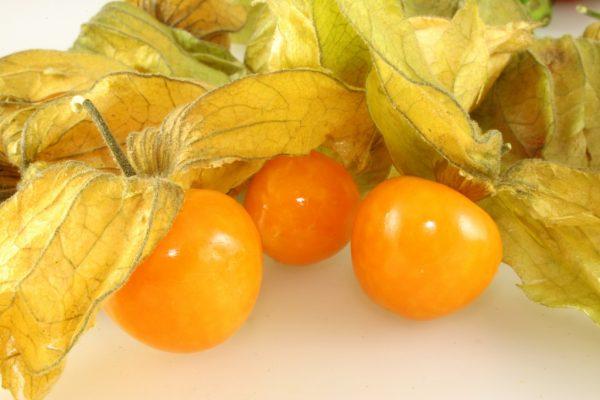
Pineapple
The fruits of the Pineapple Physalis are large, weighing 50-80 g each. The flavor is sweet and very similar to pineapple. The flowers emit a pleasant aroma, attracting bees and bumblebees.
Gold placer
The Zolotaya Rossyp variety is an early-ripening variety. Plants up to 35 cm tall produce spherical fruits with a smooth surface. These compact fruits weigh 3-5 g. The harvest is suitable for general use and has a sweet and sour flavor.
Jammy
The jam variety of physalis is used to make jams, preserves, and jellies due to its gelling properties and sweet flavor. The fruits, weighing 50-60 grams, grow on branched bushes about 1.5 meters tall.
Marmalade
The low-growing Marmalade variety produces fruit weighing 30-40 g. The physalis is flat-round and cream-colored. With proper care, the yield per square meter is approximately 1.4 kg.
Specifics of crop cultivation
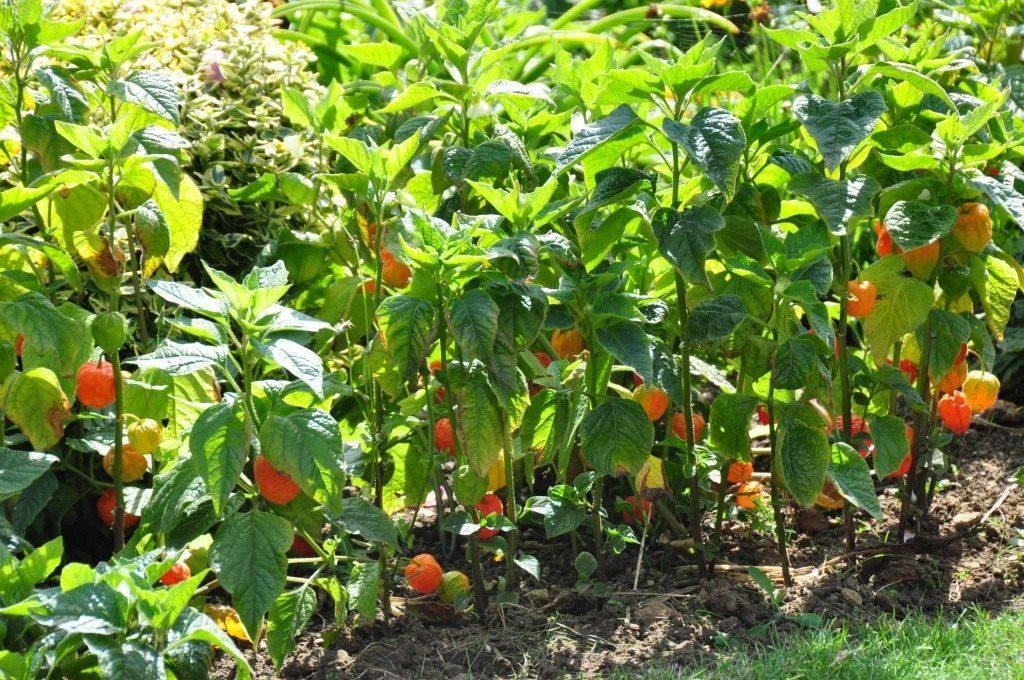
When planning to grow one of the physalis varieties in your garden or backyard, it's important to understand the planting process beforehand. Following all these guidelines will help avoid complications and ensure a high yield.
Sowing
In warm climates, physalis can be planted directly into open soil. The plant grows easily from seed due to its cold tolerance and undemanding soil conditions. Before sowing, the seedlings are soaked in a potassium permanganate solution for disinfection and then placed in furrows. The distance between rows should be approximately 30 cm.
Seedling
In temperate climates, it's best to grow physalis from seedlings. Four to six weeks before transplanting outdoors, sow the seeds in individual containers and leave them in a warm place to germinate.
The seedlings are provided with low atmospheric humidity and soil mixture to reduce the risk of black leg disease.
It also requires periodic ventilation, sufficient lighting and feeding with a solution of bird droppings and water in a ratio of 1:20.
Picking
Crowded plantings of physalis require thinning. When the plants develop two true leaves, they should be transplanted into individual containers. To do this, carefully remove the seedlings from the soil, being careful not to disturb the overgrown roots.
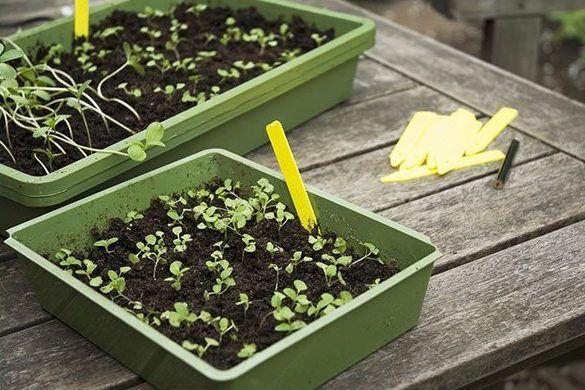
To make the task easier, you can leave a small clump of soil on the roots. If the seedlings are initially distributed among several pots, no pricking out is required, and the seedlings can be grown until they are transplanted into the open ground.
What time to plant
Physalis is transplanted into the soil after 5-6 leaves have formed. It's best to choose a cloudy day for transplanting. Cucumbers or cabbage are good precursors for the plant. Prepare the site a couple of weeks before planting, fertilizing the soil with humus and wood ash before digging.
Features of landing
When planting physalis, keep in mind that most varieties are highly branched. It is recommended to plant seedlings in a staggered pattern, spaced 50 cm apart.
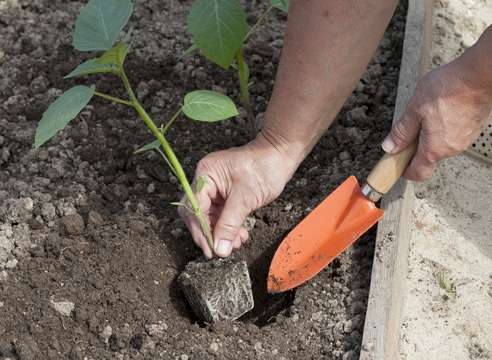
The planting holes should be deep enough to allow the lower leaves to be level with the ground. To grow tall varieties in the garden, staking is necessary.
Rules for caring for physalis
When growing physalis in your garden, you need to provide comprehensive care. Knowing the secrets of experienced gardeners can help you avoid common problems. With proper agricultural practices, physalis will bloom and produce a harvest on schedule.
Watering
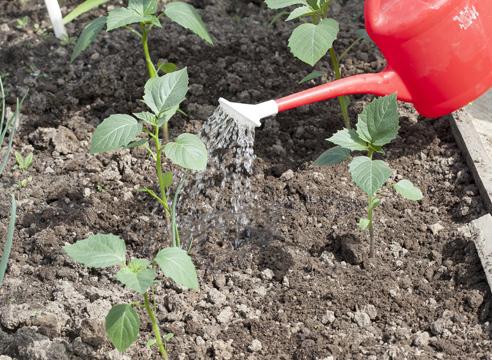
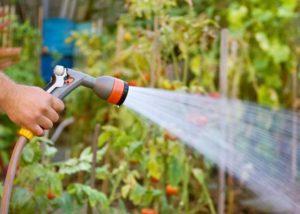
Plants prefer ample watering, but avoid stagnant water. Moisten the soil as it dries. To avoid disrupting the ripening process, reduce watering as the seed pods begin to form.
Top dressing
Physalis needs to be fertilized several times during the season. The first time should be when planting. Fertilizers are then applied during flowering and when fruit is forming. Mineral fertilizers are best for this plant. The beds can be watered with a mixture of superphosphate, potassium salt, and ammonium nitrate.
Trimming
In the case of growing perennial ornamental physalis, with the onset of autumn, the above-ground part is pruned. The leaf blades are cut off and destroyed, and the fruit-bearing shoots are left to dry for later use in design projects. Annual varieties are pruned periodically to prevent the foliage from becoming too dense.
Wintering
Despite their frost resistance, when grown in northern regions, additional protection from extreme cold is required. Cover the root area around the plants for the winter with a layer of mulch made from a mixture of peat and wood chips. You can also use a special covering material placed over the bushes and secured to the ground with stakes or heavy stones.
Protecting physalis from diseases and pests
To protect against pests and diseases, spray with insecticides and fungicides. Large insects can be removed from the bushes by hand. Regular inspection of the plants is recommended to detect signs of damage promptly and take appropriate measures.
Breeding methods
The easiest way to propagate physalis is by seed. They can be sown directly into open soil. In cooler regions, it's best to first grow the seedlings in a warm room and then transplant them into the ground. The first shoots begin to emerge at temperatures of 15 degrees Celsius.
Growing characteristics in different regions
Physalis care should be tailored to the growing region's environmental conditions. When grown in warm climates, it's important to monitor soil moisture levels, as they dry out quickly when exposed to sunlight. In the Urals and Siberia, special attention should be paid to protecting plants from frost during the winter.
Harvesting and storage
Ripe physalis fruits should be harvested before frost in dry weather, along with the capsule. This preserves the waxy coating, which ensures long-term storage. The ripening time of physalis depends on the variety being grown. Unripe specimens can be removed from the garden bed and left indoors to ripen.
It's recommended to store the harvested crop in a cool, dry place, placing it in boxes or wooden crates. Physalis should be arranged in two or three layers inside the container. At an ambient temperature of 12-14 degrees Celsius, the shelf life is up to a couple of months. Unripe fruits can be stored longer, until spring.
Related posts:
 Recipes for preparing vegetable and dessert physalis for the winter at home
 Symptoms and causes of physalis diseases and insect pests
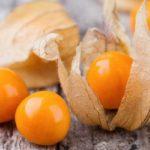 The most delicious recipes for making physalis jam for the winter, how to make jam and store it
 How to grow physalis at home from seeds and care for the crop
 Preparing physalis vegetables for the winter using canning and drying methods; can they be frozen?
 The best grape varieties for growing in the Urals, planting and care rules in summer
 80 Best Eggplant Varieties for Different Regions with Descriptions and Characteristics
 The best eggplant varieties for growing in a polycarbonate greenhouse: planting and care