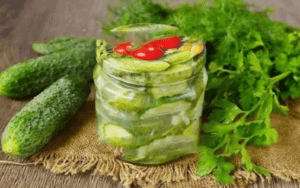
Physalis has only recently appeared in Russian gardens, but has already gained popularity. Ornamental varieties are beloved for their exotic, fiery-red sepals. Vegetable and berry varieties, meanwhile, are prized for their rich chemical composition and ideal balance of sugars and acids. The plant produces around 200 fruits per year, making it possible to preserve vegetable physalis for the winter.
How to choose physalis for winter storage?
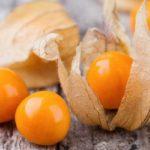
All varieties of physalis are members of the nightshade family. They boast remarkable ornamental qualities, and the bush reaches a height of only 0.5-1 meter. Edible varieties include berry and vegetable varieties. Vegetable varieties produce orange fruits, weighing up to 150 grams, with a very low dry matter content. Berry varieties are distinguished by light green berries weighing approximately 3 grams, possessing not only a pleasant sweet taste but also a wonderful aroma.
To prepare winter preserves from physalis, select ripe berries without visible mechanical damage or signs of disease. Harvesting begins when the berries dry out and turn light yellow. Ripening begins on the lower branches, so the ripening berries can be picked in batches.
Methods of harvesting physalis
There are several common methods for preserving physalis for the winter. These include canning, drying, or freezing. Vegetable varieties are much more readily preserved for the cold season than fruit varieties.

Freezing
Freezing the harvested berries in the freezer is the easiest method of preserving them, requiring little time or effort. The berries are picked, peeled (the husks are removed), washed thoroughly, and spread on a clean cloth or towel to dry. Once the berries are dry, they are packaged in bags or containers and placed in the freezer.


Conservation
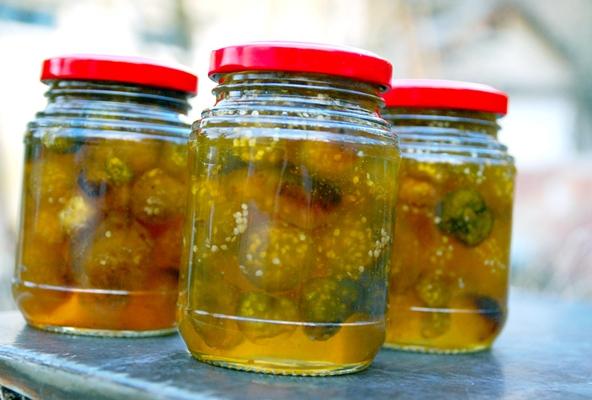
The harvested fruit can be preserved. Typically, homemakers prefer to pickle the fruit. To do this, you'll need:
- ripe fruits of the vegetable physalis;
- clean water - 1.5 liters;
- cloves - to taste;
- bay leaf - to taste;
- black peppercorns - to taste;
- granulated sugar - 0.5 kg;
- 6% table vinegar - 300 ml.
Method of preparation:
- Pour the water into a saucepan, and peel and wash the fruit thoroughly.
- Place spices in sterilized glass jars.
- Dissolve granulated sugar in water, pour in vinegar and prepare a brine.
- Place the berries in the prepared container, pour in the hot brine and roll up.
There's another good way to preserve physalis with salt. To do this, you'll need:
- ripe physalis fruits;
- purified water - 1.5 liters;
- table salt - 1 tbsp;
- currant leaves - to taste;
- bay leaf - to taste;
- dill herb - to taste;
- garlic - 3-4 cloves;
- capsicum - to taste;
- mint - 2 sprigs.
Preparation method:
- Place spices, garlic and pepper into a prepared glass container.
- Place peeled and washed fruits on top.
- A brine is prepared from water and salt, which is poured into the jars to the top and sealed.
Physalis can be preserved along with other vegetables. Fruit varieties are used to make delicious jam, the preparation technology of which is no different from any other.

Drying
Dried physalis tastes very similar to raisins. Drying is done in an oven or outdoors, weather permitting. Before drying, the fruits are carefully sorted and peeled. The oven is preheated to 40°C. Place a baking sheet with the berries inside and leave for several hours. Turn the berries over periodically.
If drying outdoors, the selected and cleaned berries are also spread out on a baking sheet or newspaper and exposed to the sun. They are moved periodically throughout the day. This method of harvesting takes several days.
The taste of products prepared in two different ways is no different.

Related posts:
 Recipes for preparing vegetable and dessert physalis for the winter at home
 Symptoms and causes of physalis diseases and insect pests
 Planting and caring for physalis in open ground, growing and how to harvest
 The most delicious recipes for making physalis jam for the winter, how to make jam and store it
 How to grow physalis at home from seeds and care for the crop
 21 step-by-step recipes for making zucchini jam for the winter
 80 Best Eggplant Varieties for Different Regions with Descriptions and Characteristics
 Description and characteristics of the 40 best blackberry varieties, yield indicators