
- Possible diseases of physalis
- White or gray rot
- Watery rot
- Late blight
- Alternaria
- Fusarium
- Penicillosis
- Mosaic
- Plant pests
- Slugs
- Caterpillars
- Mole crickets
- Colorado beetle
- Methods of combating diseases and pests
- Various types of rot are also treated with fungicides.
- Why are the leaves of the plant turning yellow?
- Possible causes of yellow spots
Few gardeners grow physalis. Despite its beneficial properties and ease of cultivation, it's not as common as other vegetables or berries. Some gardeners skip the edible physalis, planting only the ornamental variety, which graces the garden until late autumn. However, those gardeners who think this is a plant they plant and forget are mistaken. The fact that physalis is susceptible to diseases is clear from the fact that it belongs to the same family as eggplant, tomatoes, and other nightshade crops.
Possible diseases of physalis
Mexican and strawberry physalis are both recognized as edible. The Mexican physalis is grown for its pleasant-tasting, sweet, slightly tart fruit. It takes 120 days to grow and begin bearing fruit, so it's sown directly into the garden. However, to avoid any unexpected surprises, seedlings are sometimes first grown in a greenhouse.
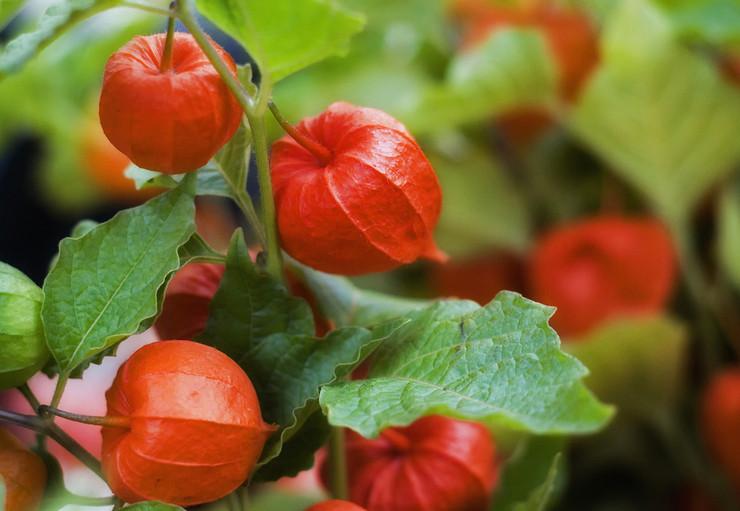
Physalis fruits are used to make jams, jellies, and preserves. They are also pickled and marinated, like tomatoes. Although tomatoes and physalis are from the same family, due to their limited distribution, the plant is more disease-resistant than other nightshade crops. However, physalis is sometimes susceptible to diseases, including:
- blackleg;
- late blight;
- mosaic;
- Alternaria;
- penicillosis;
- fusarium;
- watery rot.
Harmful insects that attack the plant: mole crickets, Colorado potato beetles, wireworms, slugs, can also destroy it.
White or gray rot
The causes of physalis diseases vary, but they all boil down to improper plant care and unsuitable growing conditions:
- The disease affects all green parts of the plant: leaves, stems, and fruits. Initially, the affected tissues turn yellow, later developing a foul, slimy liquid.
- After a while, parts of the plant become covered with a whitish coating, in which the mushrooms are in a dormant state.
- The white rot that affects the fruits makes them soft, their shell bursts, and a white-gray coating, like dirty cotton wool, forms on it - the mycelium.
The pathogen can remain viable for a long time in the soil and on dead plant parts.
Signs of gray mold appear on stems, tops of shoots, and fruits in the form of irregularly shaped brown spots that spread, and then a dirty white coating containing fungal spores forms on them.
Due to the deep penetration of the fungus into the tissues of the shoots, the stems dry out and die.
Watery rot
An infectious disease that is not easy to get rid of:
- The disease begins to manifest itself with the wilting of the stems and shoots.
- Later, waterlogged gray spots form on the fruit. The fruit bursts at these spots, and a coating of fuzz (fungal spores) appears.
- The fruits become soft, they smell foul of rot, and they completely decompose.
If the first signs of disease are detected, all diseased fruits are immediately picked off and only then treatment (spraying) begins.
Late blight
The disease is caused by a fungus that kills many garden crops. The disease is dangerous because it reaches epidemic proportions, devastating plants at the very root.
Rainy summers accelerate the development of late blight:
- At first, the fungi are not visible; they grow on the underside of the leaves, but rain washes the spores into the soil, where the fungi attack the roots.
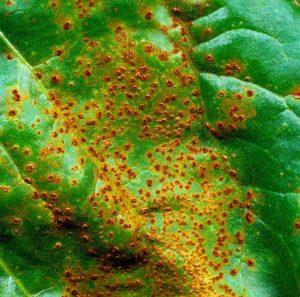
- Brown spots appear on stems and leaves, where a dirty-white, fluffy layer forms. These are home to fungal spores, ready to spread to other greenery.
Brown spots with a white border on the outer leaves and a gray coating on the inner ones are signs of late blight. In just two weeks, healthy plants turn into rotting fragments.
Alternaria
Signs of the disease are visible on the stems, leaves, and petioles. Brown spots appear, small at first, then growing and joining together. The stems become thinner, dry out, and break. The physalis dies.
Infection often comes from soil or diseased seeds.
Fusarium
The disease manifests itself throughout the entire growth and development of the physalis. It wilts throughout its life. Fusarium wilt begins in the root system and lives in the plant tissue, feeding on the sap. It spreads from the roots to the green parts. Physalis bushes turn brown, dry out, and the plant dies long before it begins to bear fruit. Sometimes, in favorable weather, the fruits ripen, but they too become infected. Such fruits do not store well: they turn brown and rot.
Penicillosis
The disease often begins at sites of mechanical damage to the fruit. The infected areas turn brown, then become covered with a greenish mold-like layer, which harbors fungal spores. Such fruit is unfit for consumption.
Mosaic
A very dangerous virus transmitted by aphids. Initially, yellow spots appear on the leaves. Over time, green mosaic patterns develop. The foliage loses its shape and becomes wrinkled.
In addition, growths like enormous calluses develop on the surface of the leaves. If the plant does produce fruit, they are few and malformed.
Plant pests
Physalis can be no less harmed by parasitic insects than by diseases, which can even cause the bushes to die.
Slugs
Gastropods have naked bodies and no shells. Their tentacles are located on their heads.
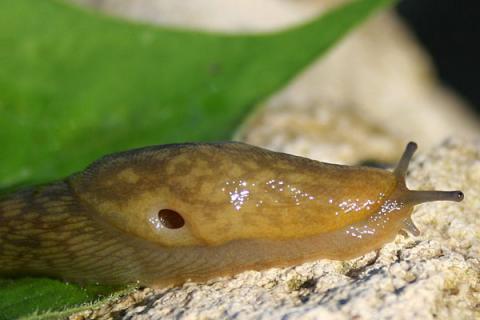
Slugs feed on greenery, completely stripping the leaves, leaving behind the veins. Their activity is visible by the gray slime they leave behind. Moreover, several species of mollusks can live on a single physalis plant.
Caterpillars
Numerous caterpillars of various cutworms parasitize the physalis plant, feeding on its greenery. They completely strip the leaves, nip at the stems and shoots, and lay eggs for a new generation of parasites.
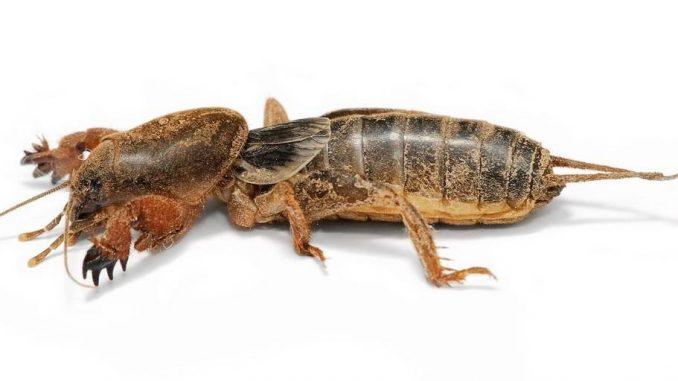
Mole crickets
These are soil-dwelling insects. They feed on the roots of physalis. They also eat the roots and stems. The insects are no more than 0.5 cm long. They spend the winter as larvae or adults, burrowing into the soil, often in manure. With the onset of warmer weather, the mole cricket becomes active, consuming crops.
Colorado beetle
Like all nightshade crops, this beetle loves to feed on the leaves of physalis. It's a cunning enemy of the garden. The striped insects and their red larvae are extremely voracious. Only skeletons remain of the physalis foliage. The insect overwinters in the soil and begins to eat the leaves in the spring.
Methods of combating diseases and pests
It's best to begin treating physalis for diseases before planting, meaning taking preventative measures to prevent their occurrence. The following preventative measures are recommended:
- Before sowing, treat the seeds with a weak solution of potassium permanganate or a store-bought solution, which offers a wide selection. It's safer to harvest the seeds yourself or buy them from reputable producers.
- You cannot plant physalis where other crops of this family grew, or even nearby, for at least 3 years.
- Before planting, spray the area with 1% Bordeaux mixture or copper sulfate.
The key to healthy plants is proper care: timely watering, feeding, loosening the soil, and promptly removing weeds.If the disease hasn't been avoided and signs of it are visible on the physalis, urgent measures must be taken to save the plants. Inaction is unacceptable.Late blight is treated with fungicides that contain copper, phosphorus, and aluminum. Fungi hate copper, so they are sprayed with these compounds.
Various types of rot are also treated with fungicides.
To protect physalis from watery rot, antibiotics suitable for human use are used. The following have proven effective:
- "Oletetrin";
- "Levomycetin";
- Erythromycin;
- "Fuziderm" and others.
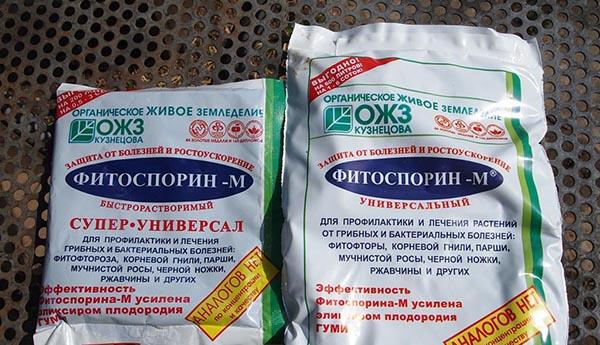
Spray the plant with an antibiotic at least three times, preparing a fresh solution each time. Dilute the antibiotic in water and water the plant at the roots.It's important to remember that treating the soil with antibiotics will kill beneficial living microorganisms. Products such as Fitosporin, Gamair, and similar medications are effective only at the onset of the disease.
To combat insect pests, physalis is sprayed with Actellic, Decis, and similar products. These are not as toxic as fungicides. Colorado potato beetles and their larvae are collected by hand.
There are many products for controlling insect pests, but the main thing is to strictly follow the instructions when using them.
Why are the leaves of the plant turning yellow?
Physalis foliage often turns yellow, wilts, and falls off. This occurs due to several factors:
- The plant is experiencing a nutrient deficiency. It lacks nitrogen. It needs to be fed with ammonium nitrate. Dilute 2 tablespoons of the substance in 10 liters of water and water the plants at the roots.
- The bushes are planted too close together. They lack fresh air due to lack of ventilation and light. The leaves turn yellow and dry out.
- Yellowing of foliage can be caused by mosaic disease. The disease is treated with fungicides.
In any case, it is advisable to remove and burn yellow leaves, as viruses and fungal spores can live for a long time on dead fragments.
Possible causes of yellow spots
When spots appear on physalis leaves, a gardener should be alerted. Light spots indicate sunburn. Alternatively, the burn may be chemical in origin, indicating an excess of nutrients in the soil, which could be caused by overfeeding with organic matter or growth enhancers.
The appearance of yellow spots on the leaves indicates a dangerous mosaic disease. It's best to remove and destroy the spotted foliage, regardless of the cause. Physalis is a resilient plant, both as an ornamental and a vegetable. With proper care, the bright lantern-like plants will decorate any garden and produce healthy, delicious fruit.
Related posts:
 Recipes for preparing vegetable and dessert physalis for the winter at home
 Planting and caring for physalis in open ground, growing and how to harvest
 The most delicious recipes for making physalis jam for the winter, how to make jam and store it
 Preparing physalis vegetables for the winter using canning and drying methods; can they be frozen?
 How to grow physalis at home from seeds and care for the crop
 Causes and treatment of eggplant pests and diseases, how to combat them at home
 Causes and symptoms of 30 plum diseases, treatment and pest control
 21 step-by-step recipes for making zucchini jam for the winter