
- Irises - growing features
- Selecting a variety
- Necessary conditions
- Site and lighting requirements
- The best neighbors for irises
- Planting times in different regions
- In the spring
- In the fall
- Growing instructions
- Preparing a flower bed
- The scheme and depth of planting bulbs or rhizomes
- Further care
- Watering and fertilizing
- Protection from pests and diseases
- Preparing seedlings for winter
- Reproduction
- Propagation by roots
- Seeds
- Mistakes of novice gardeners
Irises top the list of common garden plants; planting and caring for them outdoors is easy and doesn't take much time. Florists and landscape designers alike have fallen in love with these plants for their intricate curves and incredibly wide range of colors.
Irises - growing features
This plant is particularly popular in gardening due to its ornamental appearance. Irises have gained popularity due to their rich color palette. These iridescent flowers attract attention with their abundant blooms in the spring and summer. With proper care, many of them bloom a second time in late August or early September. The full beauty of the iris blossoms is revealed 2-3 years after planting. Planting irises is within the skill of any gardener. It's important to know certain rules and recommendations for site selection, planting time, and soil composition.
Selecting a variety
Siberian varieties of irises In comfortable conditions, they can delight for up to 30 years without replanting, growing into clumps up to 2.5 meters in diameter. Bearded irises are popular; they should be divided after 7-8 years, while actively growing varieties should be divided every 3-4 years, as the rhizomes grow and the older branches located in the center of the clump die. This reduces flowering and the decorative appearance of the plantings.
Necessary conditions
These unique flowers will thrive in slightly acidic or alkaline soil. If your soil is acidic, you can neutralize it by adding ash or lime. Bearded irises also thrive in rocky soil. Protecting the site from wind is crucial. Iris varieties with large flowers and tall stems should be tied to a support with soft tape beforehand.
Site and lighting requirements
When choosing a location in your garden, it's important to consider the variety of iris. Bearded irises prefer moderate light, but prefer full sun before midday. Planting them at an elevated site is recommended to prevent waterlogging.
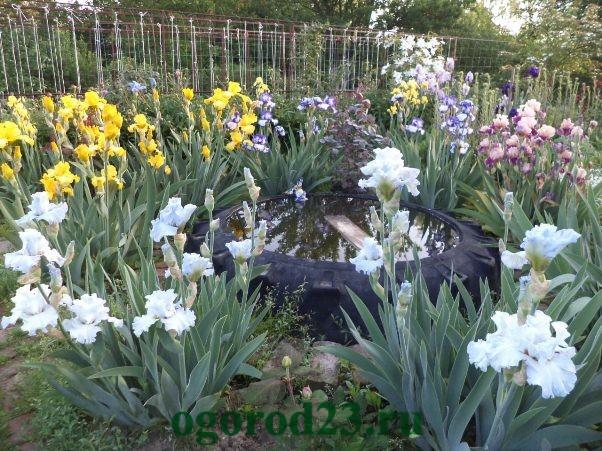
Marsh and Siberian irises are able to grow fully in both shade and sun in marshy areas.
The best neighbors for irises
Conifers, daylilies, delphiniums, and poppies are considered excellent neighbors for unusual irises.
Important! Iris roots are located near the soil surface. Therefore, it is recommended to plant crops with deeper root systems near them, as irises can crowd out perennials if they grow too large.
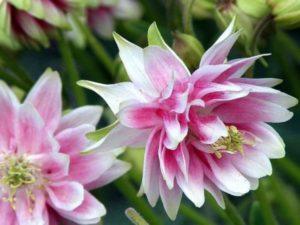
When used in a garden, unique irises will create a striking appearance, standing out from the crowd of other garden plants. It's important to plant them correctly by size, while also considering their compatibility with other plants in the flowerbeds.
Also pay attention to the color of the irises, maintain contrast, and do not place similarly colored crops close together.
Planting times in different regions
It's best to plant beautiful irises in July, August, or September. Planting schedules depend on climate and weather conditions.
In the spring
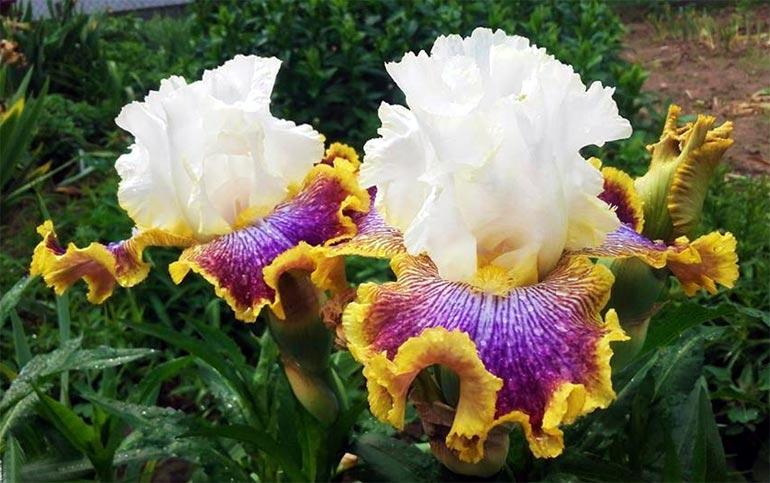
In the Moscow region, flowers can be planted in the spring, when the soil has warmed up well. This period usually occurs in April or May. In the temperate zone, spring planting is also practiced, as in these regions, planting irises in the fall is not recommended due to the rapid cold snap, which prevents the plants from establishing proper roots before the frost.
In the fall
Proper and, most importantly, timely planting of these unusual irises in the fall will allow them to survive the winter without loss and surprise you with a colorful and lush display of blooms in the spring. In cold climates, planting should be done in late August. In southern latitudes, weather permits planting until the end of October.
Growing instructions
Before decorating your property with this rainbow flower, you need to familiarize yourself with the specifics of its cultivation and care.
Preparing a flower bed
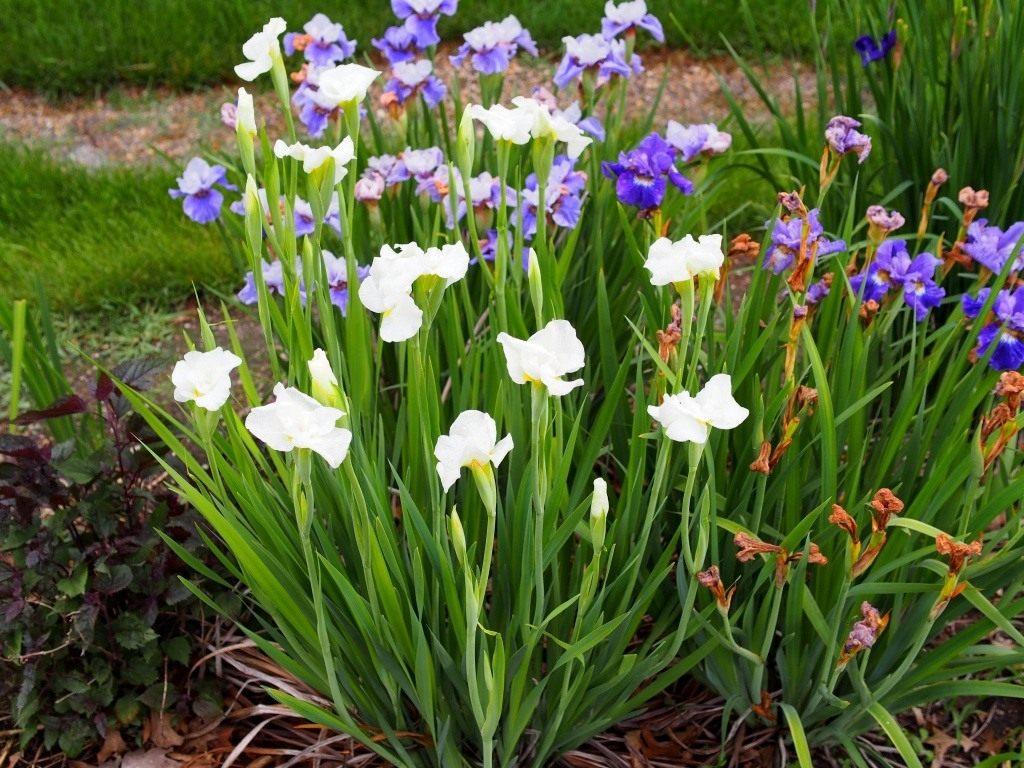
Before planting, the flowerbed should be dug to the depth of a spade and any weeds removed. Herbicides can be applied to prevent weed growth, and fungicides can be applied to prevent fungal diseases. Fertilizer should be applied 7-10 days before planting. It's important to note that this plant thrives in poor soil rather than overly rich soil. Micronutrients are also suitable.
Important! It is not recommended to use organic matter to avoid rhizome rot.
The scheme and depth of planting bulbs or rhizomes
The growing procedure depends on the type of plant: rhizomatous or bulbous.
The order of planting root varieties of ornamental irises:
- Dig planting holes, forming mounds 2-3 cm high in the center. Space the irises 20-40 cm apart.
- Place the roots of the seedling on a raised area, straightening and distributing the roots along the slopes.
- Press down lightly and sprinkle with nutrient-rich soil. Plant the rhizomes superficially, not digging them deeply into the soil, and arrange the fan of foliage vertically.
- Sprinkle the plants with coarse sand; it will protect them from the sun, allow air to pass through, and also prevent root rot.
- Water the planted plant. Each bush should receive 0.5 liters.
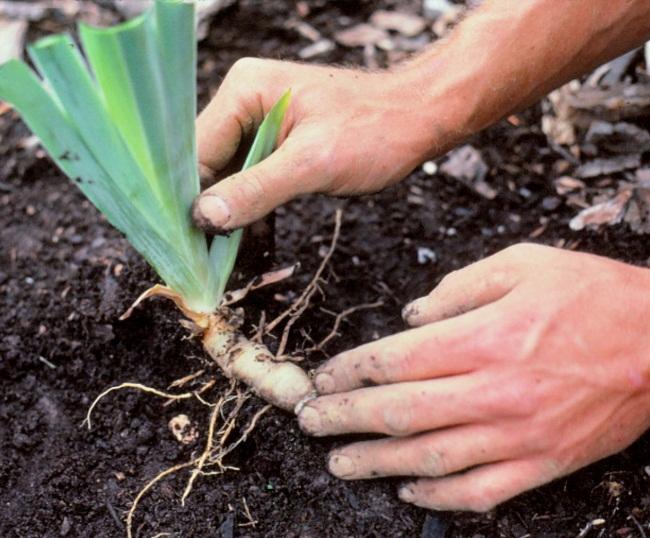
Plant bulbous irises in holes three times the height of the planting material. Top with a loose layer of soil mixture containing sand and nutrient-rich soil. Maintain a distance of 10-15 cm between plants.
Further care
A perennial can decorate a garden for a long time, bringing joy to its owner. You just need to know how to properly care for it.
Take a look Also
Watering and fertilizing
All garden iris varieties, except marsh irises, demonstrate drought tolerance. Water them only during severe drought, after the soil has dried out, and when fertilizing. Water in the evening, avoiding direct watering. To ensure complete rest during the transition to winter, watering should be stopped in September. Experienced gardeners recommend fertilizing this plant starting in its third year of growth.
Feeding schedule:
- Early spring.
- At the moment of bud appearance.
- Rhizomes - in August, bulbous ones a month after flowering.

Use micronutrient fertilizers (potassium, phosphorus, nitrogen) and apply them as a solution to the roots, being careful not to let the solution come into contact with the iris foliage. It's a good idea to loosen the soil before applying.
Important! Fertilize after watering or rain, as iris roots are at risk of being burned.
Protection from pests and diseases
In extremely dry conditions, harmful insects like spider mites can take up residence on the plant's leaves, and thrips can attack the flowers. Insecticides can help combat these pesky pests.
Irises can also be damaged by ants that nest near the plant's rhizomes. Ant repellents for garden ants will help get rid of these pesky insects.
Irises are susceptible to diseases such as rust, bacterial wilt, and fusarium. Infected plants are severely stunted, lose foliage, and their roots emit a pungent rotten odor. Eventually, the plant dies. Iris diseases are caused by gross violations of agricultural practices, such as overwatering, the use of fresh manure, and excessive use of mineral fertilizers.
The distribution area of irises is so wide that each region has its own specific infections and parasites, so the search for ways to combat them should be based on local conditions.
Preparing seedlings for winter
Preparation for winter begins when the flower stalks drop. Fertilize the plants with mineral fertilizers and trim the foliage. During winter, caring for iris plants involves covering the rhizomes, as they are located near the ground surface. Therefore, before frost, it's important to cover the exposed rhizomes of perennials with dry soil and then apply an 8-10 cm layer of peat or sand mulch. In winters with little snow, try covering them with dry leaves or spruce branches. When insulating the bushes, ensure adequate ventilation of the rhizomes.
Reproduction
Irises can be propagated vegetatively (by dividing the rhizome). This is the easiest way to grow beautiful, large iris bushes. You can also try propagating the flower from seeds.
Propagation by roots
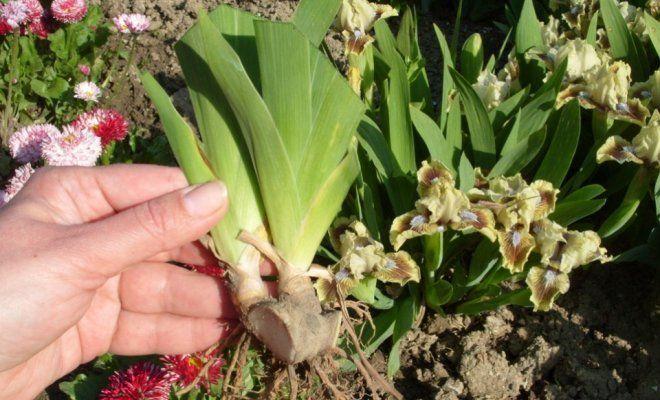
Irises grow in the same spot for 10 years, but after 4-5 years, it is recommended to dig them up, then divide and replant them. The best time to do this is immediately after flowering for one month. Dig up the rhizomes, cut the foliage 10-15 cm from the base, and divide into 3-4 cm long sections. Each section should have 2-3 buds and 2-3 links. It is important to treat the cuts with crushed charcoal. Plant the plants in holes or furrows, deepening them 3-4 cm, 24 hours after dividing, as the cuts need to dry out to prevent rotting in the soil.
Tip! For tall iris varieties, maintain a distance of 50 x 50 cm between plantings and rows; for medium-sized varieties, 30 x 30 cm; and for dwarf irises, 10 x 15 cm.
Seeds
Only perennial varieties can be grown this way, as seedlings do not retain the varietal characteristics of their parents. To do this, in the fall, after harvesting the seeds, sow them in a bed of loose, well-fertilized soil to a depth of 1.5-2 cm. Seedlings will quickly emerge in the spring. Space them 5-10 cm apart. Transplant them into a permanent flowerbed after two years, and they will bloom in the third or fourth year.
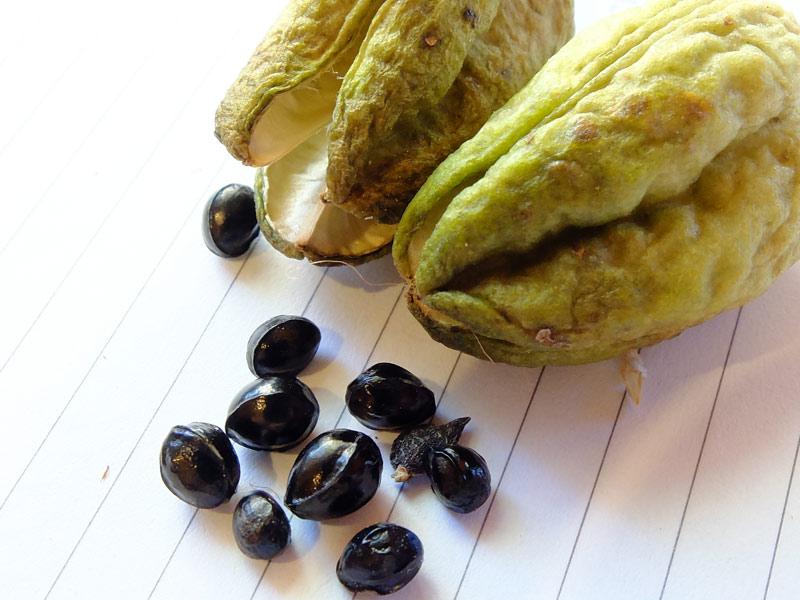
If planting is planned for spring, stratify the iris seeds in advance for 1.5–2 months. To do this, place them in a bag filled with sand and store in a cool place.
Mistakes of novice gardeners
When purchasing irises, many gardeners don't bother with their cultivation techniques, their characteristics, or even know the variety's name. Common mistakes when growing this perennial include:
- Iris bushes are losing their decorative appeal. This could be due to poor placement, insufficient light, or unsuitable soil.
- Delayed iris bud opening. This problem may arise due to improper agricultural practices.
- Lack of flowering. This can be caused by factors such as: planting irises too deeply, freezing of buds in winter, poor lighting in the flowerbed, or excessive rhizome growth.
The diversity of species and varieties allows gardeners to choose an unusual flower that will brighten any unassuming corner of their garden. Irises fill the period between spring and summer blooms with their beauty. They are a true rainbow in the garden!
Related posts:
 Description and characteristics of the best varieties and types of irises
 Description of the best varieties of reticulated irises (Denfordia), planting and care, propagation
 When is the best time to transplant irises and how to do it correctly, care after the procedure
 Description of Japanese iris varieties, planting and care in open ground
 Why do irises have only leaves and don't bloom? What to do and how to eliminate the causes
 Description of Siberian iris varieties, planting and care in open ground
 What flowers go well with irises in a flowerbed? What flowers are best to plant them with?
 Description of bearded iris, planting and care in open ground, and preparation for winter