
- Goals and purposes of fertilizers
- How to determine a deficiency of macro- and microfertilizers
- It doesn't bloom
- Clematis has pale green leaves
- The flower is growing poorly.
- What fertilizer does clematis prefer?
- Minerals
- Potassium
- Phosphorus
- Nitrogen
- Organics
- Bird droppings
- Ammonia
- Yeast
- Timing and rules for applying fertilizers
- In the spring
- In summer
- In the fall
- Do clematis need fertilizer when they are being planted in a new location?
- Possible errors
One of the most popular garden plants is the perennial vine clematis. Flowering shrubs are often used in garden design. They are low-maintenance, yet their vibrant flower heads can brighten a veranda or gazebo. Proper care and the right amount of fertilizer are essential to ensure clematis remains a delight to the eye.
Goals and purposes of fertilizers
Ornamental plants won't bloom and thrive without proper care. One important aspect of care is supplying plant tissue with nutrients. Ornamental perennials obtain the nutrients they need for growth from the soil. However, over time, a plot planted with clematis becomes depleted. The main goal of fertilizing is to provide the flowering plant with adequate nutrition. Fertilizer application is tailored to the deficiency or excess of specific elements in the soil.
Clematis will grow and bloom only when it has enough nutrition. It takes a long time for the plant to grow above ground to reach and complete its growing season. Therefore, fertilizing is essential for caring for this beautiful flower.
A gardener can determine the composition and type of fertilizer by carefully observing the condition of the plant's leaves and stems.
At the beginning of the growing season, the perennial will require nitrogenous fertilization. It's best to exclude chlorine from the mixture, as it has a negative effect on the plant. For the formation of buds and flowers, potassium and phosphorus are needed. Nitrogen should be kept to a minimum. Ready-made fertilizer systems take into account the timing of fertilizer application, creating appropriate proportions.
How to determine a deficiency of macro- and microfertilizers
A balanced clematis diet includes a number of elements responsible for the harmonious development and growth of clematis. An experienced gardener can determine if the soil is deficient in nutrients. Based on the condition of the leaves, stunted growth, and lack of flowers, they can determine and prepare the necessary fertilizer.
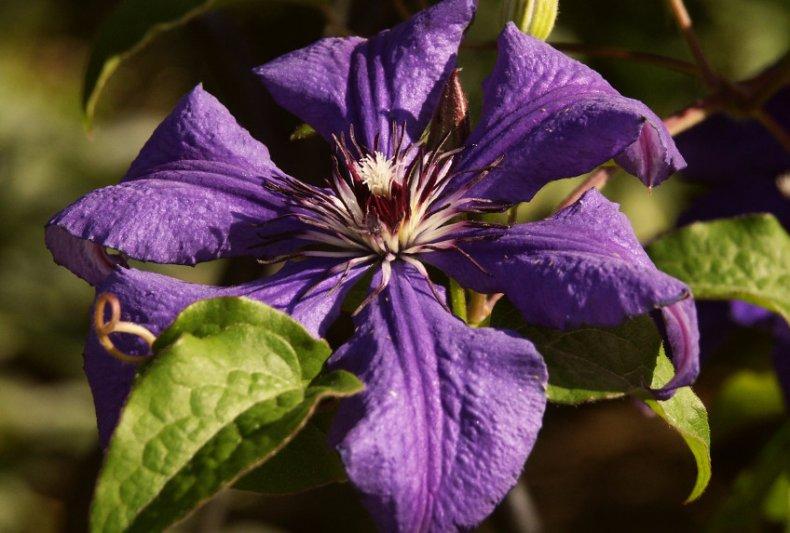
It doesn't bloom
When clematis planted in a plot does not bloom for a long time, the reasons may include the fact that the plant needs:
- good lighting;
- deepening the root collar by 10-15 centimeters;
- complete and regular feeding;
- transplant to a new location.
A potassium deficiency in the soil causes buds to die back or turn black. Clematis bushes bloom poorly if there's too much calcium. The plant won't bloom if it's not pruned. Profusely blooming bushes should be pruned back heavily for the winter.
Clematis has pale green leaves
Anemic, pale leaves of clematis are associated with:
- magnesium deficiency;
- sulfur deficiency;
- lack of iron in the soil.
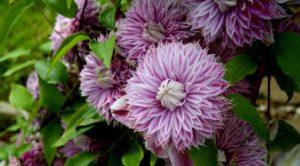

Light chlorotic spots on the leaf surface are associated with impaired oxidation-reduction processes, in which copper plays a significant role. In calcareous soils, the perennial plant requires zinc. However, an abundance of calcium and copper in the soil also leads to pale green foliage in the ornamental plant. This problem can be alleviated by fertilizing with universal fertilizers for flowering perennials.
The flower is growing poorly.
Clematis thrives throughout the growing season if the vines receive sufficient moisture. After watering and rain, loosen the soil around the clematis. This will improve nutrient absorption. The plant will begin to wither if neglected. Fertilize clematis at least twice a season, applying up to 10 liters of fertilizer per plant. This will help the plant regenerate the above-ground growth it sheds before winter.
What fertilizer does clematis prefer?
Some of the key elements clematis needs are found in mineral and organic fertilizers. Growing will not occur in the second year if the soil lacks nitrogen, phosphorus, and potassium. These are the three essential chemical elements without which clematis will die.

Minerals
As part of clematis care, fertilizing with mineral fertilizers is done based on the nutrient density of the soil where the ornamental shrubs are growing. Avoid over-watering with nutrient solutions. Excess is just as harmful to plants as deficiency.
Potassium
Potassium fertilizers most often contain potassium chloride. However, this fertilizer is poorly absorbed, so potassium nitrate is better. Granules are used in the spring. After clematis has finished flowering, potassium sulfate fertilizer is suitable.
Phosphorus
Fertilizers should contain superphosphate. Without phosphorus, the plant will lag behind in development. The stems and leaves will turn brown. To avoid phosphorus deficiency, clematis should be fed with Fertika before flowering. Bone meal also contains an important element. Acidic soil should be fertilized with phosphate rock. Use granules for top dressing, or prepare a nutrient solution and water the clematis bushes.

Nitrogen
In the third or fourth year of life, the plant should be fed with nitrogen-containing granules. Fertilize in the spring, as soon as the soil warms. Apply the fertilizer dry, then water the soil. Solutions of ammonium nitrate, urea, and ammophoska are suitable for this purpose.
Organics
Organic fertilizers are used to care for clematis. They contain essential elements for the plant and won't harm the soil microflora. You can also feed it with rotted manure or bird droppings. Folk remedies are also used to fertilize the area under ornamental plants.
Bird droppings
Chicken manure can improve soil fertility faster than manure. However, the concentration of dry manure in the solution should be low: 1 part organic matter to 15 parts water. After soaking for a week, water the clematis. The solution is used in the spring because it contains a lot of nitrogen. Use bird manure carefully to avoid burning the plant's roots and stems.
Ammonia
Nitrogen is best absorbed from an ammonia solution. Root feeding is done using a solution of one tablespoon of ammonia per bucket of water.
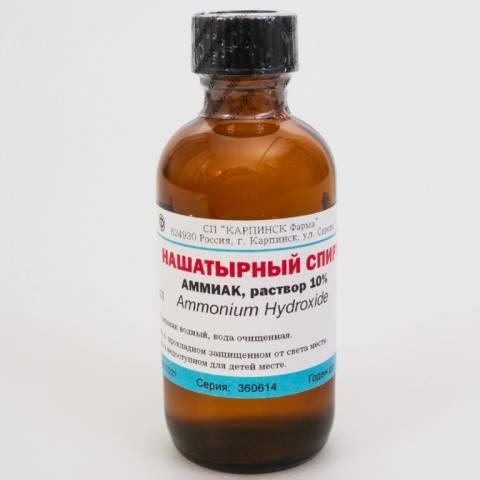
The proportions for preparation must be strictly observed, as excess nitrogen in the soil prevents clematis from blooming. The plants are more susceptible to fungal diseases.
Yeast
Yeast infusion feeding is used in order to:
- strengthen the root system of clematis;
- stimulate the growth of beneficial bacteria in the soil;
- make plants resistant to diseases.
Pour 7 buckets of water into a barrel, adding a bucket of chopped grass, half a loaf of bread, and 500 grams of fresh yeast. Let it steep for 2-3 days. Before watering in the spring, dilute the infusion with water at a ratio of 1:5.
Foliar feeding with yeast infusion is beneficial in spring and summer. The first spray is applied when buds appear. Simply add 100 grams of live yeast per liter of water. After 5 hours, add 14 liters of water. Strain the infusion before applying to the leaves.

Timing and rules for applying fertilizers
Varietal clematis are known for their long flowering period. This is achieved with proper care. If you fertilize this ornamental plant regularly, four times a season, the plant will maintain its appearance and health. Without timely fertilization, the plant will not display its varietal characteristics. The shoots will be less dense, and the flowers will be smaller in diameter.
The usual way to fertilize clematis is to water the roots with a nutrient solution.
In the spring
Fertilizers are applied for the first time in the spring, in April. By this time, the soil should have warmed to 10 degrees Celsius. A solution of mullein should be prepared at a ratio of 1:8 or bird droppings at a ratio of 1:15. Repeat the process after two weeks. The first leaves will appear, and they will need nitrogen for growth. It's best to spray clematis with a solution of 1 liter of water and 3 grams of urea.
Weed and lawn grass infusions, which contain a lot of nitrogen, are used. First, fill a third of a barrel with grass, then add rotted manure, and then fill with water. After the characteristic fermentation odor appears after 15 days, dilute the infusion with water to a concentration of 1:10 and water the flowers.
In summer
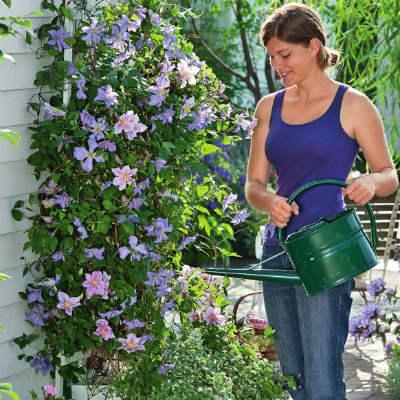
Before flowering, ornamental shrubs are watered with a solution containing phosphorus and potassium sulfate. For better phosphorus absorption, foliar feeding with magnesium sulfate is applied 2-3 weeks later. In August, a complex fertilizer should be used. A universal fertilizer with a balanced composition of nutrients is recommended. The best fertilizer for clematis is "Fertika Autumn."
In the fall
After clematis have finished blooming, they need to be fed. Fertilizers containing phosphorus, potassium, and nitrogen in appropriate doses are used. In September, it's a good idea to sprinkle the area with wood ash, which contains everything the plant needs to survive the winter. Adding bone meal to the soil will provide sufficient phosphorus and calcium. These nutrients will be broken down by soil microorganisms over the winter, enriching the soil. For top dressing, use a wood ash solution. Dissolve a liter of dry ash in a bucket of water. After two days, dilute the solution with another 10 liters of water. Water in a 30-centimeter circle around the bush.
Do clematis need fertilizer when they are being planted in a new location?
The plant has difficulty replanting due to its complex root system. However, if replanting is necessary, here's what to do:
- the soil is depleted;
- clematis has little space;
- the flower is growing poorly, it is sick,
Then it's absolutely necessary to repot it. It shouldn't be kept in one place for more than 25 years.

It's best to transplant the bush to its new location in the spring, allowing it time to adapt before the cold weather sets in. Fill the planting hole with nutritious soil. The topsoil should be mixed with humus and a fertilizer blend. Superphosphate, potassium salt, and nitrogen compounds are essential. A little sand can be added at the end.
The mature plant is carefully dug up, taking care not to damage the strong root system. It is then transferred to a new site, into a pre-dug hole. After filling with soil, ensure the root collar is buried 10-15 centimeters deep. After planting, water and apply a layer of mulch. After planting, clematis should not be fertilized for 2-3 years. The plant's nutrient reserves will be sufficient for full flowering and growth.
Possible errors
One of the common problems when growing clematis is not knowing what kind of soil each variety prefers. Large-flowered hybrids prefer acidic soil. In this case, avoid adding lime to the soil to alkalize it.
Before planting clematis, pay attention to the soil temperature. The soil should be warm at a depth of 20-30 centimeters. Otherwise, the plant will grow poorly and stunt its development. However, fertilizing the bushes with nitrogen 2-3 times can prevent this. Don't forget to fertilize and water clematis thoroughly; this is the only way to avoid weakening its immune system. A strong plant is resistant to pests and diseases.
Related posts:
 How to propagate clematis at home: timing, methods, and technologies
 Description and characteristics of the clematis variety Comtesse de Bouchaud, planting and care instructions
 Description and pruning group of clematis Ashva, the subtleties of growing and care
 Description of the best varieties of Tangut clematis, planting, growing and care
 Description of Jackman's clematis varieties and pruning group, cultivation and propagation
 Causes and symptoms of clematis diseases, treatment methods and prevention
 Description and pruning group of clematis Cardinal Wyszynski, cultivation and care
 Description and characteristics of the clematis variety Kaiser, planting and care, pruning group