
- Description and characteristics of the flower
- Selection of varieties and growing regions
- Pros and cons of using in landscape design
- Planting and caring for clematis Taiga
- Site selection and preparation
- Timing and technology of planting
- Necessary conditions for growth and flowering
- Watering and fertilizing regime
- Bush formation: pruning and garter
- Mulching and loosening
- Preparing for winter
- Diseases and pests: prevention and treatment
- Methods of reproduction
- Cuttings
- Dividing the bush
- Layering
- Reviews of Clematis Taiga
Clematis, members of the Ranunculaceae family, are enriched with new varieties and hybrids every year. Thanks to their low maintenance and high decorative qualities, these flowers find a place in many gardens. One of the latest varieties of this plant is the clematis called Taiga. Its densely double buds become the focal point of the arrangement, attracting admiring glances.
Description and characteristics of the flower
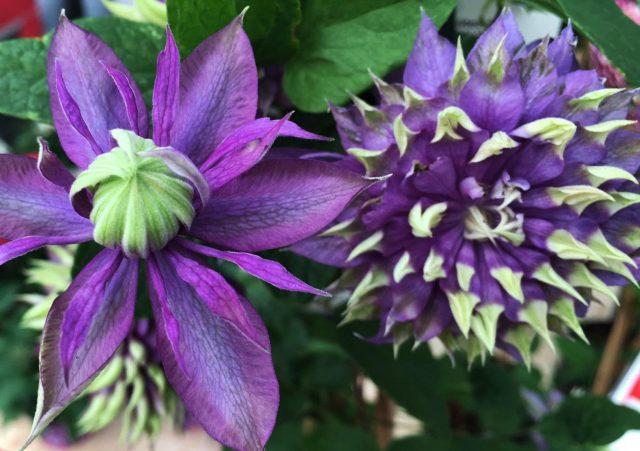
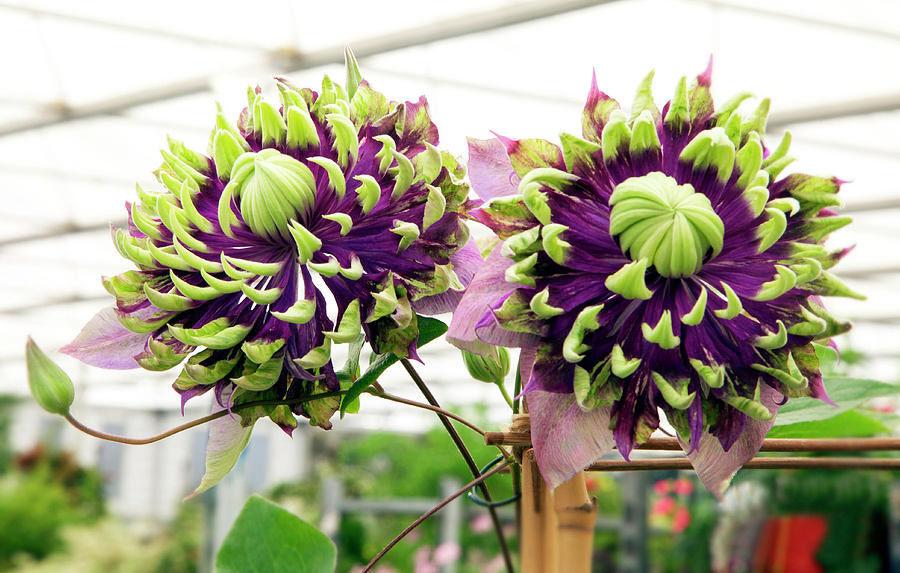
The Taiga clematis variety is a perennial climbing plant characterized by rapid growth and abundant flowering. The bush grows up to 1 meter wide and, with proper cultivation, up to 2.5 meters in height. The strikingly beautiful double flowers are the main attraction of this clematis variety. Throughout their development, they change shape from simple to more complex, and are characterized by a purple-lemon color. The first buds appear in mid-July and adorn the bush until September. They are quite large, ranging from 12 to 15 cm in diameter.
The striking two-tone coloring is what catches the eye and makes the Taiga clematis a favorite among other varieties. The petals at the edges of the bud are a solid purple hue. The rest are either half-colored or lemon-yellow. The leaves of this clematis have smooth edges and are dark green and can be heart-shaped, trifoliate, or single. They have small stalks that allow the plant to easily cling to supports.
Selection of varieties and growing regions
Not all regions are suitable for growing this variety. According to the variety description, it is planted in temperate and subtropical climates—levels 6-9. Winter temperatures should not fall below 23 degrees Celsius, otherwise the plant will die. However, clematis does not require shelter at temperatures below -15 degrees Celsius.
The Taiga variety is young—it was first introduced to gardeners in 2016. It was developed by a Japanese breeder. The new variety immediately won a silver medal at the Planetarium exhibition in Holland and, most importantly, recognition from gardeners worldwide.
Pros and cons of using in landscape design
Each variety of clematis has not only its advantages, but also disadvantages, so pay attention to these before purchasing seedlings.
Among the advantages of Taiga, gardeners note:
- The unusual double shape of the flowers and the characteristic two-tone color of the petals.
- Since the flower goes through three stages in its development, this allows you to enjoy flowering for a long time.
- The vine is 2.5 meters long, which allows it to be used to decorate fences, decorate the walls of buildings, and as the central accent of a flower arrangement.
- Disease resistance and frost resistance.
Japanese clematis does have its downsides, but they are not as numerous as its advantages:
- For growing, you will need a well-lit area, as the plant does not tolerate shaded areas well - in such conditions, the color of the buds will not be as rich.
- Susceptibility to fungal diseases if agricultural practices are not followed.
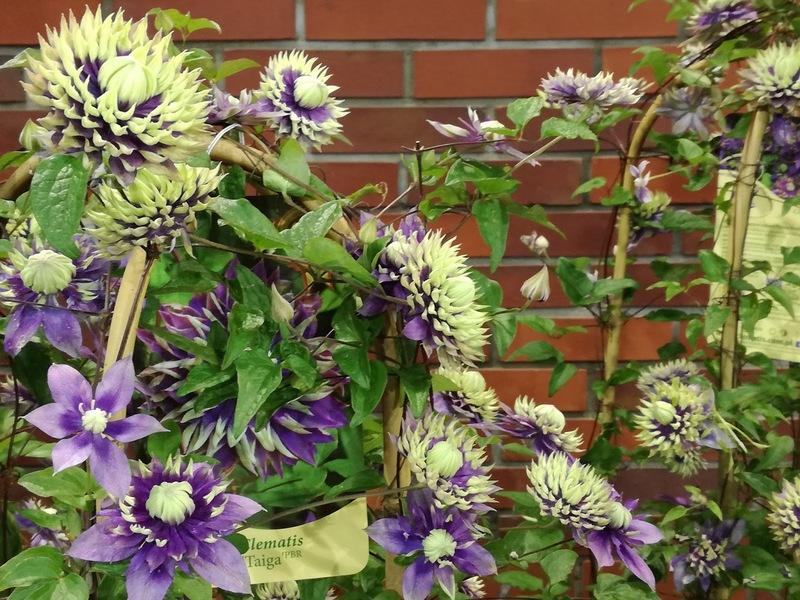
Clematis from Japanese breeders is an ideal option for decorating a garden plot.
Planting and caring for clematis Taiga
The health of the plant and its decorative characteristics directly depend on compliance with the rules for planting and subsequent agricultural care.
Site selection and preparation
For perennial vines, choose the optimal location immediately to avoid replanting later. The soil should be well-drained and fertile. Stagnant water is unacceptable in the area. A slightly acidic or neutral level is preferred.
Once the site has been selected, it's time to prepare it. They dig the soil and remove weed roots. They dig a hole and mix the excavated soil with the following ingredients:
- 1 bucket of peat;
- 2 buckets of humus;
- 150 grams of lime;
- 1 bucket of sand;
- 150 grams of mineral fertilizers;
- 100 grams of wood ash;
- 100 grams of superphosphate.
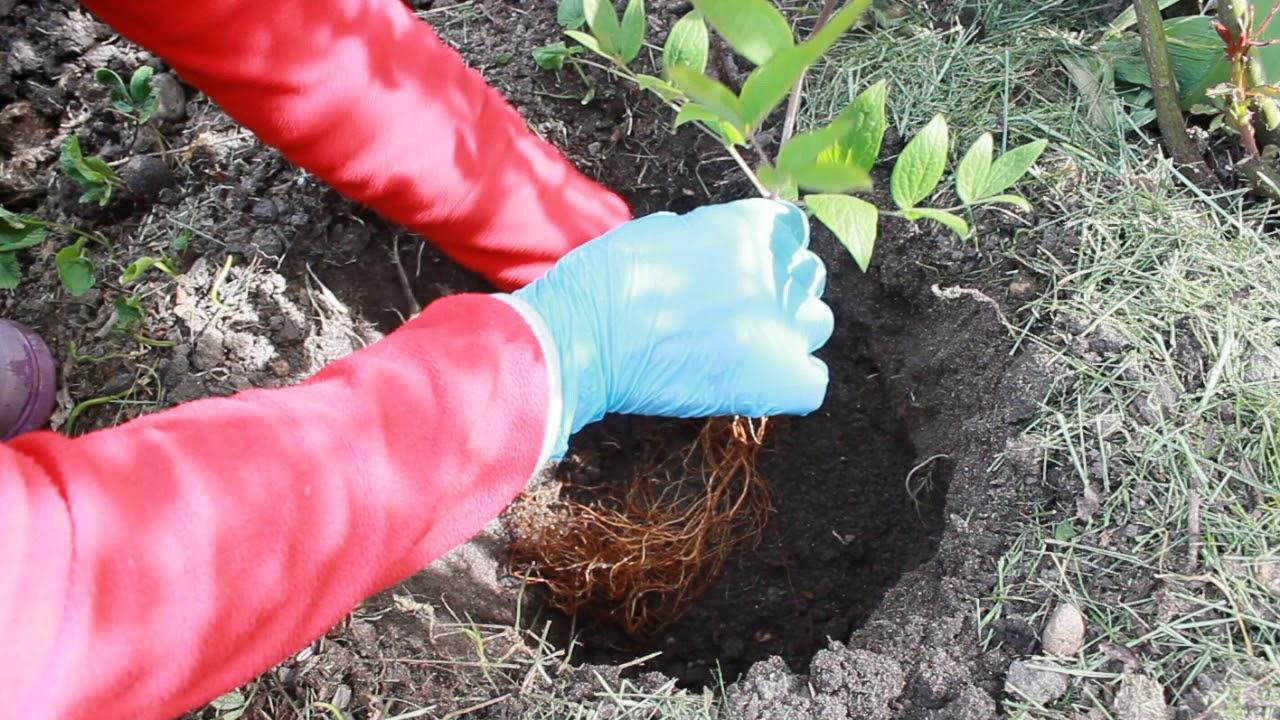
It's also worth preparing the seedling for planting. Experienced gardeners recommend purchasing young clematis with a closed root system; these specimens adapt more quickly to their new location and begin flowering. If the seedling is bare-root, ensure that the roots are no longer than 10 cm. Immediately before planting, soak the clematis in water for 20 minutes.
Timing and technology of planting
The timing of planting Taiga clematis depends on the gardener's region. Typically, it begins in late April and continues throughout May. It is also possible to plant the plant in the fall, but it is best done in the first month of autumn to allow the plant to establish roots before the first frost.
If clematis is planted near buildings or fences, maintain a distance of at least 30 cm. In flowerbeds, maintain a distance of 1.5 meters between plants to prevent them from competing for nutrients and from becoming entangled with each other's roots.
Instructions for planting clematis of the Taiga variety:
- Dig a hole 60 cm deep.
- A 10 cm drainage layer is placed on its bottom - broken bricks or crushed stone are used.
- The top is covered with soil mixed with additional components.
- A clematis seedling is placed on it and the roots are straightened.
- Fill with the remaining soil, lightly compact with your hands and water.


To initially protect plants from the scorching sun rays, low annual plants are planted around them.
Necessary conditions for growth and flowering
To ensure this clematis variety grows and develops fully and delights the gardener with lush blooms, it's essential to follow proper gardening practices. These include watering, fertilizing, pruning, preparing for winter, and disease and pest prevention. Ensure the clematis isn't shaded by other plants or buildings, and protect it from strong winds and drafts.
Watering and fertilizing regime
Clematis needs abundant watering most in the first few years after planting. To do this, pour 2-3 buckets of water under each seedling. Then, during the hot summer months, water the plants 2-3 times a week, also wetting the leaves. It's recommended to water the plants in the evenings, when the sun is out of the way. If the plant doesn't get enough water, the flowers will become smaller.
During the first season after planting, avoid adding nutrients; the clematis thrives on the nutrients added to the hole. Starting the following year, fertilize the plant twice a month throughout the spring and summer. Gardeners recommend alternating mineral and organic fertilizers. Under no circumstances should fresh manure be used to feed clematis.

Bush formation: pruning and garter
The Taiga clematis belongs to Group 3, so it will require drastic pruning. With the onset of cold weather, remove all dead and diseased shoots, and shorten the remaining shoots almost to the ground. In the first year, leave no more than 20 cm of plant above ground, and in subsequent years, no more than 50 cm.
To ensure the vine grows well and looks decorative, it is tied to special support trellises, which can easily be made at home.
Mulching and loosening
Since the plant does not respond well to overheated soil, the root zone is covered with a thin layer of sawdust or pine needles immediately after planting. Before winter, the thickness of this layer is increased to 10 cm. After each watering, the soil under the clematis is loosened to ensure oxygen access to the root system and prevent weed growth.
Preparing for winter
Since clematis is fairly frost-hardy, it only needs to be covered if temperatures drop below 15 degrees Celsius. If the drop is more severe, a shelter is constructed. Wooden or cardboard boxes are used for this purpose. Beforehand, a layer of fallen leaves is sprinkled over the bush, and foam chips are also used. A plastic sheet is laid over the wooden structure and lightly covered with soil.
Important! When spring arrives, remove the covering promptly, as damping-off is just as dangerous for the plant as severe frost.
Diseases and pests: prevention and treatment
Clematis is susceptible to fungal diseases in high air and soil humidity. The most common are wilt and fusarium. To prevent these diseases, preventative treatments with Fundazol are used. Pests include nematodes and moles, as well as spider mites and snails. To repel pests, plant nearby plants with a strong odor, such as calendula, marigolds, or dill.
Adding mineral compounds containing ammonia to the soil is also considered an effective preventative measure.
Methods of reproduction
There are three simple ways to propagate clematis Taiga.
Cuttings
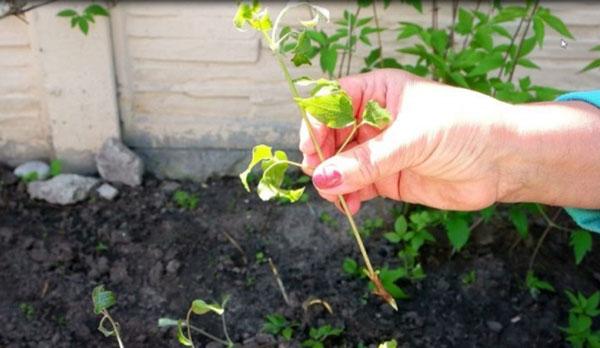
Cuttings are taken from healthy 3-4-year-old plants. This is done before flowering, with a preference for branches from the center of the bush. The cuttings are treated with any rooting agent and planted in a mixture of sand and peat. Once rooted, they are transplanted to their permanent location.
Dividing the bush
A clematis over 5 years old is suitable. Lightly dig up the bush and separate a section for planting.
Layering
This procedure is carried out in the fall. Small furrows are made around the clematis and the spent shoots are placed in them, secured with staples or wire. After covering with soil, 2.5 cm of the plant's shoot should remain on top. Don't forget to feed and water the shoots, and with the arrival of spring, separate them and replant them in their permanent location.
Reviews of Clematis Taiga
Lidiya Alekseevna Sibirtseva, 60: "I was drawn to this variety because of its two-colored buds. It turned out to be easy to care for; we covered it for the winter, and in the spring we enjoyed the lush blooms."
Alexandra Dmitrievna Orlenko: "We were a little apprehensive about planting such a young variety, unsure how it would perform in our conditions. It completely lived up to our expectations—the plant is virtually disease-resistant, requires little care, and the beauty of the buds is simply beyond praise."
Related posts:
 Description and pruning group of clematis President, cultivation and care
 Description of the burning clematis, planting and care in open ground, propagation
 Description and pruning group of clematis Rouge Cardinal, cultivation and propagation
 Description and characteristics of the clematis variety Kaiser, planting and care, pruning group
 Description of clematis varieties, planting and care, propagation methods
 Description and characteristics of Manchurian clematis, cultivation techniques
 Description and characteristics of the clematis variety Comtesse de Bouchaud, planting and care instructions
 Description and pruning group of Clematis Mountain, planting technology and care