
- Can you grow cucumbers in cold weather?
- At what temperature do cucumbers freeze?
- Saving cucumbers from sudden frosts
- How to cover cucumbers at low temperatures
- In open ground
- Using black material
- Spunbond
- In greenhouses
- How to save cucumbers if they freeze in an open area
- What to do if cucumbers freeze in the greenhouse?
- Cucumbers turned yellow from the cold: measures to save the bushes
- Agrotechnical techniques
- How to feed cucumbers after the cold weather?
- Folk recipes
- Store-bought medications
- Will cucumbers recover after frost?
The soil in temperate latitudes warms up by the end of May, and if you plant cucumbers in the garden, the greens will ripen the following month. However, nature often has its surprises. Sometimes, even in Africa, snow falls in the summer, and late spring frosts are common in temperate climates. Even experienced gardeners are sometimes at a loss when they see blackened cucumber bushes in the open ground, having neglected to protect them from the cold, hoping the frost would pass them by, and now they're at a loss. If people experience only discomfort at 0 degrees, the plants may die.
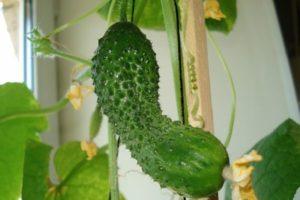
Can you grow cucumbers in cold weather?
Heat-loving vegetables don't bear fruit in low temperatures, and they don't set fruit. The plant doesn't thrive in cool weather, and cucumbers rot even without frost. They thrive in warmth and die at temperatures between 3 and 5 degrees Celsius.
At what temperature do cucumbers freeze?
This vegetable crop, native to tropical India, stops growing at temperatures as low as 12°C (54°F) and is susceptible to powdery mildew at 15°C (69°F). Cucumbers thrive when nighttime temperatures don't drop below 16°C (62°F) and daytime temperatures rise above 23°C (73°F) to 24°C (74°F). The plant dies when temperatures reach 8°C (8°F) for five days.
Saving cucumbers from sudden frosts
If the crop is planted in a greenhouse, you can protect it from sudden cold snaps by lighting the stove or turning on a gas or electric heater. Experienced gardeners use agricultural techniques that increase cucumbers' resistance to low temperatures and help them survive:
- Harden the seeds before sowing by keeping them at 0 °C.
- Fallow beds are created by digging trenches in advance, filling them with a thick layer of sawdust, humus, or peat, moistening them with hot water, and covering them with soil. Seedlings are planted when the soil has cooled to 25°C.
- Cover the bushes with several layers of film or use lutrasil. Remove the plastic after the weather warms up.
- Before the cold weather sets in, densely leafy tree branches are stuck into the ground around the garden bed.
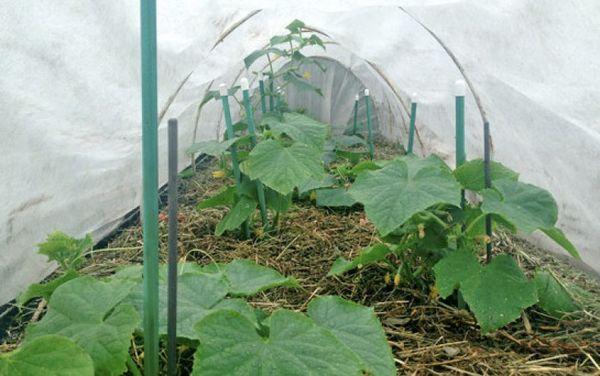
These techniques increase cucumbers' resistance to low temperatures; the plants can withstand temperatures as low as +3°C. To protect the plants from frost, a frame of slats is stretched over the plantings and covered with hay, straw, or spruce branches.
How to cover cucumbers at low temperatures
Forecasters can't predict whether there will be a sharp cold snap in late May or early June; they only provide a more or less accurate forecast for four or five days. If a significant drop in temperature is expected, cucumbers should be kept warm.
In open ground
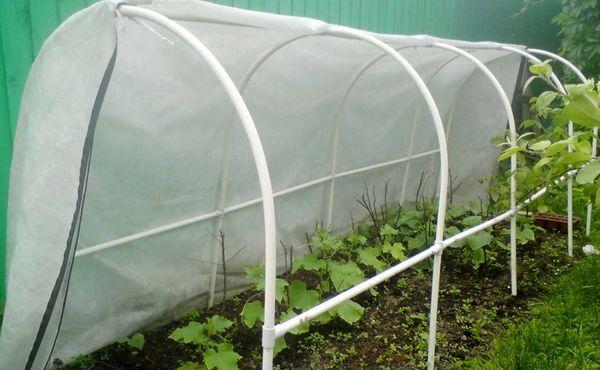
By installing arches near the garden bed in advance, you can save the plant's shoots by stretching burlap over them and placing straw, sawdust, or pine needles on top.
Using black material
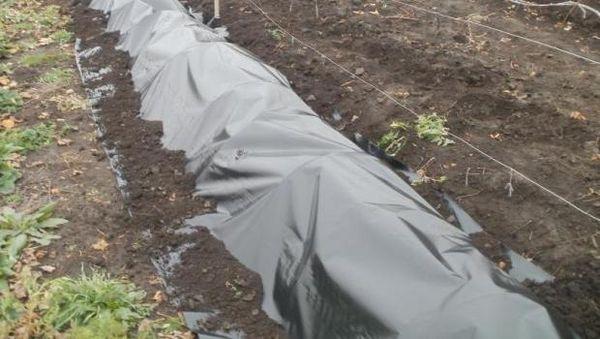
Transparent polyethylene protects cucumbers from wind, rain, and cold. However, this method isn't always effective during frosts. Black film attracts sunlight, retains heat, and transfers it to the soil. It is also used when growing cucumbers in raised beds with borders.
Spunbond
In recent years, many gardeners have begun using a special non-woven material, sold in rolls and available in various densities and colors, instead of polyethylene. Spunbond is made from polymer fibers that are permeable to air and melt. The white fabric is used to protect plant shoots and vines from spring frosts. The density of spunbond should be at least 23 grams per square meter.
In greenhouses
If weather forecasters predict a cold snap of 3–5°C in the city, you can expect temperatures in the surrounding countryside to drop to 0°C or even slightly below. A polycarbonate greenhouse won't protect cucumbers even from short-term frosts. Simple steps can save the plants.
Plastic bottles easily become hot water bottles when filled with hot water, which will need to be replaced when it cools. The containers are buried in the ground. Lighted candles maintain the temperature, but at least ten are needed.
If frost is expected for several days, stretch plastic film over the inside of the greenhouse and secure it loosely to the frame with clamps. The air pocket created between the materials will prevent the cucumbers from freezing.
Some gardeners place a metal barrel near the greenhouse, place a brick inside, and soak it in gasoline. A pipe from the barrel is run to the top of the greenhouse, and the resulting cloud protects the plants from the cold.
To protect seedlings from dying, it is worth wrapping them with lutrasil or spunbond.
How to make it warm a bed for cucumbers in open ground?
A manure bed stimulates crop growth, accelerates fruit ripening, protects the plant from the cold, and provides essential organic matter. It should be built two weeks before sowing cucumber seeds, but care must be taken to ensure the young seedlings do not die.
The fertilizer is placed in a raised bed, watered, and covered with plastic wrap. When the manure begins to steam, after about two days, holes are dug and the seeds are sown.
At low temperatures, the seedlings are covered with spunbond or polyethylene. Cucumbers grown this way are virtually disease-free.
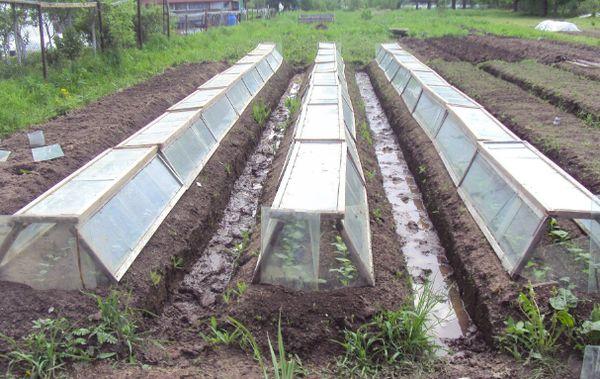
To create a warm bed, they also use fruit peels, potato peels and tops, leaves, and grass:
- A trench at least 1.5 m wide is dug to a depth of 60 cm.
- A 10-20 centimeter layer of branches and sawdust is placed at the bottom of the hole. These materials provide drainage and prevent moisture stagnation.
- Plant residues are poured out.
- Compost and manure are placed on top.
- Fertilizers are covered with soil.
- The finished bed is watered with boiling water and insulated with black film.
Cucumbers are sown every other week. The resulting organic cushion protects the plants from frost and excess moisture that occurs during rainy weather.
Warm beds make it easier to attach covering material to the arches. The soil warms up faster, and weeds grow less.
If manure or compost is not available, the trench is filled with food scraps, leaves, and herbs. The layers are carefully compacted to prevent the cucumber roots from rising to the surface after watering. Then, add soil, moisten with hot water, and cover with plastic wrap. The beds take a long time to warm up, but they protect the plants from freezing temperatures.
How to save cucumbers if they freeze in an open area
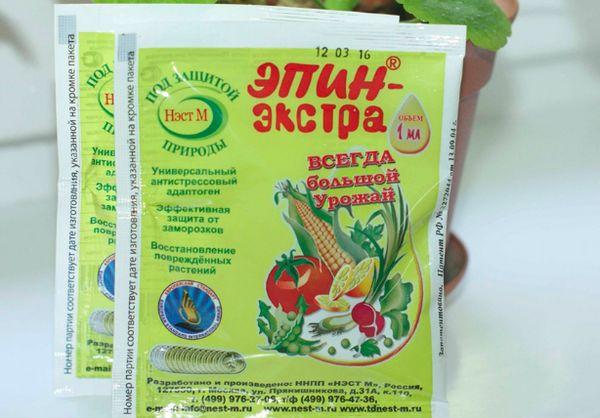
When the night turns cold, with temperatures dropping to 4-5 degrees Celsius (4-5 degrees Fahrenheit), which is fatal for heat-loving plants, you need to try to revive the cucumbers. The beds should be immediately watered with slightly warmed water and fertilized with urea, dissolving a matchbox of the substance in 10 liters of liquid. Before sunrise or in the evening, the bushes should be sprayed with the growth stimulant "Epin." To prepare the mixture, add a pinch of citric acid.
If your cucumbers are frost-bitten and the shoots turn black, they should be cut back, the roots should be mounded with soil, watered with urea, and covered with plastic wrap. A young shoot will usually appear within a few days. Harvesting the cucumbers will be delayed for a long time, but the plant will still be viable.
What to do if cucumbers freeze in the greenhouse?
After planting vegetables, keep an eye on the weather forecast, and if a significant cold snap is expected, cover the plants overnight, even in an unheated greenhouse. It's much easier to protect cucumbers from frost than to save them. If the leaves turn black and the stems wilt, cut them off at the root. Dissolve 30 grams of urea in a bucket of water and water the plants to promote foliage growth.
When the temperature isn't too low, and the stems haven't frozen yet, but some of the leaves have darkened, the cucumbers are sprayed with a growth stimulant like Epin. After three days, the roots are fed with urea or another nitrogen-containing fertilizer.
Cucumbers turned yellow from the cold: measures to save the bushes
Low temperatures negatively impact the development of heat-loving crops, as metabolic processes in tissues slow down. At 16°C, plants cannot absorb nutrients from the soil. First, cucumber leaf tips turn yellow, then the plants wither.
Agrotechnical techniques
To warm the greenhouse and save wilting bushes, bottles of hot water are placed near them. A bed of horse manure is created on the garden bed and covered with sawdust or straw.
Until the cucumbers recover from the cold, do not apply fertilizer. To boost their immunity, treat the plants with a biological growth stimulant such as Narcissus, Silk, or Zircon.
How to feed cucumbers after the cold weather?
Frequent rainfall and low temperatures hinder plant development, weaken the plant's defenses, and impair fruit formation. Fertilizing helps restore immunity.
Folk recipes
Growing cucumbers in cold summers can be quite challenging, but you can protect them from frost even without spunbond or plastic film. The bushes are covered with straw, grass, and branches, and the shoots are tied to a trellis and lowered. When the weather warms up, the material is raked away from the plants but left in the garden bed.

Roofing felt is used to protect cucumber seedlings. Rolls of roofing felt are made into cones and wrapped around young plants. During prolonged cool and rainy weather, the plants are sprayed with a solution made from a packet of boric acid and a bucket of water. This treatment prevents fungal infections, prevents root rot, and protects against bacterial blight.
When it rains continuously for several days, the following is used to feed cucumbers:
- Iodine solution. An antiseptic that strengthens the immune system.
- Ash infusions enrich plants with potassium.
- Mullein is mixed with water and the bushes are watered at the roots.
Cool and damp weather encourages fungal growth. Spraying the leaves and shoots with a soapy solution containing baking soda can help prevent the growth of pathogens. Frozen cucumbers require careful care.
Store-bought medications
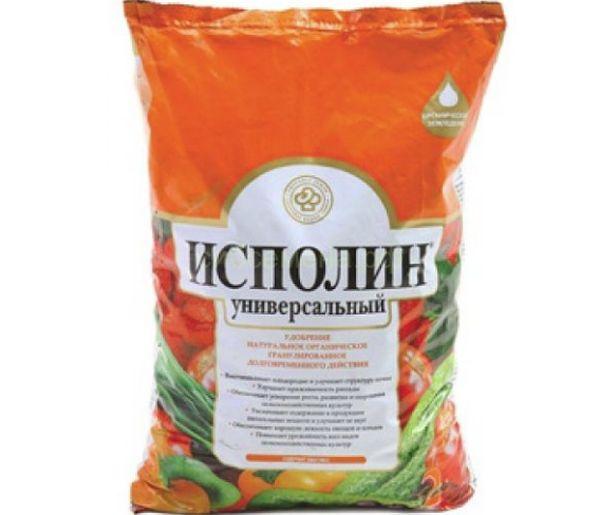
If plants turn yellow due to cold, foliar treatment with growth stimulants such as Epin and Zircon is recommended. Cucumbers respond well to fertilizers such as Ispolin, Ideal, and Plodorodie, which are specifically designed for this vegetable crop. Fertilize the plants with urea.
Will cucumbers recover after frost?
Plants wilted by the cold aren't always recoverable. If shoots and leaves have turned black, the branches should be cut back, as they won't grow back. Sometimes the roots will sprout new shoots after fertilizing with urea, but this isn't always the case. Protecting cucumbers from frost is much easier than reviving blackened plants.
If several leaves have wilted, the seedlings are kept in a warm place after being sprayed with growth stimulants. Care must be taken to ensure that the cucumbers are not exposed to cold again.
Related posts:
 Description of the best varieties of Chinese cucumbers, planting, growing and care
 Description of unusual methods for planting and growing cucumbers
 Why cucumber leaves are drying out and what to do, how to treat them in a greenhouse and in the ground
 How to care for cucumbers in open ground from planting to harvesting
 How to plant cucumbers in open ground under film: timing and cultivation technology
 TOP 30 best determinate cucumber varieties with descriptions
 How to properly plant cucumbers in open ground with seeds, and at what depth
 Why do cucumber leaves curl inward and what to do about it?