
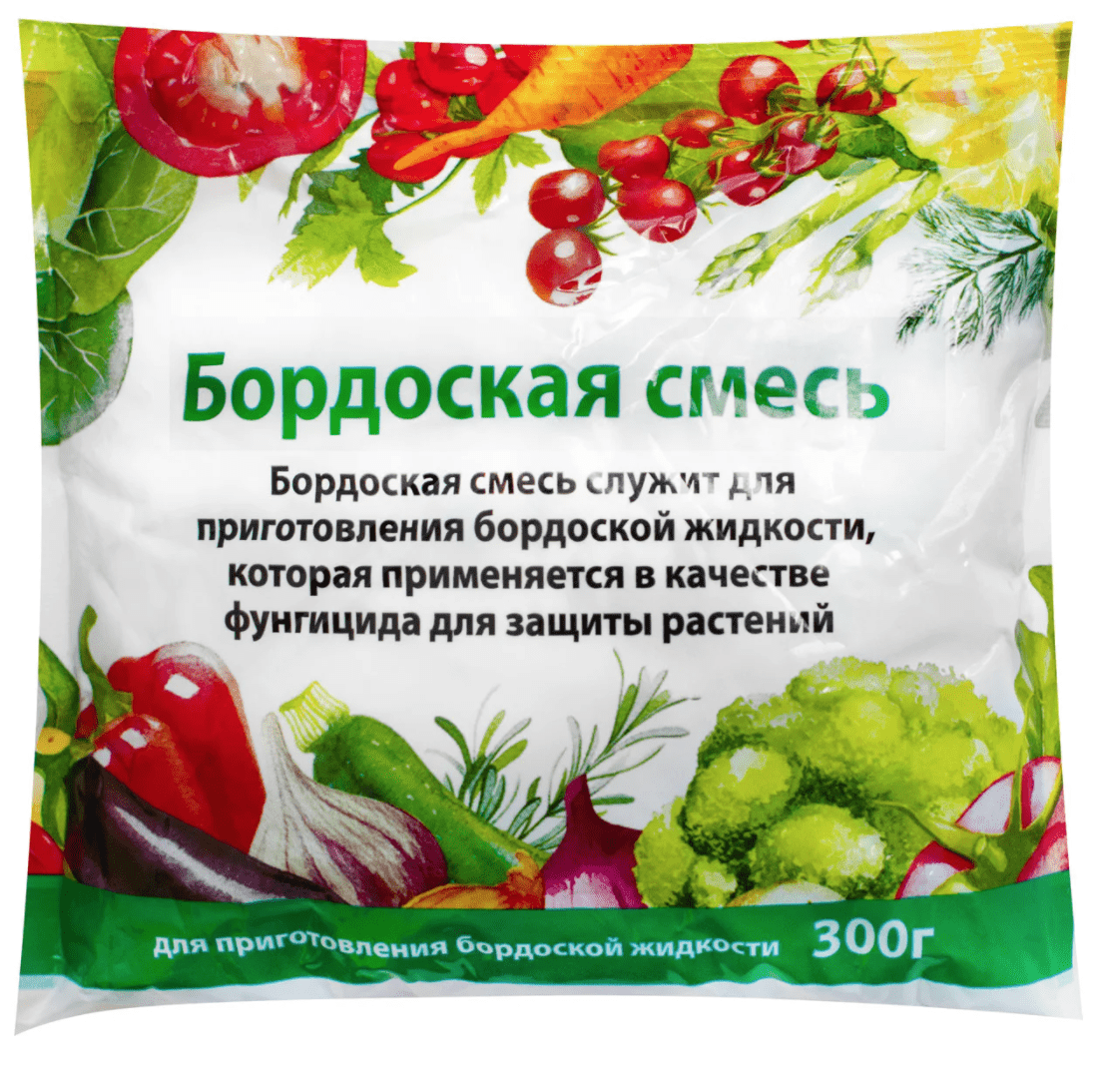
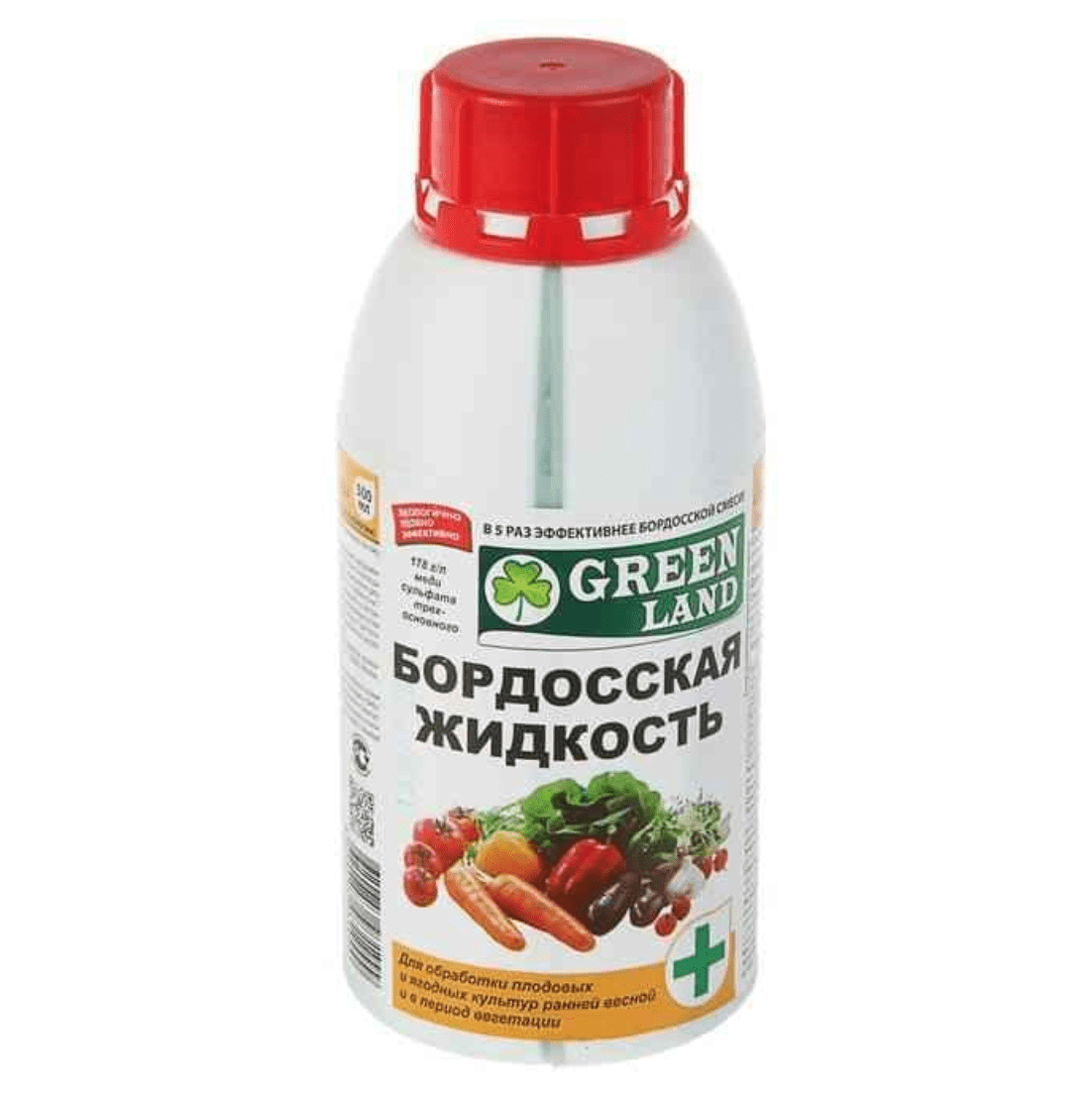
Bordeaux mixture is a substance used against parasites and a variety of fungal infections. This product is an effective fungicide. It is available at any specialty store and has a broad spectrum of activity. To ensure the product achieves the desired results, it is important to strictly follow the instructions for use. Adherence to safety precautions is also crucial.
Active ingredients
Bordeaux mixture consists of copper sulfate powder and a lime mixture. The active ingredients are considered to be copper compounds, which are poorly soluble in liquid and provide long-lasting plant protection. However, the lime and sulfate must be mixed immediately before use. The components lose their potency the following day.
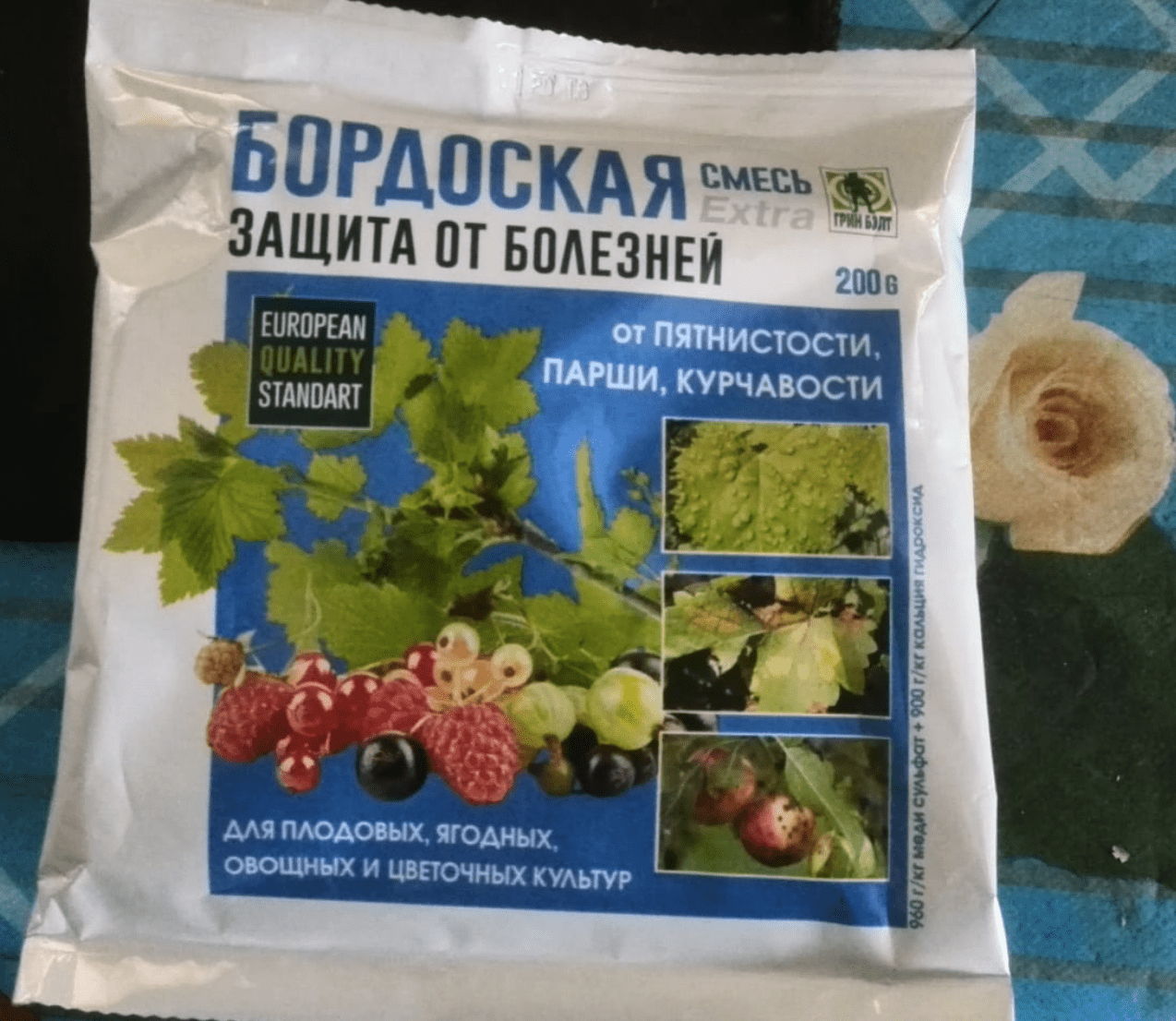
These components are usually sold in individual sachets. A lack of lime can cause crop burns. Therefore, it's important to check for alkalinity. If the amount is insufficient, add more lime.
Purpose
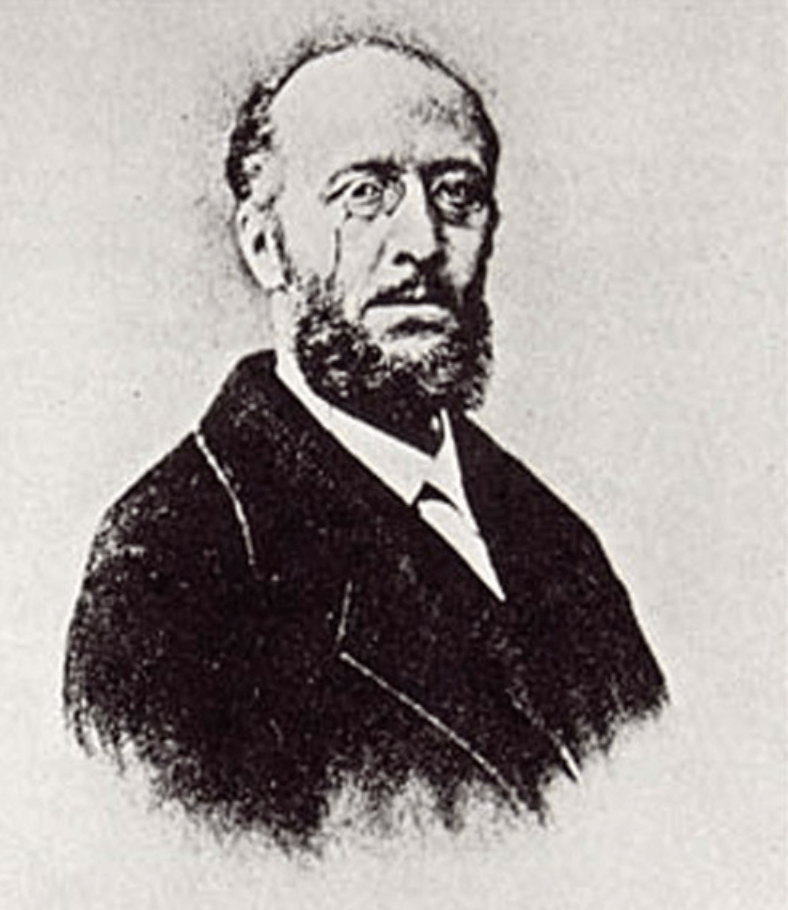
This product was invented by French botanist Pierre Marie Millardet. Initially, the fungicide was used to protect and treat vineyards from the mold Plasmopara viticola, which caused mildew.
Today, Bordeaux mixture is widely used in gardening in the fall. It can also be used in the spring. The product is approved for use in the treatment and prevention of fungal diseases in a wide variety of crops:
- late blight and macrosporiosis on tomatoes and potatoes;
- mildew on grapes;
- spotting of raspberries, strawberries, wild strawberries;
- fruit rot, scab, rust on fruit and berry crops;
- anthracnose, downy mildew, septoria on onions, cucumbers, garlic, carrots.
Operating principle
The substance's mechanism of action is based on the negative impact of copper ions on fungi, which simply kills their spores. The lime in the product mitigates the aggressive effects of copper on plants. This component also helps the active substance remain on crops for a long time.
How to make a solution
Diluting Bordeaux mixture is easy. However, it's important to ensure your safety by following the preparation instructions:
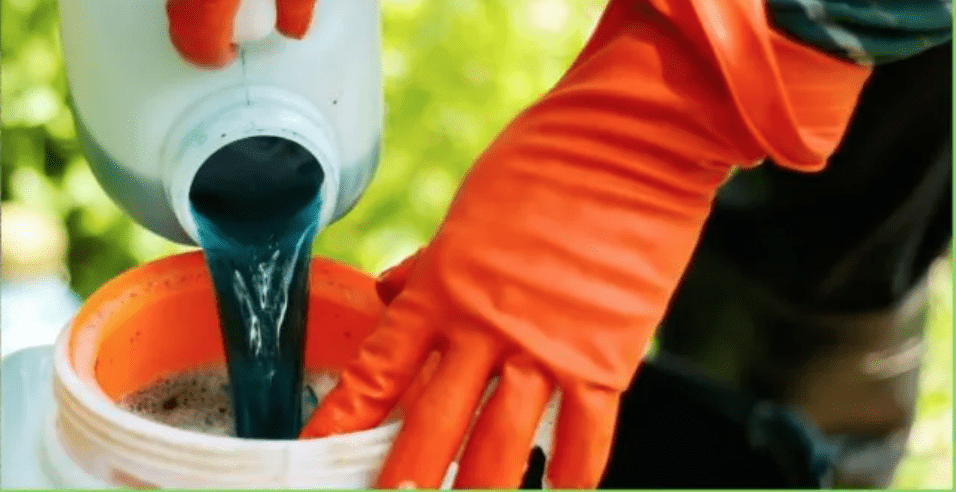
- All actions must be performed in protective clothing, be sure to use gloves, a respirator, and glasses;
- do not use containers with the solution for other purposes;
- The remaining solution must be disposed of by burying it in the ground outside the garden and vegetable plot.
The preparation should be prepared immediately on the day of use. If the work is to be rescheduled, 5-10 grams of sugar should be added to the mixture.
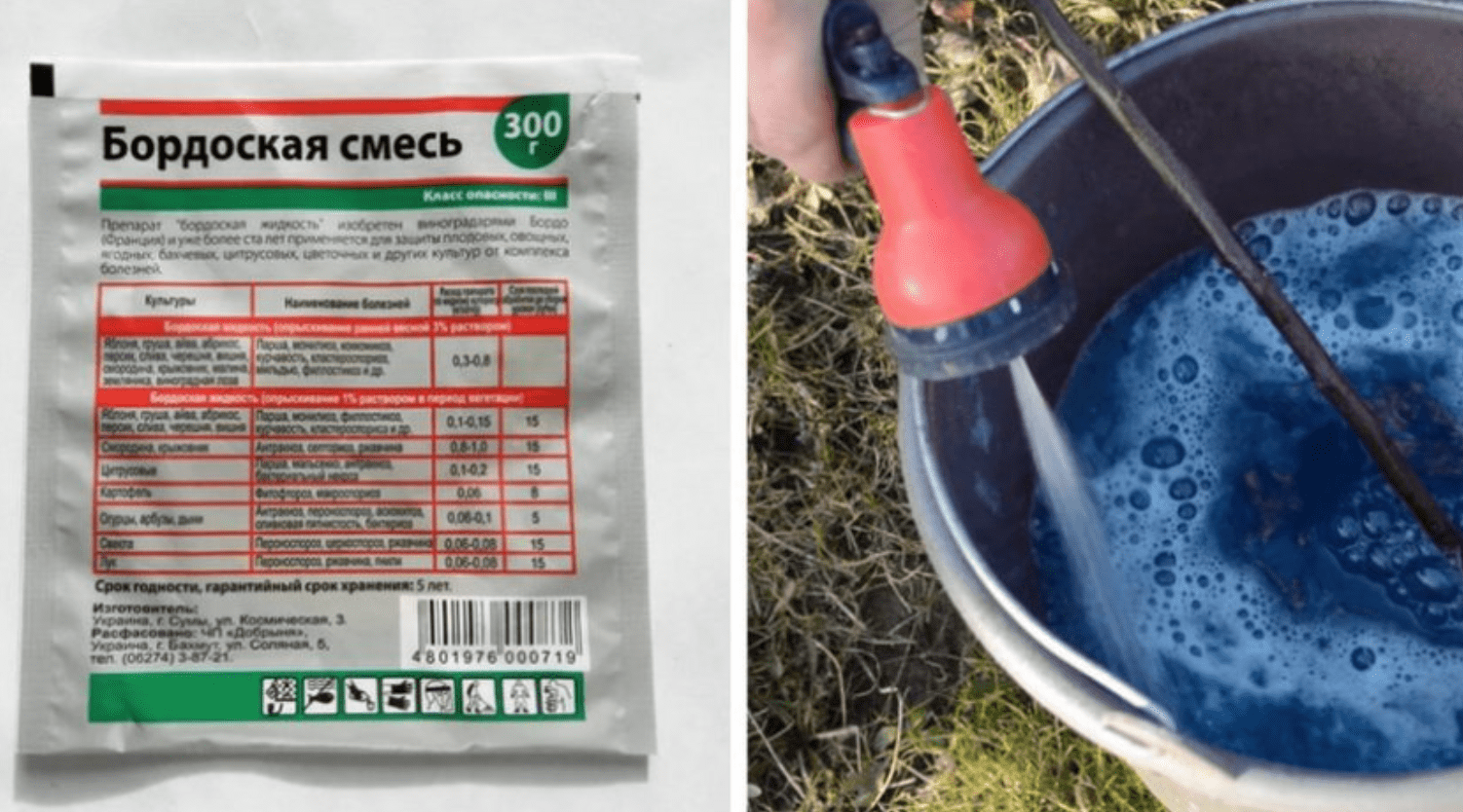
To prepare a composition with a concentration of 1%, you need to do the following:
- Prepare two non-metallic containers. Enamel, glass, or clay containers are acceptable for this purpose. They should hold at least 10 liters.
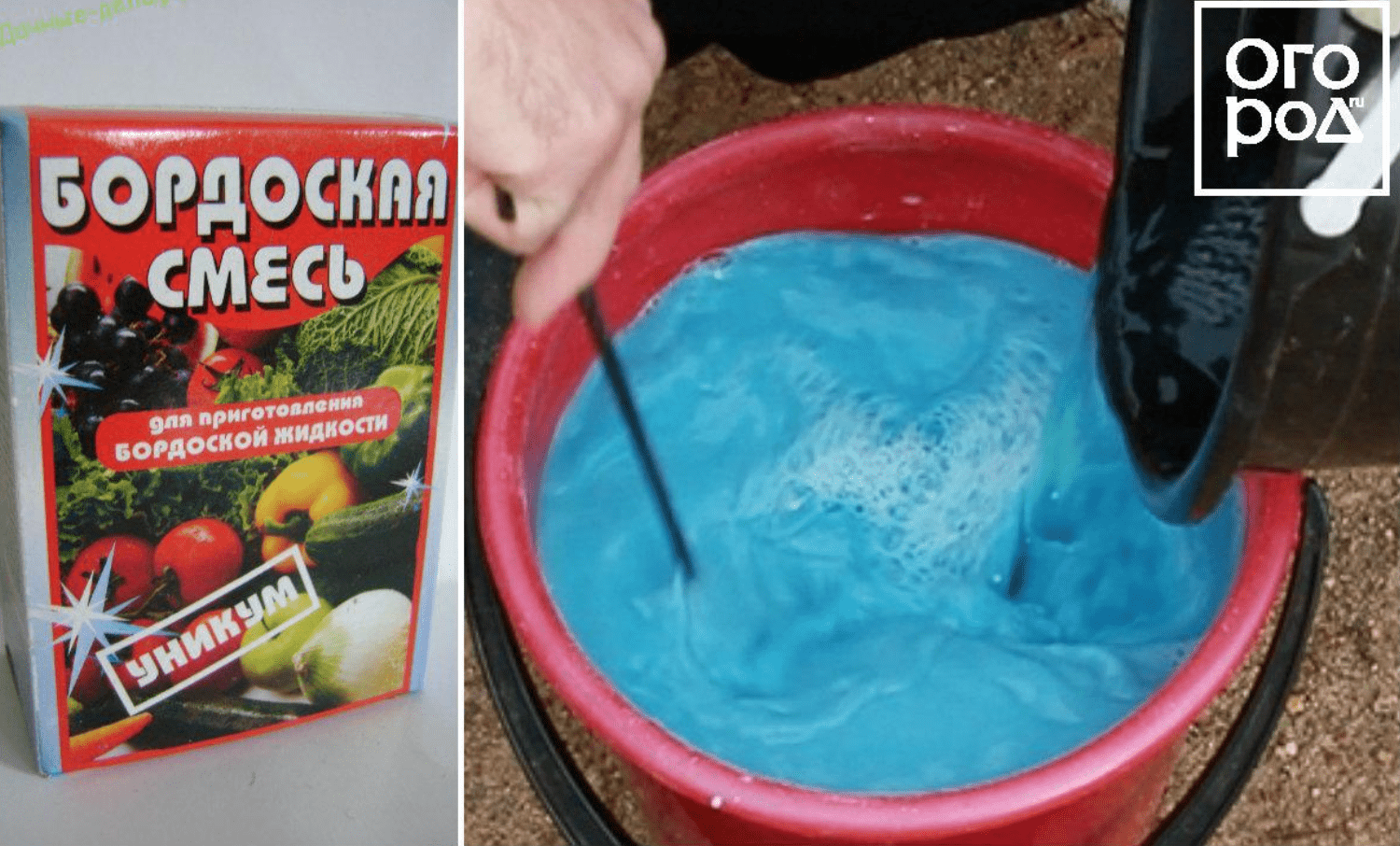
- Dissolve 100 grams of copper sulfate in 1-1.5 liters of hot water. Then add 4 liters of cool water. It is recommended to do this gradually.
- In a second container, slaked 100-150 grams of quicklime in water. To do this, add 1-1.5 liters of cold water. Then gradually pour in 4 liters of cold water.
- Mix each solution thoroughly.
- Pour the copper sulfate solution into the container with lime in a thin stream and stir gently. The result will be a bright blue liquid.
Next, you need to check the copper sulfate content in the mixture. To do this, dip an iron object into the solution and examine it closely. If a copper deposit forms on the metal, add a small amount of lime to the mixture. To make a 3% mixture, you need to use 300 grams of copper sulfate and 450 grams of lime.
Instructions for use
Bordeaux mixture can be applied in spring and fall. Before bud swelling, a 3% concentration should be used. During the active growing season, a 1% concentration is suitable. In the fall, a 3% concentration is acceptable. Fall treatment will help protect pome and stone fruit plants from fungi.
For currants
Currant bushes can be treated with a Bordeaux mixture solution to prevent spotting. The first spraying should be done in early spring. A 3% solution should be used. For the next 2-3 treatments, a 1% solution should be prepared.
For tomatoes
If the first signs of disease appear on tomato seedlings, it's worth using a 1% Bordeaux mixture. Apply this solution to the seedlings using a spray bottle.
To prevent late blight and other diseases, spray tomatoes starting in late June or early July. Apply 1.5-2 liters of solution per 10 square meters. Plants should be treated a total of 3-4 times, every 10-14 days.
For trees
In the spring, before bud break, trees are sprayed with Bordeaux mixture at a concentration of 3%. A mature tree should be sprayed with 10-15 liters of fungicide, while a young tree should be sprayed with 2-3 liters.

Then, at the green cone stage, treatment is carried out with a 1% solution of the product. The next application is after the trees bloom. Subsequent treatments are carried out at intervals of 10-15 days. The number of sprays per season should not exceed six.
For potatoes
The first treatment is performed before planting potatoes. A 1% solution should be used to spray the tubers. This should be done 1-1.5 hours before planting. When the plants reach a height of 15-20 centimeters, repeat the treatment. Use 0.5-1 liter of the mixture per 10 square meters. Repeat the treatment after 12-15 days.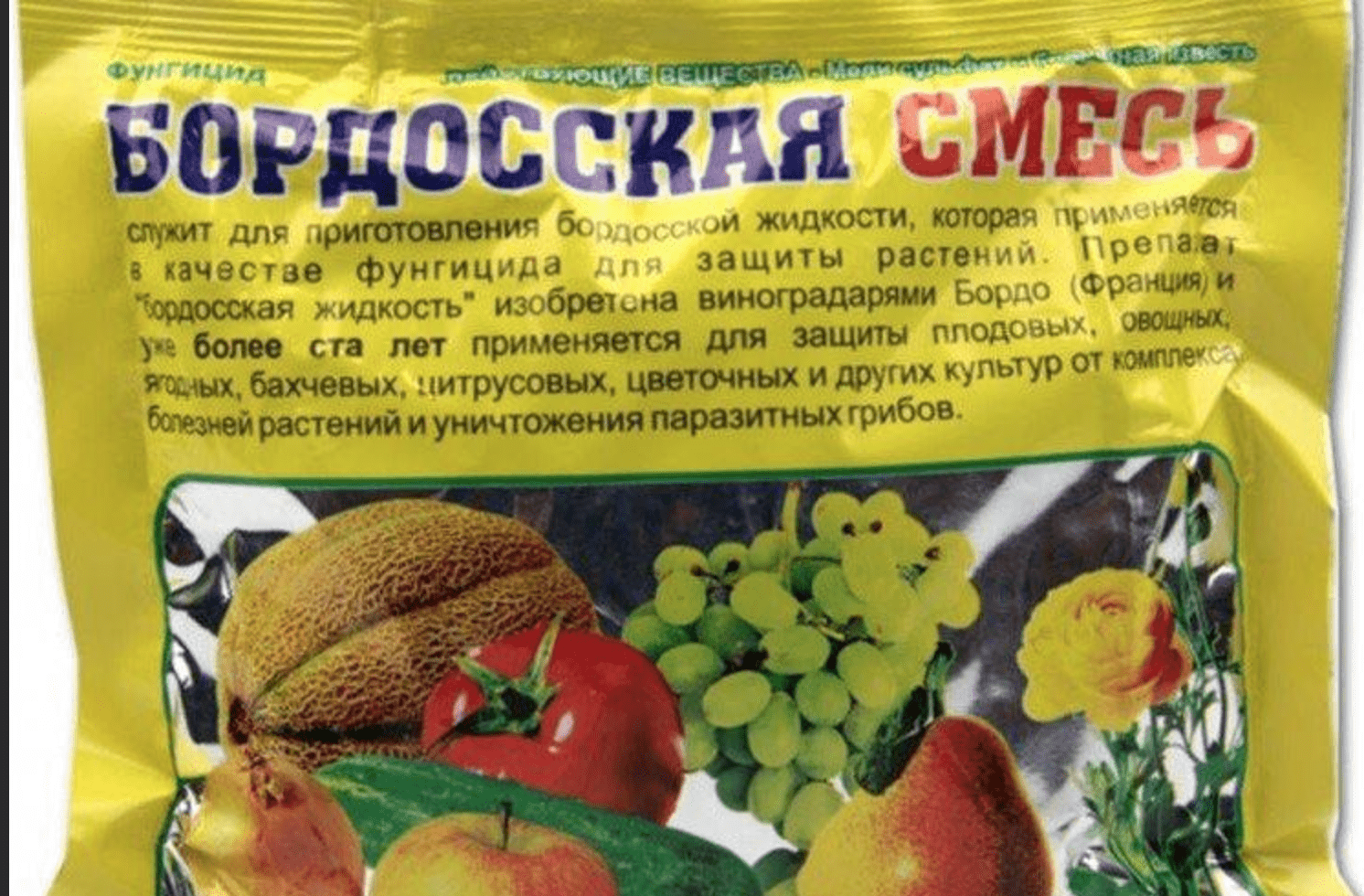
For strawberries
After the snow melts, garden strawberries should be treated with a 3% solution of Bordeaux mixture. Use 0.5-1 liter per 10 square meters. Then, during the foliage regrowth stage, repeat the spraying, reducing the concentration to 1%. Subsequent treatments are carried out during the budding stage and after harvest. In these cases, a 1% solution is also used.
For cucumbers
Bordeaux mixture isn't just for gardens. It can also be used on cucumbers. A 1% concentration is acceptable. Use 1.5-2 liters of the mixture per 10 square meters.
The first preventative treatment should be carried out at the stage of 2-3 true leaves. It should then be repeated 2-3 times at intervals of 10-12 days. The final spraying with Bordeaux mixture should be carried out 20-25 days before harvest.
For grapes
In this case, a 3% Bordeaux mixture is applied at the green cone stage, before the buds have opened and only the green tip is visible. During the growing season, a weaker solution should be used. It's important to spray the foliage both inside and outside.
Safety precautions
When using the solution, it's important to follow safety precautions. The following guidelines should be observed:
- Use personal protective equipment. This includes gloves, headgear, protective clothing, and a respirator.
- Do not drink, eat or smoke between sprayings.
- Avoid spraying near fruits, berries, and vegetables planned for harvest within the next 2-3 weeks. Wash fruits, vegetables, and berries thoroughly before consuming.
- Do not carry out treatment during the flowering period of plants.
- Do not treat plants during strong winds, heavy dew or precipitation.
- Do not mix Bordeaux mixture with other substances, as this will reduce the effectiveness of the product.
- Avoid adding soapy water to improve adhesion. This will reduce the effectiveness of the product.
- The last spraying should be carried out 2 weeks before harvesting.
Possible errors
Many gardeners make certain mistakes when using Bordeaux mixture. This can lead to negative consequences. The most common problems include the following:
- Violation of dosage – the concentration of the active substance over 3% is dangerous for plants;
- use of large amounts of the substance during processing;
- neglect of personal protective equipment;
- processing of crops during flowering;
- processing of vegetables and fruit plants before harvesting.

It's important to remember that treating plants during flowering is harmful not to the crops themselves, but to the bees. Copper sulfate, which is part of the treatment, kills bees. This negatively impacts pollination and leads to reduced yields.
Analogues
Bordeaux mixture has many alternatives. If you don't have time to prepare the solution, you can use alternatives. The easiest substitutes include copper or iron sulfate. However, these solutions are inferior to Bordeaux mixture and have the following disadvantages:
- high toxicity;
- less durability;
- the appearance of burns when applied to leaves.

Experienced gardeners and vegetable growers recommend replacing Bordeaux mixture with commercially available products. These include the following:
- "Hom";
- Vectra;
- "Kuproksat";
- "Skor".
The most effective analogues include "Polyhom" and "Oxyhom." They produce a comprehensive effect on parasites and fungal pathogens.
Bordeaux mixture is an effective remedy that effectively combats various diseases and pests. To ensure the desired results, it is important to strictly follow the instructions. When working with the mixture, personal protective equipment is required. This will help prevent any negative effects on people.