
The Dolomite F1 cucumber, whose description was added to the Russian State Register of Vegetable Crops in 2010, was developed by Dutch breeders. It can be grown on farms and in private gardens, both indoors and outdoors. Pollination is not required. The hybrid can withstand long-distance transportation. It is eaten fresh, added to salads, and preserved for winter.
Briefly about the hybrid and its fruits
If we judge a vegetable by the characteristics declared by the manufacturer, then the description of the variety will be as follows:
- The first cucumber harvest is obtained 37-40 days after emergence.
- The hybrid bushes grow to a height of 1.0-1.5 m. The plant has a medium number of branches with numerous lateral shoots. The leaves are green.
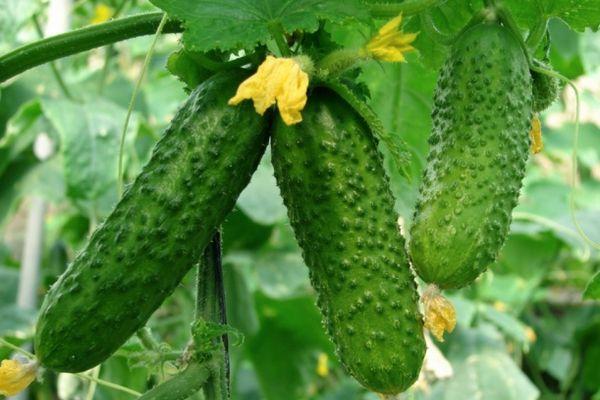
- The fruits are cylindrical and slightly ribbed. The surface of the cucumbers is covered with small tubercles.
- The fruit weight ranges from 80 to 100 g, with the cucumber length ranging from 90 to 120 mm. The fruit diameter reaches 3.5-3.8 cm.
- If a gardener wants to grow pickles, harvesting begins when the cucumbers reach 30-50 mm in length. If gherkins are desired, choose cucumbers between 5 and 8 cm in size.
- The Dolomite's skin is thin and green. Faint white spots are scattered across the fruit's surface. Whitish stripes extend to the center of the fruit. The cucumber has white spines and is covered in a thick layer of fuzz.
- The pulp has increased density.
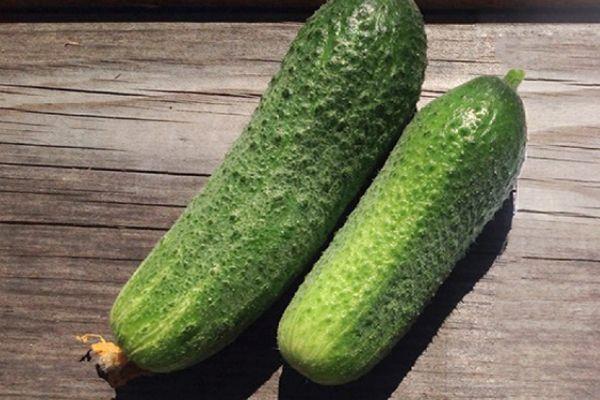
Gardeners' reviews indicate that cucumber yields are 5-6 kg per square meter of garden bed. The plant has good immunity to olive spot and cucumber mosaic virus. However, the bushes must be protected from powdery mildew. Dolomite quickly recovers from stresses such as lack of moisture, extreme heat or short-term cold spells, and fungal infections.
Even a novice gardener can grow this variety; the plant is undemanding in terms of care.
In Russia, Dolomite is recommended for cultivation in open areas in the southern regions of the country. In the central part of the country, unheated plastic greenhouses are suitable for this purpose. In the Far North and Siberia, Dolomite should be grown in greenhouse complexes with a heating system.

How to grow a hybrid in your garden?
Seeds are purchased at specialty stores. Experts recommend disinfecting them in potassium permanganate and then soaking them in growth stimulants. If the farmer is growing the hybrid outdoors, then the cucumbers should be propagated using seedlings. If the farmer has a greenhouse, the seeds can be planted directly in the garden beds.
Seedling production begins with planting seeds in containers filled with well-fertilized, lightweight soil. The seedlings are planted at a depth of 15-20 mm. It's best to use peat pots for planting the seeds, as this will make it easier to transfer the plants to their permanent soil.
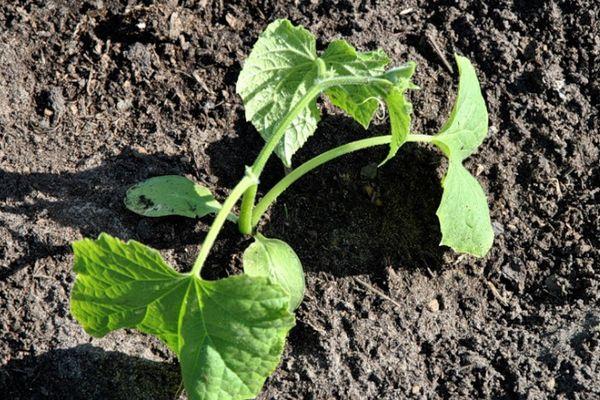
After sprouts emerge, feed them with chicken manure or chicken manure. Water the seedlings once every 5-6 days with warm water. When the bushes develop 4-5 leaves, they are transplanted to their permanent soil. The bed is loosened and disinfected with potassium permanganate. Organic or nitrogen fertilizers and wood ash are added to the soil. After transplanting, water the seedlings generously. The planting pattern is 0.5 x 0.4 m. It is recommended to plant no more than 4 plants per 1 m² of planting area, otherwise they will shade each other.

Caring for young bushes
It is recommended to water the hybrid once every 2-3 days. The soil should be well-moistened, but avoid allowing puddles to form under the stems. Watering should be done with warm water that has been left to stand in a barrel in the sun. It is best to water cucumbers late in the evening.
Plants are fertilized 3-4 times per season. Initially, the bushes should be fed with organic or nitrogen-based fertilizers. After flowers appear, fertilize with mixtures containing phosphorus. When the first fruits begin to form on the hybrid's branches, experts recommend feeding the growing bushes with potassium and nitrogen fertilizers.
The soil should be loosened once a week. Improving root aeration accelerates plant growth. This also kills some garden pests that infest cucumber roots. Mulching the soil helps prevent some fungal and bacterial diseases.
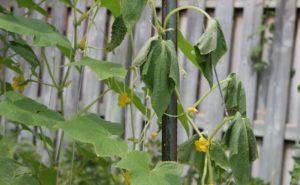
Weeding is done once every two weeks. If weeds are not removed, the vegetables planted may become diseased, as weeds carry certain diseases. Weeds also harbor insects that damage the greenery. Weeding eliminates both the weeds and garden pests.
To protect the hybrid from diseases to which it has no immunity, experts recommend spraying the bushes with medicinal preparations that destroy bacteria and fungi.
Related posts:
 Description of the best varieties of Chinese cucumbers, planting, growing and care
 Description of unusual methods for planting and growing cucumbers
 How to care for cucumbers in open ground from planting to harvesting
 How to properly plant cucumbers in open ground with seeds, and at what depth
 Why do cucumber leaves curl inward and what to do about it?
 Is it possible to soak treated cucumber seeds before planting and how to do it correctly?
 How to make a cucumber trellis with your own hands from scrap materials
 Types of fungicides for cucumbers in a greenhouse and instructions for use