
The Farmer f1 cucumber belongs to a group of hybrids recommended for growing outdoors, in greenhouses, or in plastic tunnels. Farmer cucumbers are quite resistant to sudden temperature fluctuations and drops, so they can be harvested until the first frost. This variety is eaten fresh, sliced into salads, and canned for winter storage.
Some data about the culture
The characteristics and description of the Farmer variety are as follows:
- The plant has a medium ripening period. Fruits are produced 50-55 days after germination.
- The height of the bushes ranges from 170 to 200 cm. The plant has a medium number of branches on which grow leaves colored in dark shades of green.
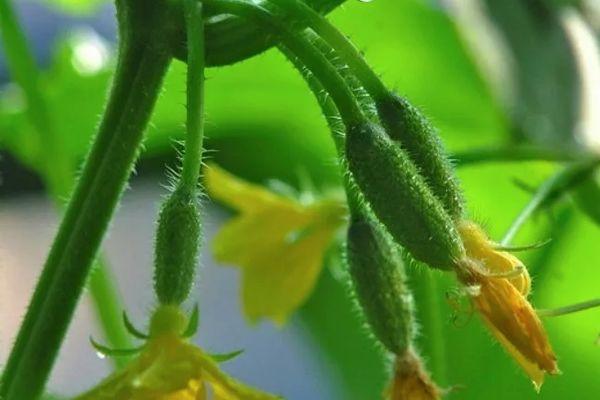
- The hybrid has a female flowering type. Each node produces 1-2 fruits. Bushes are trained into two stems. However, if planting density is high, the bushes are trained into single stems.
- The hybrid is pollinated by bees, so it is recommended to plant a plant of interest to these insects next to the cucumber bush.
- The hybrid's fruits are dark green. Thin white stripes run across the entire surface. The skin is covered with large bumps and white spines.
- The fruit weight ranges from 100 to 120 g. Cucumbers are 100-120 mm long with a diameter of 3 cm.
- The fruits of the hybrid can withstand long-distance transportation.
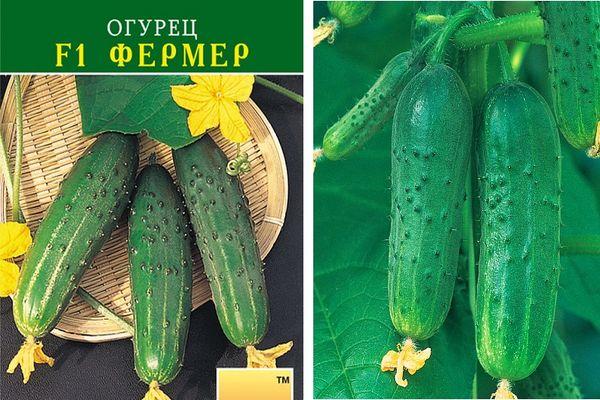
Reviews of the Farmer hybrid described in various agricultural reference books are positive. Most farms grow this variety commercially. The hybrid yields up to 14 kg per square meter of garden bed. Gardeners should be aware that the central stem and side shoots of this hybrid grow throughout the entire growing season.
This vegetable is resistant to virtually all diseases common to cucumbers. When planting outdoors, there's no need to train the bushes.
This hybrid grows well in open spaces in southern Russia. In central Russia, unheated plastic greenhouses are required for cultivation. In Siberia and the Far North, Fermer is grown in well-heated greenhouse complexes.
How to grow seedlings yourself
First, the seed is disinfected in a weak solution of potassium permanganate or hydrogen peroxide. Then, the seed is treated with growth stimulants. It is recommended to use peat pots for planting the seeds.
Farmer seeds are sown in homemade or store-bought soil in late April. They are watered with warm water. The first shoots appear within 6-7 days. They are fed with complex mineral fertilizers and watered once every 4-5 days. After 2-3 leaves appear on the seedlings, they are transplanted to permanent soil.
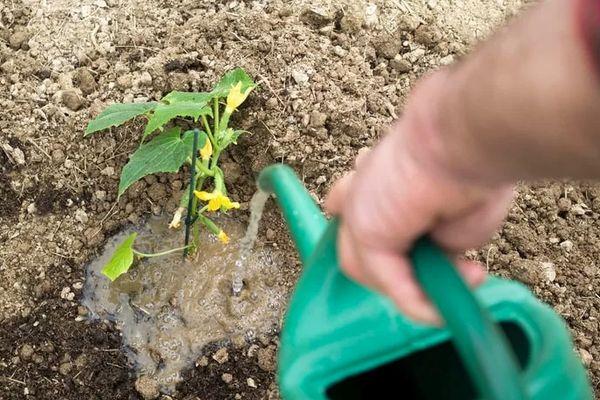
Before planting, the soil is fertilized and watered generously. Vertical trellises or stakes are installed near the young plants. As the plants grow, they twine around the support and are then secured to it with tendrils. The hybrid's planting pattern is 0.3 x 0.5 or 0.5 x 0.5 m.
Caring for growing cucumbers
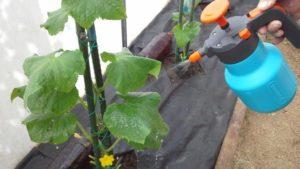
Water the plants with warm, sun-settled water. It's recommended to pour the liquid directly under the roots. Pour just enough water onto each plant regularly to prevent a puddle from forming underneath. On sunny days, water the plants every other day, and in cloudy weather, water every three days.
Fertilize with an infusion of mullein, nettle, or chicken manure 10 days after transplanting the seedlings into their permanent soil. The next feeding is with nitrogen-containing fertilizers, which accelerate bush growth. During flowering, cucumbers are fed with mixtures containing potassium and phosphorus. The final feeding is done during the formation of the first fruits, using mixtures containing phosphorus, nitrogen, and potassium.
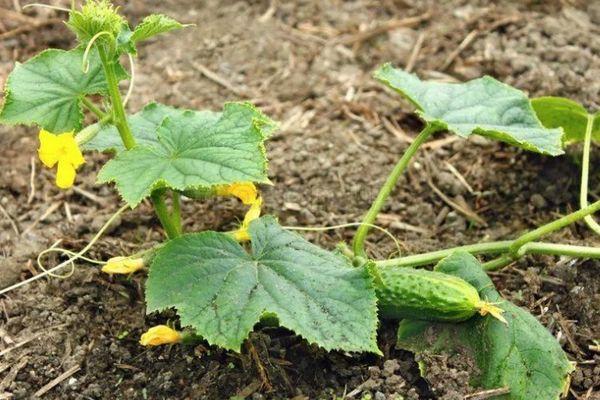
Loosening the soil in vegetable beds improves aeration of the root system. It's done immediately after watering. This helps kill pests that damage plant roots. Mulching is recommended to improve soil aeration.
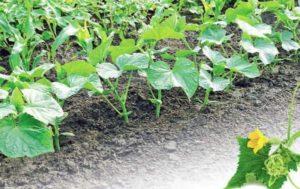
Weed the beds once a week. This preventative measure protects young plants from fungi and bacteria that thrive on weeds. Weeding destroys not only weeds but also garden pests living on them, which, under favorable conditions, migrate to cultivated vegetables.
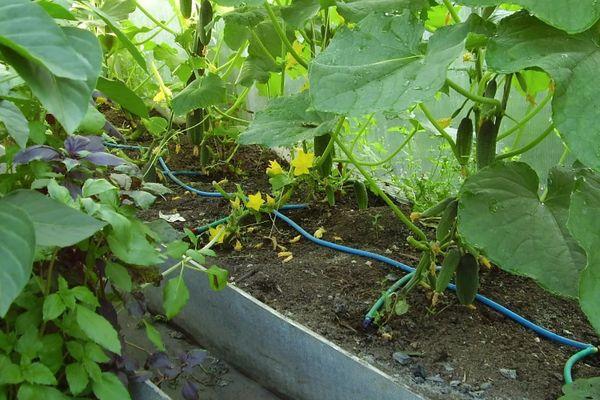
Although the Farmer is immune to most diseases, it is recommended to treat the hybrid with medicinal preparations or copper sulfate. This will significantly reduce the risk of developing any disease.
Garden pests should be dealt with as soon as they first appear in the garden. If they are slugs, wood ash should be added to the soil around the bushes to kill them. If aphids or mites are found on the leaves of the hybrid, these insects should be controlled with chemicals.
Related posts:
 Description of the Krasotka grape variety, planting and care technology
 Description of the Julian grape variety, planting and care instructions
 Methods for planting and propagating cherries at home
 The best eggplant varieties for growing in a polycarbonate greenhouse: planting and care
 Description and rules for growing Solaris grapes
 The best grape varieties for growing in the Urals, planting and care rules in summer
 The best methods for growing grapes from seeds at home
 Growing and caring for hazelnuts in open ground, rules for planting hazelnuts