
- What diseases does cucumber have?
- Causes and signs of plant disease
- The use of folk remedies for treatment and healing: advantages and disadvantages
- Recipes and methods for processing bushes
- Iodine treatment
- We spray cucumbers with a mixture of iodine and brilliant green
- Application of wood ash
- Using garlic solution
- Spraying with whey
- Top dressing with a mullein solution
- Prevention and protection from diseases
When faced with cucumber diseases, it's essential to take immediate measures to preserve the harvest. The easiest way to treat cucumbers for diseases is with folk remedies. There are several effective formulations that have varying effects on the vegetable crop.
What diseases does cucumber have?
Cucumbers are susceptible to several diseases. The most common ailments include:
- Alternaria leaf spot. This disease develops in high-humidity conditions when growing crops in a greenhouse. The infection manifests itself on plants located closer to the greenhouse door. Dark spots appear on the leaves, which increase in size over time.
- Ascochytosis. The infection is caused by a facultative parasite. The leaves and fruits become infected, rot, and die.
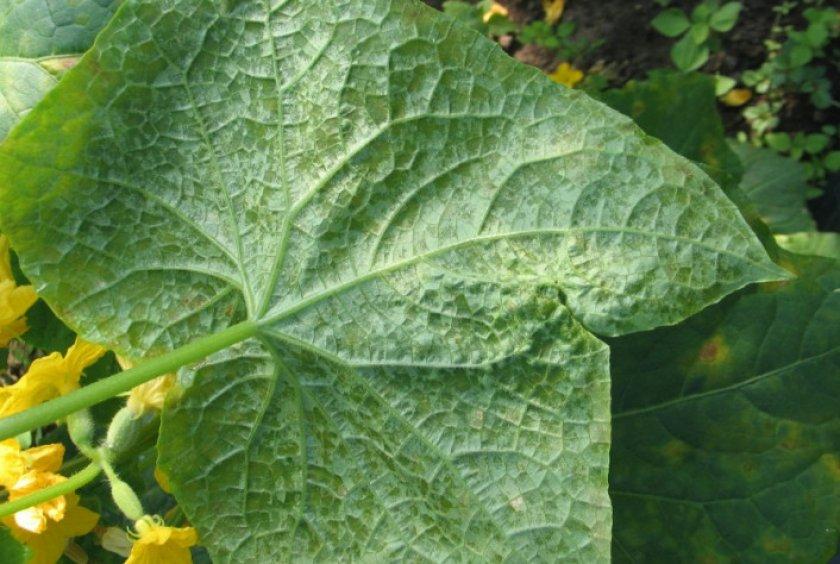
- Powdery mildew. The first sign of the disease is the formation of a white coating on the underside of leaves. As the infection progresses, the leaves become distorted and the fruit becomes smaller.
Causes and signs of plant disease
Vegetable crops are susceptible to diseases for various reasons. Most often, infection occurs due to unfavorable environmental conditions. In particular, the following factors lead to the occurrence of infections:
- accumulation of a large amount of plant debris in the soil;
- constant cloudy climate and low ambient temperature;
- oversaturation of the soil with nitrogen fertilizer;
- moistening the soil with cold water;
- disregard for crop rotation rules.
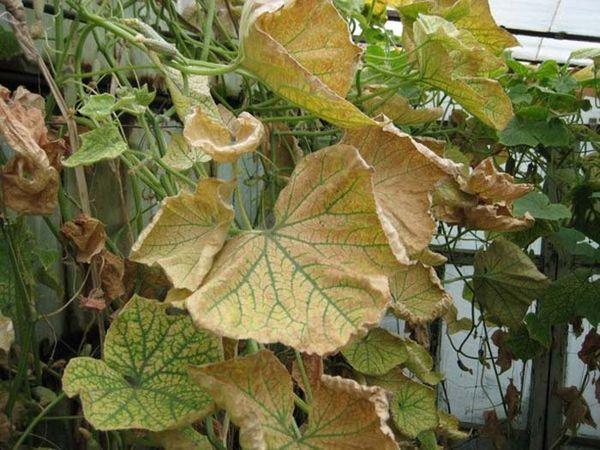
The spread of diseases can be detected by visual signs. Infected plants experience color changes and foliage curling, above-ground parts rot, inflorescences and ovaries fail to form, and fruits fail to grow to the expected size.
The use of folk remedies for treatment and healing: advantages and disadvantages
Compared to chemical preparations for disease prevention and treatment, folk remedies have several advantages. The main advantage is safety—folk methods do not require the addition of highly active substances to kill bacteria, the excess of which disrupts natural biological processes.
Another advantage is the availability of folk remedies. Diseased plants can be treated with solutions made from inexpensive ingredients.
A disadvantage of folk remedies is their lesser potency compared to specialized solutions. In severe cases, treating plants with organic substances isn't always as effective.
Recipes and methods for processing bushes
Among the many plant treatment options, you can choose the most appropriate one based on the specific disease, plant condition, cucumber variety, and other factors. Treatment methods vary in the substances used, spraying method, treatment duration, and their impact on plants.
Iodine treatment
Iodine is an effective remedy against root and leaf rot. Green plants are treated with a diluted iodine solution mixed with cool water at a ratio of 1:2. Cucumber stems are coated with the solution at a depth of 10-15 cm from the soil surface. This treatment should be repeated every 3-4 days until symptoms disappear completely.

As a preventative measure, it is recommended to spray plants with a solution of iodine and milk. To prepare the mixture, mix 1 liter of milk or whey, a tablespoon of liquid soap, 30 drops of iodine, and 10 liters of water. Preventative spraying should be performed every 10 days.
We spray cucumbers with a mixture of iodine and brilliant green
Iodine serves as a natural antiseptic, enhances fruit development, and restores plant cells. Brilliant green promotes a bountiful harvest and protects plants from diseases and pests. A solution of iodine and brilliant green has a complex effect on vegetable crops. Spraying the plants once every 10-12 days is sufficient for the solution to have a positive effect on cucumber growth and development.
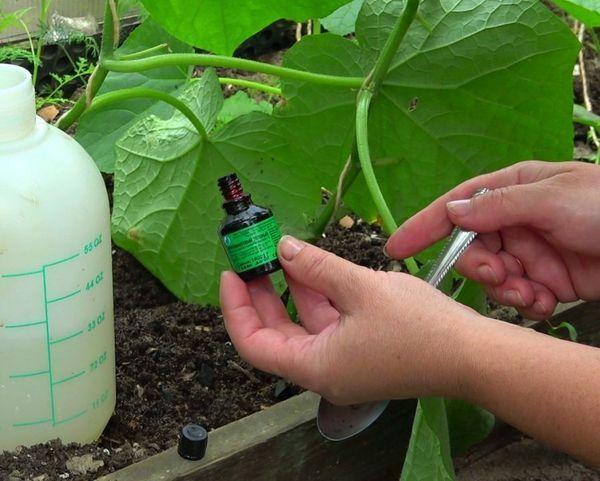
In addition to promoting healthy growth, a mixture of iodine and brilliant green can help combat late blight. This treatment eliminates the effects of the disease and heals damage to the foliage and stems. Watering the plants with the solution helps strengthen the roots of cucumbers grown both in the open ground and in greenhouses.
Application of wood ash
Wood ash is the most affordable and effective organic fertilizer, which can be used as an alternative to phosphorus and potassium-based chemical fertilizers. The combustion product of organic matter contains a large number of beneficial microelements that are readily absorbed by plants.
For processing cucumbers, ash Use in pure form or as part of a solution. To prepare the solution, dilute 100 g of ash in 10 liters of water and let it steep for a week. Feed cucumbers with the liquid mixture simultaneously with watering.
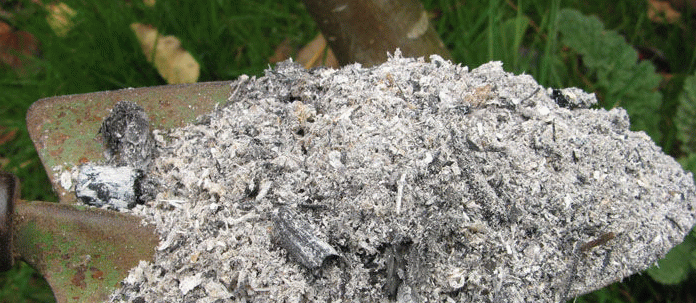
Dry wood ash is used when sowing seedlings and during autumn tilling. A cup of ash is poured onto a square of soil. A small trench up to 15 cm deep is dug around the seedlings, the ash is filled in, and the top is covered with soil.
Using garlic solution
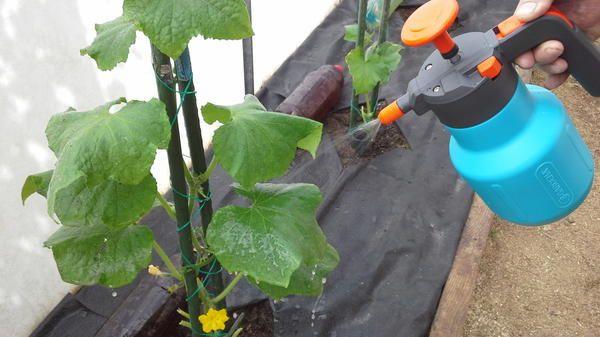
By mixing crushed garlic with 0.5 liters of vegetable oil and 30 ml of liquid soap, and then letting the solution sit for 24 hours, you can create a protective spray. The garlic solution should be sprayed on the above-ground parts of plants susceptible to infectious diseases.
Spraying with whey
Whey should be used during fruiting and harvest. Whey contains monoacid bacteria, which reduce the activity of pathogens. Treatment of cucumbers creates a thin film on the surface of the leaf blades, providing protection against fungal penetration. The only drawback of using serum is that the effect is short-lived, so the treatment has to be done more often than with other products.
Top dressing with a mullein solution
Mullein is added to the soil to boost plant immunity and increase harvest yields. A mullein solution enriches the soil with nutrients and promotes the rapid growth of beneficial microorganisms. To prepare the solution, simply mix mullein with warm water in a 1:2 ratio.
Prevention and protection from diseases
To simplify daily care and reduce the risk of disease, it's essential to regularly perform preventative measures. For this purpose, it's recommended to periodically spray plants with protective solutions, apply nutrient-rich fertilizers, clear the beds of weeds and plant debris, follow proper agricultural practices, and monitor environmental conditions.
Related posts:
 How to properly plant cucumbers in open ground with seeds, and at what depth
 How to care for cucumbers in open ground from planting to harvesting
 Description of unusual methods for planting and growing cucumbers
 How to make a cucumber trellis with your own hands from scrap materials
 Is it possible to soak treated cucumber seeds before planting and how to do it correctly?
 Description of the best varieties of Chinese cucumbers, planting, growing and care
 Types of fungicides for cucumbers in a greenhouse and instructions for use
 How to control onion flies using natural and chemical methods