
- Benefits of growing citrus from seed
- What crops are suitable for planting at home?
- Orange
- Mandarin
- Pomelo
- Lemon and lime
- What do citrus plants require?
- Climate conditions
- Location
- Optimal soil composition
- Pot dimensions
- How to plant a seed: timing and technology
- When to expect sprouts
- Further care
- Spring-summer
- Autumn-Winter
- What fertilizers does citrus like?
- Will the tree bear fruit?
- Vaccination options
- Into the cleft
- Budding
- For the bark
- When will the tree begin to bear fruit after grafting?
- Features of flowering and fruiting
- Harvesting and storage
Growing citrus fruits at home from seeds is a pressing issue. Many people are interested in how to properly plant seeds to ensure a successful harvest. Furthermore, it's important to provide the crop with high-quality and comprehensive care. This includes timely watering, fertilizing, and pruning. Protecting the crop from diseases and pests is also crucial.
Benefits of growing citrus from seed
Citrus fruits are wonderful ornamentals. They are characterized by vibrant berries and beautiful, rich green leaves. Fruit grown on a windowsill is juicier and tastier than store-bought. They are not treated with chemicals and are therefore completely safe for the body.
The main benefits of home-grown citrus fruits include their health benefits. Eating them can achieve the following results:
- strengthen the immune system thanks to the increased content of vitamin C;
- accelerate recovery from acute respiratory viral infections and influenza;
- activate the functioning of the digestive organs;
- normalize the functioning of the visual organ;
- increase the tone of the body.
Citrus fruits also have excellent taste. Their juice is used in cosmetology to improve the condition of skin, hair, and nails.
What crops are suitable for planting at home?
To achieve success in growing a crop, it's important to choose the right variety. Not all citrus plants thrive indoors.

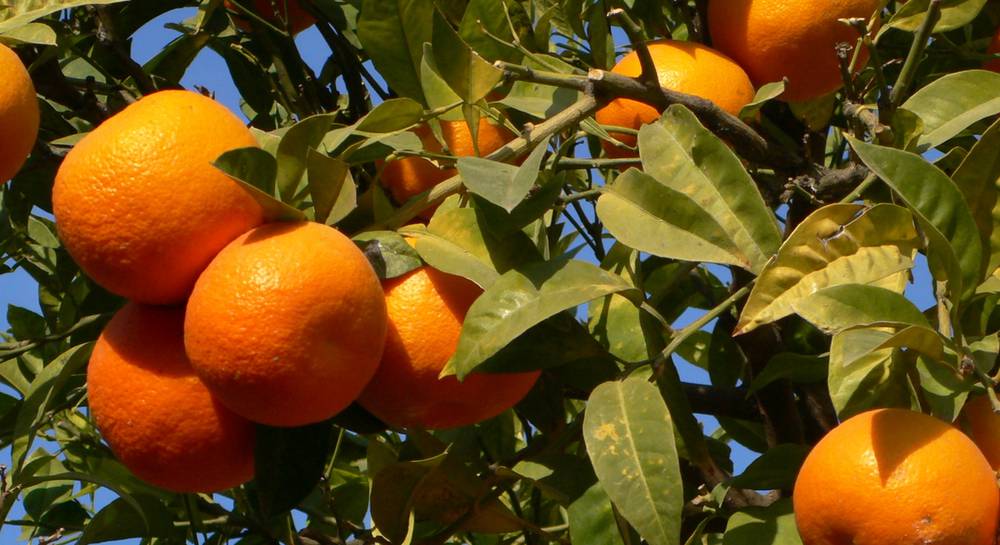
Orange
This plant produces a good harvest throughout the year. It bears fine fruit and exudes a wonderful aroma. Growing an orange tree indoors can present certain challenges.
The main difficulty is considered to be its poor tolerance to low temperatures. For the tree to thrive, temperatures must be maintained at between +18 and -24 degrees Celsius. The plant also requires 2-3 hours of direct sunlight. Therefore, choosing the right location is crucial. The tree does not tolerate being moved or relocated easily.
Oranges require regular watering and misting. These procedures are recommended at least twice a week. The Adjarian and Gamlin varieties are best for indoor cultivation. Washington Navel and Korolek Pear-shaped are also acceptable.
Mandarin
This plant requires repotting in the spring. The mandarin is considered a heat-loving plant and is demanding of humidity. At home, the plant should be kept at a temperature of at least 20 degrees Celsius. Otherwise, it will quickly die.
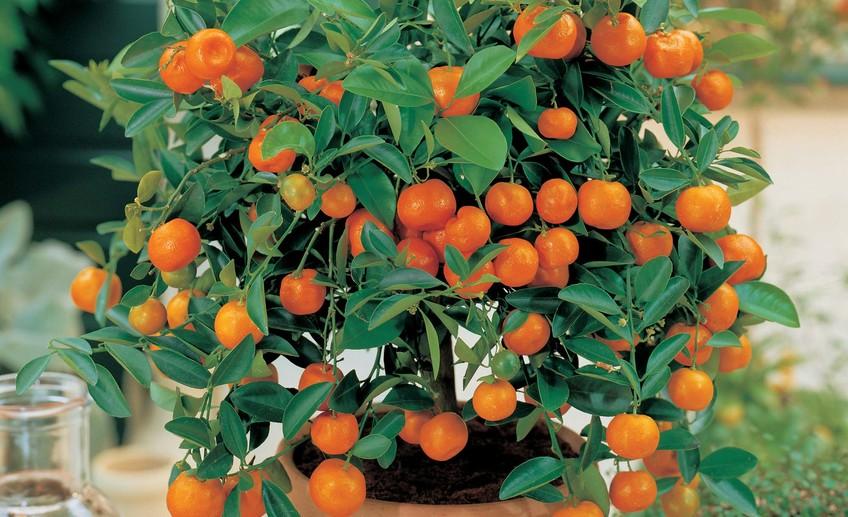
The plant's main advantage is its relatively early onset of fruiting. The first harvest can be obtained in just 5-6 years. In addition to its moisture and light requirements, the mandarin requires regular fertilization and pest control. The plant is often attacked by aphids. It is also susceptible to mealybugs and spider mites. Difficulty flowering is a common problem for the mandarin, requiring frequent stimulation.
Pomelo
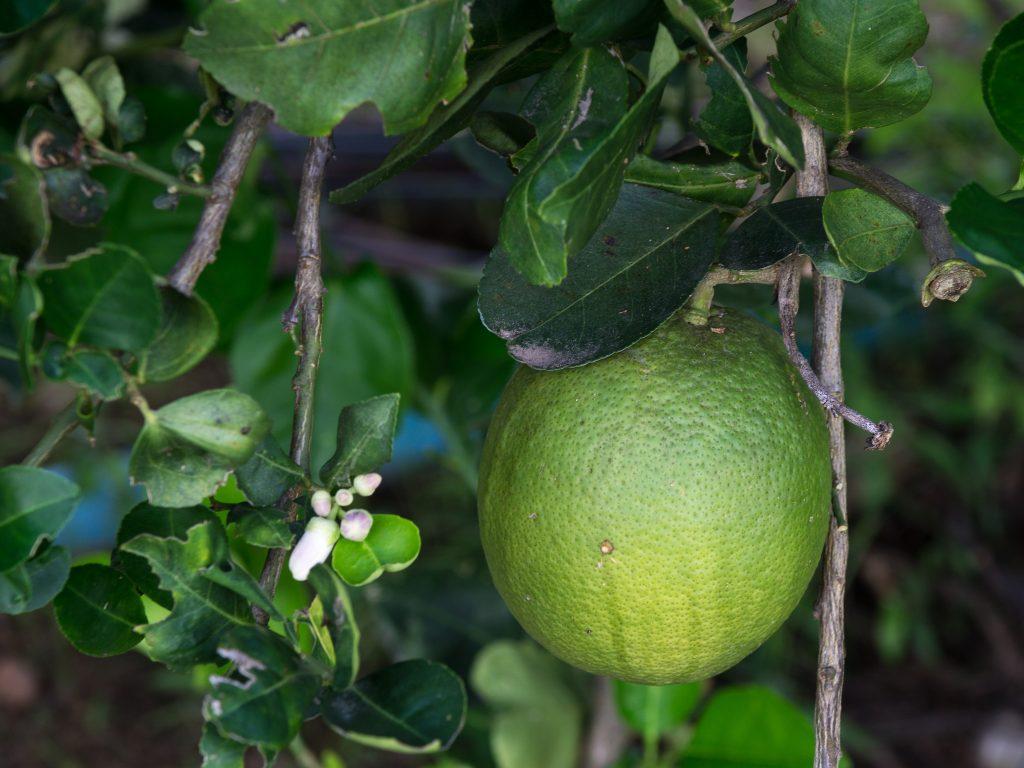
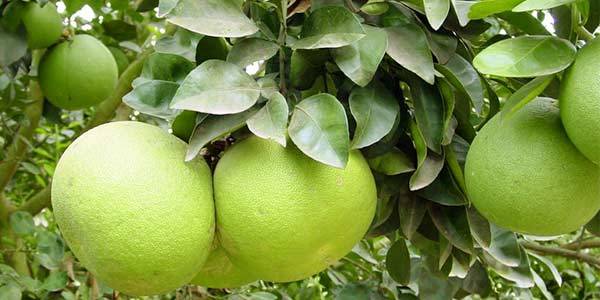
Many people consider this fruit a hybrid. However, pomelo is actually a distinct plant. It is often used for breeding. For example, pomelite was created from white grapefruit and pomelo. Pomelo's taste is most reminiscent of grapefruit. However, its skin is a rich yellow color and quite thick. Inside, there are segments with white tissue separating them, which has a bitter taste.
Take a look Also

The tree can reach 15 meters in height. It is distinguished by its large leaves. The plant has a spherical crown. Flowers can be solitary or form clusters of 2-10. They are white and reach 4-7 millimeters in diameter.
Fruiting continues for up to 7 months.
Lemon and lime
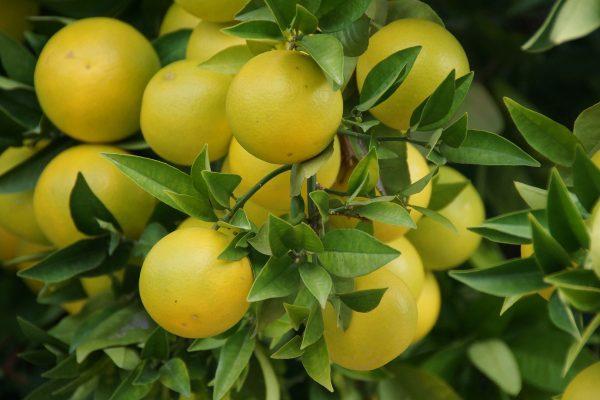
The lemon tree is considered one of the most undemanding and resilient citrus fruits. It boasts excellent fruiting and frost resistance. It can be grown in conditions with low light and moisture levels.
It's important to keep in mind that this crop requires regular pruning and fertilization. Strict adherence to these conditions will yield delicious fruits with a wonderful aroma. Limes are also often grown indoors. They have a green hue and a distinctive aroma. Their flavor is quite tart and can contain a slight bitterness.
What do citrus plants require?
To achieve success in growing citrus plants, it is recommended to follow a number of recommendations.
Climate conditions
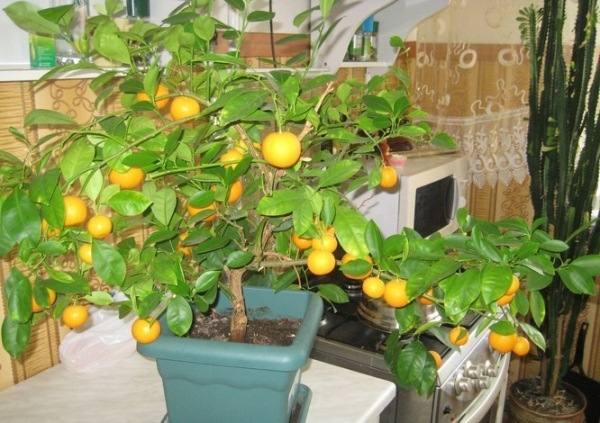
Indoor plants are at risk from areas with excessively warm or excessively cold air. Under these unfavorable conditions, foliage begins to fall off.
In summer, the optimal temperature for citrus fruits is 22-24 degrees Celsius. In autumn and winter, before the dormant period, temperatures should be 16-20 degrees Celsius. The optimal temperature for bud formation is 16 degrees Celsius. During the growing season and fruit ripening, temperatures should be 22-24 degrees Celsius.
Humidity levels should be sufficiently high. To maintain optimal levels, it's worth misting the plants daily. It's also important to ensure the water temperature is at least 25 degrees Celsius. Plants react very sensitively to excessively dry indoor air.
Location
A citrus plant pot is best placed on a windowsill facing east or south. Southeast or southwest exposures are also suitable. It's important to ensure the plant receives sufficient light. However, direct and strong rays can be harmful to the plant. Therefore, it's best to provide some shade.

In summer, the plant pot can be moved to the balcony or garden. Fresh air is very beneficial for the plant. However, it's important to take measures to protect the tree from strong sunlight. Humidity control is also crucial.
The pot should be brought inside when the air temperature reaches 14 degrees Celsius. However, it's important to keep in mind that changing the location can cause serious stress. Therefore, experts advise against abruptly rotating the pots with respect to the sun. This should be done by a maximum of 10 degrees every 10-15 days.
Optimal soil composition
Indoor citrus plants require specialized soil. A good substrate can only be purchased at a specialty store. Its quality should be beyond doubt.
Pot dimensions
The pot should be made of wood. Unglazed fired clay is also a good option. The container must have drainage holes.

For citrus fruits, pots with a top diameter that matches the height are suitable. The bottom should be moderately narrow. For an annual plant, a container with a top diameter of 10-15 centimeters is suitable.
How to plant a seed: timing and technology
To grow a tree, it is recommended to follow these steps:
- choose planting material - it is important that the fruit is ripe and of good quality;
- wash the bone from the pulp and place it in water for a day;
- place in prepared substrate to a depth of maximum 2 centimeters;
- When transplanting young plants, the transshipment method is used;
- Cover the pot with film and place it in a warm, dark place.
Take a look Also
When to expect sprouts
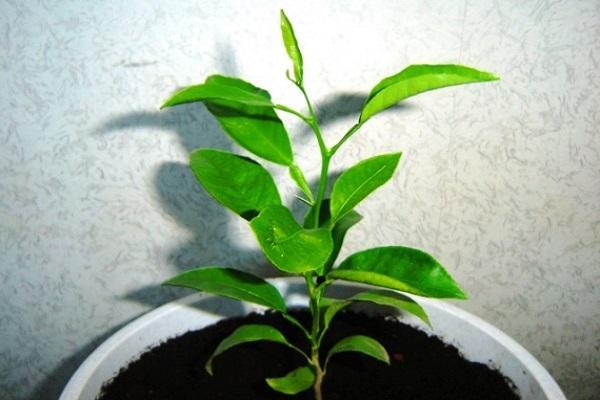
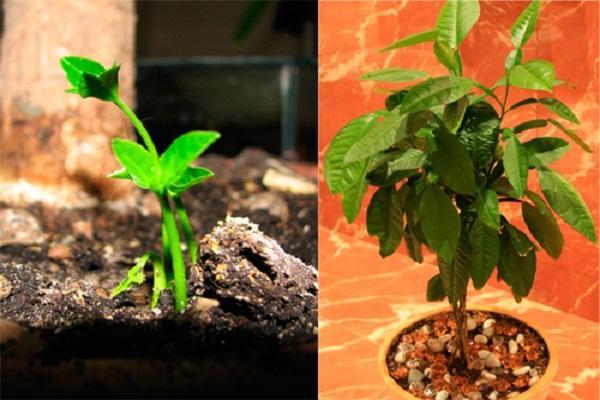
Sprouts will appear within 2 weeks to 2 months. A single seed can produce several sprouts. It is recommended to leave the strongest plant. The remaining ones are cut off at soil level.
Further care
To obtain a bountiful and high-quality harvest, proper tree care is essential. Agricultural practices are directly dependent on seasonal factors.
Spring-summer
First of all, it's recommended to water citrus fruits properly. This should be done at two-day intervals.Starting in March, it's recommended to fertilize the plant at three-week intervals. Organic fertilizers should be alternated with mineral fertilizers. During summer, fertilize during watering.
Autumn-Winter
During this period, due to insufficient sunlight and extremely dry air, plant development stops. This is when the dormant period begins. During this time, the plant requires special attention.
There are several methods for ensuring a dormant period:
- a significant decrease in temperature to +5-10 degrees and darkness - this is called a period of complete rest;
- a slight decrease in temperature and additional lighting - this state is called a period of relative rest.
The complete dormancy period lasts three months. During this period, the tree should not be watered. Cool air is considered sufficiently humid. The plant can be moved to a basement or garage. However, its condition should be monitored periodically.
Relative rest requires additional lighting. This is achieved using special lamps. However, watering should be reduced. The air temperature should be between 12 and 15 degrees Celsius. Therefore, the plant should be placed in a cool, moderately heated area. If the room's humidity is low, periodic misting is recommended. In spring, watering should be increased and fertilizer should be added gradually.
What fertilizers does citrus like?
To choose the best fertilizer, it's worth consulting expert recommendations. Mineral and organic fertilizers are suitable for citrus plants, and it's recommended to alternate them. Sometimes, combination fertilizers are used.
Homemade solutions are also acceptable. These are made from tea leaves, coffee grounds, and sugar. Aquarium water is also acceptable for irrigation, as it contains vermicompost. It's important to note that the combination of organic and mineral solutions is strictly prohibited. This combination will damage the root system and may even result in the death of the plant.
A good organic fertilizer option is an infusion made from horse manure. To do this, add 100 grams of the mixture to 1 liter of water and let it steep for 14 days. Alternatively, citrus plants can be fertilized with chicken manure. Use 40 grams of the mixture per liter. The addition of mineral fertilizers is also important. Urea contains a lot of nitrogen.
To prepare a useful solution, it is recommended to take 1.5 grams of the substance per 1 liter of liquid.
Nitrogen-containing fertilizers should not be used during flowering and fruit formation, as this may cause fruit drop. Potassium and phosphorus fertilizers are best used during this period. Once the fruit reaches 15 millimeters, nitrogen fertilizers can be used again. Magnesium should also be included in the fertilizing regimen. A deficiency of magnesium causes chlorosis, which causes leaves to lose color and sometimes die.
Will the tree bear fruit?
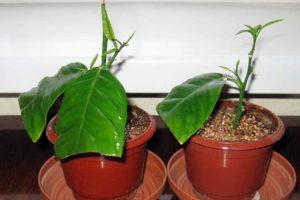
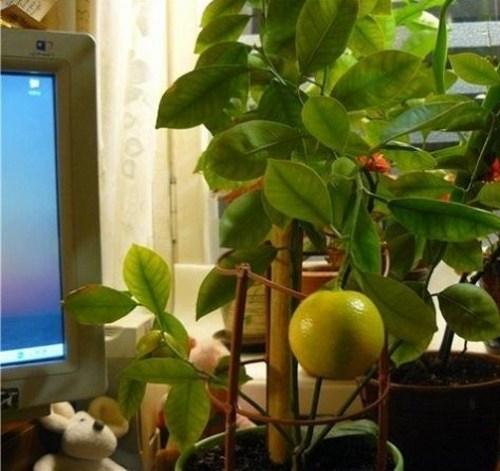
Fruiting doesn't begin immediately on a plant grown from seed. Lemons only bear fruit after 15-25 years, while oranges and tangerines take 10-15 years. Grapefruits begin bearing fruit the fastest, taking 3-5 years to produce.
To speed up the fruiting period and harvest the first crop within 2-4 years, grafting is recommended. This is done using a cultivated fruit-bearing plant.
Vaccination options
Today, there are many variations of this procedure, each with its own unique characteristics.
Into the cleft
This is a standard grafting method. Before the procedure, it is recommended to sharpen the scion on both ends. It is then placed into the rootstock cleft. It is important that the plant be sufficiently mature. Before grafting, it is recommended to carefully prune the rootstock. This should remove most of the shoots. This should leave a few leaves on the plant, which are necessary for photosynthesis. Severe pruning will ensure adequate nutrition for the graft.
Budding
This is the simplest and most popular method. The vaccination should be done as follows:
- Use pruning shears to cut the leaves off the scion cuttings, leaving the petioles. You can use these to harvest the bud.
- Make a thin, 1.5-centimeter-long cut in the bark of the rootstock. This will create a pocket.
- Cut the bud smoothly and evenly from the scion so that the scion matches the length of the cut on the rootstock.
- Grasp the cut bud by the petiole and place it in the pocket. It's important that it completely covers the exposed portion of the rootstock.
- Wrap the graft with tape from the bottom up, leaving the bud exposed. Then wrap it with a second layer from the top down.
- Make a loop and tighten the ribbon.
- Cover the tree with a transparent bag to achieve the required humidity level.
For the bark
This method is used when there is a significant difference in the thickness of the rootstock and scion. It allows the scion to adapt to a relatively thick rootstock.
When will the tree begin to bear fruit after grafting?
Grafting citrus fruits allows you to create a fruit-bearing plant. With proper care, it will produce a good harvest every year. The first fruits will be produced in 1-1.5 years.
Features of flowering and fruiting
A plant grown from a seed will take 10 years to bloom. The fruit may also have a distinctive flavor. For faster results, grafting is recommended.
Harvesting and storage
It's recommended to harvest the fruit when it's ripe. Ripe fruit has a pleasant taste and contains the maximum amount of nutrients.Ripe fruits can be stored in the refrigerator for about 1 month. Cut or peeled fruits should be eaten within 2 days. They dry out quickly in this form.
Citrus fruits can be grown at home. However, proper selection and preparation of planting material is essential. Strict adherence to proper agricultural practices is also crucial.
Related posts:
 Methods for planting and propagating cherries at home
 Conditions for growing mandarin at home and rules for caring for the tree
 The best methods for growing grapes from seeds at home
 Growing and caring for hazelnuts in open ground, rules for planting hazelnuts
 Description and rules for growing Solaris grapes
 Rules for planting and caring for pears in open ground, how to grow them correctly
 The best grape varieties for growing in the Urals, planting and care rules in summer
 Peach tree care and agricultural secrets, pest control