
- Why graft a lemon tree?
- Advantages and disadvantages of the method
- Preparation and process of grafting lemon
- Tools for grafting lemon
- Optimal timing
- Selecting rootstock and scion
- We graft a lemon tree “into a cleft” or behind the bark
- Copulation (by cuttings)
- Budding (with a bud)
- How to bud graft a lemon tree to make it bear fruit
- Features of propagation in open ground
- Lemon care after the procedure
- What to do if it doesn’t take root?
- Tips from experienced gardeners
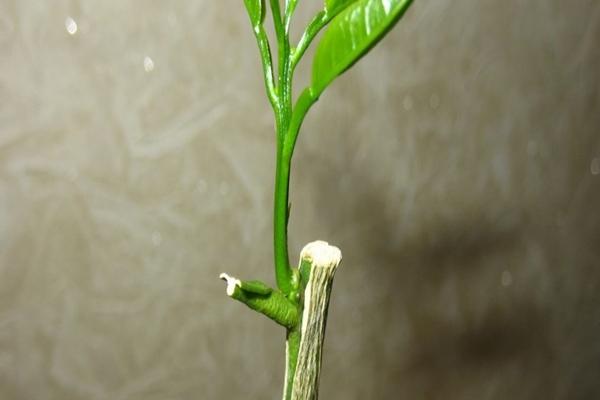
Before grafting lemon tree at home, you need to prepare for the procedure. First, you'll need to learn the theory behind how to graft a lemon tree at home. You'll need to prepare the tools and materials for grafting in advance, and be patient. You should also be prepared for the possibility that the grafting may not work the first time.
Why graft a lemon tree?
Grafting a lemon tree is a complex procedure, and often, especially for inexperienced gardeners, it's difficult to get it right the first time. But despite the difficulty, it's essential.
Why vaccination is necessary:
- The procedure helps to speed up fruit production.
- Not all lemon varieties can be propagated by cuttings or seeds; in some cases, grafting is the only way to propagate a tree.
- You can get a tree with new improved characteristics.
After this procedure, shoots develop, which can produce fruit the following year. Therefore, with a fruiting rootstock, lemons can be grown quickly.
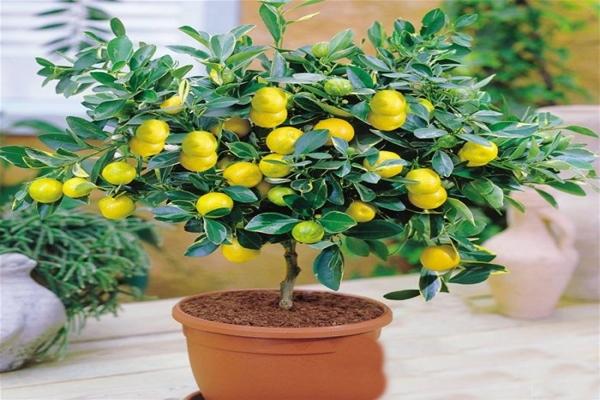
Advantages and disadvantages of the method
The advantages of citrus grafting include:
- This way you can rejuvenate the tree.
- Fruiting occurs faster.
- Grafted trees are usually immune to most diseases, unlike ungrafted plants.
- Lemon can be grafted onto any citrus tree.
- Lemons will grow large and fragrant.
- After the procedure, you can obtain a plant with new characteristics; the fruits of the new plant will combine all the qualities of the rootstock and scion.
There are no downsides to this procedure. Problems may arise if it's performed incorrectly. For example, the cutting may fail to take root and dry out or remain dormant for a very long time.
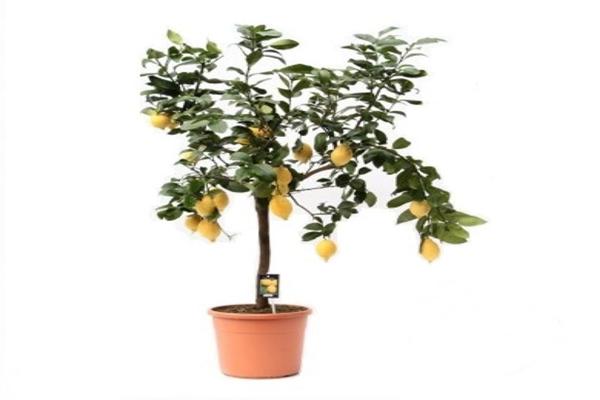
Preparation and process of grafting lemon
Before the procedure, you need to prepare the necessary tools, determine the timing, and select high-quality rootstock and scion. Then, study the main types of grafting and choose the most suitable one.
Tools for grafting lemon
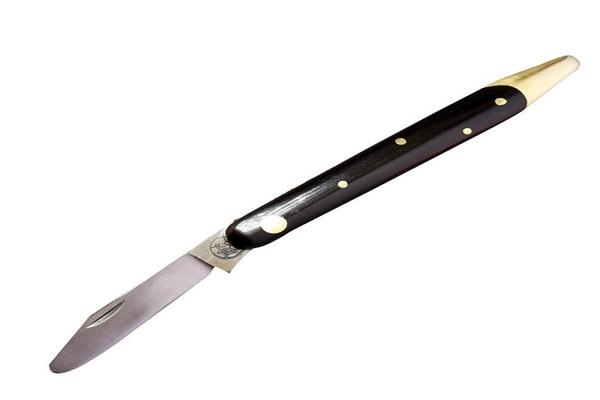
Before carrying out the vaccination, prepare the necessary tools:
- Budding knife (you can use pruning shears).
- Garden bandage (elastic tape will do).
- Cloth (soaked in water).
- Garden var.
The tools are sharpened, and the expiration date of the garden pitch is checked. Then the procedure begins.
Optimal timing
Another important point is choosing a favorable time for the procedure.
The timing depends on the type of grafting. Budding is performed before the sap begins to flow, from the first ten days of April to May.
Grafting of cuttings into scion and into bark can be done at any time of the year, but spring and summer are considered the most favorable period.
Selecting rootstock and scion
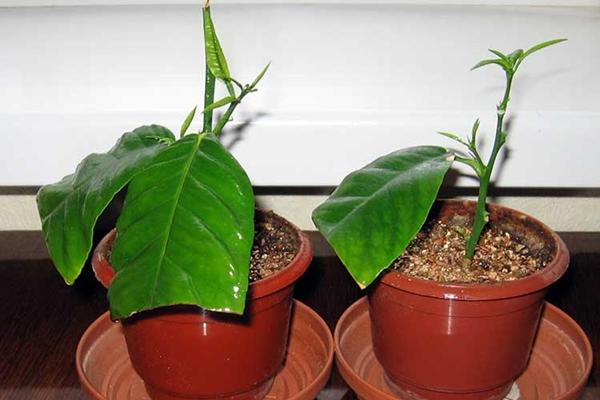
A small tree grown from a seed is used as a rootstock. This could be a grapefruit, another lemon variety, or an orange. The rootstock's trunk should be 5-6 cm thick. It's not recommended to use a mandarin as a rootstock. Grafts rarely take root on mandarins, and even if they do, they take a long time to grow. Mandarin wounds also heal poorly from cuts.
The second question is where to obtain the scion for the procedure. The scion is taken from three-year-old, healthy trees. Last year's woody shoots with green bark are suitable for cutting. The scion must be fruiting, otherwise the grafting will be pointless.
We graft a lemon tree “into a cleft” or behind the bark
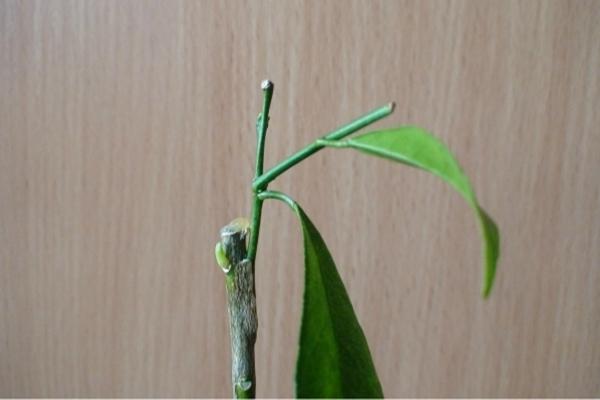
How to properly graft a cutting into a cleft:
- Make two oblique cuts on the cuttings, which should result in a sharp wedge 2-3 cm long.
- Two cuts are made in the rootstock so that the cutting can enter the hole.
- Insert the cutting into the cleft and secure it with tape.
Another method is bark grafting. The bottom of the scion is cut at an angle. A cut is made in the bark of the rootstock. The scion is then inserted into the cut and secured.
Copulation (by cuttings)
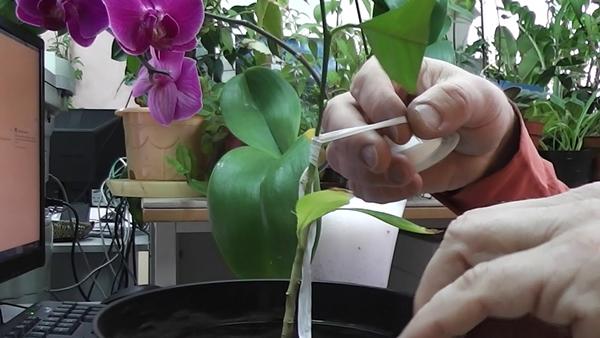
To graft using this method, the rootstock and scion must be the same diameter. The bottom of the scion and the top of the rootstock are cut at a 45-degree angle. The scion is inserted into the rootstock so that the cut side touches. The scion is then tightly wrapped with tape.
If the rootstock is larger than the scion, a portion of the wood is cut out using a wedge. The scion is then inserted into the cut and secured with tape. If, on the contrary, the scion is larger than the rootstock, the copulation method will have to be abandoned.
Budding (with a bud)
For budding you will need to prepare several buds.
How to graft a lemon using the budding method:
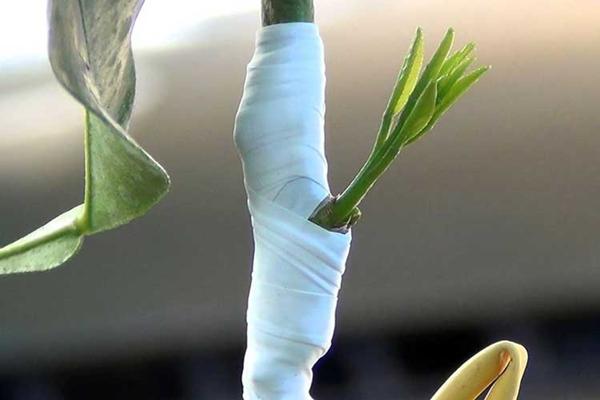
- An inverted T-shaped cut is made on the scion; the cut should be weak and it is undesirable to touch the wood.
- A large bud with part of the bark is cut from a fruit-bearing tree.
- The bark of the rootstock is pulled back and a bud is inserted.
- After this, it is tightly wrapped with elastic tape, the peephole should remain open.
It's best to graft several buds at once. If one doesn't take, there's a chance the others will, and the procedure won't be in vain.
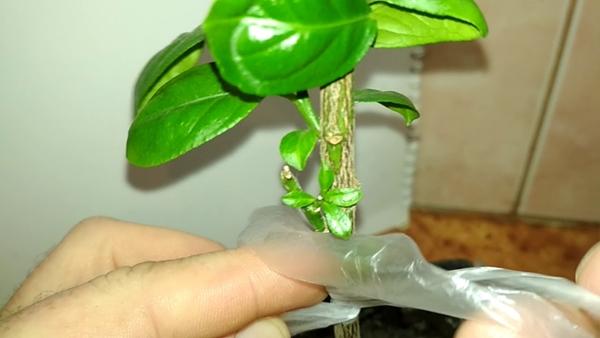
How to bud graft a lemon tree to make it bear fruit
A lemon tree grown at home from a seed often bears virtually no fruit.

How to graft a lemon tree from a seed to start producing fruit:
- First, select the rootstock. It should be a strong, healthy bush that is free of any diseases.
- Then the buds are cut. They should be large and without signs of damage. They are cut with some of the bark.
- A shallow cut is made in the rootstock, the bark is carefully pushed back and the bud is inserted into it.
- It is tightly fixed with tape.
- The rootstock is covered with a bottle, and wet cotton wool is placed inside to maintain humidity in the greenhouse. Once a day, the bottle is removed for two minutes to allow air to air out.
- After two weeks, you can spray the rootstock with a special solution that stimulates bud development. This can be "Obereg" or "Zircon."
After three weeks, the bottle is removed. Now you need to wait for the bud to take root before removing the tape.
Features of propagation in open ground
Lemon trees can only be grown outdoors in warm regions. In the north and central latitudes, no tree variety can withstand even a slight drop in temperature.
Lemon seedlings or cuttings are planted outdoors in spring or early summer, once the weather warms up. Choose a sunny, wind-protected site.
The seeds can be planted directly in the ground. To do this, wash them thoroughly and then plant them in the soil. It is not recommended to plant the seeds too deeply; it is better to cover them with a thin layer of soil. Once the seedlings emerge, loosen the soil regularly and apply fertilizer. Planting seeds in open ground is only suitable for southern regions with tropical climates.
Lemon care after the procedure
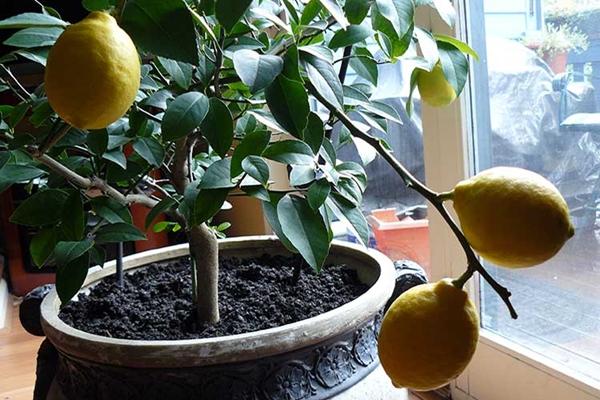
After grafting, the lemon tree requires care. To ensure the graft takes root, favorable growing conditions must be provided. It must receive sufficient sunlight. If it's constantly cloudy outside, add supplemental lighting.
After this procedure, you can increase the amount of fertilizing. During this period, the tree requires more nutrients. Cover the grafted tree with a bottle. Remove it for 2-3 minutes every day to aerate the soil. To maintain optimal humidity, place a damp cotton swab under the bottle. After 2 weeks, the bottle can be removed.
What to do if it doesn’t take root?
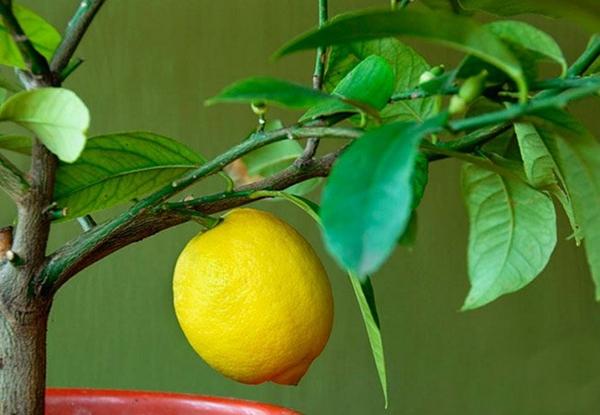
You can tell that the vaccination has not taken hold 2-3 weeks after it has been administered. The graft may not take root if the cutting was cut from a diseased tree or the rootstock was infected. It is also possible that the procedure was carried out after the sap began to flow.
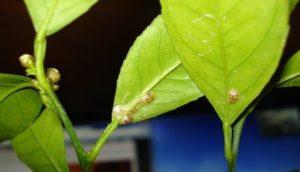
If the bud on the cutting is dormant or "reserve," it will take much longer for it to take root, so before despairing, you need to wait a few months without removing the greenhouse from the tree.
Sometimes, a kidney can "sleep" for not just months, but years. There's no explanation for this phenomenon. In this case, you can wait until it awakens, or repeat the procedure. To speed up the process, you can treat the kidney with Zircon, Obereg, or Cytokinin.
During the procedure, it is always necessary to make several vaccinations, use high-quality and healthy material, and disinfect the instruments before vaccination.
Tips from experienced gardeners
Gardeners' tips:
- It's impossible to grow a fruiting lemon tree from a seed. Even if the tree does produce fruit, it will taste bad. To ensure fruiting, a tree must be grafted or propagated from cuttings of a mature plant.
- During grafting, all steps must be performed quickly. If the procedure is performed too slowly, the tissue may begin to oxidize, which will prevent the graft from taking.
- All instruments and hands must be thoroughly washed with soap.
- All cuts should be smooth and even, with no splinters or kinks. Therefore, sharpen your tools again before the procedure.
- The place on the scion where the cutting will be attached and the cutting itself are wiped with a wet cloth.
- The scion is not cut off in advance; this is done immediately before the rootstock is inserted into it.
By following all the rules of agricultural technology, even a beginner can successfully graft a lemon.
Related posts:
 Choosing a rootstock for cherry grafting and budding rules for beginners
 How and whether it is possible to graft an apricot, the choice of rootstock, timing and methods of budding
 Timing and methods for grafting walnuts at home in summer
 Timing and methods of grafting a peach tree, rules of procedure
 How and where to graft an apple tree: a step-by-step guide for beginners on budding
 When and how to properly graft a pear tree step by step for beginners
 Rules and methods for grafting plums in summer, tips for beginners
 How to grow a lemon from a seed at home, whether it will bear fruit, and care instructions