
- Is it possible to grow a lemon from a seed?
- Will the lemon tree bear fruit?
- The best varieties for growing at home
- Pavlovsky
- Meyer
- Ponderosa
- Anniversary
- Genoa
- Villa Franca
- Lunario
- Preparatory activities
- How to choose the right place?
- Which pot should I choose?
- Soil
- Seed preparation
- Landing
- Deadlines
- Depth and rules for planting seeds
- Necessary conditions for germination
- Watering and air humidity
- Daylight and temperature
- When to expect seedlings
- Further care of the crop
Gardeners who love exotic fruits often ask how to grow a lemon from a seed at home. This process is a bit more involved than growing crops native to our area. The tree will require additional care, fertilizer, and supplemental feeding.
Is it possible to grow a lemon from a seed?
You can grow a lemon tree from a seed, but you'll need fresh seeds. These are taken from ripe, disease-free fruits. To ensure success, plant several seeds at once. Planting will take place without grafting. However, grafting is done afterward to ensure fruiting. To do this, use a year-old sapling and graft a young branch onto it. This is how a lemon tree is grown.
Will the lemon tree bear fruit?
Lemon trees grown by grafting only bear fruit indoors, as our region is not suitable for outdoor cultivation. The plant requires warmth and a specific temperature. All these factors will help ensure a fruit-bearing tree.
The best varieties for growing at home
Planting a lemon at home isn't all that difficult—just stick a seed in the soil. But this plant isn't as simple as it seems. Being a tropical fruit, it requires special care and attention, and not all varieties are suitable for indoor growing. For this reason, there are indoor hybrids, which are much easier to grow.
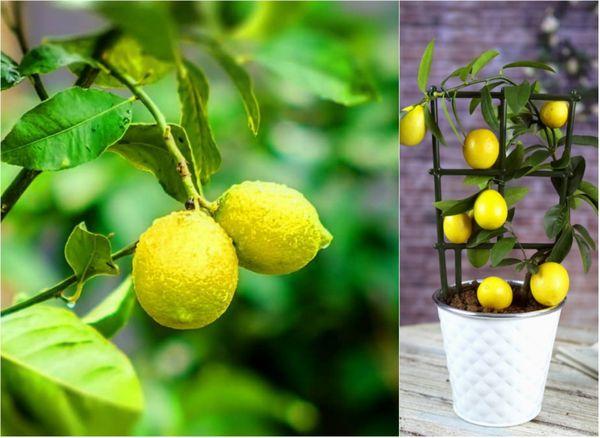
Pavlovsky
This variety was introduced 100 years ago. It became quite popular in Pavlovo and was grown in almost every home. Its popularity remains strong today. The lemon tree grows as a small bush, reaching 1-2 meters in height. The crown is rounded.
Lemon trees also have thorns 1-2 centimeters long, but some specimens lack these "protectors." The shoots grow 50-70 centimeters per year. This variety has fairly large leaves. They are green, ovoid with a pointed tip, and have a glossy finish. They remain on the branch for 2-3 years, after which they fall off, and new ones grow in their place. The more leaves a lemon tree has, the greater the yield you can expect from this tree. The flowers are large.
Pavlovsky lemon is a self-pollinating plant. Abundant flowering occurs in two distinct periods: in spring, in March and April, and in autumn, in September and October. Fruiting begins in the second or third year of life. However, at this time, the flowers are removed to allow the lemon to establish itself. The heaviest harvest is expected in the 15th to 20th year of life. The fruits are bright yellow.
Meyer
Also known as the Chinese lemon, it's considered a hybrid of orange and lemon, created by nature itself. This variety is the smallest of its kind. The tree grows to a height of 1-1.5 meters. The leaves are a rich green with a distinctive sheen.
Take a look Also

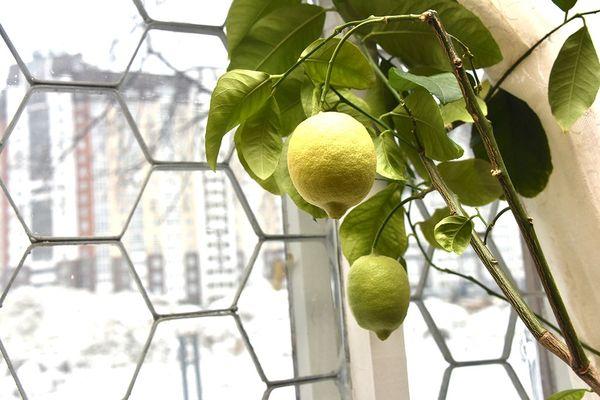
The tree bears fruit year-round, yielding 2-3 kilograms per season. A single lemon weighs 50-70 grams. The fruit is bright yellow with a thin skin. The orange flesh is tart and slightly bitter. This variety is resistant to freezing temperatures and has an excellent ornamental appearance. This variety requires special care, otherwise the tree will quickly become diseased and die. The fruit does not store well. The taste is excellent.
Ponderosa
A small, bushy tree. The plant grows 1-1.5 meters tall. The crown's shape depends on how it's trained. This is most often done for decorative purposes. Its volume is small because it requires frequent pruning.
The leaves are large and dark green. The petiole is short. The foliage changes every three years. The lemon tree has thick shoots and gray bark. As the tree ages, small cracks appear. Young seedlings are thornless.
Ponderosa blooms profusely. If flowers grow on the trunk, they are pruned until healthy shoots emerge. Normal flowers form only at the ends of branches. However, this tree produces a low yield.

Lemons are propagated by cuttings. The fruits are large. Some lemons have weighed up to a kilogram. They are round in shape. The skin is thick, the flesh is sour, without a distinctive aroma, and has a bitter taste.
Peak fruiting is 12 years.
Anniversary
This variety was developed in the USSR. The crown is medium-sized, and the lemon tree grows to 1-1.5 meters tall. The branches are strong but can break under the weight of the fruit. The leaves are large, green, thick, and durable. The foliage is rich in thorns of varying sizes.
Yubileyny blooms profusely; its large, white-pink flowers often interfere with crown formation. It is self-fertile but also serves as a pollinator for other lemon varieties. It tolerates drought well and doesn't require abundant watering. The average lemon weighs 800 grams. It produces high yields and bears fruit early.
Genoa
The tree is large, 2-3 meters tall, and thornless. It produces a high yield. By the fourth year, a tree produces 50 fruits. It requires good light. The crown is oval and has many leaves. The bark is brown. The upper part of the shoots has many fine spines. The leaves are large, ovoid, sometimes round.
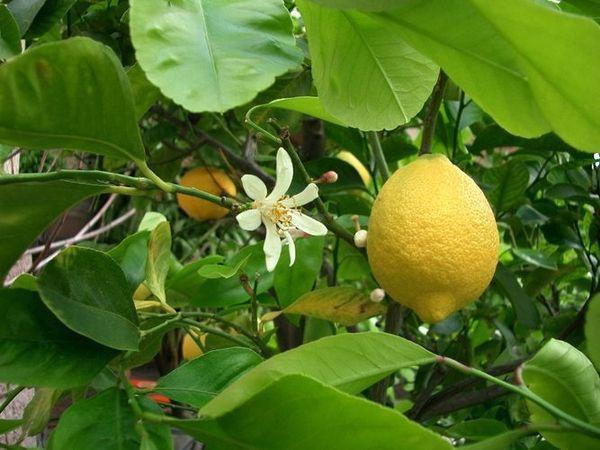
The flowers are large, clustered in groups of 3-4. Flowering occurs in the 4th or 5th year of life. The skin is yellow, dense, and slightly sweet. The flesh is juicy, mild in flavor, and difficult to peel. The fruit weighs 100-130 grams and is oval in shape. A dense membrane is located between the segments.
Villa Franca
This variety originates from the USA. The tree is medium-sized, with a rounded, pyramidal crown and numerous leaves. The branches are strong and not very thick. The leaves are light green and ovoid. The flowers are small. The fruits are large and oblong. The skin is smooth and dense.
Each lemon weighs 100-120 grams. The flesh is delicate, has a distinctive, pleasant aroma, is juicy, and has a good flavor. It is light yellow in color. The fruit is divided into 10 segments. The tree bears fruit in its second or third year. It tolerates heat well and requires full sun.

Lunario
One of the most popular varieties today. Its name comes from the fact that lemon fruiting depends on the phases of the moon. The tree grows up to 2 meters tall, with large, glossy, oval-shaped leaves. Flowering continues year-round. Large, pinkish-white buds.

The fruits are large, elongated, and oval in shape. The lemons grow close to the branches. The fruit is pale yellow, with a thin, smooth peel. The flesh is soft, divided into 9-12 segments. The fruits contain very few or no seeds. Pruning is performed annually, as the tree grows rapidly.
Preparatory activities
Before planting, keep in mind that the lemon tree requires a sunny location, as it is an exotic tree. However, care should be taken to avoid direct sunlight.
How to choose the right place?
The location should maintain a consistent temperature, preferably with humid air, as it is a tropical tree. Lemon also doesn't tolerate drafts, so the location shouldn't be windy. A south or east exposure is usually preferred. If the chosen location is too sunny, move the plant to a shaded area, and if it's overcast, use additional lighting.
In summer, the lemon tree is moved to the balcony and returned to its original location in the fall. In winter, the temperature should not drop below 10 degrees Celsius.
Which pot should I choose?
Ornamental varieties are planted in pots. For small plants, use a clay pot; for larger ones, use a tub. Make a hole in the bottom of the container and add drainage.
Soil
Lemons are planted in loose soil types. The best choice is to plant lemons in prepared soil purchased at the store. If you use your own potting mix, it's important to consider the ratio of humus, turf, and sand. If you don't mix it correctly, the tree will quickly die from a lack of minerals and vitamins.
Seed preparation
Fresh seeds are best, as they have a better chance of growing into small plants. Seeds that have been sitting for a while may also germinate, but this is unlikely. The seed should show no signs of damage or disease.
Landing
First, choose a suitable location and check the soil composition.
Deadlines
In this case, planting timing isn't important; the main thing is to provide the right environment and maintain the right temperature. However, it's best to plant lemons in the spring.
Depth and rules for planting seeds
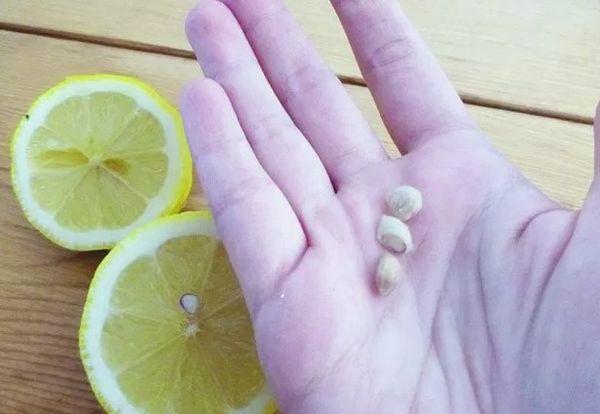
Plant several seeds at once to increase the chances of germination. Place the seeds at a depth of 2 centimeters. Moisten the soil before planting. After planting, cover the seeds with cut-off plastic bottles.
Necessary conditions for germination
Requirements for conditions:
- The germination temperature should not be below 18 degrees.
- Air humidity should also be high, 65-70 percent.
- You shouldn't water the soil immediately after planting, as the seeds may suffocate and become moldy.
- The soil is moistened only after it has completely dried out.

Germinating seeds is not a problem, but the time will vary depending on the temperature in the apartment.
Watering and air humidity
Water when the soil is noticeably dry. As the plant ages and begins to flower, increase the irrigation rate.
Daylight and temperature
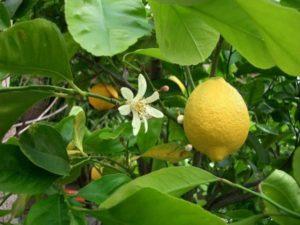
The plant is directly dependent on sunlight and temperature. On cloudy days, special light lamps are installed, and sometimes at night if the temperature drops below freezing. If there is insufficient light for photosynthesis, the tree enlarges its leaves. However, lemon trees require protection from direct sunlight.
When to expect seedlings
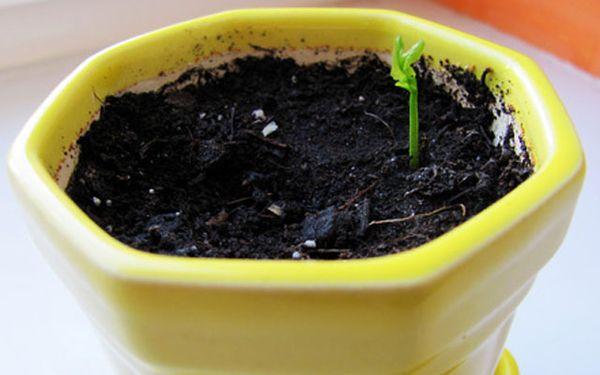
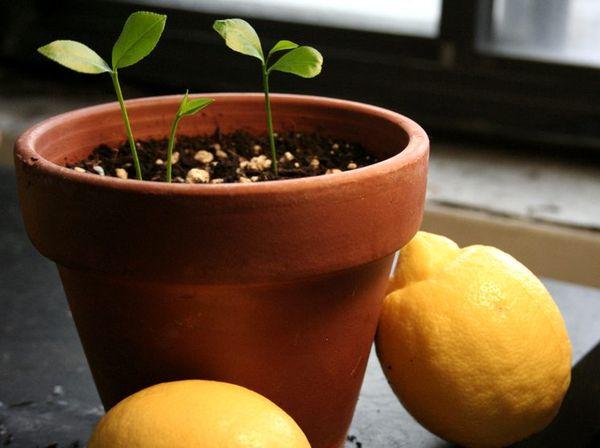
Sprouts emerge at varying rates. Typically, it takes between two weeks and a month. This depends on the variety, care, temperature, and soil. Until sprouts with four leaves emerge, lemon trees are kept in greenhouses.
Gradually acclimate the seedlings to room temperature and air. Young plants are misted more frequently. The pots are moved to a brighter location.
If you follow all the planting rules, even a beginner will grow an exotic fruit.
Further care of the crop
For further irrigation, use settled, room-temperature water. Rainwater or melted snow is also sometimes used, but it shouldn't be cold.
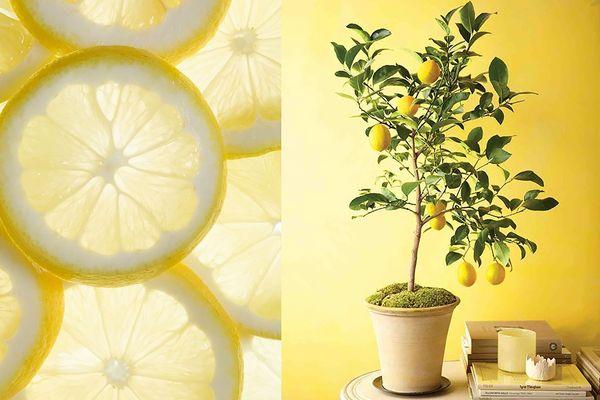
At first, the plant isn't fertilized; later, in spring and summer, it's watered with biofertilizers. However, be careful not to overfeed the plant. Temperature and humidity are regulated. Sudden changes in climate can destroy lemon. Avoid heat, dry air, drafts, and cold temperatures. Keep the leaves healthy. As autumn approaches, reduce watering, ensuring that water does not stagnate and that excess liquid is well absorbed by the soil.
Fertilizing is done only once during this period. During the first year of growth, the crown is shaped. All deformed, weak, and diseased branches growing incorrectly or inward are removed. These young seedlings are then transplanted into larger pots. There, the crown density is monitored, thorns are removed, and thin branches are discarded.

Young lemon trees are frequently repotted, especially in the first few years, with the soil lump being moved along with the lemon tree. Fertilize the bushes more frequently between February and September, as this is the period of active growth.
To ensure the tree forms correctly, pinch the top.
In the first year, the flowers are picked to allow the tree to gain strength for the next harvest. The tree is allowed to bloom when it has at least 15 leaves. By following all the care instructions, gardeners will enjoy a good harvest and a beautiful tree to decorate their home.
Related posts:
 Rules for growing and caring for a lemon tree in a pot at home
 How to plant walnuts, care for them, and grow them at home
 Descriptions of the 20 best cherry varieties for the Moscow region, their planting and care
 What to do if your lemon tree is losing leaves, what causes it, and how to revive it
 Description and cultivation of the 15 best cherry plum varieties for the Moscow region, planting and care rules
 Growing indoor Pavlovsky lemon at home, describing the variety and caring for it
 Methods and rules for grafting lemon trees at home to ensure they bear fruit
 What to do and how to make a lemon tree bloom, the best methods for improving fruiting