
- Reasons for the lack of flowering and fruiting
- Age of the tree
- Unsuitable conditions
- Lighting
- Humidity
- Temperature
- Mistakes when grafting lemon
- Nutritional deficiencies
- Abundant flowering
- Pests and diseases
- How to Restore Flowering and Fruit Set in Citrus
- Grafting and fertilization
- Correct crown formation
- Pulling branches together
- Protection and prevention from diseases and parasites
If a lemon tree isn't blooming, what should you do? This question worries many people. Experts advise first identifying the factors causing these changes. Then, steps should be taken to eliminate them. Poor maintenance conditions, disease or pest infestations, and the tree's age can all contribute to the lack of bloom.
Reasons for the lack of flowering and fruiting
There are many reasons why a tree fails to bloom or bear fruit. These include care errors, the tree's age, and the development of diseases.
Age of the tree
Some lemon varieties bloom quite quickly—just 2-3 years after planting or grafting. However, there are many varieties whose branches take 4-5 years to bloom.
Unsuitable conditions
A lemon tree requires care and the right conditions. If care recommendations are not followed, the tree will not grow and bear fruit. Common causes include the following:
- improper watering;
- lack of sunlight;
- deficiency of vitamins and microelements;
- Violation of plant planting techniques.
Lighting
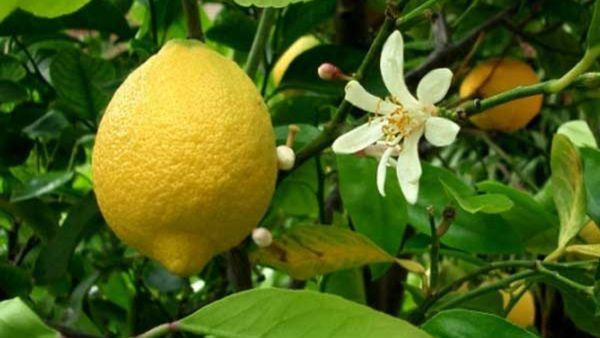
For a lemon tree to bloom and bear fruit fully, it requires bright but indirect light. Placing the pot in a dark corner or on a windowsill is not recommended. A southwest or southeast-facing window is best. When planted on a south-facing window, shade the crown from direct sunlight.
Humidity
The optimal humidity level for a lemon tree is 60-70%. However, achieving these levels in a typical apartment can be quite challenging.
Therefore, experienced specialists recommend regularly spraying the plant with warm water and treating the foliage with a damp cloth. Give the tree a shower once a month. It's recommended to place it away from heating devices.
It's recommended to protect lemons from dry air, which can negatively impact the leaves and buds, causing them to dry out and fall off.
Temperature
Lemons don't tolerate temperature fluctuations well. Sudden changes can cause the plant to produce numerous flowers, which will then fall off. Optimal temperatures for lemons are considered to be between 20 and 24 degrees Celsius. Higher temperatures have a negative impact on tree development. This is especially true for indoor spaces.
Mistakes when grafting lemon
When growing a seedling from seed, don't expect it to flower or produce a good harvest. Lemons must be grafted. Dioscursia and Meyer varieties are commonly used for this purpose. They produce a harvest the following year. Grapefruit or orange, grown from seed, are excellent rootstocks.
Nutritional deficiencies
During flowering, lemon trees require adequate nutrition, including plenty of vitamins and microelements. These nutrients should be supplied through fertilizer. If you don't feed the plant in a timely manner, the flowers will fall off.
Abundant flowering
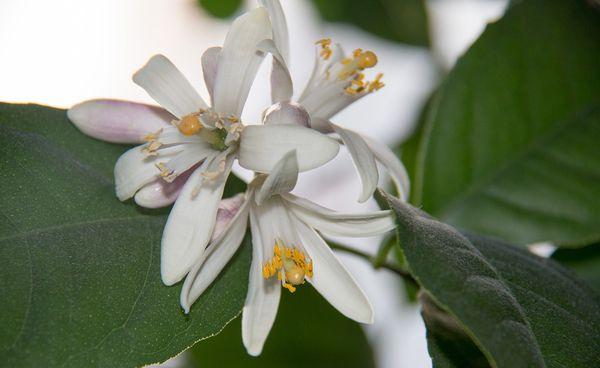
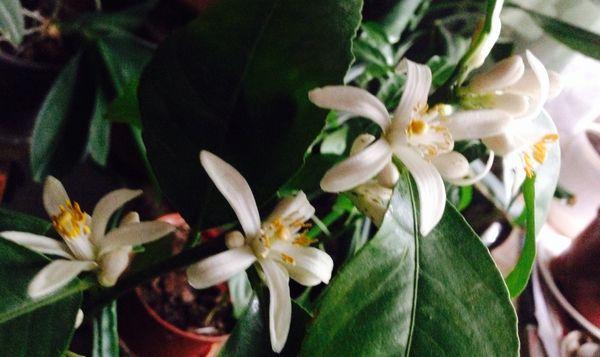
Sometimes, lemon trees bloom but produce no fruit. Experts recommend limiting the number of flowers by removing excess ones. Excessive blooms will drain the plant's energy, leading to problems with fruit set. It's important to keep in mind that there should be one flower for every 10 leaves.
Pests and diseases
Lemon trees can be susceptible to pest attacks or disease. During the flowering period, fungal microorganisms pose the greatest threat. To prevent their occurrence, monitor humidity levels and control the frequency of watering.
Common pests that can affect lemon trees include thrips, scale insects, and spider mites. An infected tree will not bloom or produce fruit. That is why it is so important to take timely measures to destroy parasites and infections.
How to Restore Flowering and Fruit Set in Citrus
To make a lemon tree bloom, it is recommended to improve the health of the tree and correct any mistakes in plant care.
Grafting and fertilization
If grafting is done correctly, a good harvest can be achieved in as little as three years. Bud grafting is commonly used. Cuttings can only be grafted if the branch has a few leaves. This procedure is performed in a cleft or behind the bark.
It is recommended to perform this procedure after the sap flow begins to actively flow. This occurs in April-May.
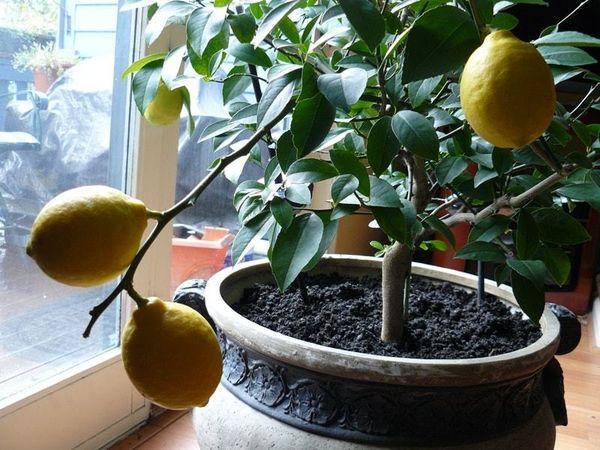
For rootstock, it's recommended to use strong seedlings with thick branches. Their bark should be easily separated from the wood. The new growth should include 5 leaves. To ensure proper grafting, use a clean, sharp knife. To ensure proper mating, tie the grafted plant tightly.
Take a look Also

If after 3 weeks the leaf petiole in the eye area has acquired a yellow tint, this indicates the success of the procedure. Problems can arise if the bark is difficult to separate from the wood.
When growing lemon trees indoors, they require adequate fertilization. During flowering, the plant requires two applications per month. In winter, the frequency of applications is reduced to once a month.
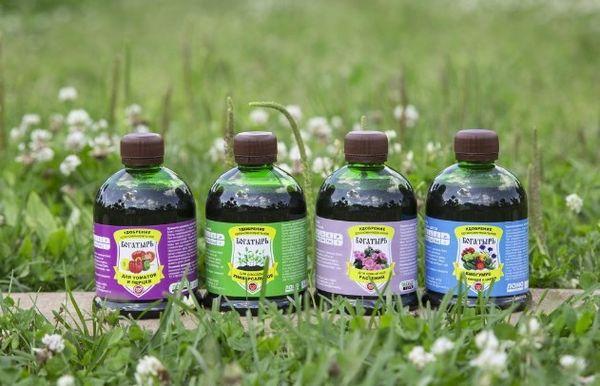
To grow the plant, use organic matter and humic fertilizer. Natural fertilizers containing a full range of micronutrients are also available. For lush flowering, use them from February to August.
Correct crown formation
To ensure full flowering, a lemon tree should be pruned regularly. This process begins in the first year of growth. Initially, the tops should be pruned, so that after three years, a crown with seven branches is achieved.
It's important to remember that flowers appear at the ends of thin shoots. Therefore, it's not recommended to prune them constantly. Otherwise, you won't be able to wait for flowering. With proper crown formation, flower stalks will appear a couple of years after planting. Lower branches should be pruned, as they won't produce flowers.
Pulling branches together
As the sap begins to flow, the lemon branches become flexible. To encourage flowering, it's recommended to tie them together at this point. This is best done with soft wire. This process concentrates the supply of nutrients, which helps stimulate the formation of flower stalks.
It is recommended to remove the garter in November. This procedure is carried out every 1-2 years.
Protection and prevention from diseases and parasites
To prevent disease or pest attacks, it's important to follow proper agricultural practices. These should primarily focus on strengthening the crop's immune system and increasing its resistance to infection.
To prevent chlorosis and stimulate plant growth, use a special solution. It's recommended to mix 15 grams each of ammonium nitrate and potassium sulfate, add 5 grams of boric acid, and 3 grams of ferrous sulfate.
Dissolve the mixture in 10 liters of water and water the lemon tree every 5 months. The solution provides protection against fungi and viruses and stimulates plant growth.
To ensure your lemon tree blooms, it's important to identify the root causes of any problems. It's essential to provide the plant with suitable growing conditions and adequate protection from diseases and pests.
Related posts:
 Methods for planting and propagating cherries at home
 How to grow a lemon from a seed at home, whether it will bear fruit, and care instructions
 The benefits and harms of lemon for the human body, the best recipes
 What to do if your lemon tree is losing leaves, what causes it, and how to revive it
 The best methods for growing grapes from seeds at home
 Conditions for growing mandarin at home and rules for caring for the tree
 The best grape varieties for growing in the Urals, planting and care rules in summer
 Peach tree care and agricultural secrets, pest control