
- Reasons for lemon leaves falling and drying out
- Related to improper care
- Water quality and irrigation rates
- Poor soil and lack of replanting
- Unsuitable climatic conditions: light, humidity, temperature
- Nutritional deficiencies
- Proximity to heating appliances
- Diseases and pests
- First symptoms and possible causes
- Blackening of leaf tips
- Spots appear on the leaves
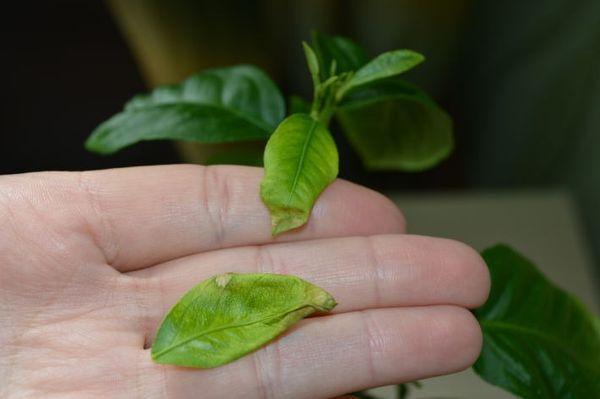
- Leaves become deformed and curled
- Localized drying of the tree
- Shedding of flowers, leaves and fruits
- Tips for saving a lemon
- We fertilize with special fertilizers for citrus fruits.
- We organize competent care
- Repotting and rearranging the plant pot
- Establishing a watering regime
- Protection and prevention from insects and diseases
- What to do with citrus fruits after purchasing them to prevent them from falling off?
- Preparing the plant for transfer from the street to the window
- Recommendations and advice
Growing a lemon tree at home is challenging, but entirely possible. However, one often encounters the problem of the tree wilting and yellowing foliage. There can be many reasons why a lemon tree frequently loses its leaves, ranging from improper care to pests or diseases.
Reasons for lemon leaves falling and drying out
There can be a number of causes for this problem, and it's not always possible to pinpoint them. Most often, problems are related to improper care, diseases or pests, or nutrient deficiencies in the soil.
Related to improper care
If your lemon tree's leaves are drying out and falling off, the first thing to look for is a lack of proper care. Improper watering, nutrient deficiencies, lack of sun, and a host of other factors can negatively impact the plant.
Water quality and irrigation rates
When your lemon tree starts to lose leaves, the first thing you need to do is evaluate your watering. The optimal time for watering is early morning or late evening, after sunset. In summer, trees need to be watered more frequently than in winter and fall. Always use only room-temperature water. Watering with ice-cold water can also negatively impact the plant.
You can't wait until the soil dries out, but watering too often won't do any good either. Water the soil as it dries. The frequency of watering depends on the room temperature and the size of the pot.
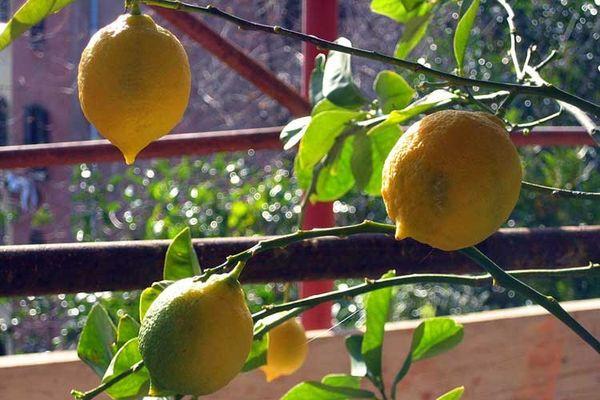
Poor soil and lack of replanting
Another cause is a lack of nutrients and a lack of repotting. As the lemon tree grows, it is transplanted into a larger pot. But even if the tree was planted in a spacious pot, it still needs to be repotted and the soil renewed after 2-3 years. This procedure is carried out in the second half of February.
Lemon requires a lot of nitrogen. However, other minerals (phosphorus, calcium, sulfur, potassium) are also essential for growth. Complex fertilizers for citrus trees are available at the store. Additionally, the soil is sprinkled with wood ash and mixed with tea leaves or manure.
Unsuitable climatic conditions: light, humidity, temperature
It's important to provide favorable conditions for your indoor lemon tree. It's a very delicate plant, and any deviation from the norm can cause the leaves to turn yellow and fall off.
To grow a lemon tree, you need to provide it with enough sunlight. The tree should be in full sun for most of the day.
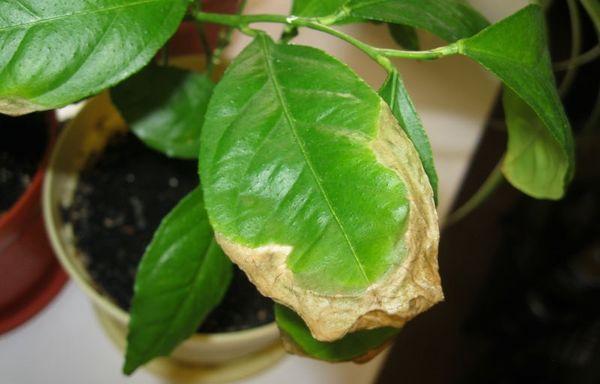
The second important factor is temperature. The plant will bloom and bear fruit only in warm conditions, so the room temperature should not fall below +22 degrees. However, lemon trees don't like sudden temperature increases, which are common in spring. Sudden temperature fluctuations often cause them to shed their leaves.
The plant also reacts sensitively to fluctuations in humidity. Insufficient humidity leads to yellowing and leaf drop. This is especially dangerous during flowering and fruit formation.
Nutritional deficiencies
When growing lemon trees, avoid nutrient deficiencies in the soil. While it may seem like regular watering is sufficient, the plant will not thrive without mineral fertilizers.
Proximity to heating appliances
Leaves turn yellow due to proximity to heating devices. This problem is especially acute in winter, when the air is very dry. During this period, it's best to move the pot away from the radiator, otherwise you'll have to constantly cover it with a damp cloth.
Diseases and pests
Lemon trees shed their leaves due to diseases and pests. If growing conditions are optimal, but the foliage continues to turn yellow, the cause may be diseases or insects.
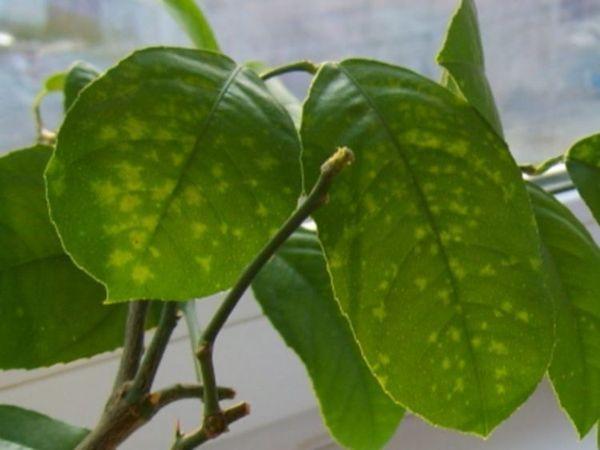
Common lemon diseases and pests:
- chlorosis;
- phyllostictosis;
- anthracnose;
- citrus cancer;
- aphid;
- scale insect;
- mealybug;
- spider mite.
The sooner problems are detected, the easier it is to cure the plant.
First symptoms and possible causes
As soon as symptoms of disease begin to appear, measures to treat them should be taken immediately. Delay in this case can lead to the lemon wilting, beyond saving.
Blackening of leaf tips
Leaf edges can turn black due to improper watering, dry air, or planting the seedling in poor soil. It's important to analyze your lemon tree's care and address any issues immediately. To prevent leaf edges from turning black, ensure proper watering. In winter, the room temperature should be at least 18 degrees Celsius (64 degrees Fahrenheit). If the pot is located near a windowsill, insulate it to prevent the lemon tree from freezing. Avoid placing the pot in drafty areas.
Spots appear on the leaves
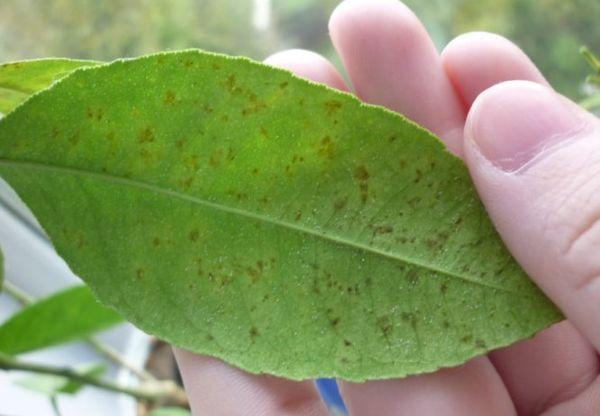
Yellow spots on green leaves can appear due to improper care, insects or fungal diseases.
Types of stains:
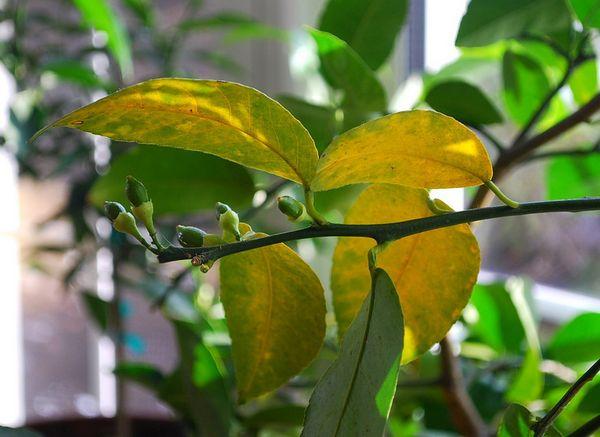
- Yellow spots cover the entire leaf and have no clear boundaries (improper care, mineral deficiency in the soil).
- The leaf turned yellow quickly and lost its elasticity (the plant was overcooled, in this case the pot is placed in a warm place and the lemon is watered with warm water).
- The edges are turning yellow (lack of moisture, the lemon needs to be sprayed more often).
- The appearance of small spots (spider mites or scale insects, trees are sprayed with insecticides).
If the spots are large and have clearly defined edges, they are caused by late blight. In this case, the lemon tree should be replanted in new soil intended for fruit trees. The roots should be pre-soaked in fungicides.
The appearance of round spots on the leaves and twigs indicates that the lemon tree has cancer. This disease is incurable. The plant will have to be dug up and destroyed.
Leaves become deformed and curled
If a lemon dries out, the leaves become deformed and wither, the causes of these problems may be stagnant water, a sudden change in location with different growing conditions, unsuitable soil for the lemon, or an excess of nutrients in the soil.
Localized drying of the tree
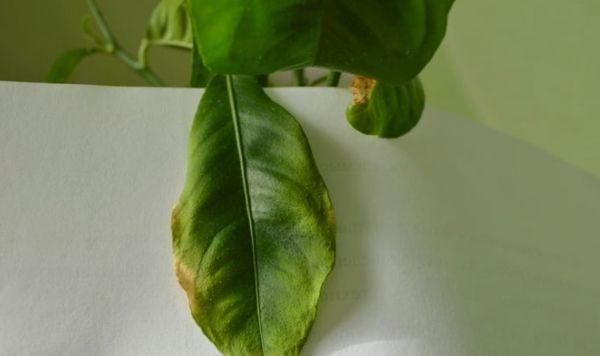
Lemon trees dry out locally due to improper care, pests, or insects. Leaves dry out for the same reasons.
Shedding of flowers, leaves and fruits
If a lemon tree has dropped its leaves, the cause may be poor lighting, improperly organized watering and temperature conditions, or improperly selected soil.
The plant sheds its fruit due to heat or pests. It's also possible that the plant is regulating the number of fruits it produces. If there are too many, the lemon tree sheds the excess ovaries.
Tips for saving a lemon
If your indoor lemon tree has dried out, you can try to revive it. There are several ways to revive the plant. However, be aware that these measures may not always be effective.
Take a look Also
We fertilize with special fertilizers for citrus fruits.
The soil is regularly fertilized with minerals. Without this, it's impossible to grow a healthy and strong tree. The plant appreciates frequent, but not excessive, feeding. From early March until the end of autumn, fertilizer is applied once every two weeks. From winter to spring, once a month.
Plants need nitrogen, phosphorus, and potassium most of all. Nitrogen is applied twice as much as phosphorus and potassium. Citrus also requires sulfur, copper, zinc, and magnesium.
Schedule for adding fertilizer to the soil:
- In March, water with slurry and superphosphate once every 10 days.
- In April, superphosphate, potassium sulfate and complex mineral fertilizers are added.
- In May, urea, superphosphate, and complex fertilizers can be added.
- In June, urea and superphosphate are added.
- In July, chicken manure, boric acid and liquid manure.
- In August, potassium permanganate and complex mineral fertilizers.
- From September to February, the soil is watered with complex mineral fertilizers once a month.
When applying fertilizer to the soil, it's important to consider the tree's appearance. Excessive fertilizer is just as harmful as too little.
We organize competent care
To ensure healthy growth, the lemon tree requires proper care. A permanent location should be chosen immediately. Avoid frequently moving the pots. It's recommended to keep the plant away from heating appliances.
Place the pots on a sunny or west-facing side. Lemon trees require plenty of sunlight. Supplemental lighting will be necessary in winter.
The plant thrives best if the room temperature remains uniform. Slight fluctuations of 3-5 degrees are acceptable.
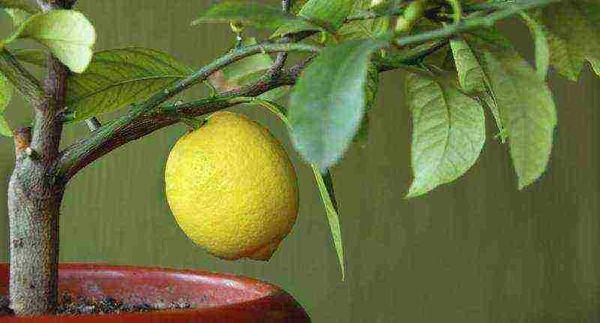
Lemons love humidity. If it's too hot, mist the foliage twice a day. Naturally, regular fertilizing is essential. Without it, the tree will become unhealthy and grow poorly.
Repotting and rearranging the plant pot
Citrus is replanted at the end of February, when it is in the dormant phase, or in the summer, when the second wave of growth begins.
How to transplant a citrus tree:
- Drainage is poured into the bottom of the pot, after which a layer of river sand is added.
- Then add soil.
- The plant is transplanted together with the soil in which it grew before.
- Then they cover it with soil and water it generously.
Before planting a citrus tree in a new pot, inspect the root system. Any rotten or damaged roots are trimmed. Dust the rhizome with a growth stimulant (such as Kornevin).
Establishing a watering regime
Citrus trees prefer moist, but not waterlogged, soil. Frequent and excessive watering will only harm the plants. It's not recommended to water lemons with tap water, as it contains chlorine and mineral salts, which can negatively impact the plants. It's best to use filtered or store-bought water.
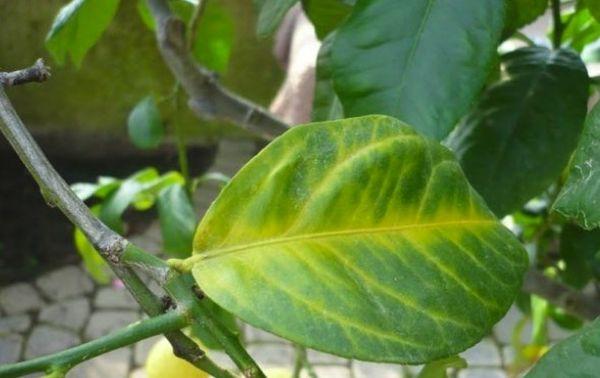 It is not recommended to irrigate the soil with cold water. Use warm or room-temperature water for irrigation.
There's no single answer to the question of how often to water a citrus tree. It depends on the tree's size, humidity, and home temperature. Citrus trees are watered in two stages. The first time, lightly spray the top layer of soil. After 15-20 minutes, add enough water to moisten the entire soil. Apply the water in a thin stream. Watering should be done in the morning or evening.
It is also useful to spray the leaves with water and wipe them off dust during watering.
Protection and prevention from insects and diseases
The first thing that will help prevent diseases and pests is fertilizing. Another procedure is rinsing the foliage once a month under warm water.
The key to a healthy lemon is proper care. Without it, it's impossible to grow a citrus tree with a strong immune system.
Preventive measures against diseases and pests:
- Once a week the leaves and branches are inspected.
- If the tree has recently been sick or other houseplants have been sick, they are isolated from all the others for a while.
- Once a month, the leaves and branches are washed with a soap solution.
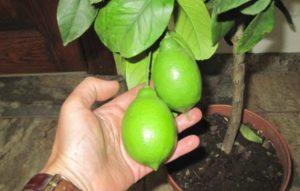
All these measures will help prevent the appearance of pests and diseases of lemon.
What to do with citrus fruits after purchasing them to prevent them from falling off?
After purchasing a seedling, immediately transplant it into a spacious pot. The soil is usually suitable for fruit trees. It's not recommended to prepare the soil yourself, as this often causes the leaves to turn yellow. Also, immediately select a sunny spot for the plant and don't move the pot unless absolutely necessary.
But the most important thing is to study all the nuances of growing citrus before purchasing, so you don’t have to deal with yellowing and leaf fall.
Preparing the plant for transfer from the street to the window
Don't suddenly move a lemon pot from outside into the house. The tree needs time to acclimate to its new surroundings. As summer draws to a close, begin bringing the pot inside for a few hours each day. Gradually increase the time. Within two weeks, the lemon will have acclimated to the new conditions and can be brought inside permanently.
Citrus trees are prepared for moving from indoors to outdoors in the same way in the summer. During the first few days, the pots are taken out for 15-20 minutes, gradually increasing the time to 1.5 hours. After this, the lemons can be left outside.
Recommendations and advice
Recommendations and tips for growing lemon at home:
- The best varieties for planting at home are considered to be Pavlovsky, Maikopsky, and Kitaysky Bolshoi.
- For planting, it's best to purchase ready-made seedlings from a nursery or flower shop; seedlings grown from seeds will not bear fruit quickly, and the taste of the fruit from such plants leaves much to be desired.
- When planting, a thick layer of drainage must be poured onto the bottom.
- In summer, if possible, it is better to take the lemon outside or onto the balcony.
- Any soil will not be suitable for planting a seedling; you will have to buy a soil mixture for fruit trees in a specialized flower shop.
- It is not recommended to move the tree pot frequently; rearrangements are only carried out if it is absolutely necessary.
- The plant pot can even be placed in direct sunlight.
- If using seeds for planting, it's best to plant 10-20 at a time. Most of the seeds won't germinate, and some seedlings may die, so usually only a few bushes remain.
Growing lemon is a complex and painstaking, yet fascinating process. This exotic plant will become a true home decoration, as it not only looks stylish but also purifies the air.
Related posts:
 How to grow a lemon from a seed at home, whether it will bear fruit, and care instructions
 Growing indoor Pavlovsky lemon at home, describing the variety and caring for it
 Diseases and pests of home lemons, treatment options, and solutions
 Rules for growing and caring for a lemon tree in a pot at home
 The benefits and harms of lemon for the human body, the best recipes
 How to propagate and root lemon cuttings at home, growing rules
 Soil composition for planting lemons at home, how to prepare the soil yourself
 Description of Meyer lemon, growing and caring for the variety at home