
Repotting a lemon tree is a simple task, but 70% of its success depends on the appropriate soil. If you choose the right soil for your lemon tree, the tree will quickly begin to grow and bear fruit. Even indoor lemon trees can easily produce fruit—if you follow all the rules, a single planting can yield up to 20 fruits per year.
What kind of soil should I choose for my home lemon tree?
With proper care, a lemon tree will begin bearing fruit as early as its third year. However, this requires optimal conditions. The most important factor determining the tree's growth is soil quality. Ideally, the soil for an indoor lemon tree should meet the following requirements:
- Lightness. The soil must be permeable to oxygen and water. The lemon's root system is not equipped with specialized hairs, so it is difficult for the plant to extract nutrients from the soil;
- Neutrality. Excessive acidity has a detrimental effect on the health of the planting and often leads to its death;
- Homogeneity. Before replanting, it is recommended to pre-sift the soil to ensure it is free of lumps, as these interfere with the absorption of nutrients.
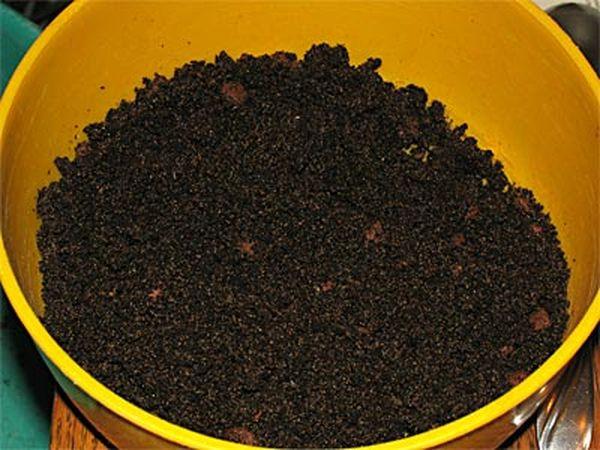
Lemons do not thrive in heavy soil, especially rich black soil.
This is because moisture is distributed unevenly in such soils, increasing the likelihood of greenhouse processes. Under such conditions, roots often dry out or begin to rot.
When choosing soil for replanting a lemon tree, consider the plant's age. Young lemon trees require soil with a higher sand and peat content, while mature trees prefer heavier soils.
It is recommended to replant lemon every 2 years, but only during the dormant period, when the plant does not bloom or bear fruit.
Soil requirements for citrus fruits
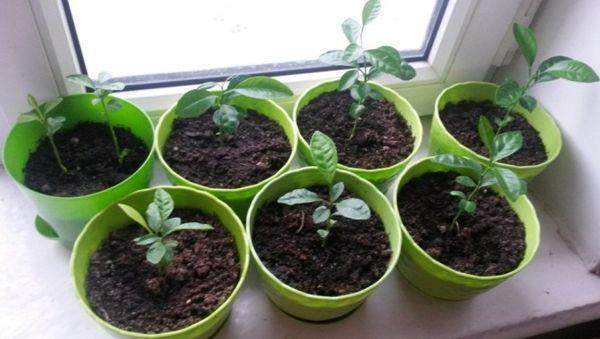
Both store-bought and homemade soil are suitable for lemon trees. Peat is the main component of commercial soil. This substance is beneficial for lemon trees because it allows moisture to pass through well and promotes root development. However, it's important to remember that commercial soil contains fertilizers. After 5-6 months, this soil becomes depleted and needs to be replaced.

Compound
When choosing soil for a lemon tree, consider its age. For young plants, a soil mixture of black soil and forest soil is best. Ideally, it should be taken from an oak grove. To create a nutritious soil that will support rapid plant growth, mix the components in equal proportions.
In this case, there's no need to add additional fertilizer. After 2.5-3 years, it's recommended to transplant the plant into heavier, more nutritious soil, typically black soil.
Soil acidity
Incorrect soil acidity negatively impacts the plant's health and can lead to its death, so it must be controlled. The acceptable pH level is 7.0. However, a slightly lower pH is preferable, as lemon, like any other citrus plant, prefers acidic soil.
The optimal pH is 6.0. At this level, the plant will grow rapidly and begin producing new shoots. To create ideal conditions, it's best to have loose, permeable soil at this pH.
Preparing the ideal soil mixture for citrus trees at home
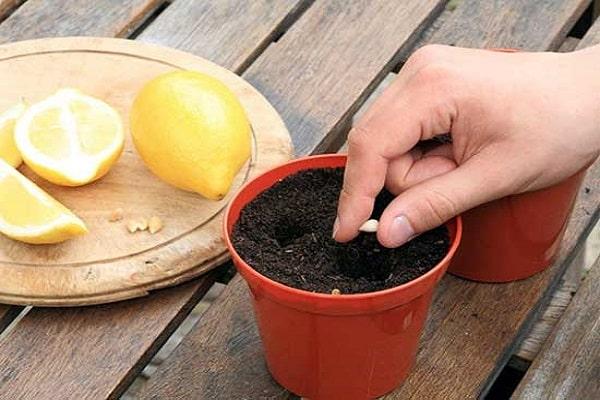
There's no ready-made soil that's completely suitable for lemon trees. For best results, it's recommended to plant lemon trees in a homemade soil mixture. Various types of soil can be used for this purpose. After preparation, all selected components are mixed into a homogeneous mixture in equal proportions.
Garden soil
If this type of soil is used as a base, it is recommended to collect soil near fruit trees, preferably from the top layer. The optimal time for collecting soil is the summer months.
Before replanting the lemon, the collected layer must be sifted through a coarse sieve.
Leaf soil
It forms as a result of the decay of fallen leaves. To speed up this process, the leaves, gathered in piles, can be watered with water mixed with manure. It's important to keep in mind that leaf soil is highly acidic, so before planting a lemon tree, it should be reduced with lime.
turf soil
This is soil collected from areas where perennial grasses grow. To prepare the perfect lemon turf, follow these steps:
- Cut the turf mixture into layers about 11-13 cm thick.
- Next, lay the layers evenly on top of each other to create a rise of about a meter.
- Place a thin layer of dry manure between them.
- Make a small depression in the middle of the top so that water can accumulate in it.
- Throughout the summer, the layers need to be periodically turned over, watered and manure added.
After 2.5 years, the sod soil is ready for use. Before use, it must be sifted.
Sand
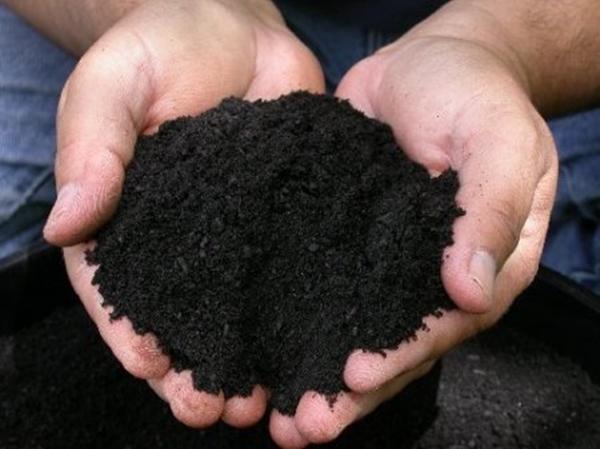
Since it contains no nutrients, it is used as a soil amendment. Mixing it with sand makes the soil loose and light. Furthermore, this component minimizes the risk of fungal diseases and root rot. For citrus plants, only sand collected near freshwater bodies is beneficial. It must be washed before adding it.
Peat soil
For planting lemons, it's recommended to collect peat from bogs and mix it with manure. This component should not be used in its pure form. It is usually added to improve soil looseness and acidity. Soil mixed with peat prevents acidification and decomposes more slowly.
Compost
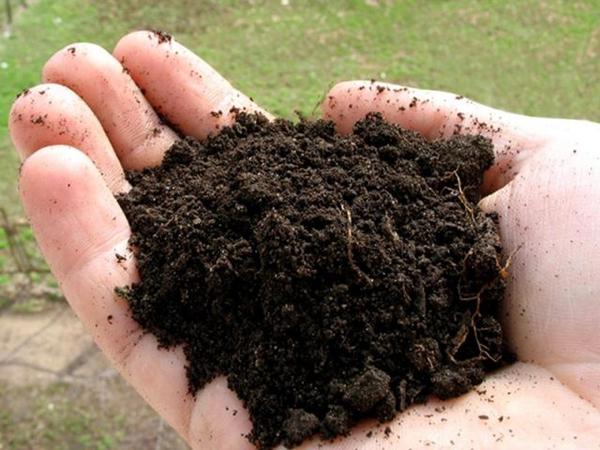
To prepare compost, dig a hole and fill it with leaves, grass clippings, branches, and straw. To speed up the decomposition process, water the compost periodically with slurry. The compost should be aged for two years. After this time, the compost is ready for use.
Finished compost is dark in color and tends to be loose. If you use unripened compost for planting, the plant may die.
Specialized store-bought lemon mixtures
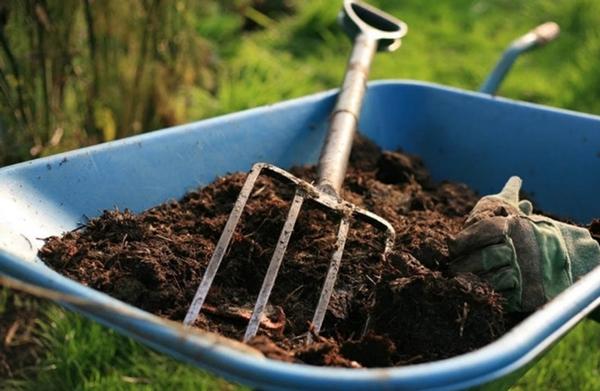
If you can't prepare the soil, you can buy it at the store as an alternative. To choose the optimal planting mix, consider the following criteria:
- Production date. Regardless of the plant type, it's best to choose fresh soil, as it retains more nutrients and has better-developed microflora;
- Concentration of mineral supplements. Lemon requires nitrogen, phosphorus, and potassium. The proportions of these substances should be 1:1.5:2.
Before purchasing, you should also read the packaging and ensure the product is suitable for citrus fruits. Peat moss is often the main component of commercial lemon soil. Additional components include compost, purified sand, and complex mineral fertilizer.
Choosing the best drainage
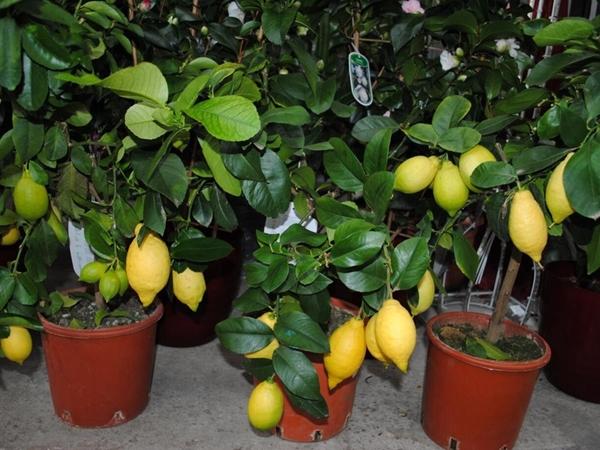
Before repotting your lemon tree, create a drainage layer at the bottom of the chosen container to prevent moisture accumulation and ensure drainage. Expanded clay is recommended for drainage. This material is readily available and can be found in any specialty store.
It should be poured onto the bottom in a 1-2 cm layer. Then, add the prepared soil to the pot. Mixing expanded clay with soil is strictly prohibited. Alternatively, you can use pebbles, crushed brick, or broken pottery.
Related posts:
 What to do if your lemon tree is losing leaves, what causes it, and how to revive it
 Growing indoor Pavlovsky lemon at home, describing the variety and caring for it
 Methods and rules for grafting lemon trees at home to ensure they bear fruit
 Why do lemon leaves curl and what to do about them? The best treatment methods
 How to propagate and root lemon cuttings at home, growing rules
 Description of the Lunario lemon variety and care for the indoor plant at home
 Diseases and pests of home lemons, treatment options, and solutions
 Description of Meyer lemon, growing and caring for the variety at home