
- Preparing citrus for long-term storage
- Where is the best place to store lemons: timing and rules for preserving the fruit
- Storage at room temperature
- In the refrigerator
- In the freezer
- In sugar
- On the balcony
- Pickle
- Cook jam
- Drying citrus
- In wax
- At the bank
- In the water
- Lemon juice
- How to store a cut lemon
- Storing lemon zest
Shopping at the supermarket or market often exceeds the norm. Sometimes, lemons are left over in large quantities, but they're not a fruit you eat all at once. Therefore, experienced cooks offer advice on how to store lemons at home to preserve their appearance and nutritional value.
Preparing citrus for long-term storage
Appearance doesn't always indicate the integrity of the fruit. Before storing, each fruit should be inspected by touch. If the skin is too soft, this indicates the product has been frozen or damaged. Such fruits should be cut open, the unwanted portions removed, the remainder cut into slices, and stored using one of the home storage methods.
Whole lemons are thoroughly washed under running water, dried, and patted dry with a paper towel. Depending on their intended use, lemons can be combined with other ingredients or stored individually.

Where is the best place to store lemons: timing and rules for preserving the fruit
A series of experiments conducted by technologists and experienced chefs have yielded positive results for consumers. There are numerous ways to preserve lemon peel and pulp for a long time.
Storage at room temperature
Room temperature reduces the shelf life of fresh lemons. Despite their thick zest, lemons tend to wilt in warm conditions. To extend their shelf life, apply vegetable oil and coat the fruit with a thin layer. High humidity should be a concern; if it's present in the room, lemons will be susceptible to rotting.
Plastic bags and sunlight can also damage the skin. Transfer the fruit to a suitable container and store it in a dark place. Regardless of timely measures, lemon peels can dry out; a few minutes in boiling water will help restore them to their normal condition.
If you follow the general storage rules at room temperature, this healthy citrus fruit will give you pleasure for 2 weeks.

In the refrigerator
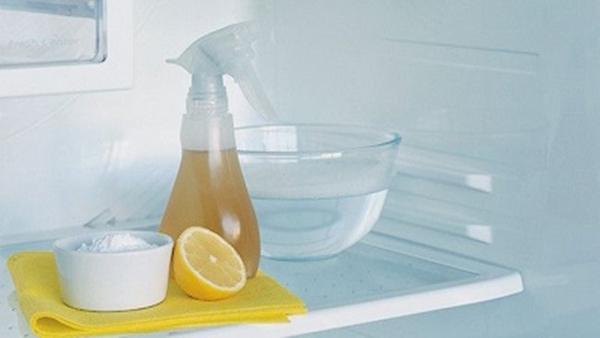
To preserve lemons in their original condition, they are placed in a special crisper drawer in the refrigerator. This maintains a temperature of 6-8 degrees Celsius. The treated fruits are wrapped in parchment paper or newspaper. This method ensures the freshness of the fruit and guarantees its shelf life of up to two months.

In the freezer
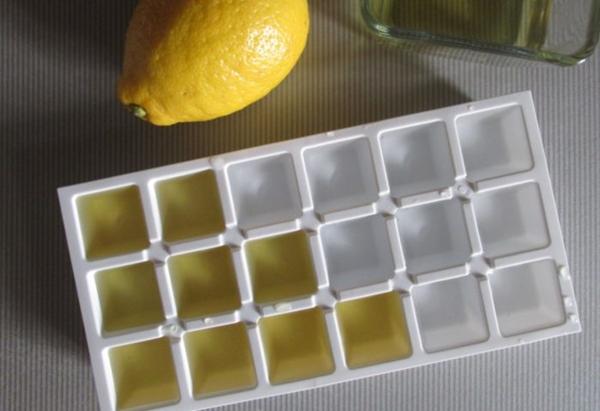
The longest-lasting citrus fruit is stored in the freezer; this tried-and-true method is widely used. Any berries, sliced vegetables, and citrus fruits can be frozen. Lemons are cut into neat 5mm-wide slices, placed in small portions in plastic bags, and frozen for a long time. This method is a lifesaver during cooler seasons, when vitamin C is needed to support the body.
In sugar
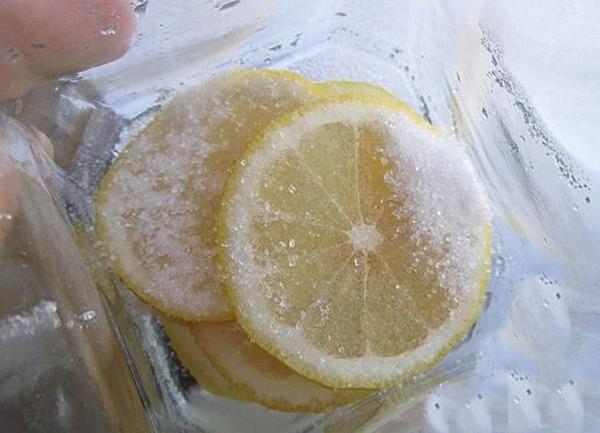
This sugary preserve is very aromatic and delicious; it's made from ripe, peeled lemons. The lemons are placed in a sterile jar and covered with granulated sugar at a ratio of 1 kg of fruit to 1 kg of sugar.
If the lemons are large, cut them into half-moons or quarters, then layer them in the jar. Follow this sequence: first the sugar, then the lemon layer, then more sugar, then lemon, and continue in this order until the very top. Seal with a plastic lid or a homemade paper one.
In a cool place, citrus products in sugar can be stored for up to six months.
On the balcony
The shelf life of ripe fruits can be extended on the balcony. The optimal temperature is around freezing; they can be stored as a candy preserve or fresh. For fresh preserves, wrap them in thick paper and store in a dry place.
Pickle
Baked fish, chicken, lemon risotto, and Greek soup are all dishes that benefit from lemon. Pickled lemon is a good choice for preserving. There are two ways to preserve the fruit for long-term storage:
- Juice the citrus fruits and chop them into round slices. Add a pinch of salt, a little cinnamon, and bay leaves to a glass jar. Add the lemon slices and pour in the juice. Seal with lids and store until ready to use.
- Place lemons in clean jars, cover with salted water, roll up, and store in a cool place.
Cook jam
Lemon jam It is not uncommon in cooking; it is used to make delicious pie fillings or is eaten as a standalone dessert. It is prepared according to various recipes. Lemon wedges are often added to apple jam or they are used to make candied citrus fruits.


Drying citrus
Cut lemons are often kept in the refrigerator to prevent them from spoiling. They are then dried. You can cut them into any shape: slices, wedges, or cubes. The next step is to spread them out on a paper towel and turn them over for three days. Once the citrus slices have dried, they are poured into a lidded container or a paper bag.
If you don't want to wait, use an oven. Bake the lemon wedges at 50-60 degrees Celsius for 5 hours.

In wax
Waxing or wrapping lemons ensures long-term storage. Each lemon is wrapped in special wax paper, stacked tightly, sealed, and stored in the refrigerator. Pure wax can also be used.
At the bank
Ripe lemons can be placed in sterile jars, being careful to avoid any empty spaces. The mixture is sealed with lids and stored in a cool, dark place.
Another method: place a glass container in a double boiler, peel the lemons, and fill the container to the very top. Then, seal the lids and store in the cellar.

In the water
Long-term storage of lemons is possible with plain water. Place the citrus fruits in jars, cover with water, and cover with a lid. It's best to change the water every two days. This preserves the fruit's nutritional value—the zest and pulp remain fresh.
Lemon juice
Fresh lemon juice is a delight any day if you prepare it ahead of time. Ripe citrus fruits are placed through a juicer, and the resulting juice is poured into glass bottles with screw caps. Store the juice in the refrigerator, or, if poured into special bags, in the freezer.
There's an unconventional way to make lemon juice with olive or almond oil. When pouring into a container, leave a little room for one of the oils. After preparation, store the juice in a basement, cellar, or refrigerator. Lemon mix should be consumed with caution, especially by those with stomach problems.


How to store a cut lemon
Cut citrus fruits are best stored in a lemon bowl, which protects them from moisture and prevents the zest from drying out. You can also sprinkle salt, sugar, or a drop of vinegar on a saucer, then place the fruit cut side down. Some cooks brush egg whites on the cut part to protect the pulp from drying out.
Storing lemon zest
The aromatic zest is used in desserts, baked goods, salads, and sauces. To prepare it, grate the yellow part of the peel and mix the resulting mixture with sugar. Store in the refrigerator and use as needed. Some cooks prepare a dried version: grate or chop the zest into small pieces and dry it in the sun or at room temperature.
Related posts:
 15 Best Lemon Jam Recipes for Winter
 15 Best Lemon Jam Recipes for Winter
 5 Best Lemon and Sugar Jar Recipes for Winter
 How to properly store potatoes in an apartment or cellar at home
 The benefits and harms of lemon for the human body, the best recipes
 How to properly dry winter garlic after digging and where to store it at home
 The 15 best ways to store garlic after digging it up at home
 Methods and rules for grafting lemon trees at home to ensure they bear fruit