
- Origin of the variety
- Characteristics and description of the Lunario lemon
- Maximum size and annual growth
- Crown
- Flowers
- Fruit
- Pros and cons of planting at home
- Planting and growing citrus
- Preparing the container and soil mixture
- Preparing planting material
- Timing and technology of planting seedlings
- Further care
- We create optimal conditions: temperature, humidity, lighting
- Watering and fertilizing regime
- Crown formation
- Lemon transplant
- Diseases and pests: protection and treatment
- Will the variety bear fruit?
The Lunario lemon variety was developed in Sicilian citrus orchards in the second half of the 19th century. This variety is distinguished by its increased resistance to diseases and various pests that attack lemon trees. The Lunario's main advantage is its virtually continuous flowering; it's not uncommon to see flowers blooming on the same branch as the mature fruit.
Origin of the variety
The Lunario variety was developed on the island of Sicily in the second half of the 19th century; the name of the breeder remains unknown. Some experts believe that Lunario is a hybrid of citron and Lisboa. The variety received its name from its characteristic year-round blooming, which means "monthly" in Italian.
In Europe, this crop is called something else. The first country to acquire the lemon tree was Germany, where it was nicknamed the Four Seasons Tree. For this reason, the crop may have different names in different regions.
Characteristics and description of the Lunario lemon
Lunario is a remontant lemon tree variety, believed to be derived from citron and Lisbon. This allows the plant to bloom and bear fruit year-round, but only if proper care and temperature conditions are maintained.
On a tree, you can often see flowers, green buds, and ripe fruits forming on the branches at the same time.
This variety is suitable for home cultivation due to its undemanding nature regarding growing conditions and climatic requirements.
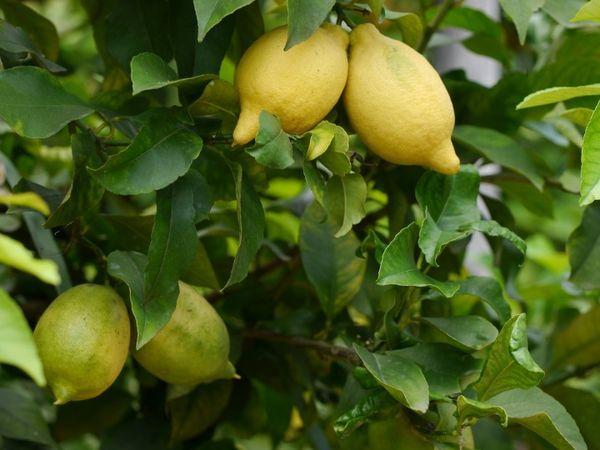
In addition, the crop has increased resistance to most diseases and pests that affect other lemon trees.
Maximum size and annual growth
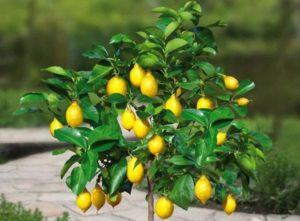
The tree's size can vary from 1.5 to 5 meters, depending on the conditions the plant is grown in. When grown indoors, it will not exceed 2.5 meters. In open ground, it can reach 4-5 meters.
Lemon Lunario has a fast growing crown and branches, which can be fully formed and reach their peak in a few years, but only with proper care.
Take a look Also
Crown
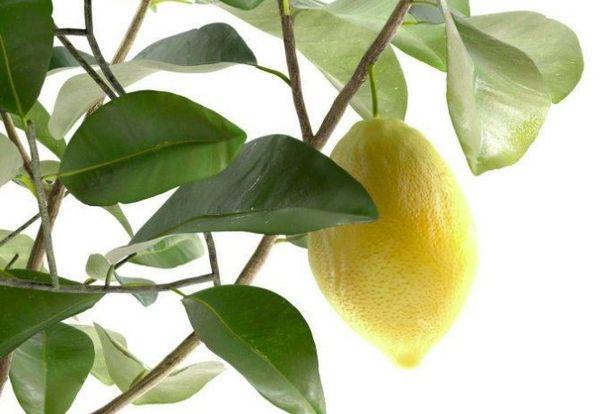
The crown of the plant is tree-like. The base is covered with brown bark, while the young shoots are green. The trunk is covered with small, widely spaced thorns.
Flowers
During the flowering period, the plant produces inflorescences, which appear singly or in small clusters on the tree. The white flowers have a subtle purple tint. A single bud can reach 4-6 centimeters in size. The flowers emit a strong and lingering aroma, which intensifies upon contact with the plant.
Fruit
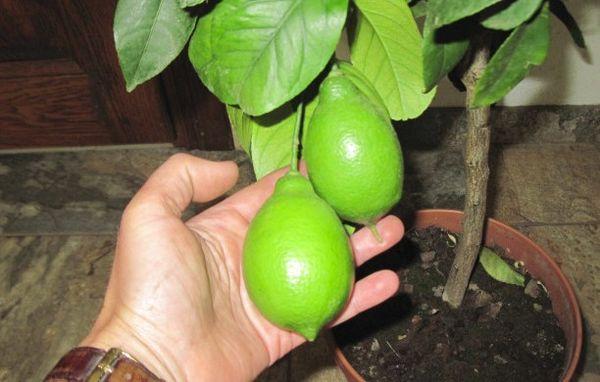
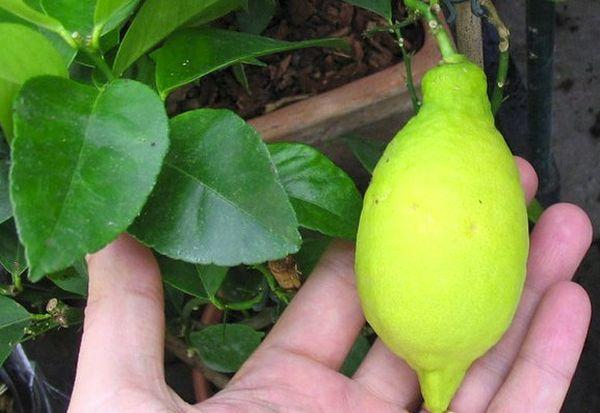
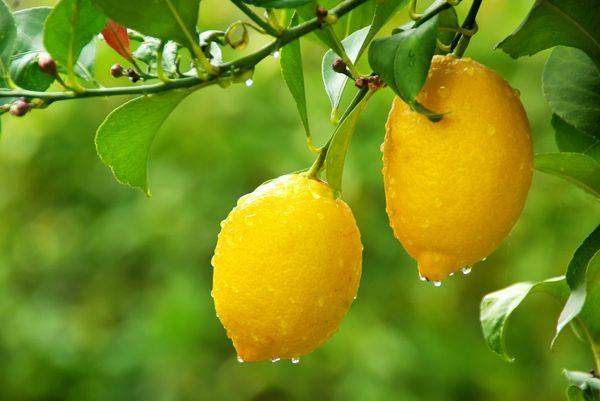
During a single year of growth, a Lunario lemon tree produces approximately 14-16 ripening fruits. Each fruit weighs between 100-200 grams. Unlike standard citrus fruits, this tree's lemons have an elongated shape and a smooth, thin rind. The fruits grow close together, have low-acidity pulp, and produce little juice.
Pros and cons of planting at home
Among the advantages of the Lunario lemon tree, the following should be highlighted:
- increased resistance to most diseases and pests that affect other crops;
- the height of the tree, which can reach 6 meters if grown in an open area;
- earlier onset of fruiting (under the right growing conditions, the crop begins to bear fruit already in the 2nd year after planting);
- remontancy, which allows harvesting fruits all year round.
The disadvantages of this variety include:
- too rapid growth, due to which the tree requires systematic crown formation and pruning of interfering branches;
- small size of the tree, if the lemon is indoor;
- frequent need to change the soil.
Planting and growing citrus
To ensure a healthy tree, you should select a good seedling, prepare the soil, and plant it according to all the rules.
Preparing the container and soil mixture
It's best to plant lemon tree seedlings or seeds in small wooden or clay pots. Dark plastic containers are also an option. The pots should be enlarged with each subsequent repotting.
If you plant the crop in a container with too much space, the plant may start to get sick.
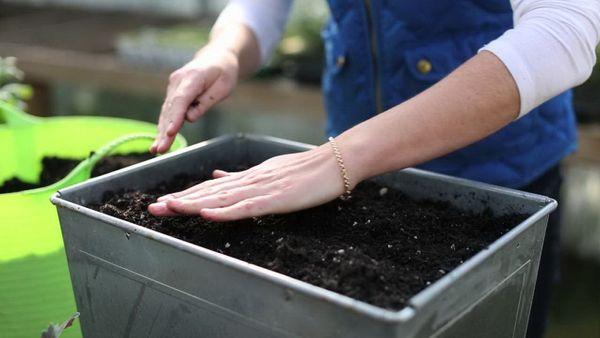
The soil should be light; a mixture of sand and garden soil is best. Drainage is also essential for this variety. Place approximately 1-2 centimeters of soil at the bottom of the container to remove excess moisture.
Preparing planting material
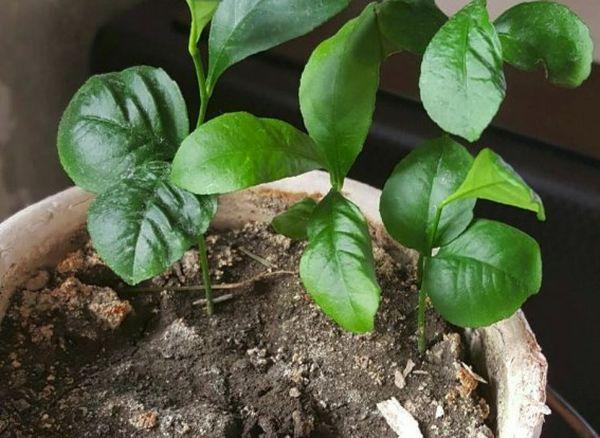
The Lunario lemon variety is grown from either a seed or a seedling. When planted from a seedling, the first harvest appears two years after planting. If grown from seeds, the first fruits will appear after six to nine years, depending on the growing conditions. When selecting sprouts, you should pay attention to their condition so that they do not contain:
- visible damage to the base or leaves;
- darkening;
- spotting of various colors;
- withered leaves.
There is practically no need to prepare the seedlings directly for planting; the only requirement is that the root system is completely intact.
Timing and technology of planting seedlings
The plant should be planted in the second half of spring. To do this, follow these steps:
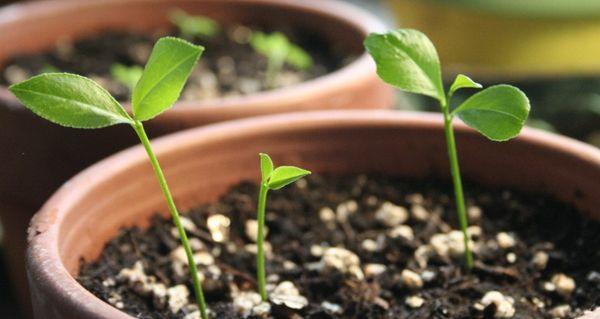
- Wait until the lemon seedling sprouts.
- Place 1-2 centimeters of drainage material at the bottom of the container and fill it with pre-prepared soil, leaving a few centimeters of space for the sprout.
- Place the sprout in a pot and straighten the root system.
- Sprinkle the roots with the remaining soil.
- Water generously with slightly warm water.
Further care
Proper plant care is an important procedure that should be carried out systematically to ensure the lemon tree is healthy and bears fruit.
We create optimal conditions: temperature, humidity, lighting
It's best to place the plant pot on an east or south-facing surface. The location should receive ample sunlight. During the summer, move the plant to partial shade to prevent it from burning. In winter, the crop will not have enough sunlight and additional lighting will be required. The best conditions for the Lunario lemon variety are temperatures of 15-20 °C with an average room humidity of 70%.
Watering and fertilizing regime
It's important to monitor the soil's condition: don't allow it to dry out. During warmer seasons, water the plant twice a week. In winter, this frequency can be reduced to once a week. Every 10 days, moisten the soil with warm water and mist the plant externally twice a week.
A cow manure solution is used for fertilizing. To obtain the correct proportions, mix the solution with water in a 1:1 ratio. This solution should be left to steep for a week, then strained and filled with water in a 1:5 ratio. This type of fertilizer should be applied once a week during the warmer months and monthly during the winter.

Crown formation
The crown of the tree needs to be shaped every spring. This procedure is performed to remove dried and dead branches that hinder and slow the growth of the tree and its healthy shoots.
Lemon transplant
Lemon trees require regular repotting, otherwise they will become diseased and die. During their growth, especially in the early stages, lemon trees heavily consume nutrients from the soil, rendering it unsuitable for cultivation.
Up to 3 years, replanting should be carried out every spring, after which such intervals are increased to 2-3 years.
When moving a plant to new soil, it is important to leave the old soil on the roots so that the tree can more easily adapt to the new environment.
Diseases and pests: protection and treatment
This variety is resistant to most diseases that affect other crops, but it is susceptible to:
- gummose;
- sheet mosaic;
- tristeze;
- root rot.
To combat these diseases, periodic treatment with a solution of copper sulfate should be carried out.
Among the pests that affect the Lunario variety, the following can be noted:
- spider mite;
- scale insect;
- aphid.
To prevent them, you should use Actellic or the insecticide Aktara.
Will the variety bear fruit?
The tree will begin bearing fruit in 2-3 years if planted from a seedling, or in 6-9 years if planted from seeds. Because this variety is everbearing, flowering and fruiting can occur year-round, but only with consistent care.
Related posts:
 How to plant walnuts, care for them, and grow them at home
 Description of the Red Early apple tree variety, agricultural technology and specific care
 Peach tree care and agricultural secrets, pest control
 Description and cultivation of the Skorospelka pear variety from Michurinsk
 Description of the Bryanochka cherry variety, planting and care instructions
 Description and characteristics of the Tyutchevka cherry variety, planting and care
 Descriptions of the 20 best cherry varieties for the Moscow region, their planting and care
 Description of the Chudnoe apple variety, planting and caring for a dwarf tree