
- The history of Meyer lemon breeding
- Description and characteristics
- Maximum size and annual growth
- Flowering and pollination
- Fruiting time and harvest
- Taste and beneficial properties of the fruit
- How to plant a citrus tree at home
- What you will need
- Planting material: cuttings or seeds
- Capacity
- Drainage and soil
- Planting times and rules
- Necessary conditions for germination and rooting of the sprout
- Temperature conditions
- Illumination of the place
- Humidity
- Further care
- Watering
- Fertilizer
- Transplanting and pruning lemon
- Wintering
- Prevention and treatment of diseases
- Pest control
- Methods of reproduction
- Using seeds
- By cuttings
- Reviews and recommendations
The Meyer lemon tree is considered a versatile houseplant. It's grown in moderate-temperature locations, such as living rooms, greenhouses, loggias, and glassed-in balconies. The variety's primary value lies in the lemon's flavor and its compact size, making it ideal for home decor.
The history of Meyer lemon breeding
The Meyer variety is not the result of selective breeding. Pollination of the wild lemon and mandarin occurred naturally in China. Later, in the early 20th century, the American Frank Meyer brought the citrus fruit to the United States, where it began to be grown for culinary use.
Description and characteristics
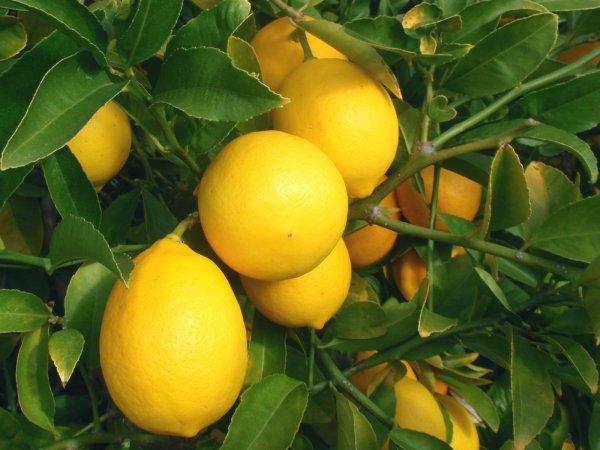
According to the description, the citrus tree has attractive characteristics. Florists consider the Meyer lemon to be one of the best varieties of the Citrus genus.
Maximum size and annual growth
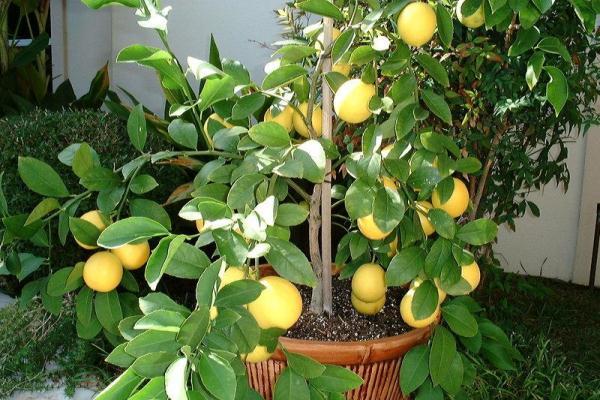
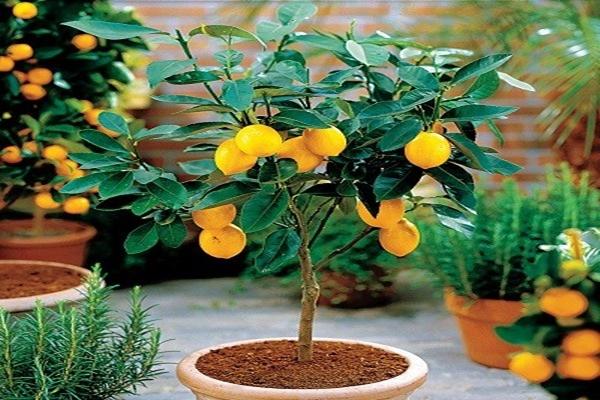
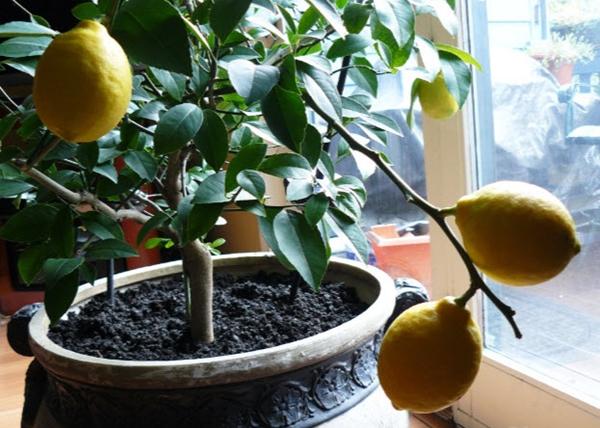
Due to its diminutive size of 1.5-2 meters, the Chinese tree fits harmoniously into a living space. Branches with dense foliage form on the main stem. The elongated leaves are dark green and have a smooth surface with a natural sheen.
In the first years of growth, the plant develops shoots, roots and thickens the stem.
Flowering and pollination
The plant self-pollinates year-round. During flowering, snow-white flowers with purple bases form on the lemon-colored crown. The citrus aroma permeates the space, captivating every gardener.
Fruiting time and harvest
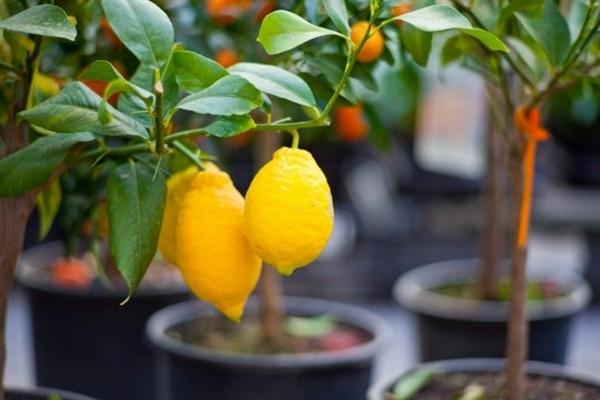
Meyer lemons begin bearing fruit in the fourth year after planting. During the growing season, much depends on care: if it's done correctly and regularly, the tree produces bright yellow fruits weighing 70-150 g. Their distinctive feature is their thin peel, which protects the lemon pulp but is also easy to peel.
Taste and beneficial properties of the fruit
Meyer lemons surpass other indoor lemon varieties in flavor. With adequate light and timely watering, the lemons' sucrose content increases, thereby reducing the acidity typical of this exotic fruit.
High levels of ascorbic and citric acid, vitamin A, B vitamins, pectin, potassium and copper salts make it a valuable product in traditional and folk medicine.
Lemon tea protects the body from viruses and colds, boosts immunity, and replenishes vitamin deficiencies. Lemon zest and pulp are also used for cosmetic purposes.
How to plant a citrus tree at home
You can plant a Meyer lemon tree indoors at any time; it's unaffected by regional climate conditions. Simply maintain the recommended room temperature.
What you will need
The planting material, container, and soil have a certain influence on the formation of a healthy tree.
Planting material: cuttings or seeds
Specialty stores sell full-grown plants, potted cuttings, and packaged seeds. Some gardeners collect the seeds themselves. To do this, they select large, whole seeds from the lemon pulp, rinse them in a weak solution of potassium permanganate, transfer them to damp cheesecloth, let them germinate briefly, and plant them in soil.
Capacity
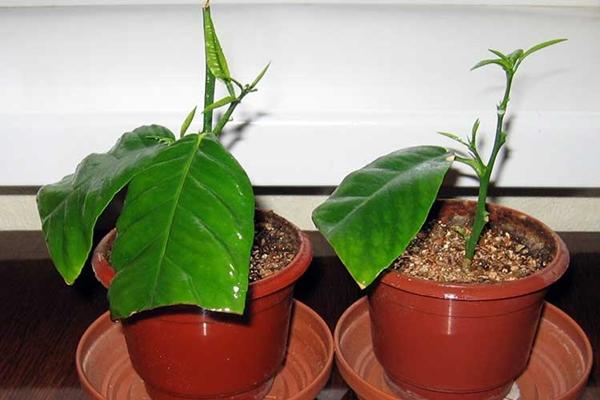
Use a small container to start the seeds, and transplant them into a pot as they develop. The container shouldn't be too large for the young plant, otherwise the root system will be vulnerable to rot.
Drainage and soil
Regular repotting of cuttings requires soil replacement—this is one of the most important agricultural practices. Drainage is essential for planting Meyer lemons. You can prepare it using a variety of materials: pebbles, brick fragments, or polystyrene foam.
If the planting material is a tall bush, then the soil is made from the following proportions: one part each of sand, humus, leaf soil, and clay, mixed with three parts of turf soil.
When using cuttings or seeds, avoid using clay; instead of three parts of turf soil, only two are mixed in. This mixture is well-received by the root system, stimulating the full development of the main stem.
Planting times and rules
In warmer regions, this ornamental plant is planted outdoors, provided the site is shaded and free of drafts. Sudden temperature fluctuations are detrimental to the Meyer lemon.
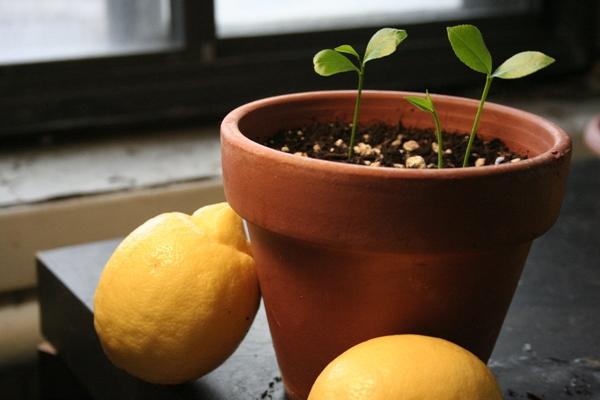
In most cases, this is a houseplant; container planting depends on the planting material. Seeds are sown in pots in the spring, and cuttings can be taken in the spring and fall. The first layer of drainage is placed in the container, followed by a layer of mixed soil, and the seeds are scattered at a depth of 3-4 cm.
Necessary conditions for germination and rooting of the sprout
The Meyer lemon variety is capricious during the growing season; rooting of the sprout is affected by temperature, lighting, and humidity.
Take a look Also

Temperature conditions
Spring is considered the most favorable time for germination. Sunlight should reach indoors or the seedling should be placed outdoors on a balcony, with temperatures ranging from 18-20 degrees Celsius. The shrub does not tolerate heat well; any change in temperature from the recommended range will cause leaves to fall, leading to low yields.
This is worth paying attention to, since lemons get most of their nutrition from their leaves.
Illumination of the place
Light is a crucial factor for Meyer lemon trees; according to calculations, 12 hours is sufficient. If the light level is insufficient, the tree will shed its leaves.
Humidity
The optimal humidity level is 70%; the soil layer should not be overdried. Otherwise, the development of the root system, stem, and crown is impaired.
Further care
Even if the Meyer lemon is grown indoors, it still requires proper care. Watering, pruning, repotting, and positioning the plant will protect the tree from unwanted consequences.
Watering
To maintain the desired humidity level, young trees are watered twice a day during warmer seasons, and reduced to twice a week during cooler seasons. In addition to root watering, the crown and main shoot are sprayed with water using a spray bottle.
Fertilizer
During the growing season, lemon bushes especially need mineral fertilizers. Special mixtures containing nitrogen, potassium, and phosphorus are available. Fertilize the soil once every 15 days from spring until fall.
Transplanting and pruning lemon
According to Meyer lemon tree enthusiasts, the plant should be repotted annually into a container 4-5 cm larger. Once the tree reaches 5 years of age, the repotting period is reduced to 3 years.
Forming the crown ensures uniform nutrition for all parts of the lemon tree:
- the main stem is reduced by 20 cm, leaving fertile buds at the top;
- secondary shoots appear from these buds, which serve as the skeletal part, their number should not exceed 3-4 branches, the rest are removed;
- the remaining ones are shortened by 25 cm, the shoots of the second row are reduced by 10 cm, the third by 5 cm;
- In the fourth row the plant completes its vegetative development.
Wintering
In winter, the bush requires moderate care; the temperature should be in the range of 12-14 degrees, and the lemon should be moved to a place away from radiators and heaters.
Prevention and treatment of diseases
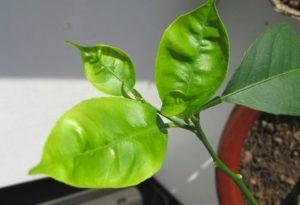
Growing indoors reduces the risk of disease, but other negative factors can include insufficient light and moisture. In the first case, the leaves turn light green; in the second, they wilt and fall off.
Pest control
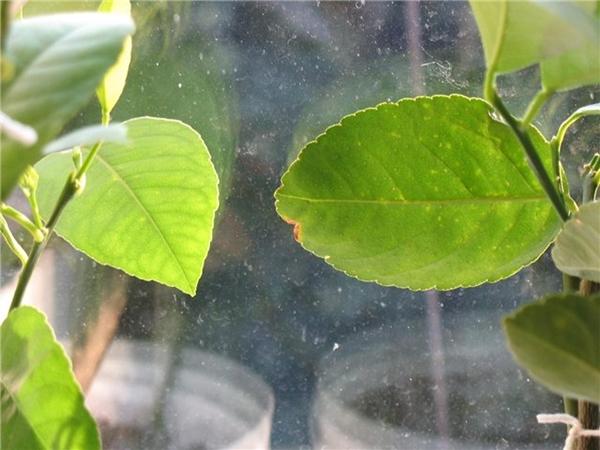
Common lemon pests include spider mites and scale insects, which look like black dots. Spider mites can be controlled with a jet of water. For scale insects, prepare a mixture of 50 ml of kerosene and 100 ml of liquid soap.
Methods of reproduction
Meyer lemon is propagated by seeds or cuttings.
Using seeds
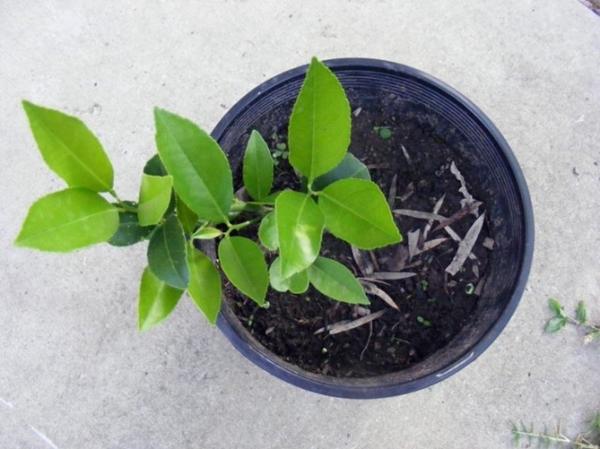
The collected and sprouted seeds are used for propagation and planted in a separate container. To promote rapid growth, the seedling is watered every two days. When the stem reaches 15 cm, it is transplanted to another pot; when it reaches 8 mm in width, the plant is grafted onto the main plant.
By cuttings
Cuttings are one of the most effective methods of propagation. Three to four leaves are left on the seedling and cut in half. Drainage and soil are added to the prepared container, and the cutting is replanted. Cover the container with a glass jar for two weeks, watering regularly during this period. Then, uncover the container and leave it uncovered for a short time, then increase the time. Once the plant has adapted, grafting is performed.
Reviews and recommendations
According to gardeners, the Meyer lemon tree grows into a beautiful tree with bright yellow, sometimes even orange, fruits. With proper care, it produces 2-3 kg of fruit per year. People appreciate its compact size and ease of transport.
The fruit's flavor allows it to be used to make lemon juice, which is mixed with orange juice. The slices are also added to apple jams and pies, and can be used as a sweetened tea preserve.
To protect the plant from pests, Meyer twigs should be sprayed with medicinal products in spring and fall. Mix 2 grams of malathion and kelthane per liter of water.
Related posts:
 Growing indoor Pavlovsky lemon at home, describing the variety and caring for it
 What to do if your lemon tree is losing leaves, what causes it, and how to revive it
 Soil composition for planting lemons at home, how to prepare the soil yourself
 How to propagate and root lemon cuttings at home, growing rules
 Diseases and pests of home lemons, treatment options, and solutions
 Description of the Lunario lemon variety and care for the indoor plant at home
 How to grow a lemon from a seed at home, whether it will bear fruit, and care instructions
 Why do lemon leaves curl and what to do about them? The best treatment methods