
- Pros and cons of lemon cuttings
- Methods
- By vaccination
- By budding
- Rooting
- Air layering
- Lemon propagation process
- When to perform the procedure?
- Choosing an escape
- Preparing and rooting the cuttings
- Planting technology
- How to plant a lemon cutting without roots
- Necessary conditions for rooting
- Optimal soil composition
- The required size and volume of the pot
- Climate conditions: humidity, lighting, temperature
- Irrigation and fertilizing
- How long does it take for a sprout to take root?
- Further care of seedlings
- We are building a specialized greenhouse for lemons
- Tips and tricks for better rooting
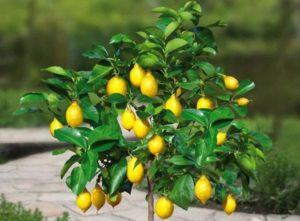
An exotic tree like lemon is best propagated by cuttings. Propagating lemons by cuttings has long been used indoors. However, don't expect a harvest too soon. Fruiting will begin earlier than with seed propagation. However, this method requires more attention and is more difficult.
Pros and cons of lemon cuttings
Each method has its advantages and disadvantages. The advantages are:
- Preservation of the genetic material of the parents.
- The tree bears fruit earlier than a plant grown from a seed.
- This method is much cheaper than buying a ready-made seedling.
- Possibility of vaccination.
The downside is that when grown from seed, the plant will grow more vigorously and be less disease-resistant. However, since this method has more advantages, gardeners often resort to it. Propagating a lemon tree isn't all that difficult. To grow a healthy tree, follow the instructions.
Methods
Cuttings also have their own methods, each of them special in its own way.
By vaccination
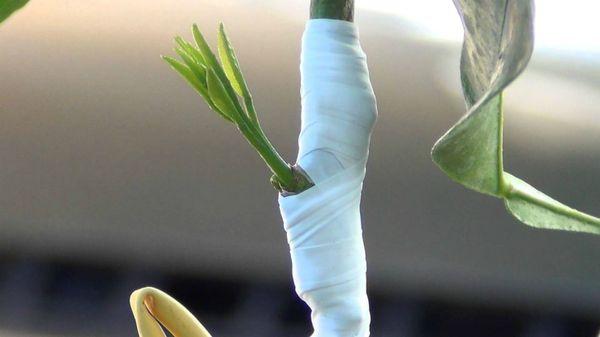
This is an effective and simple method of lemon propagation. Grafting is done in the spring, when the sap begins to flow. Grafting in the winter or fall is usually ineffective. One- to two-year-old seedlings are used for propagation. Branches can be grafted not only onto lemon shoots but also onto other citrus trees. Good results are achieved when grafting onto bitter orange.
In this case, the tree turns out to be decorative and easy to care for.
By budding
Budding is done at the beginning of the sap flow. This is visible when an incision is made. The bark peels easily from the trunk. Fifteen days before the procedure, the side shoots are removed, and the top of the lemon is pinched. First, the scion is prepared: remove the leaves, leaving only the petioles. Then it is washed in water and dried thoroughly.
Choose a smooth grafting site. Make a small transverse incision and then a longitudinal one from the center. The bark is pulled back slightly and lowered into place, and a bud with a bud is inserted into the small hole. Two incisions are made at the bud site and carefully cut away. After the twig is inserted, the incision is covered with bark and then bandaged. Two or three buds are grafted at a time from different sides of the trunk or branch. After this, the plant is covered, but sometimes it is better not to do this to prevent the plant from suffocating and becoming moldy.
Take a look Also
After 10-15 days, check to see if the operation was successful. To do this, apply gentle pressure to the petiole. If it falls off, the budding was successful. Then, after a month, the top of the rootstock is cut off and the bandage is removed.
Rooting
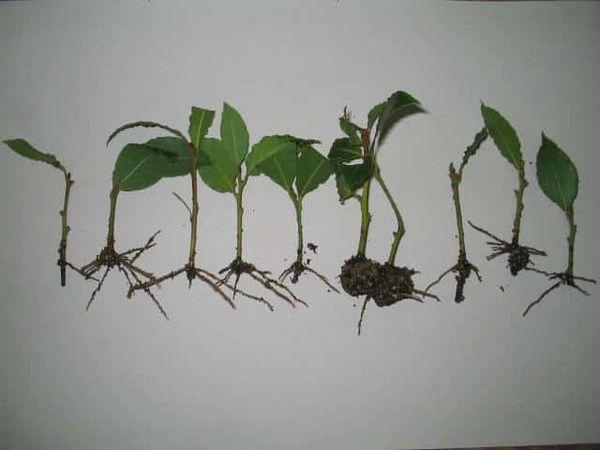
This is considered the fastest method. First, wash the pot thoroughly with warm, clean water. Place small stones or similar items on the bottom. Then add soil with organic matter and sand. The top layer of sand should be 1.5-2.5 centimeters thick. Poke holes in the bottom of the container or pot to allow excess moisture to escape, fresh air to enter, and the plant to root.
Air layering
In this case, the branch is first rooted and then separated. A semi-lignified spring shoot (branch) is usually used for this. The procedure is performed in late summer. The trunk is cleared of leaves and shoots. Then, a 1-centimeter-wide layer of bark is removed from the center. The moss is soaked in water and squeezed out. A ball 5-8 centimeters in diameter is formed from it and divided in half. These pieces are pressed against the tree along the trunk.
The whole thing is wrapped in plastic film and secured at the top and bottom. The black plastic will retain water and protect it from direct sunlight. After a year, remove any excess shoots. New roots will grow into the moss. This is how Chinese lemons are propagated.
Lemon propagation process
The easiest and fastest way to grow a lemon is to plant a cutting in the ground. First, prepare the cutting and cut it. Keep in mind that the chosen time should be between the flowering and active growth periods.
When to perform the procedure?
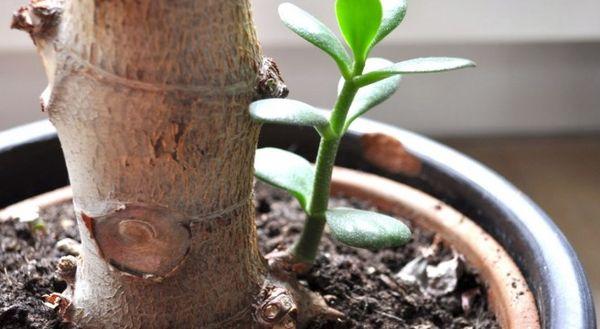
The best time for this is spring. That's when the sap begins to bloom and the air temperature rises. The tree can look forward to warmer weather and more sunlight, which will allow it to grow rapidly.
Choosing an escape
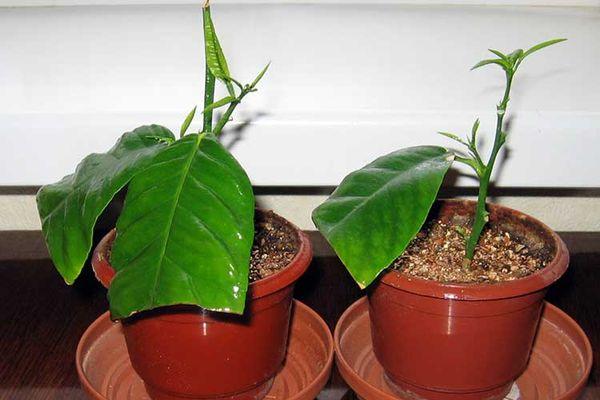
For this procedure, select a well-developed cutting, but it shouldn't be old. Ensure the stem is semi-woody and flexible. The stem should have 3-4 leaves, maximum 5. If there are many leaves, trim them off. The plant should be at least 10 centimeters long and medium thick.

Preparing and rooting the cuttings
The leaves are trimmed to ensure all the energy is directed to the roots. Before planting, the cuttings are soaked in a solution of Epin, Heteroauxin, or any other stimulant. The temperature should be kept at 20-25 degrees Celsius to increase the chances of successful planting. Provide good lighting. An additional light source is also necessary.
Planting technology
The pot doesn't have to be large; a medium-sized one will do. The plant's capacity can be increased gradually. There should be drainage at the bottom of the container so that excess moisture can drain away and the plant can breathe.The best material for a pot is clay. Planting a cutting follows simple rules:
- They take a flowerpot or pot and fill it with coal and ash.
- Then add a soil mixture of coniferous soil, turf soil and sand.
- The cuttings are rooted in sand and moss.
- After the plant is planted, it is sprayed.
How to plant a lemon cutting without roots
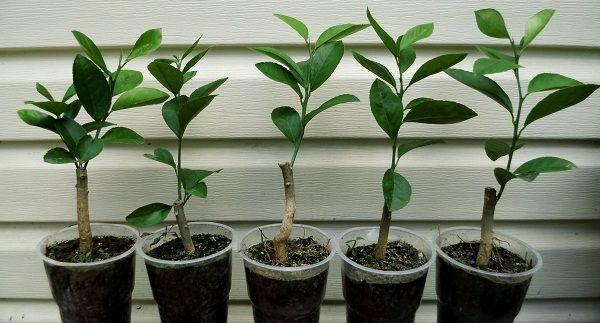
In this case, you need to create all the conditions for root growth and development. In other words, you're planting a lemon tree from a branch. After that, care will be needed, otherwise the tree will grow and develop very slowly.
Necessary conditions for rooting
To begin, ensure constant air humidity, place the plant in partial shade, and ventilate it regularly. Mist the lemon 2-3 times a day. This will help the plant establish itself.
Optimal soil composition
The soil should contain many useful components. Typically, soil from the garden is mixed with compost in a 1:1 ratio. Sand, pine needles, and turf are also used.
The required size and volume of the pot
Initially, use a small pot to allow water to collect near the roots. As the plant grows, change the container and repot.
Climate conditions: humidity, lighting, temperature
The temperature should be at least 20 degrees Celsius, preferably higher. In this case, create partial shade to prevent any negative impact on the cuttings.
Humidity should be high, but this only applies to the air in the room; if you water it too much, the plant will begin to rot.

Irrigation and fertilizing
Water as the soil dries out; avoid overwatering frequently. As the plant grows, increase the amount of water, but be careful not to allow it to become stagnant. Water twice a week.
How long does it take for a sprout to take root?
Depending on the variety and the specific genetic material, the rooting process varies. Typically, it takes two weeks, but rooting can also take up to a month. This also depends on the planting and subsequent care.
Further care of seedlings
The tree thrives in full sun, with comfortable temperatures ranging from 18 to 28 degrees Celsius (64 to 82 degrees Fahrenheit). Repot annually as it grows. Fertilize year-round, especially during the warmer months—from early spring to late fall. The topsoil is replenished.
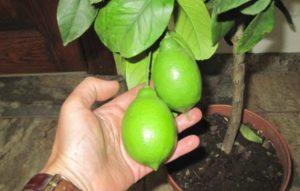
Avoid transporting the plant frequently. Sudden temperature changes will harm the lemon. Form the crown and monitor its health. Proper cultivation and care will yield fruit.
We are building a specialized greenhouse for lemons
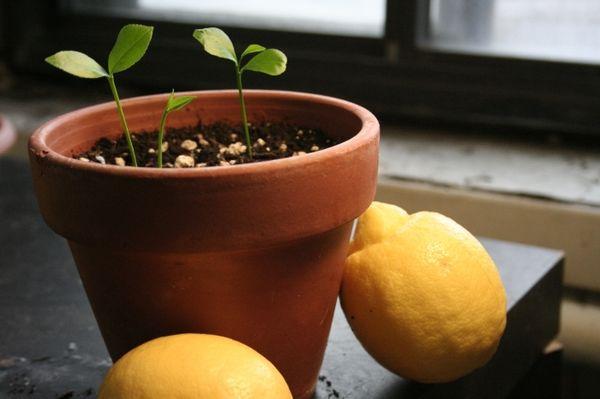
To maintain the right temperature for lemon trees year-round, gardeners often use greenhouses. This doesn't necessarily have to be a separate structure. Vegetables can be grown in a greenhouse in the spring and summer, and the lemon tree can be replanted in the fall. There, the plant will receive sufficient moisture and strengthen its roots.
Or the pots with plants are simply transferred to the greenhouse. If you plan to leave the lemon tree for the winter, the greenhouse should maintain a temperature of at least +20 degrees. Lighting must also be provided. The light should be diffused.
Tips and tricks for better rooting
To ensure the roots are firmly anchored in the soil, avoid planting the plant on the south side of the house. Use artificial lighting while planting the cuttings. Spray the plant or the room where it's growing occasionally with water to maintain humidity. Maintain a stable temperature and trim off excess leaves first. This will redirect all the nutrients and energy the lemon tree produces to root development.
Related posts:
 Methods for planting and propagating cherries at home
 The best grape varieties for growing in the Urals, planting and care rules in summer
 How to plant walnuts, care for them, and grow them at home
 Descriptions of the 20 best cherry varieties for the Moscow region, their planting and care
 Growing and caring for hazelnuts in open ground, rules for planting hazelnuts
 How to plant grapes step by step, with a description of the process and care
 Conditions for growing mandarin at home and rules for caring for the tree
 How to propagate and grow peas, cultivation technology, and care in open ground