
- Description of the culture
- Appearance and size of the tree
- Flowering and pollination
- Fruiting
- The best varieties: features and characteristics
- Santa Barbara
- Neapolitanum
- Tahiti
- Palestinian sweet lime
- Mexican
- How to plant lime at home
- What will be required?
- Capacity
- Priming
- Planting material
- Preparation of planting material
- Seeds
- cuttings
- Timing and technological process
- We create optimal conditions for germination and rooting
- Where to place a potted lime tree?
- Temperature conditions
- Humidity and lighting
- How to care for lime trees
- Watering mode
- What to fertilize with?
- Crown formation
- Transfer
- Preparing for the winter period
- Diseases and pests: protection and prevention
- Graft
- Selecting scion and rootstock
- How to graft a lime tree
- Into the cleft
- Under the bark
- Budding
- Methods of reproduction
- What problems arise when growing citrus: ways to solve them
Growing a lime tree at home is a labor-intensive yet rewarding process. To achieve good results and a strong, vigorous plant, it's important to follow a number of recommendations. First and foremost, proper planting is recommended. Adequate care is also crucial, and it should be comprehensive.
Description of the culture
Lime is a citrus fruit genetically similar to lemon. The plant has been cultivated in various countries around the world for several thousand years.
Appearance and size of the tree
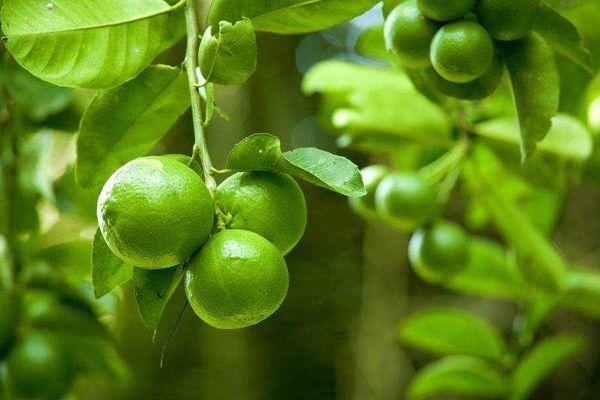
The tree is small in size, reaching heights of 1.5-5 meters. It is characterized by a dense, rounded crown. The plant has spreading branches covered with thorns. The leaves are dark green, dense, and oval in shape, tapering to a point.
Flowering and pollination
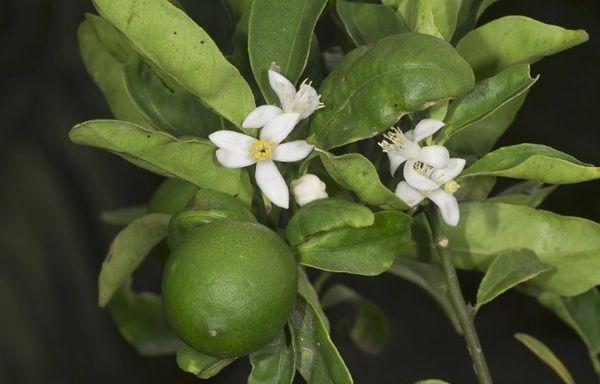
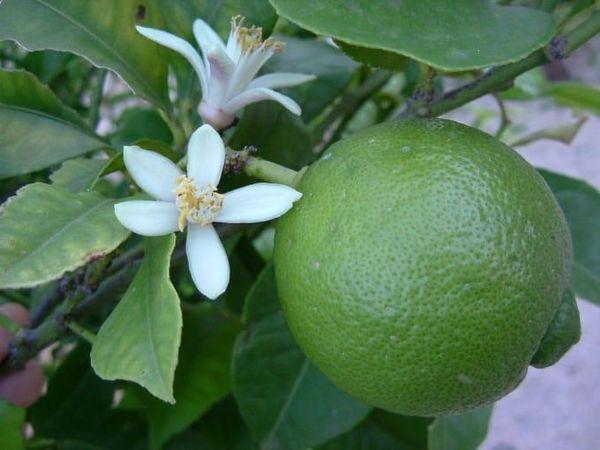
The flowers are distinguished by their white hue. They form in the leaf axils. They form inflorescences of 4-7 flowers. Flowers and fruit ovaries most often form during rainy seasons, which occur in late spring and early summer.
Fruiting
The peak yield is observed in late summer and mid-autumn. The fruit is considered a hesperidium, which consists of several main parts. These include the peel, the pulp and juice, and the seeds.
Pros and cons of growing at home
Growing a lime tree has a number of benefits:
- excellent taste of fruits;
- high decorative properties of the culture;
- pleasant aroma;
- useful properties.
However, this culture also has certain drawbacks. It requires specific conditions and is susceptible to parasites.
The best varieties: features and characteristics
Today, many varieties of lime are known, each of which has its own characteristics.
Santa Barbara
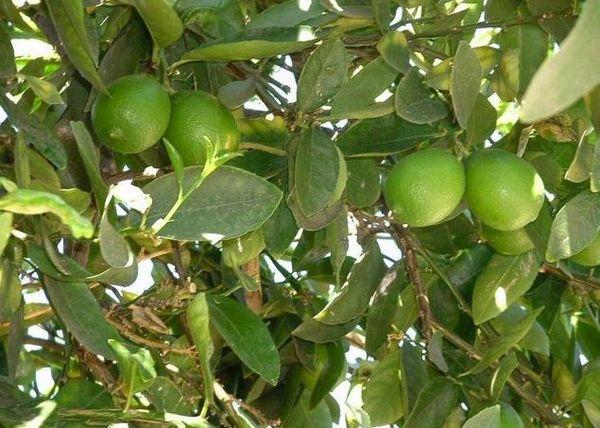
This variety is characterized by high yields. The fruits have a rich orange hue and an elongated shape. Inside lies aromatic pulp with a tart flavor. The peel is medium-thick and yellow. The fruits contain numerous seeds.
Neapolitanum
This lime is considered one of the most delicious. It is characterized by a thin, aromatic rind. The pulp is seedless, juicy, and slightly tart. It has a distinct aroma of essential oils.
Tahiti
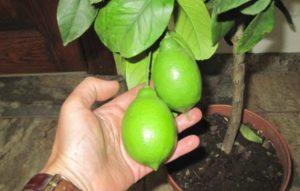
This variety is characterized by fairly large fruits. They are greenish in color and very juicy. There are virtually no seeds inside. The thin, greenish skin adheres tightly to the pulp, which has a very sour taste.
Palestinian sweet lime
This variety is characterized by spherical fruits. They contain few seeds and have a thin, orange skin. Inside, there is yellow flesh with a bland flavor and a bitter aftertaste.
Mexican
This is one of the most popular lime varieties. It has few seeds. The peel adheres tightly to the flesh and is quite thin. As it ripens, it turns yellow-green. The flesh also has a yellow-green hue and a delicate texture.
How to plant lime at home
To grow lime trees at home, you need to follow a number of recommendations. First and foremost, you need to plant them properly.
What will be required?
Before planting, it's important to prepare everything you need. This will require a special substrate and a suitable pot.
Capacity
To grow lime in a pot, choose a deep container that will provide enough space for root development.
Priming
For lime trees, it's recommended to purchase a special substrate designed for growing citrus plants. It should be combined with river sand. This will help improve the soil's looseness.
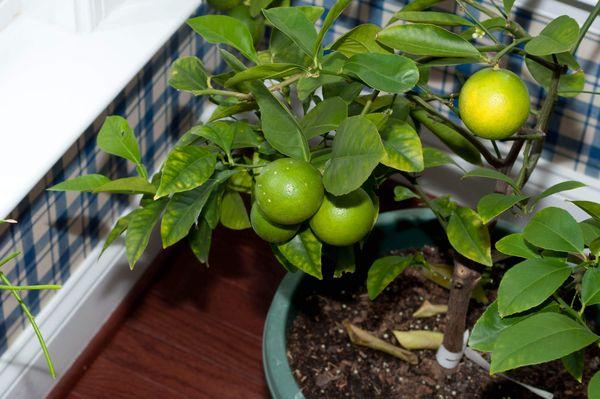
Planting material
Lime trees can be grown from seeds or cuttings, allowing everyone to choose the best option.
Preparation of planting material
To achieve good results in growing this crop, it is worth paying attention to the preparation of planting material.
Seeds
To propagate lime trees, you can use varietal seeds. It's also acceptable to use seeds from store-bought limes. However, in the latter case, you won't be able to obtain a varietal plant.
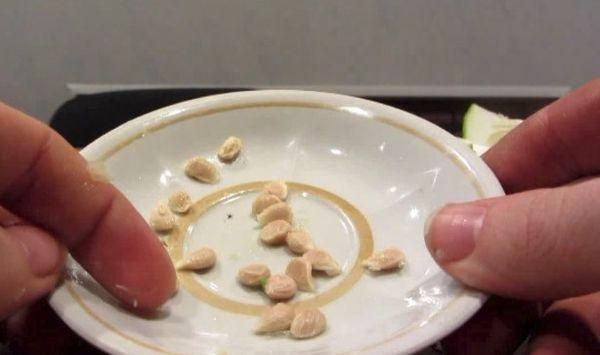
Care should be taken when choosing planting material. It should be free of stains or damaged areas. It is recommended to rinse the selected seeds with water to remove any remaining pulp. Soak them in humic fertilizer for half an hour, then place them on a napkin.
cuttings
To take cuttings, select young branches from the main plant. Wear gloves when doing this to avoid damaging your hands on the thorns. Last year's branches should be cut into pieces 8-14 centimeters long.
Each cutting should have at least 4-5 buds. The lower cut is made at a 45-degree angle, the upper at a 90-degree angle. It's important that the cutting has three leaves. The lower part should be treated with Kornevin or Heteroauxin, and the upper part should be coated with garden pitch.
Timing and technological process
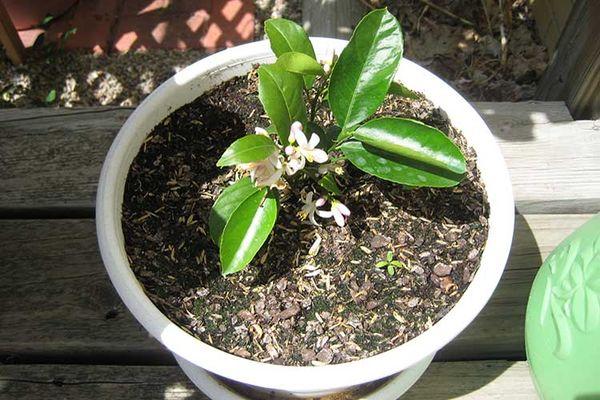
The planting process depends on the propagation method. Timing is also determined individually. When growing from seed, the seedlings should be planted 1 centimeter deep. It is recommended to cover the container with plastic or glass to create a greenhouse effect.
The pot should be placed near a bright window. The room temperature should be at least 25 degrees Celsius. When growing limes from seed, you can usually expect sprouts to appear within 2-2.5 weeks.
To prevent the seedling from dying, it's recommended to remove the film. This will allow oxygen to flow. When the top layer of soil dries out, mist it with a spray bottle.
Take a look Also
When propagating a plant from cuttings, water the soil thoroughly and place the cutting in it. Place the cutting at a slight angle, with the sharp end down. The plant should be planted a maximum of 1.5-2 centimeters deep.
After this, cover the container with plastic wrap or a plastic bottle and place it in a warm, bright place. It's important to avoid exposing the cutting to direct sunlight, as this can cause burns.
The plant should be misted with warm water twice a day. Moistening the soil as needed is recommended.
We create optimal conditions for germination and rooting
For citrus to thrive, it needs the right conditions. Controlling humidity, temperature, and lighting is essential.
Where to place a potted lime tree?
Lime is considered a tropical plant, so it's recommended to place it in a well-lit area. However, it's important to ensure it's not exposed to direct sunlight.
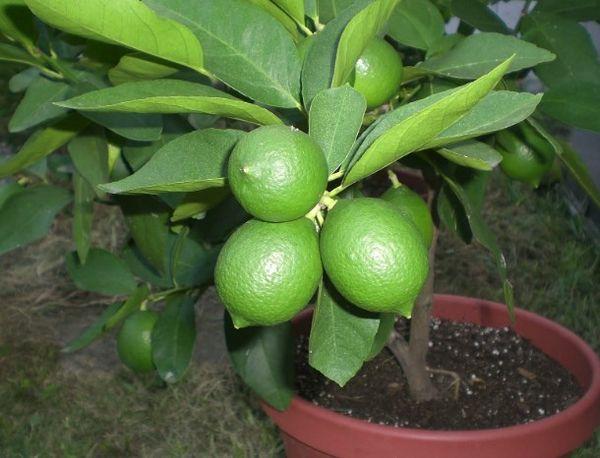
Temperature conditions
Temperature parameters are influenced by the stage of tree formation and seasonal factors:
- Active growth continues from March to October. During this period, limes require temperatures between 20 and 35 degrees Celsius.
- A period of relative dormancy lasts from October to May. During this time, the tree requires cool temperatures of 15-18 degrees Celsius.
Humidity and lighting
This tropical plant doesn't thrive in extremely dry conditions. Therefore, during warmer months, it needs a shower 2-3 times a month. To prevent overwatering, cover the soil with plastic. In winter, misting once a month is sufficient.
Lime trees require adequate light. A west- or east-facing windowsill is recommended.
If the room is facing north, you will have to use additional lighting sources.
How to care for lime trees
In order for lime to develop normally, it needs to be provided with high-quality and comprehensive care.
Watering mode
Lime trees don't tolerate overly wet soil. Therefore, water the plant only as needed. This is recommended when the top layer of soil becomes dry. Moistening is required during the active growing season—from spring to fall.
What to fertilize with?
Lime trees require timely fertilization. Otherwise, they will become diseased and susceptible to pest attacks.
Fertilizers should be applied during the active growing season—spring and fall. Organic and mineral fertilizers are used. The plant requires potassium, phosphorus, and nitrogen. It is recommended to apply these nutrients in equal parts. If using organic fertilizers, a mullein solution is recommended.
To ensure the plant develops normally, it's important to fertilize the tree regularly, every 14-15 days.
It is especially important to feed the crop during periods of active development, flowering, and fruit formation.
Crown formation
Lime trees require timely pruning. It's recommended to begin crown shaping when the tree is young. This will ensure the development of lateral shoots. For a one-year-old lime tree, each branch should be trimmed by a third of its length. Subsequently, perform formative and sanitary pruning annually.
Transfer
As the tree grows, it is recommended to move it to a larger container. This procedure is done seasonally by repotting. Lime trees have a very sensitive root system. Therefore, a lump of soil should be present around the tree. It is also important to ensure that the root collar does not penetrate the soil.
Preparing for the winter period
Winter brings a period of relative dormancy. During this time, it's recommended to reduce watering. It's recommended to moisten the soil a maximum of three times a month. Lime trees also require cooler temperatures, ranging from 15 to 18 degrees Celsius.
Diseases and pests: protection and prevention
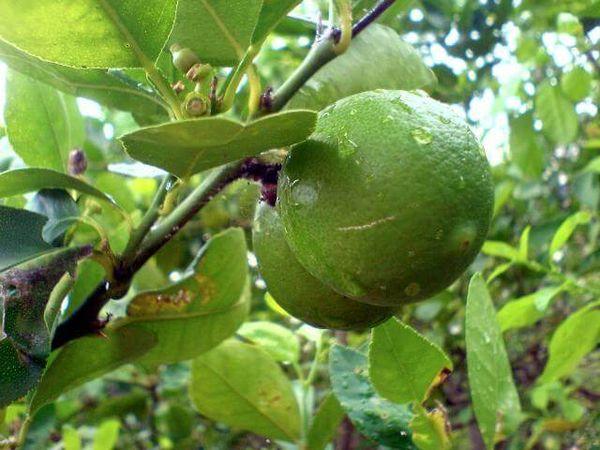
The most common pests affecting the tree are scale insects, mealybugs, and spider mites. These include yellowing and deformation of the leaves, a dark coating, and sticky residue on the branches.
To combat parasites, it is recommended to treat the plant with a soap solution. If this doesn't work, use chemicals such as Aktara or Actellic.
Lime trees are most often affected by rhizome disease. The main symptom is the appearance of a sticky liquid on the shoots. Problems can be caused by overwatering, using cold water for irrigation, or planting the tree too deeply. In this case, the damaged areas should be treated with copper sulfate.
Graft
To obtain high-quality fruit, grafting is recommended. There are several effective methods.
Selecting scion and rootstock
A small tree serves as the rootstock. Its trunk should be 5-6 centimeters thick. A branch cut from a mature tree is used as the scion.
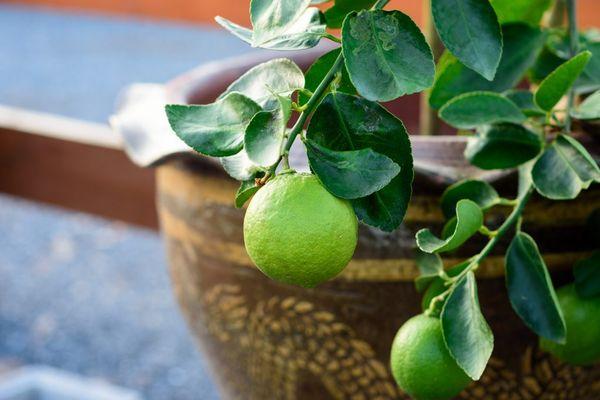
How to graft a lime tree
To graft lime, it is recommended to choose the right method for carrying out this procedure.
Into the cleft
This method involves making a cut in the tree trunk. A prepared branch is inserted into the split and wrapped tightly.
Under the bark
To implement this method, graft the cutting with a minimum of 5 millimeters of cutting. It is recommended to tuck it under the bark.
Budding
This method involves making a T-shaped cut in the bark. The branch is inserted into this cut to ensure a tight fit.
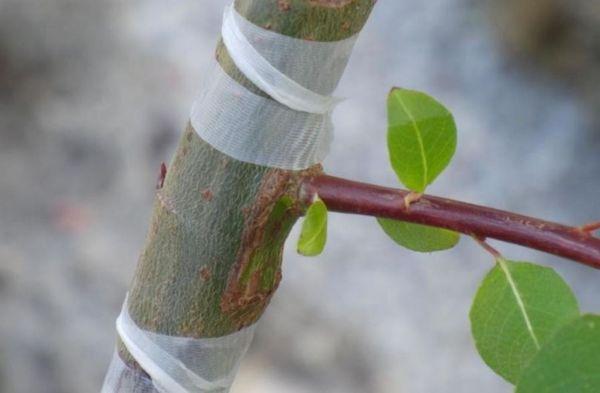
Methods of reproduction
Lime trees can be propagated in a variety of ways. This is often done from a seed. Cuttings or layering can also be used.
What problems arise when growing citrus: ways to solve them
The main problem when growing lime trees is pest and disease infestation. To combat this, it's important to use fungicides and insecticides in a timely manner.
The lime tree is a popular houseplant grown by many people. To achieve good results, it requires comprehensive care.
Related posts:
 Methods for planting and propagating cherries at home
 The best methods for growing grapes from seeds at home
 Conditions for growing mandarin at home and rules for caring for the tree
 Growing and caring for hazelnuts in open ground, rules for planting hazelnuts
 The best grape varieties for growing in the Urals, planting and care rules in summer
 Rules for growing and caring for citrus fruits at home from seeds, fertilizers
 Rules for planting and caring for pears in open ground, how to grow them correctly
 How to grow an orange tree at home, planting and care