
- General description of the culture
- Appearance and maximum size of the tree
- Flowering and pollination
- Fruiting
- The best varieties for growing indoors
- How to plant an orange tree at home
- What will be required?
- Pot
- Soil
- Planting material
- Preparation of planting material
- Seeds
- cuttings
- Timing and technological process
- We create optimal conditions for germination and rooting
- Where to place a pot with an orange tree
- Optimal temperature conditions
- Humidity and lighting
- How to care for an orange tree
- Watering
- Fertilizer
- Crown formation
- Transfer
- Preparing for the winter period
- Diseases and pests: protection and prevention
- Graft
- Selecting scion and rootstock
- How to graft an orange tree
- Into the cleft
- Under the bark
- Budding
- Methods of reproduction
- What problems arise when growing citrus: ways to solve them
Many people are interested in how to grow orange trees at home. Various methods are used, including seed propagation and cuttings. In any case, it's crucial to properly prepare and plant the tree, followed by high-quality and comprehensive care. This should include timely watering, fertilizing, and pruning. Treatment for diseases and pests is also essential.
General description of the culture
Orange trees have a number of characteristics, which are essential to familiarize yourself with before planting.
Appearance and maximum size of the tree
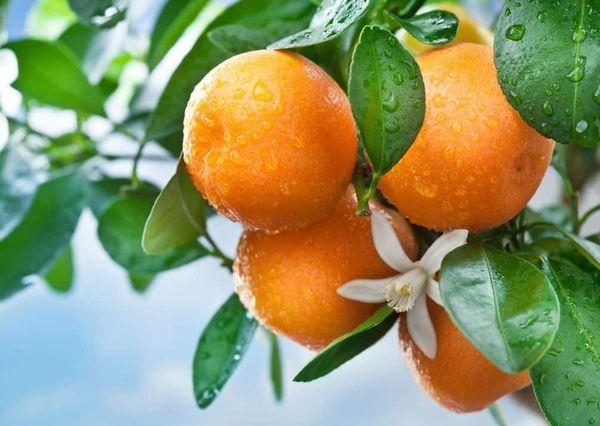
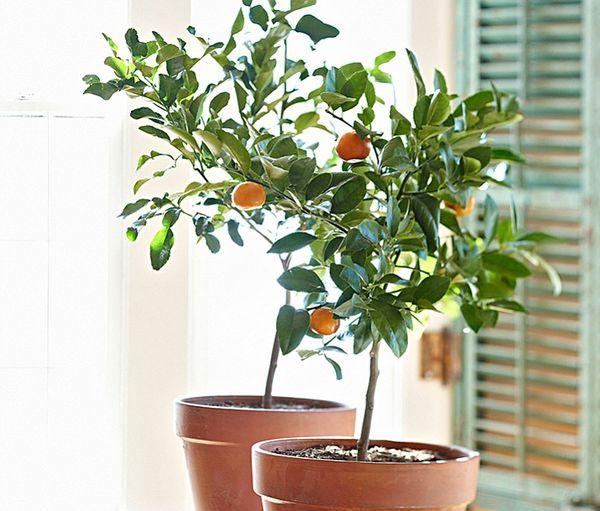
Oranges are a wonderful choice for growing indoors. There are many low-growing varieties, reaching no more than 3 meters in height. A home-grown orange tree is very attractive, with a dense crown and dense, rich green leaves.
Flowering and pollination
Orange trees are characterized by abundant flowering. However, the first flowers appear only several years after planting. They are white and reach 5 centimeters in diameter. The inflorescences form clusters of 5-6 flowers.
Fruiting
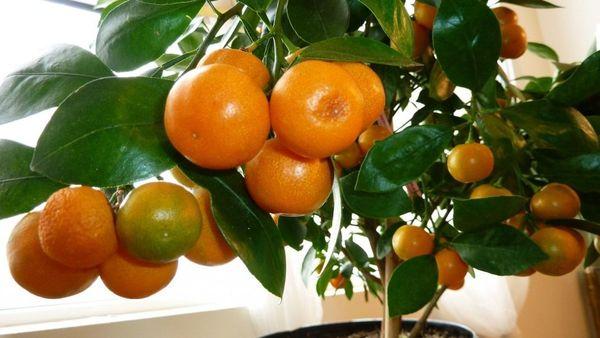
A properly grown orange tree produces a bountiful harvest. It bears fruit that is almost identical to those sold in stores.
The best varieties for growing indoors
The following varieties of oranges are allowed to be grown at home:
- Clementine is considered a popular variety. It is a hybrid of an orange and a mandarin. Its fruits have a distinct aroma and sweet taste. One of the advantages of this variety is its ease of peeling.
- The Hamlin tree is considered ornamental. Its small size makes it suitable for an apartment or office. This orange tree is characterized by fragrant flowers and small, sweet-tasting fruits.
- Citrange is a hybrid of sweet orange and wild lemon. The pulp of this variety is characterized by a bitter taste.
- Bitter orange is considered a sour variety. Its popularity stems from the high content of essential oils in its fruits and leaves. The fruits of this variety have a distinctive flavor, so they are rarely eaten fresh. These oranges are often added to confectionery and alcoholic beverages.
- Nova – in appearance, this plant more closely resembles a tangerine tree. The fruit is approximately the size of an orange.
- Sanguinello is a Sicilian orange, characterized by vibrant red fruit. This variety is known for its high yield and rapid growth. The fruit is very juicy and virtually seedless.
- Washington Navel is considered a popular orange variety. It begins to bloom in 4-6 years. It is a high-yielding variety with excellent flavor.
- Trovita is the fruit that adapts most easily to indoor conditions, making it a popular choice for gardeners. It boasts high yields and excellent flavor.
Take a look Also
How to plant an orange tree at home
To achieve success in growing crops and get a good harvest, it is important to carry out planting work correctly.

What will be required?
First, it's important to prepare everything you need. To do this, it's recommended to carefully select a container and nutrient substrate.
Pot
This plant is recommended to be grown in a pot with a height and top diameter of 10-15 centimeters. A good drainage layer is essential.
Soil
A special substrate is suitable for this plant. It's also perfectly acceptable to prepare your own. For this, we recommend mixing ash, river sand, leaf mold, and humus.
When carrying out planting work, it is important to ensure that no voids appear near the roots.
Planting material
To propagate orange trees, use seeds or cuttings. Seeds can produce wild orange trees with dense crowns and disease resistance. Cuttings can also produce cultivated orange trees with delicious fruit.
Preparation of planting material
To ensure the plant develops normally, it is important to pay attention to the preparation of planting material.
Seeds
First, remove the seeds from the fruit. It's recommended to separate them from the pulp and wash them. Before planting, soak the seeds in a growth stimulant for 12 hours. Epin or Kornevin are suitable for this purpose.

cuttings
To grow orange trees from cuttings, the planting material should be taken from well-ripened shoots. Clean sand is suitable for rooting. Alternatively, fill the pot with a drainage layer and top it with humus and sand. Place the plant in the resulting mixture.
Timing and technological process
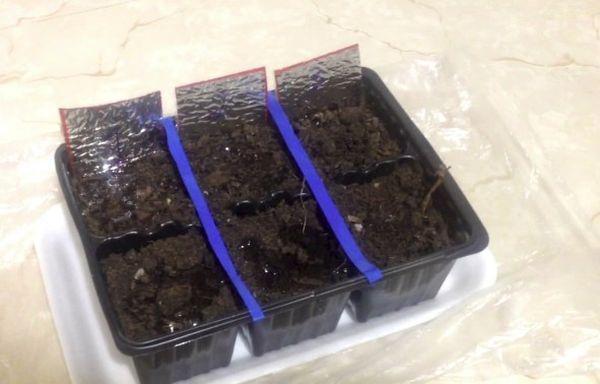
Orange trees can be planted at any time of year, but the key is to create optimal conditions. To begin, place the seedlings in a separate pot, no larger than 100 grams. It's recommended to plant the seeds 5 centimeters apart. They should be buried 1 centimeter into the soil.
We create optimal conditions for germination and rooting
To ensure sprouts develop normally at home, they need to be given proper care. First, place the sprout in the right location.
Where to place a pot with an orange tree
The optimal location for an orange tree is a western or northern windowsill. If you plan to place the pot on the southern or eastern side, it is recommended to move it away from the window.
Optimal temperature conditions
Oranges are considered heat-loving plants. However, when grown indoors, normal room temperatures are quite sufficient. The room should be frequently ventilated. In warm weather, the plant can be moved outside or onto the balcony.
In autumn and winter the temperature should be +10 degrees.
Humidity and lighting
Orange trees require adequate light. However, they don't respond well to direct sunlight, which can cause leaf burn. In this situation, the tree should be shaded.
This exotic plant requires adequate moisture. It should be regularly watered with a spray bottle. In summer, this should be done at least once a day.
How to care for an orange tree
To ensure the culture develops normally and fully, it is recommended to provide it with high-quality care.
Watering
During the summer, the tree should be watered daily. This is especially important in hot weather. It's important to avoid stagnant water in the pot. Any excess water in the tray should be promptly drained. This will help prevent root rot.
Settled or melted water is suitable for watering. It should be at room temperature. Using water that is too cold can damage the roots and kill the plant.
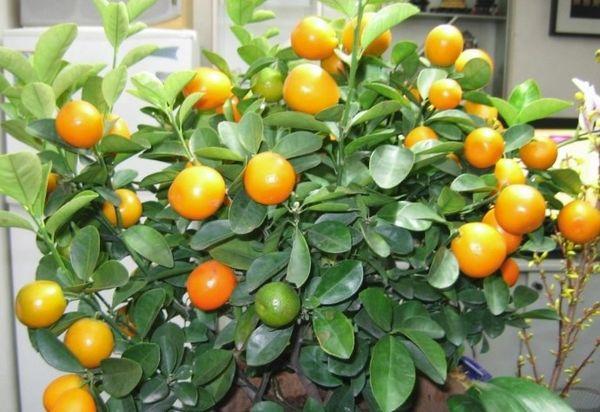
With the onset of winter, orange trees require less water. It is recommended to water them no more than once a month. If the plant does not rest during the winter, water it when the top layer of soil dries out.
Fertilizer
Fertilizing with a complex fertilizer should be done at two-week intervals. To make a beneficial mixture, use 10 liters of water, 20 grams of nitrogen fertilizer, 25 grams of phosphorus, and 15 grams of potassium salt. It is recommended to add ferrous sulfate to the mixture once a season. Potassium permanganate is added monthly.
Crown formation
When growing orange trees, it's essential to regularly prune the plant. This is done to create a beautiful crown and prevent pests. All branches that crowd the crown and grow inward should be trimmed. Weak, diseased, and elongated shoots should also be removed.
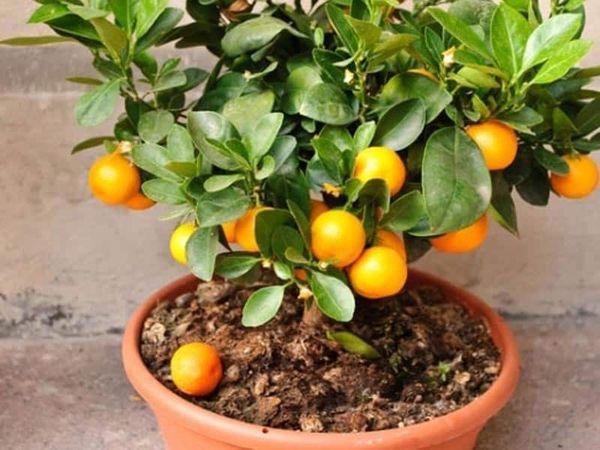
When forming the crown, 2-3 second-order shoots are left on the first-row branches. 3-4 third-order shoots are left on the second-row branches. Fourth-order branches are left in place. These are where the fruit appears.
Transfer
The plant should be repotted in the spring, before new foliage forms. This procedure should be performed before the plant reaches 10 years of age. The following steps are recommended:
- When the orange tree has two true leaves, it's time to transplant it. The sprouts have weak roots, so transplant carefully. Avoid digging the root collar too deep.
- When 4-6 leaves appear, the seedlings are moved to individual pots. It's best to choose smaller containers.
- The orange tree is repotted again when it reaches 15-20 centimeters. The pot should be 2 centimeters larger than the previous one.
- A full-fledged culture is transplanted after 2 years.
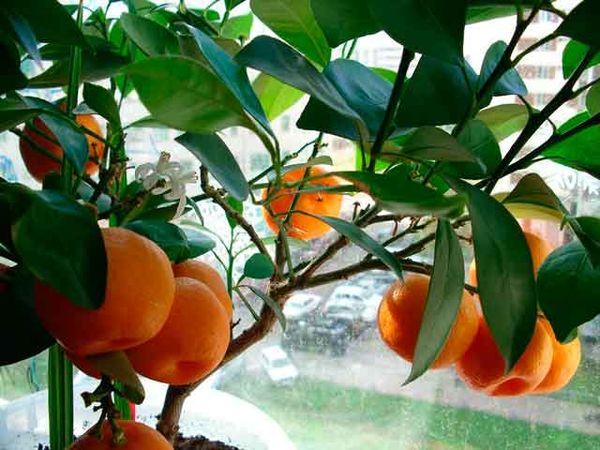
Once an orange tree reaches ten years of age, it shouldn't be repotted. However, it's recommended to remove the top layer of soil and replace it with fresh soil.
Preparing for the winter period
During winter, the tree should be left dormant. To achieve this, move the plant to a shaded area and avoid watering or fertilizing. Supplemental lighting is also not recommended. The temperature should be between 10 and 12 degrees Celsius.
Diseases and pests: protection and prevention
Orange trees often face pests and diseases. The tree often suffers from scale insects. These insects absorb the sap from the leaves and shoots. As a result, the plant turns yellow and wilts. The leaves curl, and eventually, the tree dies. Insecticides such as Aktara or Inta-Vir can help combat this problem.
The plant often suffers from attacks by spider mites, aphids, and mealybugs. All above-ground parts of the plant are affected, including ovaries and buds. A soap-tobacco solution can help control these pests. If this is ineffective, insecticides such as Actellic or Fitoverm can be used.
Houseplants often suffer from fungi and viruses. Gum disease and gummosis are dangerous.
Diseases affect shoots, trunks, and foliage. Affected areas should be cleaned and sealed with garden pitch. Treat the plant with any systemic fungicide.
Graft
To ensure fruit production, grafting is recommended. To ensure the tree produces large fruits, it's important to perform the procedure correctly.
Selecting scion and rootstock
Orange isn't the only acceptable rootstock. Lime, pomelo, and mandarin are also suitable. Grafting should begin when the shoots have become woody. The trunk thickness should reach 5 millimeters.
How to graft an orange tree
There are several methods for performing the procedure, each of which has its own specific features.
Into the cleft
To graft an orange tree, follow these steps:
- Treat the rootstock and scion with a damp cloth.
- Cut the tree 5-10 centimeters from the ground surface.
- Using a sharp knife, cut the trunk in the center.
- Make 2 oblique cuts on the scion.
- Insert the branch into the cleft.
- Wrap the grafting area tightly.
Under the bark
This method is used when there is a significant difference in size between the scion and rootstock. It allows the scion to adapt to a thick, perennial rootstock.
Budding
This is the simplest method and the least damaging to the plant. It involves making a T-shaped cut in the tree.
Methods of reproduction
The plant is grown from seed or propagated by cuttings. Propagation is also done by layering, both air and ground. Grafting is also possible.
What problems arise when growing citrus: ways to solve them
Common problems include the following:
- violation of watering rules;
- sharp temperature fluctuations;
- deficiency or excess of fertilizers;
- incorrect transplant.
To achieve success in growing oranges and reap a bountiful harvest, it's essential to provide them with high-quality and comprehensive care. It's also crucial to strictly follow all agricultural recommendations.
Related posts:
 Methods for planting and propagating cherries at home
 Conditions for growing mandarin at home and rules for caring for the tree
 The best methods for growing grapes from seeds at home
 Growing and caring for hazelnuts in open ground, rules for planting hazelnuts
 Description and rules for growing Solaris grapes
 The best grape varieties for growing in the Urals, planting and care rules in summer
 Rules for planting and caring for pears in open ground, how to grow them correctly
 Rules for growing and caring for citrus fruits at home from seeds, fertilizers