
- Objectives and tasks of pruning
- The difference between pinching and pruning
- Specifics of branch growth and rules for their pruning
- When should the procedure be performed?
- Necessary tools
- Tree pruning technology
- Forming
- To stimulate abundant flowering
- Fruit normalization
- To rejuvenate old trees
- We cut cuttings for propagation
- Pinching and removing excess blooms
- What care does lemon need after the procedure?
- Possible difficulties and ways to solve them
- How to shape the crown of a lemon tree without pruning?
- Tips and recommendations
Growing lemon trees at home is a painstaking but rewarding endeavor. Unlike indoor plants, there are many nuances that must be observed to prevent the lemon tree from wilting. One important procedure is pruning the lemon tree at home to ensure fruiting.
Objectives and tasks of pruning
One of the procedures that should not be forgotten when growing an indoor lemon tree is pruning.
Why prune a plant:
- The crown becomes neat and compact.
- With its help it is possible to rejuvenate an old tree.
- If the tree in the pot is not trained, it will stretch out too much and stop bearing fruit.
- It is possible to regulate the number of ovaries and fruits.
- The procedure helps prevent the development of many diseases.
- In this way, you can extend the life of the tree.
There are no downsides to pruning if it is done correctly, so the specifics of the procedure should be studied in advance.
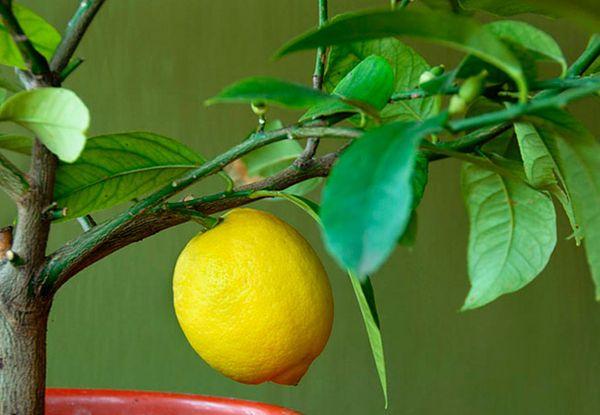
The difference between pinching and pruning
Pruning a lemon tree is a more complex procedure, performed using specialized gardening tools (scissors, pruning shears, and a hacksaw). Pinching can be done at any time. To do this, simply pinch off the tip of a very elongated shoot.
After pruning, the tree takes longer to recover, and at first it needs additional care.
After pinching, no additional measures are taken to maintain and restore the plant.
Specifics of branch growth and rules for their pruning
To prune a lemon tree correctly, you need to understand the specific growth patterns of its branches. A newly planted sapling typically produces a single, vertically growing shoot. After a year, it produces several lateral shoots. During growth, "fat" branches may appear. These are large, but non-fruit-bearing shoots. To prevent the tree from wasting energy on their growth, such branches are pruned immediately. Typically, they grow vertically upward, like the main trunk.
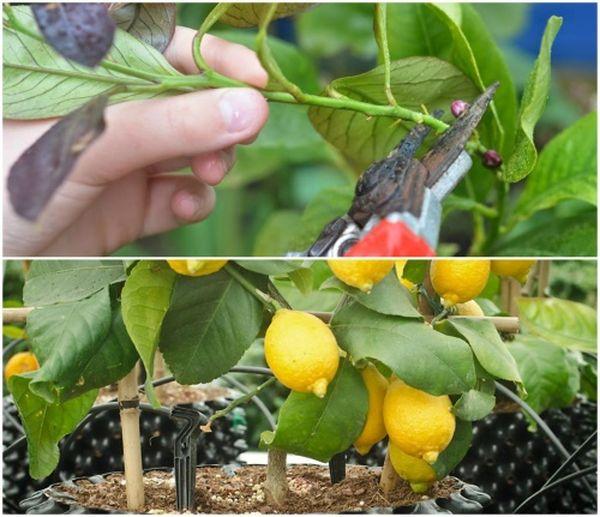
Any shoot can be shortened without exception, but the procedure begins with the main stem. If you do this in this order, you'll quickly form a compact, not spreading crown. First-tier branches are shortened by 15 cm. Second-tier branches are cut back to no more than 10 cm. Other branches are trimmed back by just 5 cm. You can finish the process by pruning branches at subsequent levels.
When should the procedure be performed?
The procedure is performed while the plant is dormant. It's usually done from late fall to early spring. Pruning should not be done in summer. During this period, the tree is growing and bearing fruit, and it's undesirable to subject it to additional stress. This can cause the foliage to turn yellow and wilt.
Necessary tools
The following equipment is required for the procedure:
- Pruning shears (if you don’t have one, regular, well-sharpened scissors will do).
- Garden var.
Only sharp, razor-sharp tools are used to prevent kinks. Before each cut, pruning shears are disinfected to prevent infection.
Tree pruning technology
Beginning gardeners are advised to immediately learn the nuances of crown shaping. Lemon tree pruning techniques vary depending on the purpose of the pruning and the age of the tree.
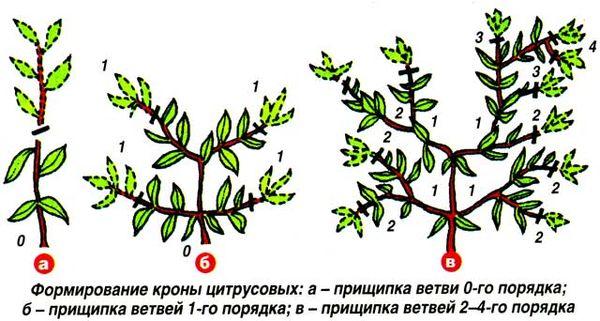
Forming
Stages of shoot formation:
- The top of a young shoot is shortened before it has time to become woody; the height from the base of the trunk should be approximately 21-26 cm.
- When the zero shoot matures, it is shortened (usually 10-15 cm is left, it is also desirable that 4-5 leaves remain on it).
- Then you need to wait until the branches belonging to the first level appear, there should be 3-4 of them (if only one shoot has grown, it is “broken out” - cut completely from the wood and again they wait until the required number of branches appears).
- The first level shoots are directed horizontally.
- If the first order branches have grown to 23 cm, they are cut off.
The formation of crown shoots of subsequent orders occurs according to the same pattern.
To stimulate abundant flowering
To make the lemon tree bloom, you can also carry out stimulating pruning:
- This type of pruning is carried out after the tree has grown higher than 23-26 cm.
- When pruning, all branches that have grown vertically are removed.
- All fatty and very long shoots are removed.
- The fat shoot is made fruitful by carefully bending it and placing it in a horizontal position.
- After it reaches a length of 10 cm, the shoot is pinched.
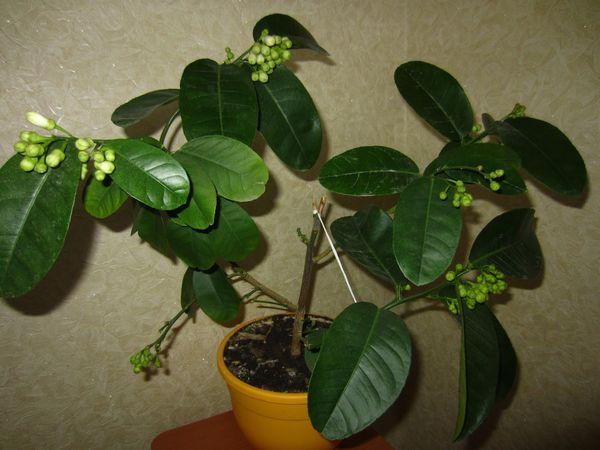
This type of procedure is carried out as needed if the lemon tree gradually produces fewer and fewer inflorescences.
Fruit normalization
To ensure abundant fruit production, the lemon tree must be thinned. As the plant grows, the number of fruits gradually increases. If the lemon tree blooms profusely for the first time, don't get too excited and leave the blossoms. Most of them will have to be cut off. Thinning is completed when the lemon tree reaches six years of age.

On a profusely blooming three-year-old lemon tree, remove half the inflorescences. Once the ovaries have formed, leave no more than three. Each year, increase the number of fruits by one to two, depending on the lemon's condition.
To rejuvenate old trees
Old trees typically exhibit poor growth. To accelerate this, pruning is necessary. Rejuvenating crown shaping is usually performed when the tree reaches 15-17 years of age.
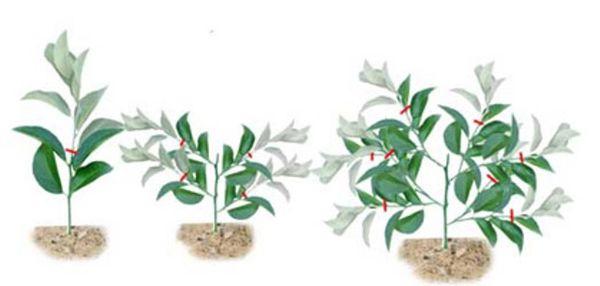
Pruning scheme for rejuvenating an old lemon tree:
- This type of pruning is carried out in the spring, in mid-March - early April.
- Formation begins with 4th order shoots.
- Shoots of the 2nd to 5th order are usually not touched.
- Old shoots of the 4th order are cut off completely, leaving only 2-4 buds.
After pruning, the lemon tree should be fed so that it has enough nutrients for new shoots to appear.
We cut cuttings for propagation
There are two ways to propagate lemon trees at home: by seeds and cuttings. Seed propagation is labor-intensive, time-consuming, and not the most effective, so most gardeners prefer to use cuttings for planting.
The most crucial stage in tree propagation is preparing cuttings. They are taken from strong, healthy, four-year-old trees. The cuttings are taken from last year's growth. It is recommended to take woody shoots with green bark. The best time to take them is March or April, but they can be taken any month.
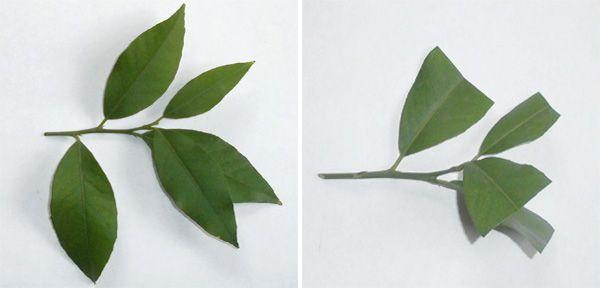
The cutting is cut at an angle and the cut is coated with garden pitch. It should have 3-4 leaves or fully formed buds. The optimal length of the cutting is 7-11 cm, and its thickness is 3-4 mm. Leaves are trimmed to stimulate root growth.
Prepared cuttings are placed in a root growth activator for 24 hours. Before planting, the lower part is dusted with charcoal and then planted in soil for rooting.
Pinching and removing excess blooms
Lemon trees can be pinched at any time of year. It's a simple procedure that the tree tolerates well. Typically, pinching is done on overly elongated or weak shoots. Inflorescences are also pinched if there are too many of them on the plant. A large number of inflorescences leads to the fact that no fruits may form at all, so only the largest flowers should be left.

What care does lemon need after the procedure?
After pruning, water the lemon tree generously with warm water. You can also apply a complex mineral fertilizer to help the tree recover more quickly. This can be done immediately after pruning or some time later.
Young trees quickly recover from pruning on their own. This cannot be said for older trees after rejuvenating pruning. Immediately after pruning, the tree is fed with mineral fertilizers. Fertilizers are applied more frequently after pruning. Organic fertilizers can be added along with mineral fertilizers.
Possible difficulties and ways to solve them
Difficulties arise when crown shaping is performed incorrectly. To prevent problems (leaf fall, gum growth), the procedure is performed only with sterile and well-sharpened tools. The cuts are immediately coated with garden pitch.
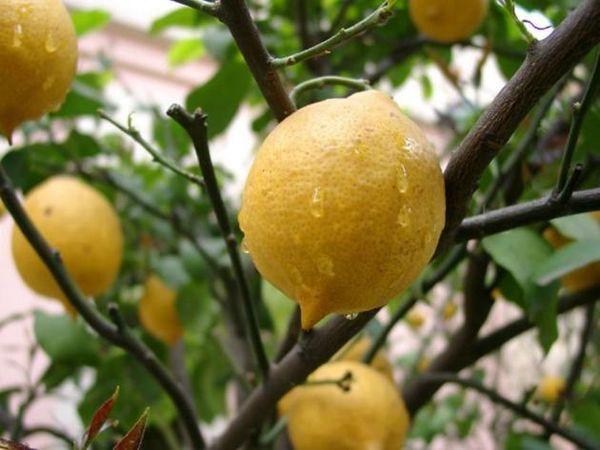
How to shape the crown of a lemon tree without pruning?
It's possible to shape a lemon tree's crown without pruning. This procedure is called pinching. This method involves cutting shoots from the fruiting bud as soon as they begin to form. In some cases, buds begin to grow again, requiring repeated removal. The tips of already-grown shoots should also be pinched.
Tips and recommendations
Tips for the procedure:
- The cut areas are coated with garden pitch (if very small branches were cut, coating is not necessary).
- Every year, thinning pruning is carried out, which allows the crown to always look neat.
- The tops of the working shoots must be pinched off, after which lemons will appear on them after some time.
If the goal of growing lemons is to produce as many fruits as possible, it's best to remove excess flowers during flowering. If a single shoot has too many blossoms, the weakest ones should be pruned.
Related posts:
 How to grow a lemon from a seed at home, whether it will bear fruit, and care instructions
 What to do if your lemon tree is losing leaves, what causes it, and how to revive it
 Rules for pruning raspberries in summer, in July, and how to harvest a good crop
 Rules for growing and caring for a lemon tree in a pot at home
 Growing indoor Pavlovsky lemon at home, describing the variety and caring for it
 Timing and rules for peach pruning, formation scheme after harvesting
 How to prune grapes step by step for beginners
 The benefits and harms of lemon for the human body, the best recipes