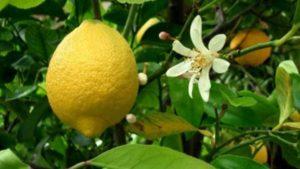
Citrus trees and shrubs are grown not only in country plots. Many plants thrive in spacious pots placed in houses, apartments, and offices. Given the right conditions, they captivate not only with their size and striking foliage, but also with their fruit. Proper soil composition is essential for successful citrus cultivation.
How to choose soil for citrus trees
Citrus fruits are finicky plants. They thrive and develop properly only in nutritious soil. Everything is important for them:
- compound;
- acidity;
- water permeability;
- looseness.
Its structure should be similar to the soils where citrus fruits grow in the wild, but for the fruitful cultivation of these plants at home, a more nutritious environment will be required.
Quality criteria
Dense soils promote water retention, are poorly aerated, and are unsuitable for growing citrus fruits. Seedlings in such conditions have a hard time establishing themselves, grow poorly, and wither.
For timely growth and development, it is necessary that the soil is well-drained and saturated with oxygen.
Compound
The substrate for growing citrus fruits includes:
- garden soil;
- compost;
- turf;
- peat;
- humus;
- sand.
The absence of one or another element changes the structure of the soil and complicates plant care.
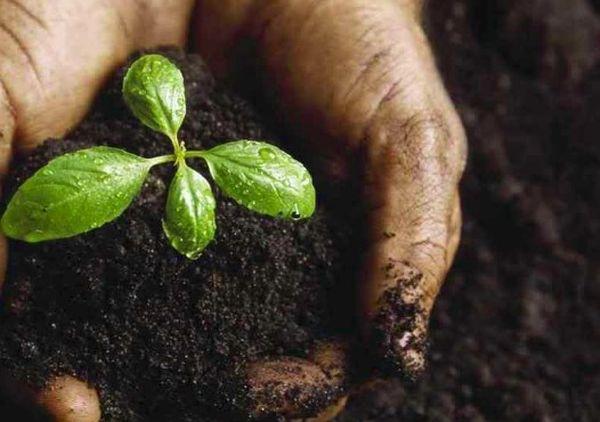
Soil acidity
When growing citrus fruits, the acid-base balance is crucial. Soils with a pH of 5.5 to 7 are ideal. Acidic and alkaline conditions are unsuitable.
Testing acidity at home is easy—just use litmus paper. The actual acidity level can be easily determined by the color of the indicator strip.
Fraction size
The peculiarities of citrus root systems require the use of fine, uniform, lump-free soil for planting. Only in such an environment is it possible for young plants to grow fully and for mature plants to bear fruit.
Trust store-bought products or make your own
Many gardeners often use ready-made substrates from the store for planting citrus crops. These include coconut fiber, sand, peat, and mineral fertilizers. In this environment, the plant quickly adapts to the new conditions and begins to grow vigorously. However, after just a few years, due to the high peat content, the substrate becomes severely depleted and requires replacement.
A homemade substrate is more effective when growing citrus fruits.
Preparing the perfect composition
A ready-made citrus substrate consists of peat, compost, a small amount of sand, humus, leaf mold, and turf. The ingredients are mixed until smooth.
Compost
Soil consisting of plant humus and rich in nutrients is called compost. For citrus fruits, use decomposed compost. It is carefully sifted before use.
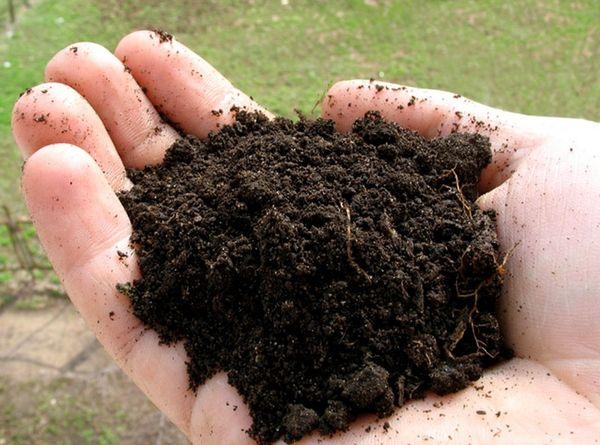
Peat soil
The decomposition of marsh plants produces peat. It contains trace amounts of minerals and photosynthesis products. Adding peat to the soil improves its permeability, making it looser in structure. The microbiological composition also changes. The amino acids and humic acids found in peat improve the development of citrus crops.
Peat alone isn't used for growing plants. It's added to soil mixtures, improving the structure and properties of the soil.
Peat is characterized by high acidity and requires deoxidation.
Sand
Not every soil has a good structure to begin with. Adding river sand is essential for increasing fertility.
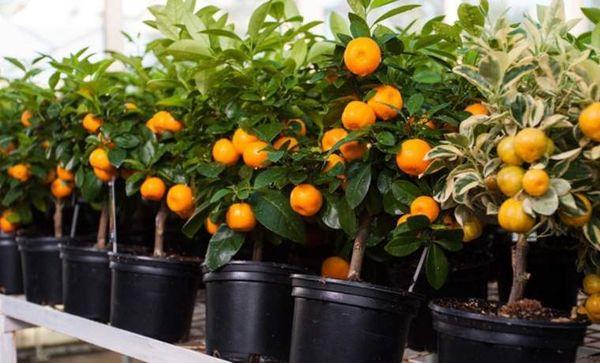
Sand:
- changes the dense structure of the soil to a looser one and makes it suitable for fruitful plant growth;
- retains moisture and heat in the soil for a long time;
- significantly facilitates loosening and, subsequently, transplanting of plants;
- prevents the accumulation of large amounts of moisture and prevents the formation of root rot.
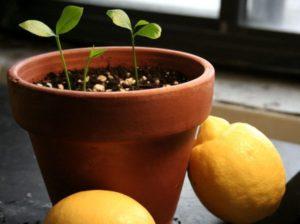
When growing citrus fruits, use coarse sand. It is washed with clean water before use.
Garden soil
Fertile soil is found beneath growing trees in well-tended gardens, which is actively used for growing many houseplants. It is harvested in the summer, during dry weather. Before use, the soil is freed from excess roots and sifted through a coarse sieve.
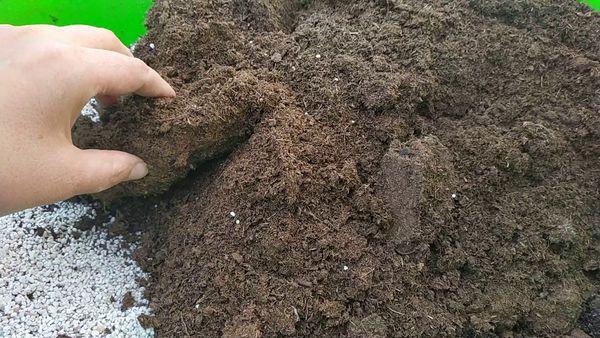
For citrus trees, garden soil taken no more than half a meter from the tree trunk is suitable. The best option is considered to be topsoil, taken at a depth of no more than 7 cm.
Leaf soil
Humus from old fallen leaves is called leaf soil. Leaf soil is considered more fertile than garden soil. It is harvested in natural conditions, far from dusty cities and major highways. Leaf soil is often highly acidic and requires liming.
turf soil
Untouched meadows with growing perennial grasses provide excellent turf soil. It is usually neutral to slightly acidic. Turf soil stands out among other varieties for its rich nutrient content and porous structure. Before use, it is cleared of roots and sifted through a sieve.
What fertilizers should I choose?
The fertilizer present in the soil at planting doesn't last long. After a year, they require periodic fertilizing.
- From February to August, nitrogen-containing fertilizers are added to the soil;
- in August and September - phosphorus and potassium;
- During the dormant period, complex fertilizers are applied no more than once every two months.
A high-quality soil mixture shortens the adaptation period for citrus trees, promoting the growth of healthy, fruit-bearing trees. If the plant's micronutrient requirements are met, the results will be immediate: the plant will delight its owner with a rich, green crown, vibrant blooms, and abundant fruiting.
Related posts:
 Control measures against citrus diseases and pests and treatment at home
 Rules for growing and caring for citrus fruits at home from seeds, fertilizers
 The best eggplant varieties for growing in a polycarbonate greenhouse: planting and care
 Methods for combating citrus diseases and pests at home
 Soil composition for planting lemons at home, how to prepare the soil yourself
 Diseases and pests of home lemons, treatment options, and solutions
 Conditions for growing mandarin at home and rules for caring for the tree
 The best grape varieties for growing in the Urals, planting and care rules in summer