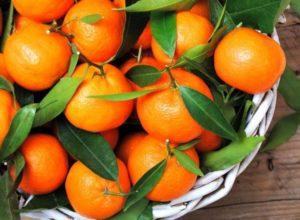
A mandarin tree is a plant that requires proper care and maintenance. To ensure productive growth, the owner must fertilize the tree, water it regularly, and repot it. Particular attention should be paid to pinching. To learn how to pinch and prune a mandarin tree at home, you need to familiarize yourself with the procedure.
Goals and objectives of pinching tangerines
Pinching is a procedure that facilitates the growth of fruit crops. What it does:
- Formation of the correct branch structure.
- Branch length restrictions. The mandarin tree is a vigorous grower, reaching up to 4 meters in height in southern regions.
- Formation of small bushes with a regular structure, which have a spreading and beautiful crown.
- Protection from dried branches.
Important! In addition to its primary functions, pinching helps energize the tree and promote healthy and productive growth.
What is needed for the procedure?
To properly pinch a mandarin orange tree at home, you need to prepare and disinfect all the necessary tools. What a gardener will need:
- Special pruning scissors. You can use pruning shears or a regular budding knife.
- Plant nutrients. These include garden pitch, resin, and drying oil-based paints.

It's important to remember that all tools must be sharp. This won't harm the orange tree.
When should a tangerine tree be pruned?
Experienced gardeners recommend pruning in late winter and early spring. During this period, orange trees begin to actively develop and grow upward. If the plant begins to wilt, the procedure can also be performed in the fall. It's best to prune mandarins in October, ensuring they receive as much light as possible. Artificial lighting is often added for this purpose.

The first pruning should be done when the mandarin tree begins to produce its first leaves. At this point, the tree reaches 30 cm in length. The tips of each branch are removed after the fourth leaf appears.

Scheme and technology
To properly prune a tangerine tree and form the correct structure of its branches, you need to follow the following procedure:
- Wait until the crown reaches 30-40 cm in height. Next, pinch off the top of the mandarin to stimulate the growth of side branches.
- Sometimes a tree may sprout an upper shoot from a pinching bud. In such cases, the central part of the shoot needs to be pinched off. Repeat this process until the mandarin tree forms new growth on the trunk surface.
- Monitor the tree's growth and, if necessary, trim small shoots that interfere with the full development of lateral branches.
- During pruning, you should try to form a spherical and spreading crown shape, which will make the mandarin tree look like a bush.

Note: If the crown has become too dense, it should be thinned out using sharp scissors. To do this, remove any shoots that are crowding the foliage.
How to care for "after"
Simply pruning a mandarin tree isn't enough. Afterward, the plant requires comprehensive and proper care, including timely fertilizing and watering. Here are some guidelines to follow:
- To ensure rapid recovery of the citrus plant, it needs to be provided with good lighting for several days after the procedure. Artificial light can be used for this purpose.
- Three days after pruning, the tree needs to be thoroughly watered; it is recommended to use warm water and a spray bottle for this.
- A week after pinching, the mandarin is fertilized with special mineral complexes that are suitable for treating citrus fruits.
- To ensure uniform distribution of the mandarin tree crown, it is recommended to periodically rotate it around its own axis.
- During the winter, the plant requires temporary rest. For this purpose, it can be moved to the balcony. The ideal temperature for growth is 12 degrees Celsius (55 degrees Fahrenheit). Humidity should be maintained at around 60%.
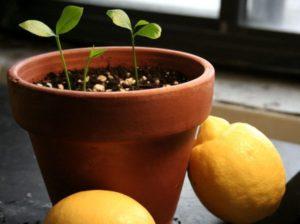
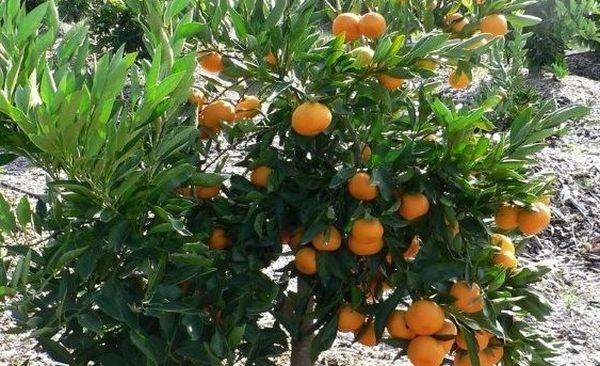 Important! Monitor the temperature on your balcony; low temperatures can cause the mandarin to freeze. This will result in poor growth and low yields.
Errors and how to fix them
Some novice gardeners make mistakes during the process, which lead to improper plant development and subsequent poor yields. These mistakes include:
- Pruning after a recent transplant. This sequence of actions is incorrect. In such cases, the tree becomes stressed and sheds its newly blossomed leaves. The best option is to prune the branches three weeks after transplanting the mandarin tree.
- Pinching branches in the wrong order. When pinching, keep in mind that mandarin trees begin bearing fruit on fourth-tier branches. Therefore, pinching should be done on first-, second-, and third-tier branches.
- Using dirty and dull tools during pruning. Dull and unsanitized scissors or pruning shears can lead to tree infections and pests. Therefore, before pruning, thoroughly wash the tools and disinfect them in hot water. After pruning, treat the branches with a potassium permanganate solution. This will help prevent the development of diseases.
- Neglecting post-pruning care is one of the most common mistakes, often resulting in the death of the plant. Indoor mandarins are considered quite demanding plants, so it's important to water and fertilize them promptly after pinching. This helps prevent dry leaves and stimulate new growth.

Pruning and pinching indoor mandarin trees are essential procedures for proper crown formation and productive plant growth.
To ensure the process goes smoothly, you need to follow all the gardeners' recommendations and remember to take care of the pruning afterward.
Related posts:
 Conditions for growing mandarin at home and rules for caring for the tree
 Description of care for the variegated variegated mandarin of the Unshiu variety at home
 How to plant walnuts, care for them, and grow them at home
 What are the benefits and harms of tangerine for the body, rules of consumption
 Why are my tangerine tree leaves turning yellow and what to do about them? Tree diseases and pests
 Descriptions of the 20 best cherry varieties for the Moscow region, their planting and care
 When and how to prune an apple tree, and is it possible to shape the crown in summer?
 Description and cultivation of the 15 best cherry plum varieties for the Moscow region, planting and care rules