
- Why is the tangerine sick?
- Mandarin diseases: symptoms and treatment
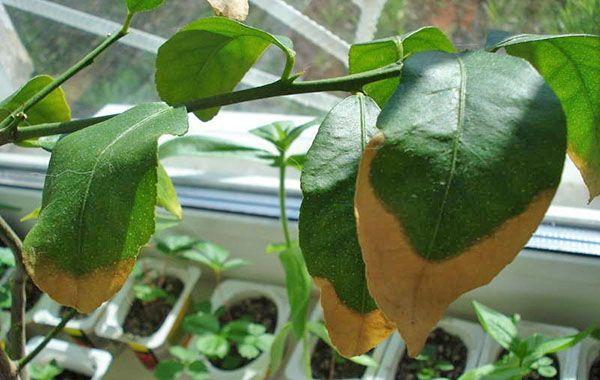
- Leaves become deformed and curled
- The leaves are falling
- No flowering
- Change in color of the leaf blade
- Fruits and ovaries fall off
- Drying of foliage
- A white coating appears
- The most common diseases: how to protect and cure tangerines
- Psorosis A or xylopsorosis
- Sheet mosaic
- Gummosis
- Tristeza
- Cancer
- Mandarin Tree Pests: Symptoms and Treatment
- Whitefly
- Spider mite
- Mealybug
- Aphid
- Scale insect
- Greenhouse thrips
- Garden slug
- Earthworms
- Citrus nematode
- Preventive measures
The indoor mandarin is a striking ornamental plant that is easy to maintain. It can be grown on a windowsill or a balcony, as long as the space receives good light. The plant's appearance and health directly depend on its care. Even minor mistakes in maintenance can lead to disease. To understand why your mandarin's leaves have turned yellow, you need to know what can trigger this reaction.
Why is the tangerine sick?
Various factors can cause indoor mandarin tree diseases. Most often, the tree's condition deteriorates due to improper care. The plant sheds leaves due to insufficient or excessive moisture, insufficient light, improper placement, or micronutrient deficiencies. Temperature fluctuations, high humidity, and drafts also have a detrimental effect on the tree. Pest infestations cannot be ruled out.
Mandarin diseases: symptoms and treatment
You can determine what disease has affected a tree by its external manifestations. Most diseases have similar symptoms, so identifying the underlying pathology can be challenging.
Leaves become deformed and curled
The most common cause of leaf curl is an aphid attack. If no insects are visible on the trunk or foliage, a lack of moisture may be the cause.
The leaves are falling
If a tangerine tree sheds its leaves in late autumn, there is no reason to worry, as this is how the plant prepares for winter.
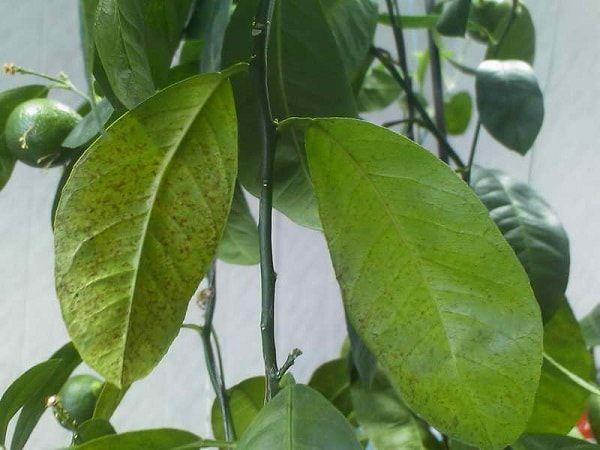
If the fall occurred in spring or summer, the reaction is caused by the following reasons:
- dry air;
- the pot is not the right size;
- depleted soil;
- lack of lighting;
- transfusion.
Take a look Also

If you eliminate these reasons, the tree will come back to life in a couple of weeks.
No flowering
Most often, the absence of buds is caused by a lack of natural light. If a mandarin tree doesn't bloom in the spring, it needs high-quality artificial lighting. This is sufficient for fruit buds to form.
Change in color of the leaf blade
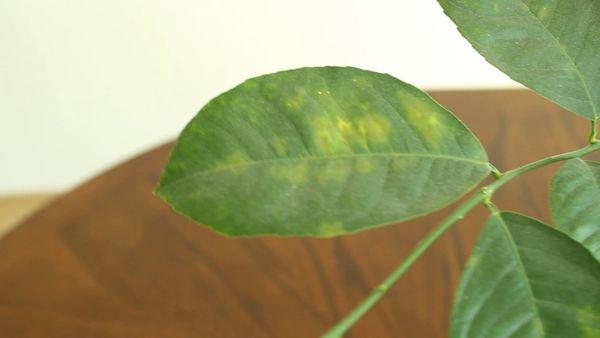
If yellow spots appear on the lower leaves of a plant, this indicates a nitrogen deficiency in the soil. Yellowing of the upper part of the crown indicates that the tree needs urea. This reaction can be a symptom of chlorosis, a deficiency of iron.
Fruits and ovaries fall off
The most common reason for mandarin tree fruit drop is a viral disease. If underdeveloped fruit is falling, it indicates poor growing conditions: dry air, insufficient light, or improper watering.
Drying of foliage
Leaves often dry out due to overwatering or lack of moisture. If a brown edge appears around the edges, the soil is too waterlogged. To save the plant, it needs to be repotted, otherwise the root system will rot.
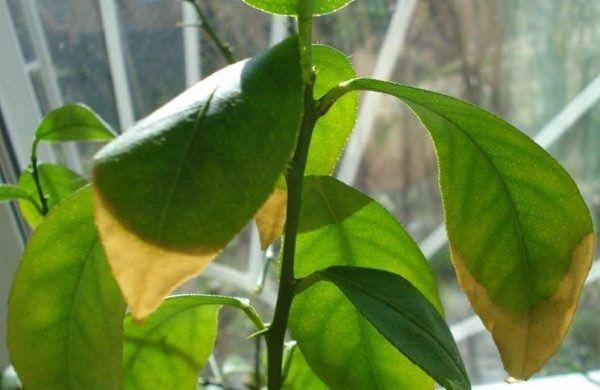
If the plant is drying out, the soil, on the contrary, needs to be moistened. To stimulate growth, it is recommended to spray the crown with Epin.
A white coating appears
A similar symptom occurs with mealybug infestation. Along with the leaves turning white, a sticky coating appears, and the foliage begins to fall off.
The most common diseases: how to protect and cure tangerines
Like other plants, mandarins are susceptible to viral and bacterial diseases. These can be triggered by improper care, proximity to infected plants, or pest attacks.
Psorosis A or xylopsorosis
It is caused by a virus. Its main characteristic is damage to the bark. When infected, the plant trunk becomes covered in dark red spots, the bark dies, and gum oozes from the cracks. There is no treatment, so the affected plant is discarded.
Sheet mosaic
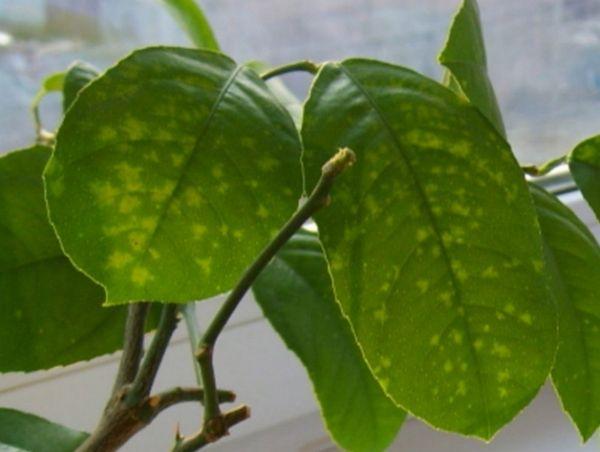
Thin, uneven stripes resembling streaks appear on the foliage. Soon after the first symptoms appear, the foliage becomes deformed and falls off. Leaf mosaic disease is incurable.
Take a look Also
Gummosis
This disease is often called gummosis. Its symptoms are similar to psoriasis A. The triggers include improper planting, lack of drainage, and root injury. To save the plant, treat the affected areas with a 3% copper sulfate solution and seal them with garden pitch.
Tristeza
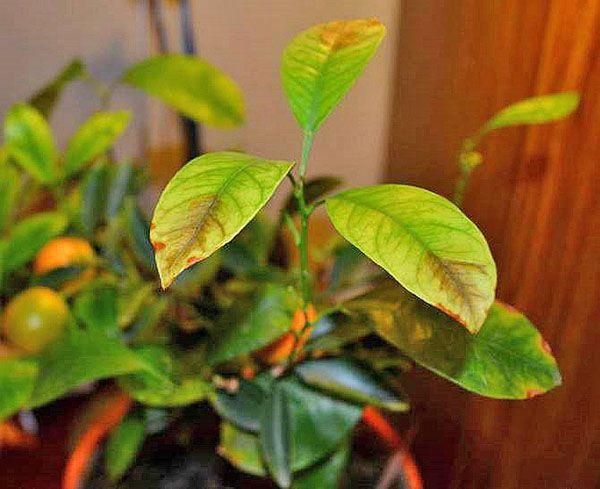
The first sign of the disease is a change in the foliage's color (it turns brown), and as the disease progresses, the bark on the trunk begins to die. The disease also affects branches and fruit, which begin to fall off. Tristeza, like most viral diseases, is incurable.
Cancer
The disease is bacterial in origin and is incurable. The main symptom of citrus canker is the formation of dark red spots on the fruit skin and foliage.
Mandarin Tree Pests: Symptoms and Treatment
Even when kept indoors, mandarin trees can be attacked by various pests. If the tree is infested, its appearance quickly deteriorates. This primarily affects the leaves, which begin to turn yellow and become deformed.
Whitefly
Green larvae appear on the foliage, nesting on the undersides of the leaves. The moth is small, with a light pink body and wings. To kill the insect, treat with bioinsecticides such as Bicol or Actofit.
Spider mite
This insect attacks when the tree is not properly watered. To save the tree, collect the insects by hand and treat the leaves with a cotton swab dipped in cold water. For greater results, the crown can be sprayed with garlic infusion.
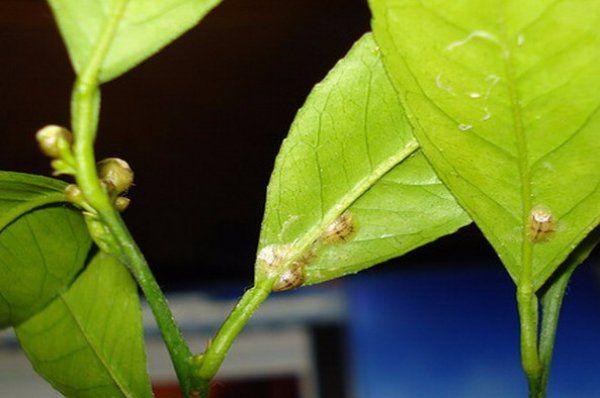
Mealybug
The larvae pose a danger to the plant, as they suck sap from the leaves and shoots. The pest can be identified by its sticky white secretions. A solution of Malathion (Karbofos) is used to control it.
Aphid
Insects infest the undersides of leaves, causing the crown to dry out and curl. To treat the plant, treat the foliage with an infusion of ash or tobacco.
Scale insect
The insect larvae suck out the sap and form a film on the surface of the leaves, causing the plant to dry out. Actellic is used to control the parasite.
Greenhouse thrips
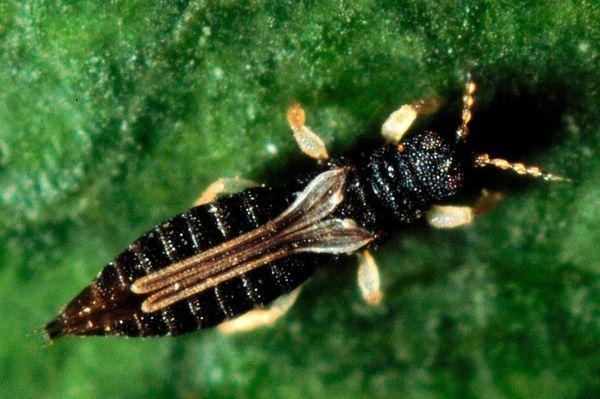
These flying pests thrive in high humidity and heat. They feed on plant sap and pollen. To kill them, spray the mandarin tree with an insecticide. This treatment is repeated three times.
Garden slug
The insect chews on leaves and fruits. To control it, use products such as Meta and Ferramol.
Earthworms
To kill pests living in a pot, water the soil with a mustard solution (the ingredients are mixed in equal proportions). Water twice.
Citrus nematode
These worms attack the root system of the plant, which can cause death. They also weaken the immune system and can trigger the development of fungal diseases. These are treated in the same way as earthworms.

Preventive measures
Most viral diseases affecting citrus fruits are incurable. To prevent them, follow these guidelines:
- water the plant correctly;
- periodically add fertilizer to the soil;
- Regularly remove affected leaves from the plant.
The plant can also be periodically treated with biofungicides.
Related posts:
 Conditions for growing mandarin at home and rules for caring for the tree
 Description of care for the variegated variegated mandarin of the Unshiu variety at home
 How to properly pinch a tangerine tree at home
 What are the benefits and harms of tangerine for the body, rules of consumption
 Rules for growing and caring for citrus fruits at home from seeds, fertilizers
 Is it possible to grow an apricot tree from a seed in your garden? How to plant and care for it?
 What to do if your lemon tree is losing leaves, what causes it, and how to revive it
 Why are cucumber leaves turning yellow on the windowsill? What to do and how to treat them?