
- Description of the variety
- History of selection
- Taste and marketability
- Characteristics of the bush and bunches
- Productivity
- Ripening and fruiting period
- Varieties
- Nutmeg
- Black
- White
- Red
- Ideal
- Baklanovsky (oval)
- Resistance to diseases and pests
- Advantages and disadvantages
- Planting dates
- Autumn
- Spring
- Preparatory activities
- Selecting a seedling
- Preparing the planting hole
- Soil requirements
- Dimensions
- Drainage
- Support structures
- Planting instructions
- Agricultural technology of cultivation
- Watering
- Top dressing
- Loosening
- Mulching
- Shaping and pruning
- Reproduction
- Treatment against diseases and pests
- Wintering
- Beginner's mistakes
- Care tips
Grapes are considered a southern plant, cultivated exclusively in southern latitudes. Thanks to years of breeding, this fruit crop has developed new, frost-resistant characteristics, allowing this beloved berry to be grown in a variety of climates. The Vostorg grape variety has gained popularity among gardeners and farmers for its high yield, early ripening, and excellent taste.
Description of the variety
The Vostorg grape variety's low maintenance allows it to be grown in a wide range of climates. Grapes contain numerous vitamins and beneficial substances that help treat heart and gastrointestinal diseases, alleviate depression, boost immunity, and relieve fatigue.
The seeds and juice of the fruit are used in the production of cosmetics and perfumes.
History of selection
The Vostorg grape variety was developed by Russian scientists and breeders. Both wild and cultivated grapes were used to develop the new variety.
From the wild Amur grapesDelight inherited the increased frost resistance and natural immunity to diseases and pests from the Taifi Pink variety, as well as large-fruited, strong-skinned berries.
Scientists worked on developing the Vostorg grape variety for several years. Successful experiments resulted in the emergence of new varieties, from which the best were selected for further selection.
In the early 90s of the last century, the new variety was included in the state register of fruit crops.
But the work didn't end there. Using the Vostorg grape variety as a basis, breeders developed several varieties of this hybrid fruit crop.
Taste and marketability
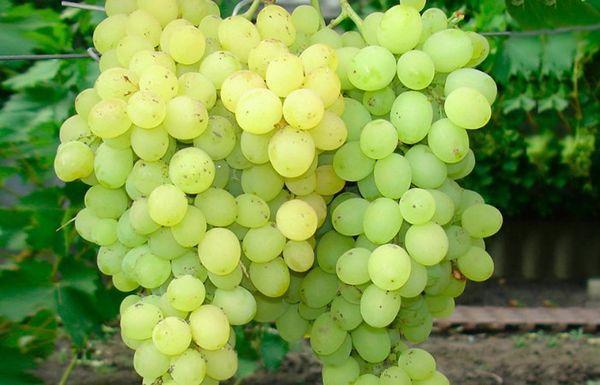
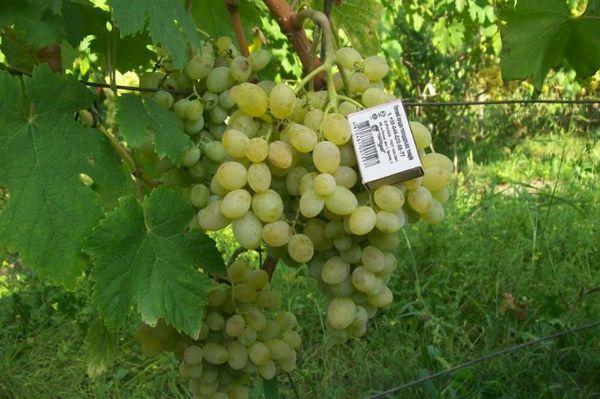
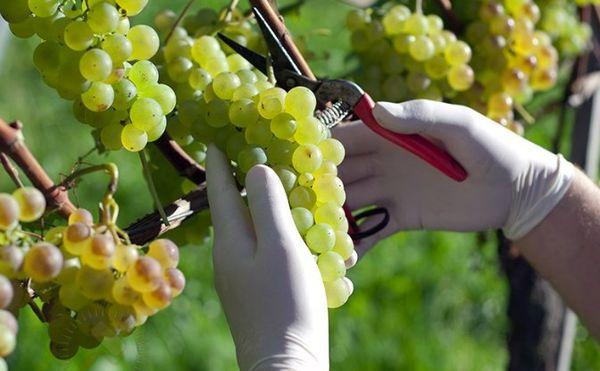
The berries of the Delight grape are oval-shaped, weighing from 5 to 12 g, with crispy skin and soft, juicy pulp with a sweet taste.
The color of the fruit depends on the variety; in the classic version, ripe berries have a yellowish-white hue.
The bunches are dense, large and powerful, weighing from 800 g to 2.5 kg, which makes the fruit crop commercially attractive.
Important! Ripe berries have a long shelf life and can easily be transported over long distances.
Characteristics of the bush and bunches
During the growing season, the bush reaches a height of 2.5 meters. In spring, large clusters of inflorescences appear on strong, thick shoots, forming fruit ovaries. The leaves are large, light green, with finely serrated edges.
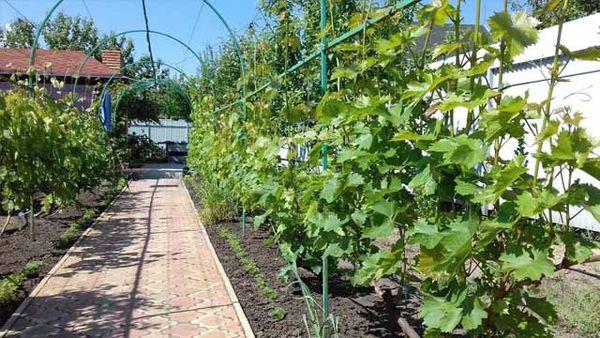
The rhizomes of the bushes are powerful, deepened into the soil up to 2-2.5 m.
Large clusters are generally conical, but irregular shapes are also common. The fruits are evenly spaced, not interfering with the development of neighboring berries.
Note: The size and weight of ripe Vostorg grape clusters depend on the variety and climate conditions of the growing region.
Productivity
With proper care and favorable climatic conditions, the Vostorg grape variety is characterized by high yields.
A single grape bush yields up to 8 kg of ripe berries. On an industrial scale, up to 15 tons of healthy, delicious fruit can be harvested per hectare of land.
Ripening and fruiting period
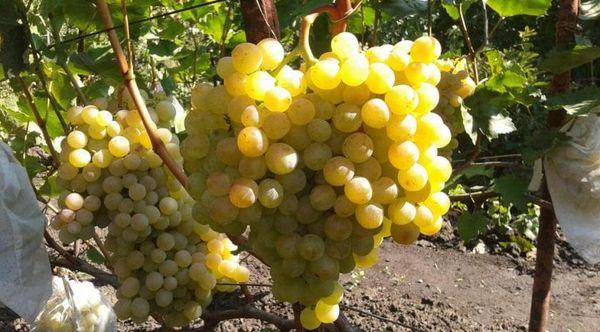
Depending on the variety, Vostorg grapes ripen between 100 and 115 days after the first ovaries form, making it possible to grow the fruit bush in temperate climates.
The berry crop begins to bear fruit 2-3 years after planting in open ground.
Varieties
Scientists' extensive work on the Vostorg grape has resulted in the development of varieties with distinct ripening times, fruit flavors, and berry size and color.
Nutmeg
A cultivar with a ripening period of up to 110 days. The bush is resistant to temperature fluctuations and easily tolerates prolonged frosts down to -30 degrees Celsius. The clusters are conical, weighing 500 to 800 grams. The berries are medium-sized, weighing 4-4.5 grams, with juicy flesh, a sweet flavor, and a muscat aftertaste.
Ripe berries are picked immediately; Muscat Delight grapes have a long shelf life.
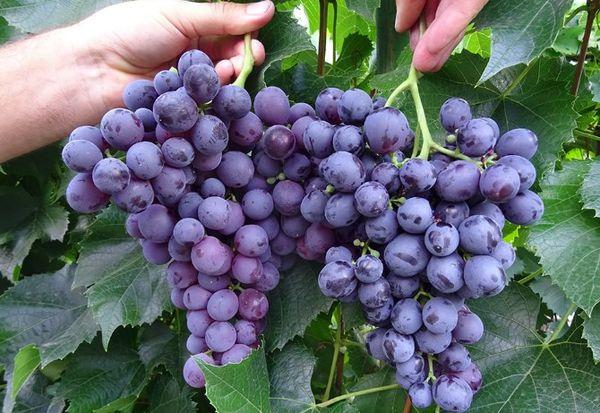
Black
A variety of the Vostorg variety with large, blue-black berries weighing up to 10 g, with juicy pulp and a pleasant, sweet and sour taste.
The bush requires regular watering and pruning; otherwise, it becomes overloaded and the berries become smaller. The clusters are robust, reaching 900 g to 2 kg in weight at maturity.
In industrial quantities, up to 20 tons of grapes are obtained from 1 hectare.
The fruit bush tolerates the winters of the middle zone well, but is often affected by gray mold.
White
A high-yielding variety of the Vostorg grape. Ripening takes up to 115 days, with the main harvest in September. One hectare yields up to 12-15 tons of ripe berries.
White Delight has a natural immunity to fungal infections and pests, and tolerates frosts down to -25 degrees.
Red
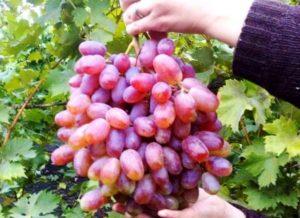
This variety ripens 120 days after fruit set. The berries develop and ripen in cone-shaped clusters, weighing between 800 g and 1.5 kg.
The fruits are elongated, oval, weighing up to 8 g, with pink skin and sweet, juicy pulp.
The varietal variety is resistant to frost and fungal infections.
Important! To bear fruit, the Red Delight grape requires pollinators—neighbors with similar flowering times.
Ideal
A productive fruit variety with large, juicy, and sweet-tasting green-yellow berries. The shrub tolerates winter frosts well and is resistant to most diseases and pests.
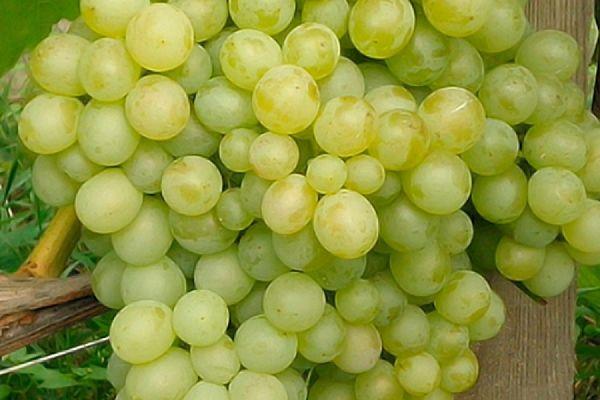
Ripening occurs 110 days after the end of flowering. A single bush yields 6 to 8 kg of ripe berries.
Baklanovsky (oval)
The varietal variety is capable of self-pollination; berries ripen 115 days after the formation of the ovaries.
The clusters are large, cone-shaped, weighing from 600 g to 1 kg, with whitish berries with juicy pulp and a sweet taste.
The fruit bush is frost-resistant and does not require additional insulation for the winter.
Resistance to diseases and pests
The Vostorg grape variety was bred to be resistant to most fungal diseases. The plant has natural immunity to many diseases and pests.
Advantages and disadvantages
To grow a berry bush with high yields, it is necessary to understand all the advantages and disadvantages inherent in this particular grape variety.
Advantages:
- Early ripening of grape berries.
- High yield rates.
- The variety is resistant to frost and short-term droughts.
- Natural immunity to some fungal diseases and pests.
- Excellent taste.
- Easy to care for.
- After harvesting, the berries retain their marketable appearance for a long time, which allows them to be transported over long distances.
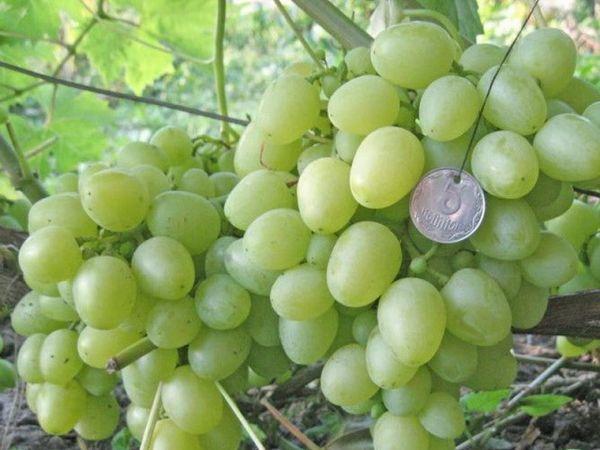 Important! Once ripe, the fruits do not fall off the bush and do not dry out for a long time.
Among the disadvantages, mandatory preventative treatments of bushes in the spring are noted.
Planting dates
Planting berry bushes in open ground is carried out based on the climatic characteristics of the growing region.
Autumn
In southern regions, grapes are planted outdoors in the fall, 4-6 weeks before the first possible frost. Once the cold weather sets in, the young vines are covered with special materials.
Spring
Spring planting of seedlings is recommended for temperate climates. Grapes will have time to root and strengthen over the summer. However, after spring planting, the fruit crop requires additional care.
Preparatory activities
Preparation for planting begins with choosing the right location for growing the Vostorg grape variety.
Fruit bushes thrive in sunny areas facing south, well protected from northern winds and drafts.
Selecting a seedling
It is best to purchase varietal grape seedlings from specialized nurseries or garden centers.
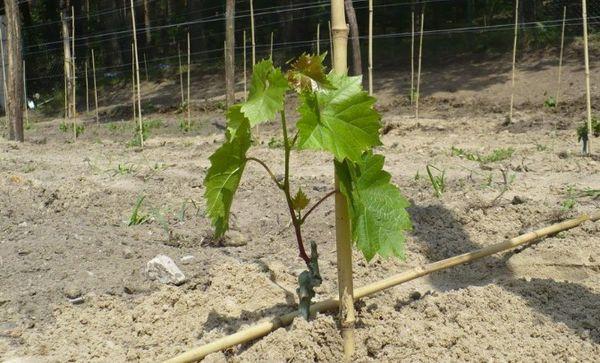
The plant is carefully inspected for damage and disease, and for the presence of fruiting buds or leaves. The roots are moist, well-developed, and free of rot, compaction, or broken parts.
The cut on the seedling is bright green.
Preparing the planting hole
Work on preparing the soil and planting hole is carried out 4-6 weeks before planting the seedlings in open ground.
Soil requirements
The Delight grape prefers loose, moderately moist, fertile soils with neutral acidity.
- If the soil on the site is predominantly clayey, a mixture of river sand and humus is added to it.
- Sandy soil is mixed with peat and compost.
- In areas with high groundwater levels, it is recommended to create additional embankments.
Also, grapes do not take root well in lowlands and swampy soil.
Dimensions
Before digging planting holes, organic and mineral fertilizers are added to the soil.
- Planting holes are dug at least 3.5-4 m apart from each other to ensure that the grapevine has enough space to grow and develop.
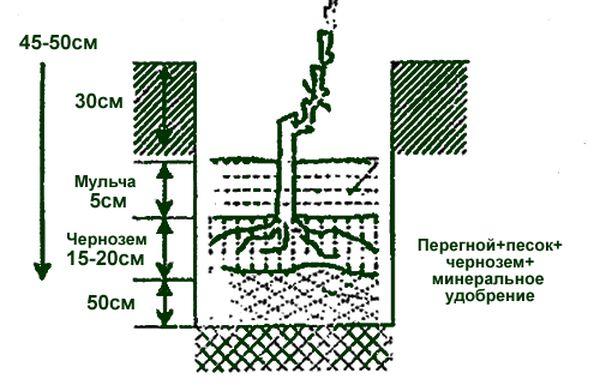
- The depth of the hole is 90 cm, the width is 70 cm.
- The distance between rows is left from 4 to 6 m.
Important! The distance between plantings can be increased or decreased depending on the grape variety.
Drainage
To protect the grape bush from excess moisture, a drainage layer consisting of sand and small stones, crushed stone or expanded clay is placed at the bottom of the planting hole.
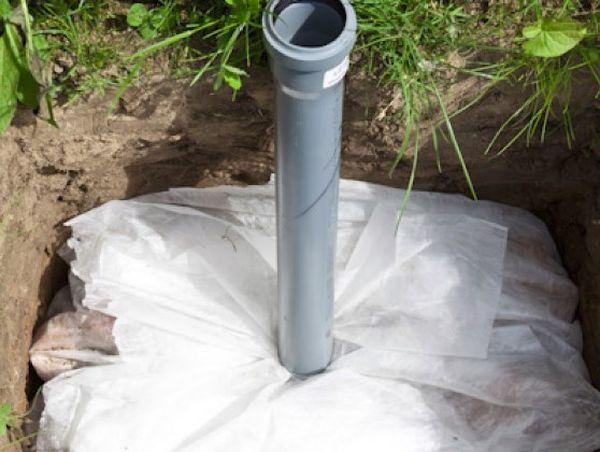
Otherwise, water will accumulate in the soil, which will lead to rotting of the plant roots and the spread of fungi, viruses and pests.
Support structures
When planting grape seedlings, support pegs are used to protect the flexible vines from damage and breakage.
Mature grape vines are secured to special support structures, nets and trellises.
Planting instructions
Before planting, seedlings are placed in warm water for 5-8 hours and treated with antibacterial preparations.
- A mound of fertile soil mixture is poured into the prepared planting hole.
- The plant is placed in the center of the hole.
- The roots are spread evenly throughout the hole and covered with soil, leaving no free space between the roots and the soil.
- The soil under the seedling is compacted, the plant is secured to a support and thoroughly watered.
- The tree trunk circle is mulched with a thick layer of compost or humus.
Important! Young shoots should be at least 3-5 cm above ground level.
Take a look Also
Agricultural technology of cultivation
The Vostorg grape variety is easy to care for. However, to obtain a large, high-quality harvest, timely watering, fertilizing, and pruning are required.
Watering
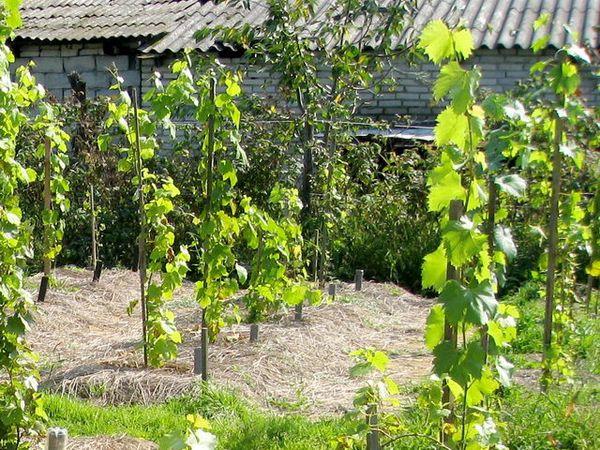
Grapes are watered 3-5 times throughout the season. Moisture is especially important during flowering and berry ripening.
20-25 liters of water are poured under each plant.
Top dressing
Grapes don't require additional fertilizers or supplements. Fruit plants only need to receive organic or mineral nutrients once every 30-40 days.
Loosening
Weeding and loosening of the tree trunk circle is carried out after watering or as needed.
Loosening the soil helps oxygen, moisture and nutrients reach the plant's root system.
Removing weeds prevents the spread of diseases and pests.
Mulching
To avoid additional watering, soil loosening, and weed control, the tree trunk area is mulched with organic materials. Suitable mulches include dry grass, sawdust, peat, compost, or dried leaves.
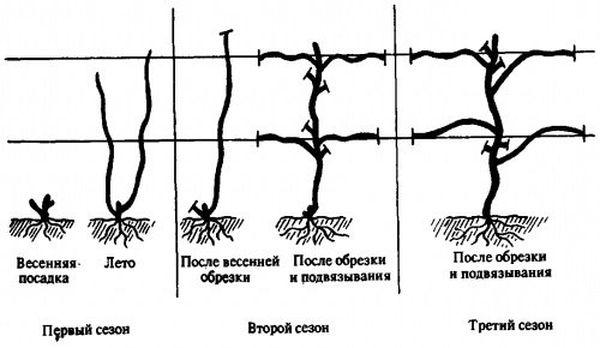
Shaping and pruning
By pruning grapes, the quality and quantity of the berry harvest is increased.
The grape bush is formed depending on the varietal variety.
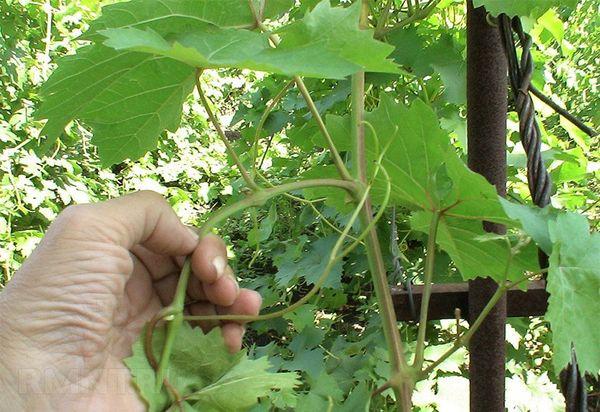
Black, muscat and white Delight grapes are pruned to 45 shoots on one bush; for the red variety, no more than 25 shoots are left.
In spring and autumn, fruit crops undergo sanitary pruning, removing all dried or frozen shoots and twigs.
Reproduction
To increase the number of grapes in a garden plot, they resort to vegetative methods of propagation of the fruit crop.
Varietal and hybrid grapes Vostorg are propagated by grafting, cuttings or layering.
All varieties of the cultivar have cuttings that quickly take root and survive.
Treatment against diseases and pests
Preventative treatment of grapes against diseases and pests is carried out twice a year: in early spring, before the growing season, and in late fall, before winter dormancy. Chemical and biological sprays are used.
Wintering
Mature plants easily survive cold winters. Young fruit bushes are recommended to be additionally covered with special materials.
With the onset of autumn, the grapes are watered generously, the trunk circle is loosened and mulched with a thick layer of humus.
If a cold, low-snow winter is expected, the grapevine is pulled to the surface of the soil, secured and covered with spruce branches.
Beginner's mistakes
The Vostorg grape variety is easy to care for and does not require any special knowledge during cultivation.
The most basic mistake made by gardeners and vegetable growers is the violation of agricultural technology and pruning rules.
It is for this reason that in most cases the yield of fruit crops falls.
Care tips
Vostorg grape varieties differ slightly in their characteristics. Therefore, before planting seedlings in open ground, it's important to carefully read the description of the grape variety you're planting.
Even novice gardeners and farmers can grow simple and unpretentious grapes.
Related posts:
 The ripening time of grape vines by variety, how to speed up the process, and what to treat the plant with
 Description of 30 grape varieties for Siberia, planting and care for beginners
 How to grow grapes in the Moscow region in open ground without a greenhouse
 Description of 30 varieties and types of Muscat grapes, planting, cultivation and care
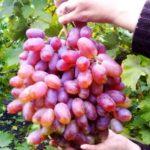 Description of the Julian grape variety, planting and care instructions
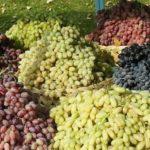 Beginner's Guide to Growing Grapes in Open Ground in Central Russia
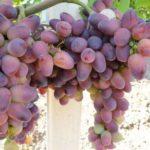 Description of the Krasotka grape variety, planting and care technology
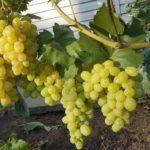 Description and characteristics of the Laura grape variety, planting and care