
- History of grape selection by Anthony the Great
- Regions for cultivation
- Main advantages and disadvantages
- Description and characteristics of the variety
- Appearance and size of the bush
- Crop yield and description of berries
- Flowering and pollination
- Ripening period
- Tasting qualities
- High vitamin content
- Scope of application of fruits
- Resistance to low temperatures and drought
- Is the variety susceptible to pests and diseases?
- Planting technology
- Selection of seedlings
- Preparing the site and planting hole
- Timing and rules for planting operations
- Caring for grapes Anthony the Great
- Irrigation and fertilization
- Pruning and shaping fruit-bearing vines
- Loosening and mulching the soil
- Preventive treatments against insects and diseases
- Preparing the vines for the cold period
- Reproduction of the variety
- Reviews from winegrowers
Most summer residents and gardeners grow or are considering growing this crop in their gardens. However, novice winegrowers are often disappointed by poor taste, small berries, low yields, and exposure to diseases and pests. Therefore, the Anthony the Great grape variety is a real find for those without sufficient knowledge.
History of grape selection by Anthony the Great
This grape was developed by the renowned breeder V. N. Kraynov, who created over 45 amateur varieties, many of which are recognized as true masterpieces. The creation was a crossbreeding of two well-known, proven varieties: the seedless Kishmish Luchisty and the large-fruited Talisman, also known as Kesha.
Regions for cultivation
The Anthony the Great grape variety is suitable for cultivation both in the southern regions and in the climate of the Central Belt.
Main advantages and disadvantages
Like other grape varieties, Anthony the Great has its pros and cons. But the positives far outweigh the negatives, partly due to the qualities inherited from its parent varieties.
Pros:
- large, marketable bunches of grapes;
- a small number of seeds in the berry (2-3 pieces);
- high taste and aroma characteristics of grapes;
- versatility of fruit use;
- dense, strong, but thin and does not spoil the taste of the skin;
- good grape quality in terms of shelf life, transportability and yield;
Disadvantages:
- frost resistance not higher than -23 C degrees;
- Based on the expert assessment of all the characteristics of the variety, it received 4.8 points out of a possible 10.0.
Description and characteristics of the variety
To understand the Anthony the Great variety, you need to take a closer look at its characteristics, such as yield, ripening time, berry flavor, and frost and disease resistance.
Appearance and size of the bush
The bush has an open habit, is vigorous, and bears medium foliage. It forms long, elastic, medium-thick vines. The vine matures to two-thirds of its length during the season.
Crop yield and description of berries
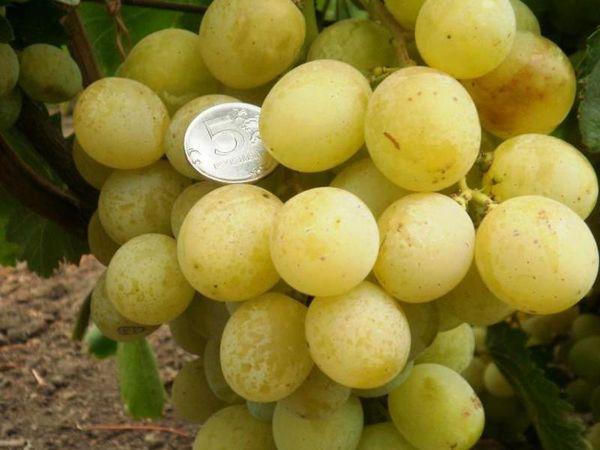
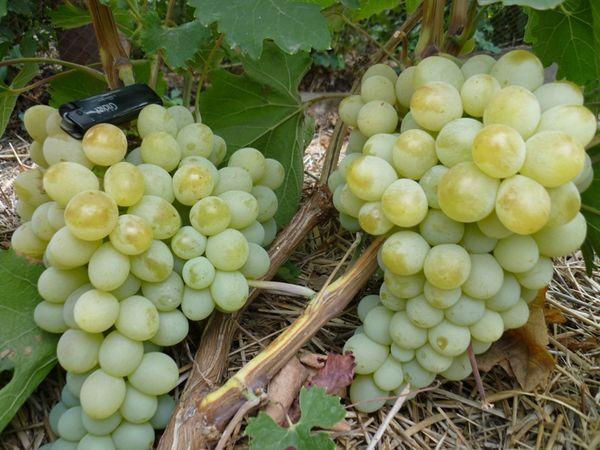
Commercial production yields reach 120 tons per hectare. Under favorable weather conditions, a single bush yields an average of 6-8 kilograms. The berries are round, slightly elongated, weighing from 10 to 33-35 grams.
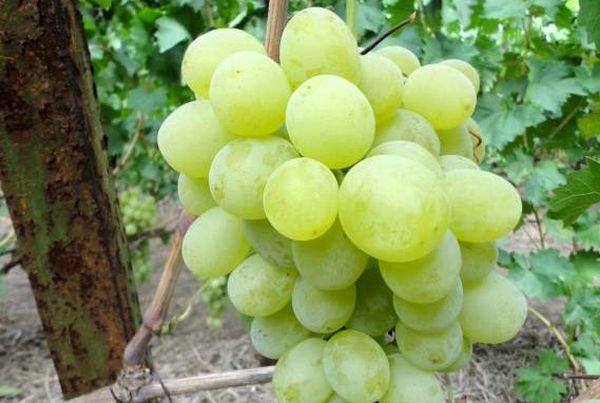
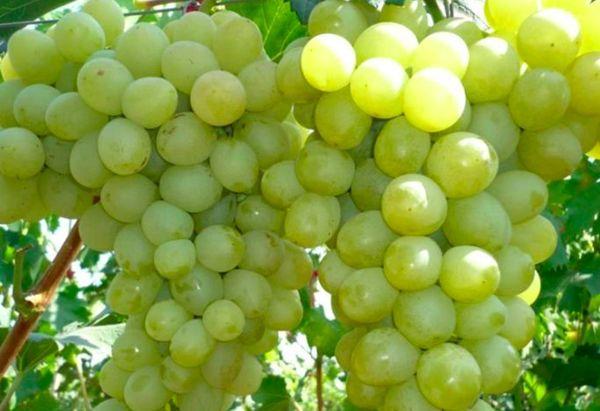
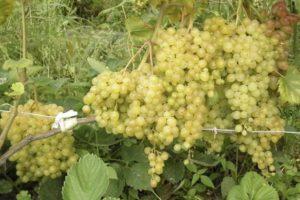
Average seasonal yields are 13-18 grams. These grapes are classified as white varieties; ripened fruit acquire a beautiful golden-amber hue. The variety produces dense, elongated conical clusters weighing from 1.0 to 2.5 kilograms.
Flowering and pollination
This grape variety features bisexual flowers, so it has a high self-pollination rate. However, the presence of pollinating insects during flowering only improves the yield and quality of the berries.
Ripening period
The variety has a medium ripening period, with berries ready for consumption in 130-140 days. For example, in the central climate, fruiting begins in mid-July, while in southern regions, it begins in late July or early August.
Tasting qualities
The fruits have a balanced, harmonious flavor, sometimes with a pleasant, light muscat aroma. The berries are characterized by a high sugar content and low acidity.
High vitamin content
The fruits of this variety are characterized by an increased content of vitamins (groups A, B, C and E), as well as micro- and macroelements (more phosphorus and potassium) and beneficial acids.
Scope of application of fruits
This table variety produces berries with versatile uses. They are used to make compotes, jams, and high-quality dessert wines. The berries are also eaten fresh and sold at wholesale and retail markets.
Resistance to low temperatures and drought
The variety is characterized by normal frost resistance—down to -23°C (-23°F), but in regions with harsh winters, the grapes are covered for the winter. The variety is moderately drought-resistant.
Is the variety susceptible to pests and diseases?
The variety has good resistance to major grape pests and diseases. However, to ensure high yields, preventative treatments are essential.
Planting technology
For the success of the entire future plantation, it is first necessary to select healthy, strong seedlings and plant them correctly.
Selection of seedlings
Future yield, viability, and growth energy directly depend on the condition of the planting material. When choosing, consider the root system. The roots at the base of the cutting should be developed, branched, have multiple tips, and be white or light brown. When cut, they should be the same color, not black, and should not have a musty or putrid odor.
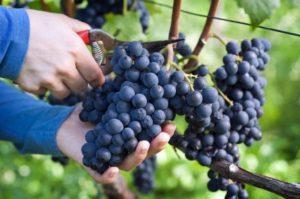
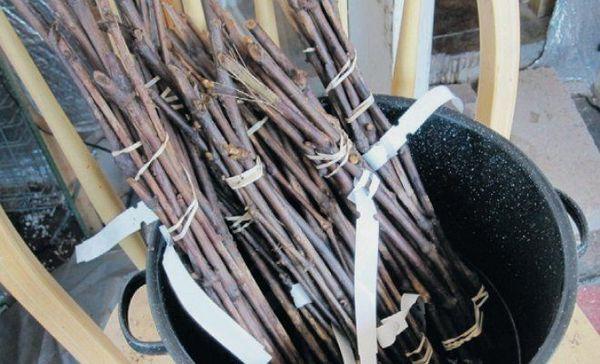
When purchasing seedlings with a closed root system, they should be well intertwined with the root ball, and the cuttings should have at least 2 nodes.
Preparing the site and planting hole
Before planting grapes, the area is weeded and dug or plowed to the depth of a spade. The optimal size of the planting hole is 70 x 70 x 70 centimeters.
In the fall for spring planting, and in the spring for autumn planting, the hole is filled with rotted manure or chicken manure (it is important to remember that it is used 4-5 times less), non-acidic peat and mature compost.
Also add a few tablespoons of complex mineral fertilizer (such as Nitroammophoska, Azofoska).
Timing and rules for planting operations
When planting rooted cuttings in spring, the main rule is to ensure the buds are not yet fully opened! Seedlings in closed root systems (pots or containers) can be planted at any time of the season, but it is best to do so before the end of May, before the summer heat sets in.
In southern regions and where autumns are warm and long, planting is done during September and October. The recommended planting pattern for St. Anthony the Great is 1 meter between plants and a minimum of 2 meters between rows.
Caring for grapes Anthony the Great
To obtain stable, high yields, it is necessary to maintain a high agricultural background on the site and apply the necessary, correct agricultural technology.
Irrigation and fertilization
These factors play a crucial role in a fruitful vineyard. The frequency of irrigation depends on the soil type and weather conditions. In the spring, irrigation begins when the buds begin to swell. During the summer in the south, watering is done once a week; in other regions, less frequently, as the soil dries out.
It's important to water the bushes generously to ensure the soil receives sufficient moisture, to a depth of at least 0.5 m. And be especially careful with the frequency of watering immediately after the fruit ripens—excess moisture will cause the fruit to crack.
Depending on the grape's development stage, complex mineral fertilizers with varying NPK levels are used. At the beginning of the growing season, more nitrogen is applied, while during flowering, fruit set, and fruit ripening, more potassium, calcium, and phosphorus are added. Well-rotted manure is an excellent organic fertilizer; it is applied under the bush (up to 20 kilograms).
Pruning and shaping fruit-bearing vines
This plant has vigorous growth, so it's important to limit the vine's length. Proper pruning can increase yields by 60-80%. Sanitary pruning involves removing dried, weak, and diseased shoots, preventing the bush from becoming overgrown.
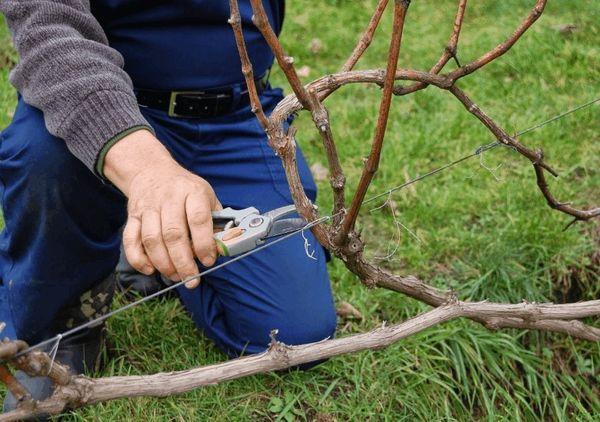
In spring, pruning should be done before the sap begins to flow to prevent the plant from "weeping." In regions with warm autumns, pruning is also done in the fall. For high yields, when pruning, leave a vine with a diameter of at least 5-6 millimeters, and leave 10-12 buds on the shoots.
Loosening and mulching the soil
To ensure good aeration and moisture permeability of the soil, loosen the soil regularly (3-4 times a month). This agricultural technique also helps control weeds. Mulching the soil with organic matter or non-woven material (agrofibre) eliminates the need for loosening.
Preventive treatments against insects and diseases
When growing grapes, great care must be taken to prevent and, if they do occur, to combat various pests and diseases. Three to four treatments per season with insecticides and fungicides are carried out, adding an adhesive to the tank mix.
Preparing the vines for the cold period
This is an important procedure for obtaining a rich harvest next year and for the overall development of the vine. Before dormancy, the vine must mature, and preparation includes:
- top dressing;
- pre-winter watering;
- pruning and processing of plant protection products;
- laying and covering the vines for the winter.
Reproduction of the variety
The variety can be propagated in several ways: by digging in cuttings from the mother bush, and also in the spring – using mature cuttings.
Reviews from winegrowers
Anatoly Ivanovsky, Simferopol.
"A hard-working variety, it occupies a place of honor in my vineyard. It impresses with its flavor, yield, and berry size."
Larisa Grechkova, Volgograd.
"A good variety, I've been growing it for five years. What's especially nice is that when it ripens, it doesn't attract the ubiquitous wasps!"
Related posts:
 How to grow grapes in the Moscow region in open ground without a greenhouse
 Description of the Julian grape variety, planting and care instructions
 Description of the Krasotka grape variety, planting and care technology
 The ripening time of grape vines by variety, how to speed up the process, and what to treat the plant with
 Beginner's Guide to Growing Grapes in Open Ground in Central Russia
 Description of 30 varieties and types of Muscat grapes, planting, cultivation and care
 Description of 30 grape varieties for Siberia, planting and care for beginners
 The best grape varieties for growing in the Urals, planting and care rules in summer