
- Description and Features
- Vine
- Inflorescences
- Berries
- Taste
- Growing regions
- History of selection
- Main characteristics
- Drought resistance
- Frost resistance
- Productivity and fruiting
- Areas of application of fruits
- Resistance to diseases and pests
- Varieties
- Black
- Pink
- White
- Nutmeg
- Pros and cons of the variety
- How to plant correctly
- Recommendations for choosing deadlines
- Choosing a location
- Soil requirements
- Site preparation
- How to select and prepare planting material
- Planting diagram
- Care instructions
- Watering mode
- Top dressing
- Protection from rodents
- Preparing for winter
- How to protect crops from birds
- Mulching
- Trimming
- Preventive spraying
- Weeding and loosening
- Methods of reproduction
- Diseases and pests
- Harvesting and storage
- Application in winemaking
- Tips from experienced gardeners
The Traminer wine grape variety has several varieties. Originally bred in Austria, it has become widespread not only in Russia but also in Western Europe. Its low maintenance and simple cultivation techniques have made it widely popular among gardeners. The harvested grape is primarily used to produce high-quality wine.
Description and Features
Thanks to its distinctive characteristics, Traminer grapes are easily recognized among similar varieties and cultivars. A detailed description also helps identify its main advantages and disadvantages.
Vine
The vine is spreading, with a whitish tint near the top. Foliage and growth vigor are average.
Inflorescences
On each shoot up to 2 inflorescences about 15 cm long are formed.
Berries
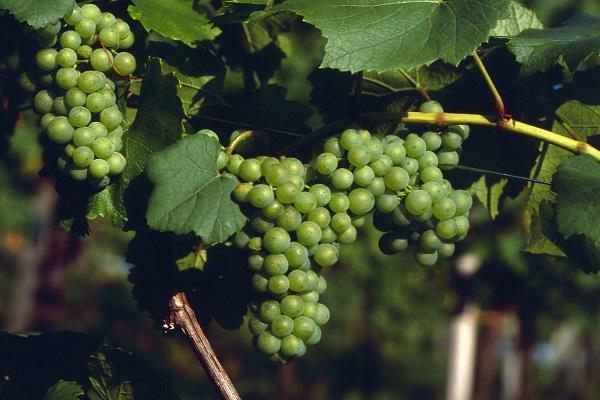
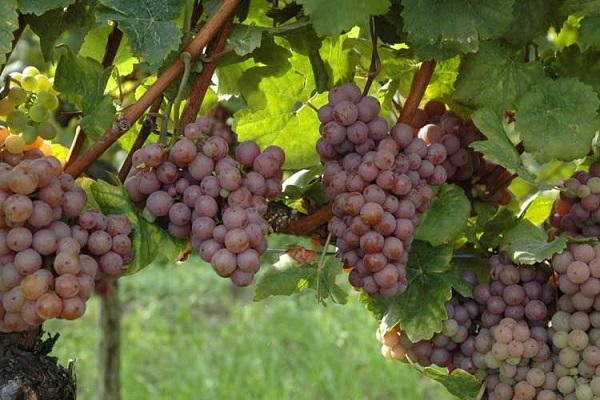
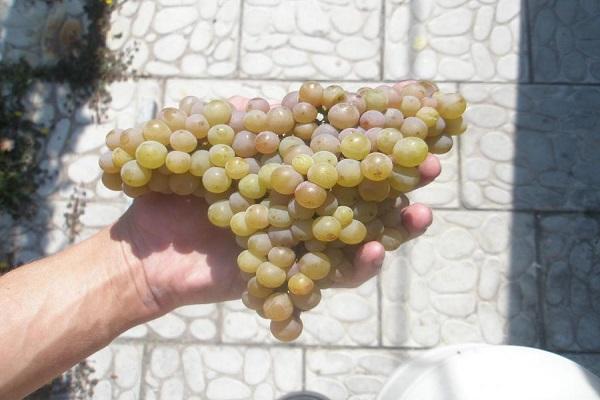
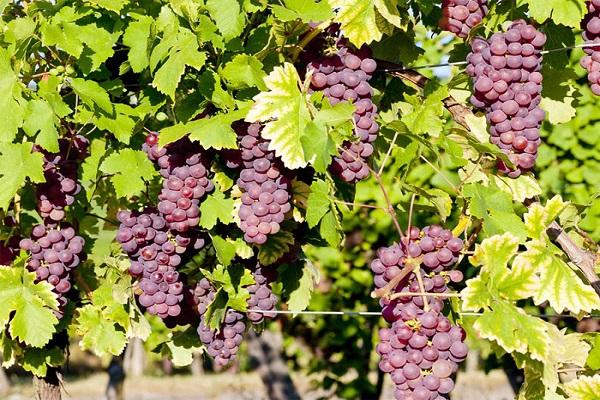
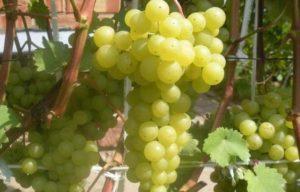
Traminer grapes produce small fruits, the color of which varies depending on the variety. The clusters are dense, weighing up to 100 g. The harvest ripens early. The berries remain on the vines for a long time, retaining their commercial and flavor characteristics.
Taste
Once ripe, Traminer fruits acquire a pleasant spicy taste.
Growing regions
A warm climate is preferable for growing this grape variety, which is why it is cultivated in the south of Europe, as well as in Kuban and Crimea.
History of selection
The main variety of Traminer is Gewürztraminer. It was cultivated on the Alpine slopes of what is now Austria as early as the Middle Ages. Over the years, the grape became popular in other countries, and it was only in 1973 that it received its current name. The plant owes its name to the Italian province of the same name, where it originally grew wild and was later domesticated by local gardeners.
Main characteristics
Key characteristics allow gardeners to determine whether a given plant is suitable for cultivation on their plot and what further care will be required to achieve the maximum quantity and quality of harvest from the vineyard.
Drought resistance
Traminer is a drought-resistant variety and does not require frequent watering.
Frost resistance
This grape variety is not particularly frost-resistant, so it requires mandatory covering and burying for the winter.
Productivity and fruiting
Grapes begin to bear fruit as early as the second year after planting the vines on the plot, but stable yields are only observed after 4 years.
Traminer has high yield rates.
Areas of application of fruits
The Traminer grape harvest is used to produce high-quality, premium wine. The berries can also be eaten fresh.
Resistance to diseases and pests
Traminer is characterized by increased resistance to common pathogens and pests. In unfavorable climates, it requires preventative treatments.
Varieties
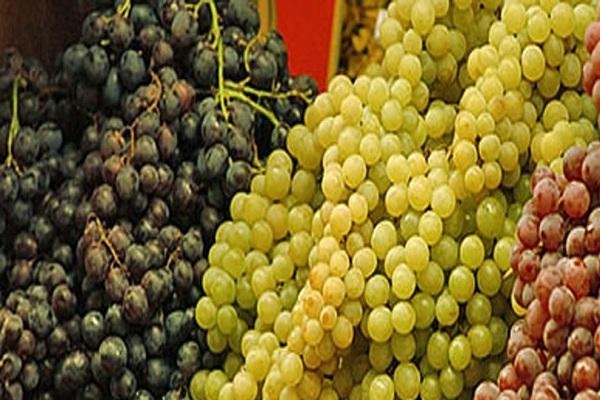
Today, several varieties of Traminer grapes are known, each with its own specific characteristics and distinctive features.
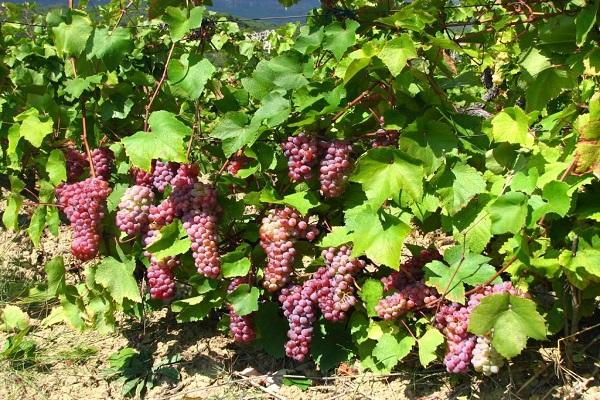
Black
Black Traminer was developed in Greece in 2007. The grape is distinguished by the bluish-black color of its ripe fruits and dense, medium-sized bunches.
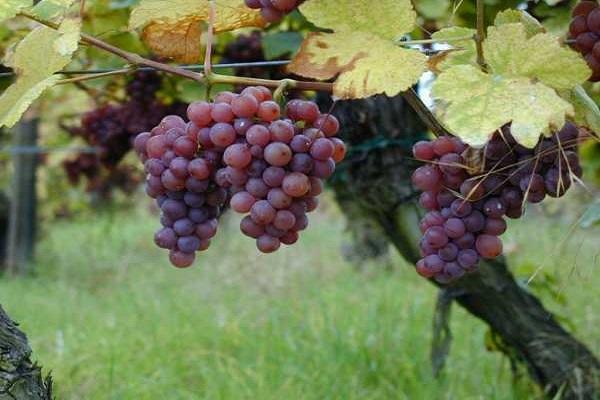
Pink
The variety is virtually immune to diseases and pests. The fruits turn pink when ripe, are round, and small in size. The berries are very juicy, making them popular in winemaking.
White
This variety is very similar in characteristics to Pink Traminer, but has lighter-colored berries. Even when fully ripe, it remains almost white. Its unique, spicy flavor makes it suitable for producing premium wine.
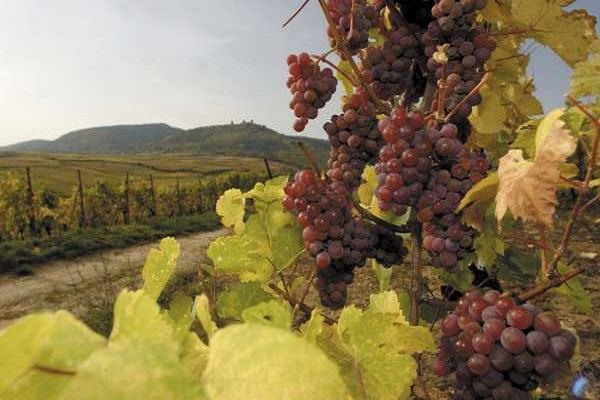
Nutmeg
This variety is less common than the previous ones. It is distinguished by its brick-red berries and distinctive aroma. It is important not to over-ripen the grapes on the vine or harvest them too early, as this significantly affects the quality of the resulting wine. Muscat grapes have moderate disease resistance and require preventative treatments.
Pros and cons of the variety
Traminer grapes have certain advantages over other wine varieties, which is why they are so popular:
- the bushes are able to tolerate slight waterlogging of the soil;
- excellent immunity to diseases;
- little susceptible to pests;
- undemanding in agricultural technology;
- ease of care;
- The harvest is a valuable raw material for the production of elite wine.
However, the Traminer variety also has certain disadvantages:
- after a harsh winter, the vine has a hard time recovering;
- during prolonged drought, the quality and quantity of the harvest decreases;
- requires mandatory covering and digging in for the winter.
How to plant correctly
When planting Traminer grapes, it's important to consider the specifics of its cultivation and know a few subtleties to ensure a high-quality harvest in the shortest possible time.
Recommendations for choosing deadlines
Experienced winegrowers recommend planting overwintered seedlings in mid-April, while young cuttings are planted closer to the beginning of June, when the soil has warmed up and the threat of night frosts has passed.
Choosing a location
For planting Traminer grapes, select flat terrain or hillsides facing south or southwest. The chosen site should be fully exposed to sunlight and moderately moist.
Soil requirements
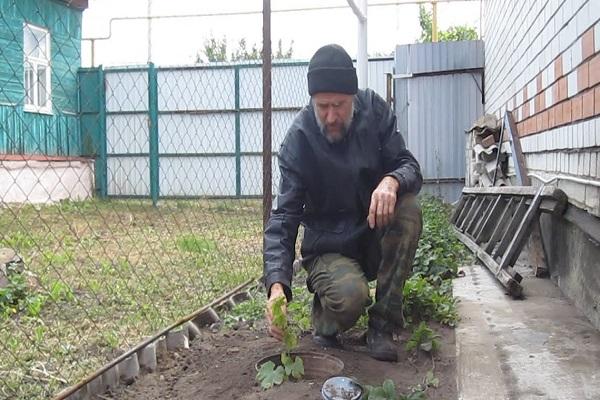
Traminer grows well in loamy soil with high fertility. Liming is essential in highly acidic soils.
Site preparation
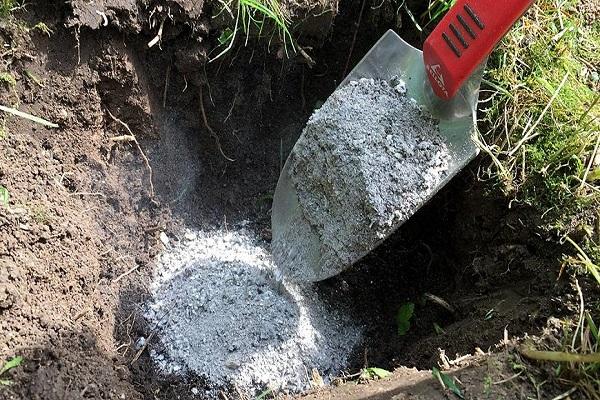
Before planting grape seedlings, dig a hole 0.8 m deep and 0.75 m wide. On loamy soil, add a small amount of sand and gravel to the bottom of the hole, or compost on sandy soil. Afterward, apply the necessary fertilizer in the amount specified in the instructions. It is recommended to carry out this preparatory work well in advance, preferably in the fall. If this is not possible, prepare the planting hole a couple of weeks before the expected planting.
How to select and prepare planting material
Planting material can be purchased ready-made at specialty stores or reputable retailers, or you can root cuttings yourself. Grape seedlings should have a well-developed root system, and the above-ground portions of the plants should not show signs of disease or mechanical damage.

Planting diagram
When planting Traminer seedlings, the distance between bushes should be at least 1.5 m, and between rows – at least 2.5 m.
Care instructions
For normal development and fruiting, grapes must not only be planted correctly in the area, but also provided with proper care.
Watering mode
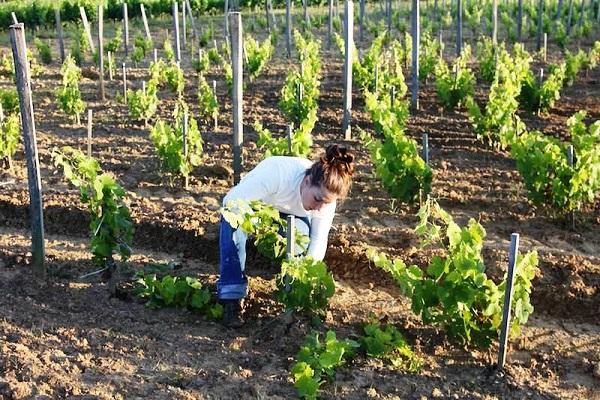
Traminer requires watering once a week. During periods of rainfall, the frequency of irrigation is reduced. During grape harvest ripening, the frequency is also reduced to prevent excess moisture.
Top dressing
Fertilizing vineyards begins in their third year. Until then, the plants should receive sufficient fertilizer and nutrients added to the planting hole. Fertilizing is done once a month, except during the ripening and harvesting period. The following fertilizers are used:
- wood ash;
- nitrogen;
- potassium;
- humus;
- compost;
- peat.
Protection from rodents
When preparing grapevines for winter, care should be taken to prevent rodent damage during the cold season. To do this, dig a small trench no more than 0.75 m wide around the vine. Fill it with pine needles or other vegetation with a strong odor that repels mice. As practice shows, covering the vines with spruce branches does not produce the desired results. It is also recommended to place mouse poison near the vines when storing them for the winter.

Preparing for winter
Traminer has average winter hardiness, so it requires shoring up and insulation. To do this, remove the vines from the trellises, tie them with twine, dig a trench about 0.5 meters deep, and bury the tied grapes in it. You can also cover the plants with any non-woven material to protect them from cold and wind. It's important that the material allows air to pass through freely and prevents the vines from rotting.
How to protect crops from birds
Birds may feast on the fruit while the harvest is ripening. To protect the vines and keep the fruit safe and sound, it's recommended to cover the vines with fine mesh netting. Even fine-mesh fishing nets are used for this purpose. Gardeners report that hanging computer disks or shiny foil on the vines doesn't produce the desired results.
Mulching
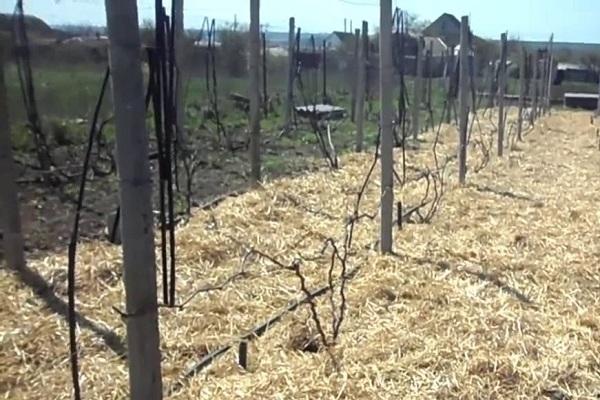
To prevent excessive moisture evaporation and inhibit active weed growth under Traminer grape vines, mulch the soil around the trunk. Wood shavings, straw, hay, and pine needles are used as mulch.
Trimming
Proper and timely pruning is the key to a stable harvest. Fifty percent of the buds located at the top of the shoot are left for fruit production. Traminer grape clusters that have formed on the lower branches should be removed. This creates a vine that will produce fruit in the coming season. This procedure is performed annually, removing all weak and non-viable shoots.
Without pruning, yields drop, and the berries become small. The first pruning is only done in the second year of the bush's life.
Preventive spraying
To prevent pest infestations in vineyards, fungicides and insecticides are used. In early spring, the soil around the bushes and unbudded vines is sprayed with a solution of ferrous sulfate.
Weeding and loosening
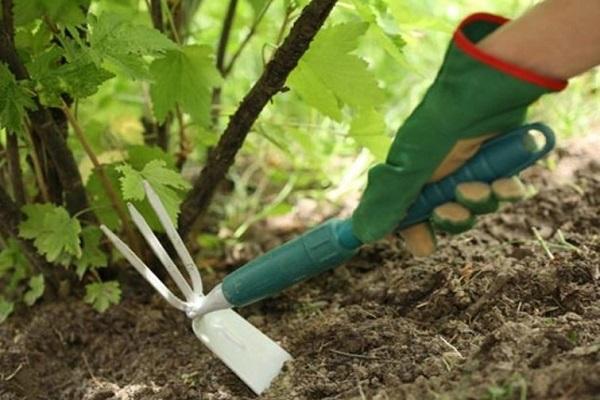
After each watering or heavy rainfall, the soil around the vineyard trunks should be loosened and weeded. If the soil is mulched, weeding and loosening are only done in the fall and spring. In the fall, the soil is dug to a depth of up to 1 meter to move the fertilizer- and nutrient-rich topsoil closer to the plant's root system.
Take a look Also
Methods of reproduction
Traminer grapes are propagated by cuttings or layering. To obtain a layering, the edge of a young vine is dug in mid-growing season. This creates a new vine. This method produces strong plants that are more resistant to cold. For cuttings, young vines are cut and stored in a basement until spring, after being treated with wax. Once the weather becomes consistently warm, they are planted in the ground for further rooting.
Diseases and pests
Traminer grapes are characterized by high resistance to diseases and pests. However, under unfavorable weather conditions, plants can be affected by powdery mildew. To prevent this, pre-treatment with Bordeaux mixture or another copper-containing fungicide should be carried out.
Harvesting and storage
Traminer grapes ripen at the very end of summer or even early fall. Harvesting unripe grapes is not recommended, as they haven't yet developed their sweetness and aroma. The fruit is unsuitable for long-term storage due to its high juice content, so it is immediately processed.
Application in winemaking
Traminer grapes are used to produce exquisite white wine. Growing grapes in your own garden gives gardeners the unique opportunity to create a delicious and aromatic wine that rivals store-bought wine in quality and characteristics.
Tips from experienced gardeners
Over the years of growing Traminer grapes, gardeners have accumulated invaluable experience in planting, caring for, and harvesting the grapes. When the fruit ripens, it is not recommended to immediately harvest them en masse. Instead, taste the berries over several days and evaluate their aroma. Once they appear most balanced and pleasant, the bunches can be cut and processed.
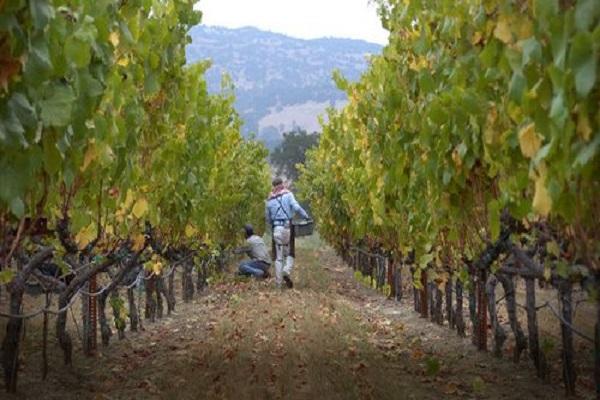
The harvest should be done in dry, sunny weather during the day, after the dew has subsided. This is when the grapes accumulate the greatest amount of yeast, which plays a role in fermentation during wine production. After harvesting, the bunches are left to rest in containers for 1-2 days, and then pressed to extract the juice.
Even in regions with a mild climate, Traminer grapes need to be covered for the winter, as sudden temperature changes or icing can completely destroy the vines and reduce yields.
Related posts:
 Description of 30 grape varieties for Siberia, planting and care for beginners
 How to grow grapes in the Moscow region in open ground without a greenhouse
 The ripening time of grape vines by variety, how to speed up the process, and what to treat the plant with
 Description of the Julian grape variety, planting and care instructions
 Description of 30 varieties and types of Muscat grapes, planting, cultivation and care
 Description of the Krasotka grape variety, planting and care technology
 Beginner's Guide to Growing Grapes in Open Ground in Central Russia
 Description and characteristics of the Laura grape variety, planting and care