
- What determines the start date of fruiting?
- Choosing a location
- Planting dates
- Trimming
- Top dressing
- Regional features
- Diseases and pests
- How to speed up
- Plastic containers
- Three-year-old seedling
- How many years can you harvest?
- Review of early varieties
- Veles
- Long
- Isabel
- Kishmish
- Summer Muscat
- Noble
- Augustine
- Alyoshenka
- Arcadia
- Tips and recommendations for growing
When planting grapes, every gardener wonders how long it will take for them to bear fruit. Growing grapes to fruiting is not difficult; it takes 2 to 4 years, provided the variety is early maturing. Only proper planting of high-quality seedlings and proper care will ensure early fruiting.
What determines the start date of fruiting?
Properly planted and cared for vineyards will allow you to enjoy the first berries as early as the second or third year after planting. However, sometimes gardeners fail to achieve a harvest even in the fifth or sixth year, as fruiting depends on many factors that were not taken into account when planting the grape vines.
There are several factors that influence the rate of berry formation.
Choosing a location
The plant is very demanding in terms of its growing location, so when choosing a site, you should give preference to areas that are well-lit by the sun and reliably protected from drafts.
Tip! The ideal solution is to plant grapes on the south or southwest side near the walls of buildings.
The plant will grow poorly and thrive in cool lowlands and at the foot of slopes. Groundwater levels should be no more than 2.5 meters above the surface. It is not recommended to plant vineyards near fruit trees, as this will cause competition for survival, which will negatively impact yield.
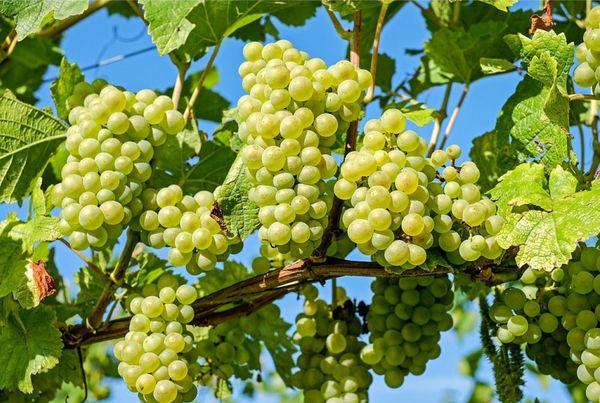
Planting dates
The first rule for successful growth, rapid fruiting, and high annual yields is timely planting. Temperature and weather conditions determine how quickly the seedlings will root and develop.
Planting should be done in the spring, when the soil warms up to 15 degrees Celsius. During the summer, the roots will adapt, allowing the plant to survive the winter without problems.
Planting time depends on the region's climate. In southern regions, planting is recommended in February, while in northern latitudes, it's recommended in April or May.
Trimming
An important agronomic technique for obtaining a healthy plant is pruning, the purpose of which, during the period of accumulation of vegetative mass of the bush, is to create a strong skeleton and well-developed annual shoots, as well as to give the shape in accordance with the environmental growing conditions.
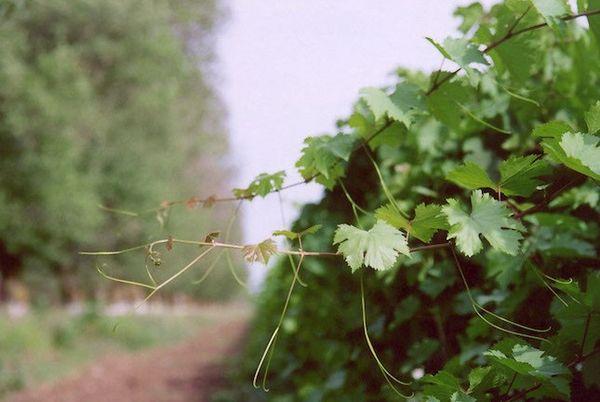 Important! Pruning grapes too short can slow down their fruiting, while ignoring this procedure will delay fruiting, as the plant will waste too much energy on weak, unneeded shoots.
Top dressing
Vine ripening depends on the amount of nutrients supplied throughout the growing season. Fertilizing with organic and mineral fertilizers will significantly speed up harvesting. Apply organic matter, phosphorus, and potassium once every three years. Apply compost in the spring, and enrich the soil with manure in the fall.
The plant can also provide clues about its nutritional needs. If grape growth slows, and foliage becomes smaller and falls prematurely, this indicates a nitrogen deficiency. A phosphorus deficiency causes leaves to darken and wilt, while a loss of flavor in the berries and yellowing of the leaves is considered a sign of a potassium deficiency.
Regional features
When growing grapes, it's important to choose the right variety, taking into account the climate in which they will grow. To do this, you need to understand the ripening period to ensure the chosen variety has enough warmth to fully ripen. Frost hardiness and resistance to fungal diseases should also be considered.
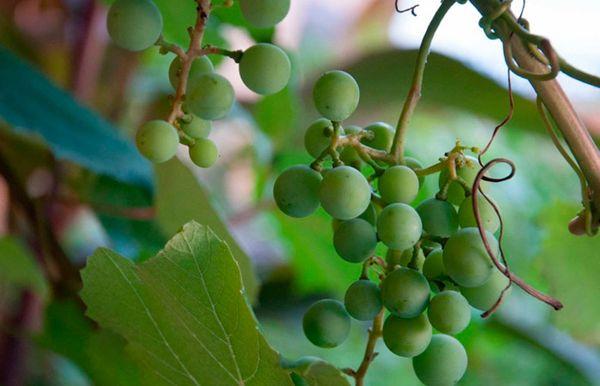
It is better to give preference to seedlings grown in natural and climatic conditions close to those in which they will be further cultivated.
Diseases and pests
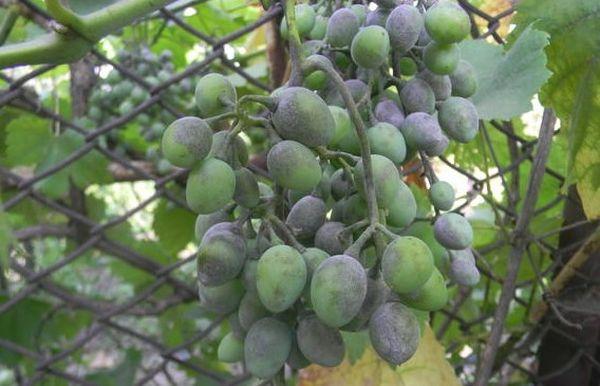
Grapevine pests include spider mites and phylloxera. These insects can destroy a grapevine in a short time. Grapevine diseases inhibit its development and fruiting and can even cause death.
Preventive procedures are considered effective measures in solving problems:
- Regular removal of weeds and loosening of the soil will prevent pest larvae from settling in it.
- Spring treatment of bushes before bud break against diseases and parasites using general-purpose insecticides.
- Deep digging of the soil around the grapes in the fall, after the harvest and leaf fall. This procedure promotes aeration of the root system, retains moisture, and destroys overwintering larvae.
- When diseases and pests appear, timely and proper treatment is required, namely, the removal of infected parts of the plant, collection and subsequent burning of fallen leaves from infected bushes.
Carrying out preventative measures will not only help maintain the health of the vine, but also reduce the period of waiting for fruit.
How to speed up
There are methods that will allow you to get a grape harvest as early as the second year.
Plastic containers
One way to speed up grapevine fruiting is to root cuttings in plastic containers in January-February. By May, strong seedlings with meter-long growth will have formed. All that remains is to harden them off and plant them in their permanent location. Once adapted, the cuttings should be carefully pinched as soon as the first side shoots form. This planting material provides trial clusters as early as the second year, and begins bearing fruit en masse in the third year.
Three-year-old seedling
By purchasing three-year-old seedlings, you can also try fruiting in the first year. They tolerate transplanting with difficulty, but despite this, they discard the clusters they planted in the nursery.
Take a look Also
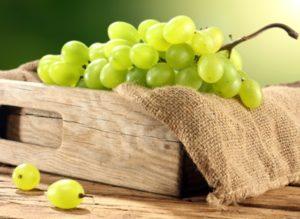
Tip! As the plant grows, trim off any excess clusters to avoid weakening the plant.
How many years can you harvest?
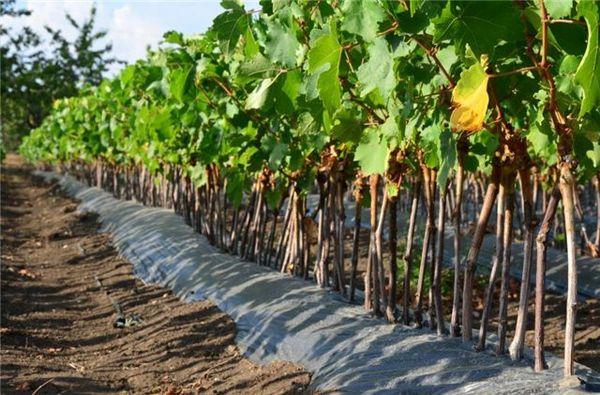
Gardeners are interested in the question of how long grapes will bear fruit. The maximum lifespan is 25 years, the minimum is 10. When growing grapes in vineyards, where numerous strong shoots emerge each year, you can enjoy a harvest for 50 years.
Review of early varieties
When planting a vineyard, focus on varieties that are known for their early fruiting. The following varieties boast these characteristics.
Veles
The bush is vigorous, with well-ripening vines. Each shoot produces 2-4 inflorescences. Clusters weighing over 3 kg have distinct branching and a beautiful conical shape. Each fruit weighs 4-5 g. The delicate pink fruits have dense, juicy flesh with a muscat flavor. A single bush can yield 4-6 kg of berries.
The variety is high-yielding, fruitful, frost-resistant, and will make a good decorative addition to the plot.
Long
A versatile variety that ripens in late September. The bushes are vigorous. The 200-g bunch is conical in shape and dense in structure. The berries, up to 3 g in weight, are oval and yellow-green in color. The flesh is juicy and pleasantly flavored.
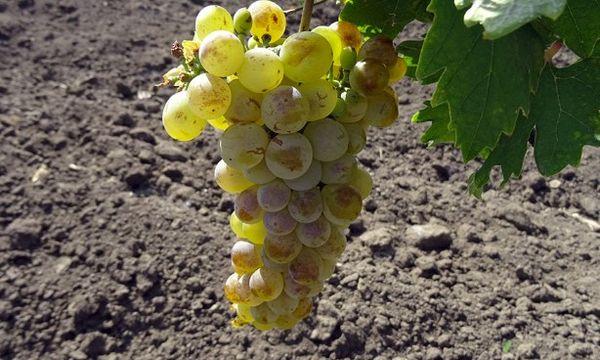
The variety's weakness is its instability to frost and fungal infections, which is why it requires a range of measures to protect against disease and cold.
Isabel
The bushes are medium-vigorous, producing medium-sized, cylindrical clusters weighing 2-2.5 kg. The grapes weigh 3 g each, are round, blackish-purple in color, with a dense, bluish-gray bloom. The skin is firm and strong. The flesh is pale green, sweet and sour, with a flavor reminiscent of strawberries. Harvest occurs in early October. The first fruiting occurs in the third year after planting.
This variety is prized for its flavor, low calorie content, high yields, and ease of cultivation. A versatile variety, it can be used fresh, for producing high-quality wine, and as raw material for various homemade preserves.
Kishmish
The bush produces vigorous shoots, with the vines reaching two-thirds of their full length. The grape produces large clusters, which can weigh up to 1 kg. The small, pink berries have a characteristic waxy coating and thin skin. Distinguishing features of this variety include a sweet flavor and seedlessness.
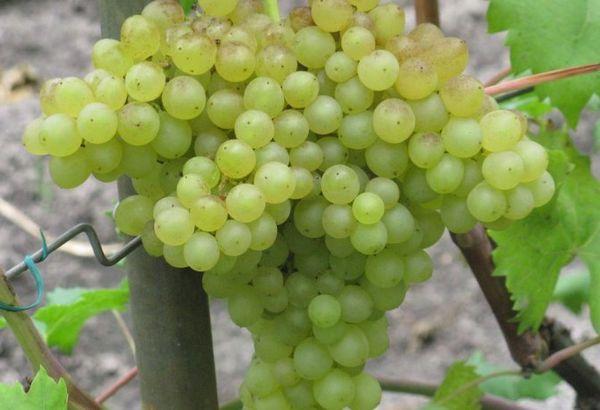
High yield and disease resistance make the variety attractive for cultivation.
Summer Muscat
Grape bushes can reach 3 m in height. The plant is adorned with cylindrical, loose clusters of grapes weighing up to 8 g, colored amber with a white tint. The pulp is juicy and sweet.
The variety is popular due to its productivity—up to 40 kg of berries can be harvested from one bush—early ripening, and resistance to diseases and pests.
Noble
The grape bushes are vigorous, with cone-shaped clusters of medium density and moderate looseness, weighing up to 700 g. The berries weigh up to 16 g, are green-yellow in color, and have a dense skin that is imperceptible when eaten. The pulp is meaty, juicy, and has a pleasant muscat flavor.
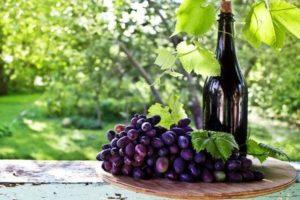
Fruiting is observed in the 3rd year after planting.
Augustine
A vigorous grapevine producing conical clusters weighing up to 600 g. The berries are elongated oval, amber in color, and develop a blush on the sides when fully ripe. Each berry weighs 7 g. The flesh is dense and fleshy, with a harmonious sweet flavor without a pronounced aroma.
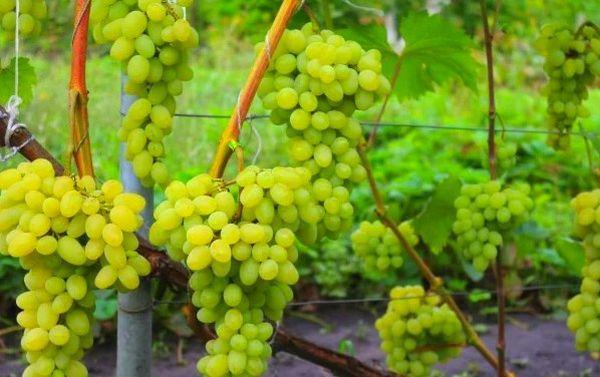
Augustine does not require any special climatic conditions and bears fruit beautifully and reliably even in the most unfavorable areas.
Alyoshenka
The grape bush is characterized by vigorous growth. The clusters are elegant and loosely structured. Cluster weight ranges from 0.8 to 2.7 kg.
The berries are oval-shaped, amber-colored, and have a light white waxy coating. Each berry weighs 4-5 g. The flesh is crisp, juicy, and pleasantly flavored.
Harvesting begins at the end of July. A single bush yields approximately 25 kg of high-quality fruit.
Arcadia
This medium-sized plant produces large, cylindrical clusters weighing up to 700 g. The fruits, up to 15 g in weight, are large and ovoid. The flesh is juicy, fleshy, amber-colored, and has a neutral flavor with a subtle muscat aroma.
Advantages of the variety: productivity, winter hardiness, transportability.
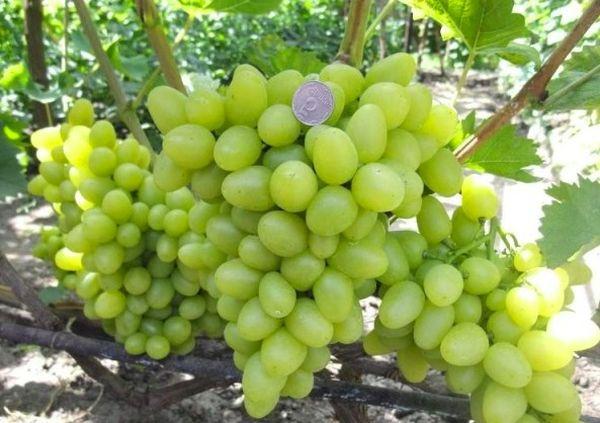
Tips and recommendations for growing
Harvesting grapes in the second or third year after planting is a completely achievable goal, even for inexperienced gardeners. Before planting, it's important to familiarize yourself with the following growing recommendations:
- The landing site should be illuminated and protected from the north side.
- Choose a site with light, breathable and moist soil.
- Provide drainage, which can be done using small stones or broken bricks.
- When planting, maintain a distance between plants of at least 1.5-2 m.
- Raise grapes on trellises, which are reliable supports with stretched wire.
- Provide proper care: regular watering, loosening the soil, fertilizing, pruning, and preparing for winter.
If all agricultural practices are followed correctly, the grapes will begin to bear fruit in the 2nd or 3rd year after planting.
Related posts:
 How to grow grapes in the Moscow region in open ground without a greenhouse
 Description of the Julian grape variety, planting and care instructions
 Description of the Krasotka grape variety, planting and care technology
 The ripening time of grape vines by variety, how to speed up the process, and what to treat the plant with
 Description of 30 grape varieties for Siberia, planting and care for beginners
 Description and characteristics of the Codryanka grape variety, ripening period and care
 How to treat grapes after rain in July: medications and folk remedies
 Description and characteristics of the Preobrazhenie grape variety, planting and care