
- Characteristics of microfertilizers
- The need for micronutrients
- Classification of micronutrient fertilizers
- Copper
- Fertilizers from boron and its compounds
- Molybdenum microfertilizers
- Manganese
- Zinc
- Cobalt micronutrients
- Iodine micronutrient fertilizers
- Complex
- Types of ready-made microfertilizers
- "Master"
- Seybit
- Boro-N
- Nanoplant
- Adobe Bor
- Reacom
- "Oracle"
- Sisame
- Technology of application of microfertilizers
- Features of use
Scientists around the world agree that the use of micronutrient fertilizers is essential to improve soil quality and thereby increase crop yields and food quality.
Characteristics of microfertilizers
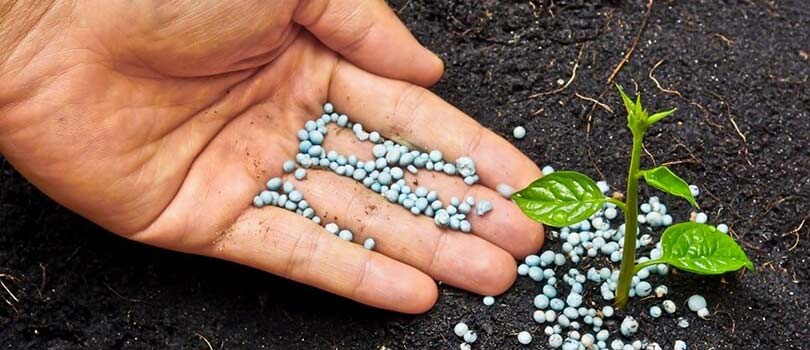
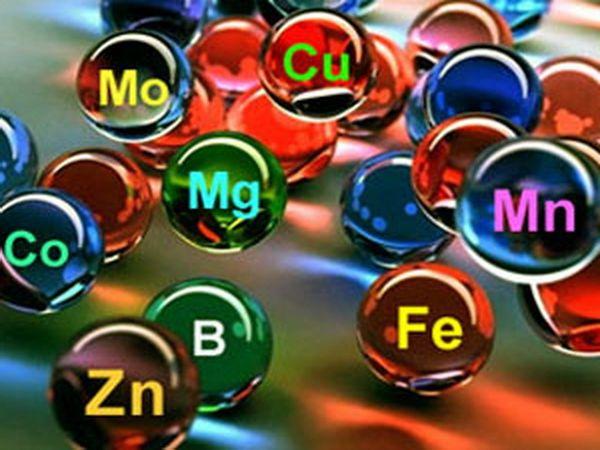
Micronutrient fertilizers are fertilizers that contain trace elements and substances required by plants in small quantities. They can be either single-ingredient or complex fertilizers. These fertilizers are no less important than primary plant nutrients.
The need for micronutrients
Micronutrients are essential for all plants without exception. A deficiency won't kill the plant, but it will also prevent it from developing properly and bearing fruit in a timely manner. Both a deficiency and an excess of certain micronutrients affect germination, seed germination, growth, flowering, fruit set, and fruit ripening.
Classification of micronutrient fertilizers
Most often, micronutrient fertilizers are classified according to the presence of the predominant substance in them.
Copper
Micronutrient fertilizers with increased copper content are used in marshy areas, as the soil there is often alkaline or neutral, making it virtually impossible to grow anything. These fertilizers are primarily used for growing grain crops.

Fertilizers from boron and its compounds
Boron's main property is its ability to stimulate plant growth. Therefore, it is essential for young shoots. Perennial plants require it not only during the growing season, but throughout their entire lifespan.
Molybdenum microfertilizers
Molybdenum fertilizers increase the protein, sugar, and vitamin content of foods. A deficiency reduces crop yields. The greatest effect is seen in podzolic soils. In acidic soils, molybdenum has no effect.

Manganese
Manganese is involved in important plant growth and development processes, such as photosynthesis and oxidation-reduction processes. Manganese enhances the synthesis of vitamin C, carotene, and glutamine. It increases starch levels in potatoes, and sugar levels in tomatoes and beets. Both manganese deficiency and excess in the soil cause crops to develop slowly and bear fruit poorly.

Zinc
Zinc micronutrients enhance the water-retaining capacity of crops. They are involved in phosphorus and protein metabolism. Zinc increases plant resistance to heat, drought, and cold. It helps regulate growth. It also plays a role in respiration and the synthesis of proteins and auxins.
Insufficient zinc causes plant foliage to turn yellowish, become spotted, and may even fall off. Excess zinc in plant nutrition is extremely rare.
Cobalt micronutrients
Cobalt micronutrients enhance enzyme activity and stimulate the production of chlorophyll, ascorbic acid, and protein. They also improve plant drought tolerance. Cobalt fertilizers applied to sod-podzolic soils significantly increase the yield of cabbage, potatoes, and winter wheat.
Iodine micronutrient fertilizers
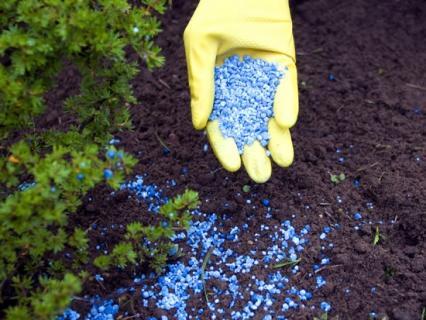
These micronutrients help plants develop normally, gain foliage, and bear fruit. Crystalline iodine is used during the growing season. A solution is prepared and applied to the seedlings. Seeds are also soaked in it before sowing.
Complex
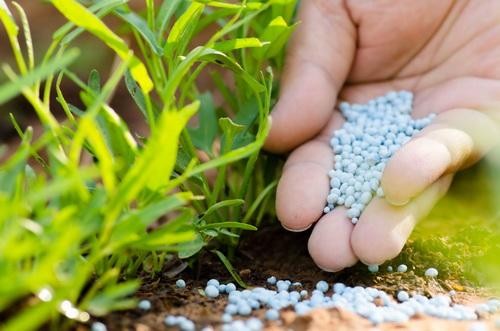
Complex options include ready-made microfertilizers, which contain several fertilizers. They are easy to use, as gardeners don't have to calculate dosages or consider the compatibility of fertilizer components themselves.
Types of ready-made microfertilizers
There is a wide selection of ready-made micronutrient fertilizers on the market, here are some of the most common ones.
"Master"
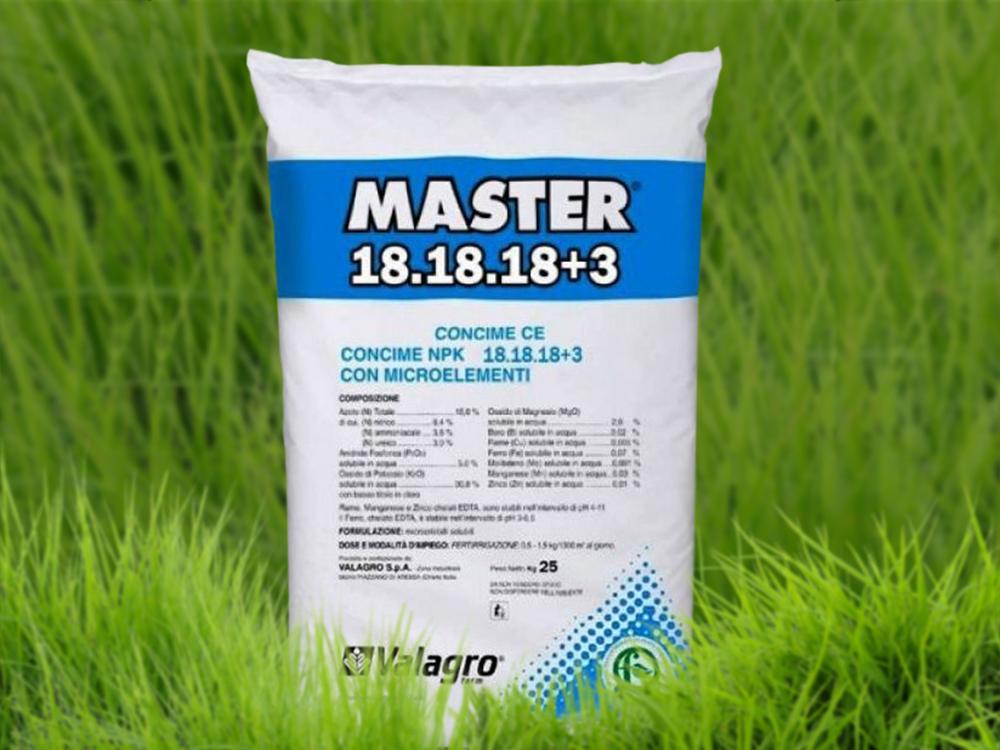
This is a complex fertilizer enriched with a wide range of nutrients. There are several types of these fertilizers, each with different micronutrient content depending on the plant they are intended for.
Master fertilizers are used for many garden and vegetable plants. These include seedlings, indoor and annual flowers, vegetables, berries, trees, and shrubs.
Seybit
"Seibit" is a water-based liquid fertilizer classified as a polymer film-forming agent. This product is sprayed on plants during leaf emergence. "Seibit" stimulates growth and positively impacts crop yields.
Boro-N
This boron-containing micronutrient fertilizer is used for foliar application. It can be combined with other fertilizers. It's quite economical, requiring only 0.4-0.5 liters of solution per hectare of garden. It's suitable for use on potatoes, corn, beets, rapeseed, legumes, alfalfa, and other crops.
Nanoplant
This fertilizer is used for pre-sowing seed preparation and root feeding of seedlings and saplings. This treatment activates enzymes, promotes the development of a more robust root system, and reduces the risk of disease by 15-20%.
Adobe Bor
This product is used to treat plants with specific boron requirements. Treatment is only required once per season. It's easy to use, as it comes in liquid form with the required concentration.
Reacom
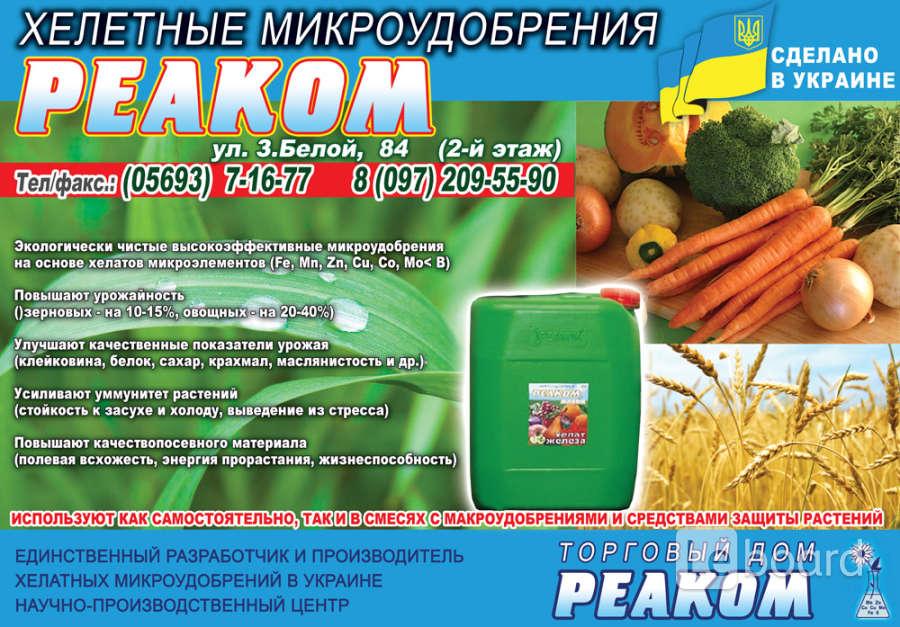
This fertilizer helps reduce nitrate levels in harvested crops. It is primarily used on potatoes, grains, sugar beets, and sunflowers. Sunflowers contain more oil when treated with the latter, while potatoes and grains produce higher yields.
"Oracle"
This fertilizer is ideal for growing flowers, meadow grass, lawns, and berries. It increases plant stress resistance and regulates water flow. It contains the following elements: etidronic acid, copper, iron, zinc, and manganese.
Sisame
This product helps increase crop yields and provides excellent protection against diseases and pests. The fertilizer contains calcium, zinc, iron, magnesium, and B vitamins. It's ideal for cabbage.

Technology of application of microfertilizers
Microfertilizers are used in garden plots in three ways:
- soaking seeds;
- foliar feeding;
- soil cultivation.
Chelated fertilizers are available in tablets, powders and liquid form.
Features of use
Sometimes a waxy coating on plant leaves prevents micronutrients from penetrating. To address this, adjuvants are added to the solution. They soften the wax barrier, creating a durable, water-resistant film on the leaves, enhancing the solution's adhesion and penetration.
Treatments are carried out in the evening, since the active ingredients of fertilizers penetrate the leaves better when the air humidity is high.
Related posts:
 How to properly spray cabbage with boric acid, application rules and proportions
 The best eggplant varieties for growing in a polycarbonate greenhouse: planting and care
 How to use and prepare manure as a fertilizer, its types and composition
 Classification and description of types of mineral fertilizers and their use in the garden
 The use of peat as a fertilizer for potatoes and other crops and its differences from humus
 Nitrophoska composition and instructions for use of fertilizer, errors
 What is the best way to feed tomato seedlings to make them plump?
 The health benefits and harms of cherries, rules of consumption, and their effects on the body