
Growth stimulants and biopreparations are excellent treatments for crops of various families to stimulate their development and protect against diseases. We'll discuss the composition, form, purpose, and application of Albit. We'll also discuss the dosage and application rate for trees, berry bushes, vegetables, and grains. We'll also discuss compatibility, storage instructions, and alternatives to this stimulant.
What is included in the composition, existing forms of release and purpose
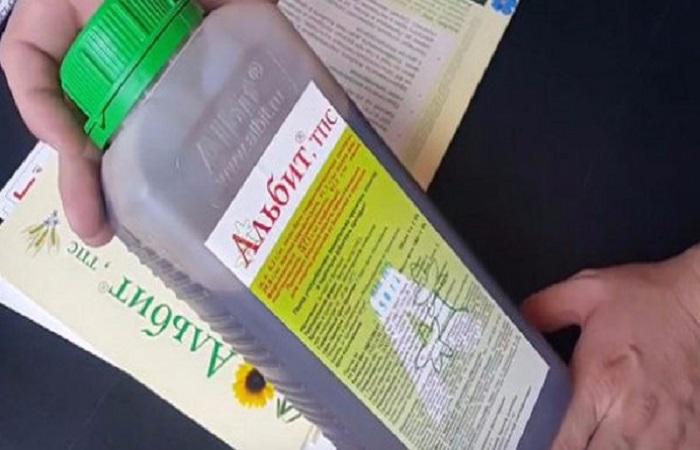
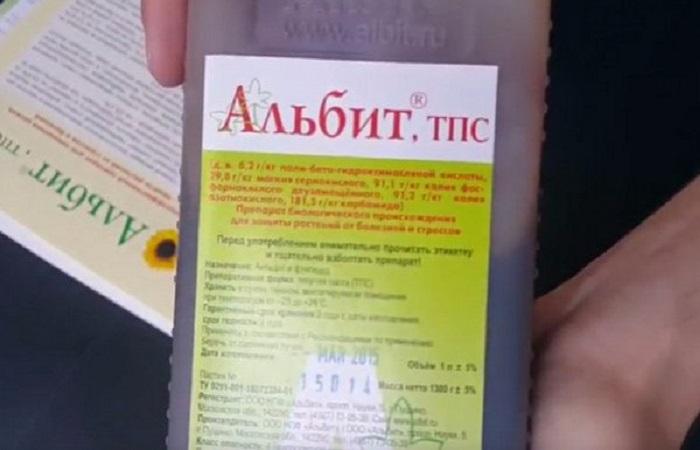
The biological product "Albit" consists of various components: potassium nitrate and phosphate contain 91.2 g per kg, urea - 181.5 g per 1 kg, magnesium sulfate - 29.8 g and poly-beta-hydroxybutyric acid - 6.2 g per 1 kg.
Albit Research and Production Company LLC produces this growth stimulator in the form of a flowable paste (FP) in 1-liter bottles. Based on its penetration method, it is classified as a systemic pesticide with protective and immunizing action. The growth biostimulant has a comprehensive effect on plants: it regulates plant processes, acts as a fungicide, and functions as a complex fertilizer.
Operating principle
Albit increases crop yields by approximately 10-35% across all crops, improving the characteristics of fruits, grains, and root vegetables. Plants become drought-resistant, and winter grains survive the winter better. Their ability to resist fungal infections is enhanced, and the product helps them recover from pesticide use and transplantation. Using the growth stimulator reduces the use of fertilizers and plant protection products. The product also improves soil fertility.
Albit inhibits the development of common and dangerous infections: powdery mildew, root rot and leaf spot, rust, anthracnose, late blight, bacterial blight, septoria leaf spot, and scab. Its effectiveness against pathogens is equal to that of chemical treatments that are more expensive.
When to use
Albit is applied to grain and flax seeds, vegetables, and root crops before sowing, and to potato tubers before planting. Young plants are treated at different stages of development: grains – at tillering and earing/flowering, flax – at the "Christmas tree" stage, potatoes – at leaf closure/budding and two weeks later. Grapes are treated before flowering, when the berries begin to form, when they close into clusters, and when they begin to color. Cabbage is treated at the 3-5 leaf stage and two weeks later.
Consumption rates and instructions for use
The dosage and application rate of Albit vary for different crops. A standard solution of 1-2 ml per 10 liters can be used for foliar and root feeding, as a fertilizing agent for peat mixtures and substrates, and as a root soak for seedlings and saplings.
To simplify dosing, you can use the bottle cap; it contains 20 ml of the product. One teaspoon contains about 4 ml, a tablespoon contains 10 ml, and one tablespoon contains 200 ml.
Fruit trees
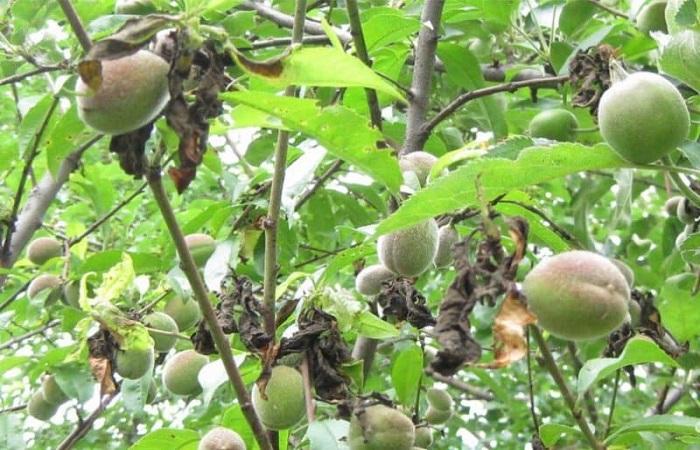
The micronutrient fertilizer dosage is 1 g per tree or 0.1 l per hectare. Three sprays are recommended: at bud opening, after flowering, and again two weeks later. Consumption is 10 liters per tree, or 1,000 liters per hectare. It activates growth processes, increases shoot growth and average fruit weight, guarantees a higher yield, and improves tree resistance to stress.
Berries
The recommended dosage for gooseberries and blackcurrants is 0.5 g per bush. Spray the bushes three times, starting at the budding stage, then apply two more treatments two weeks later. Apply 5 liters per bush. "Albit" reduces ovary drop and increases the number and weight of berries.
Vegetables
The Albit instructions indicate that to soak seeds, prepare a solution of 2 grams of the product per liter of water. Soak the seeds in this solution for 3 hours. One liter of solution is sufficient to treat 1 kg of seeds. Soaking should not be done until 24 hours before sowing, as the stimulant does not remain active on the seeds' surface beyond this time.
Cereals
The seed treatment dosage is 0.04 liters per ton, with 10 liters of the product being used per ton of seed. A growth stimulator solution at the same dosage is used to spray plants during the tillering/booting stage, and then during the earing/flowering stage. The application rate is 300 liters per hectare.
Precautionary rules
Based on its toxic properties, Albit is classified as a Class 4 hazard product. It is almost completely safe when used or diluted for human use. It does not poison animals, birds, fish, insects (class 3 hazard for bees), or soil microorganisms. Due to its safety, this growth stimulator is used in organic farming systems.
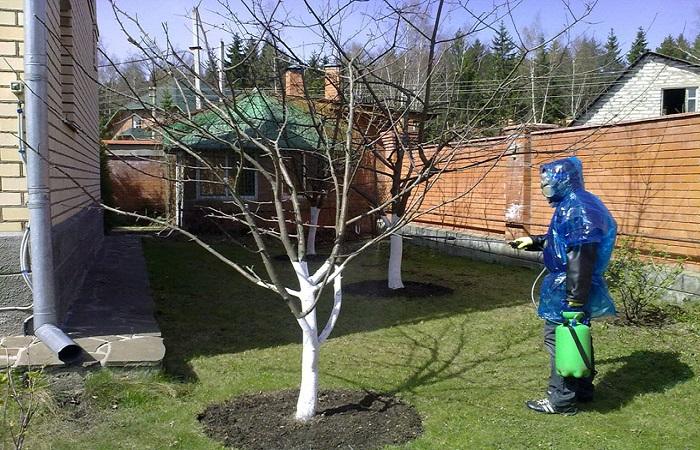
When working with the product, you can wear gloves, goggles, and a respirator. Poisoning with the biological product is rare. After handling, simply wash your hands with soap.
Is compatibility possible?
Albit can be combined with fungicides, seed treatments, fertilizers, and herbicides. If you need to extend the shelf life of seeds after treatment, it is recommended to combine this stimulant with seed treatments. When combined with plant protection products and liquid fertilizers, the product acts as an antidote, mitigating their toxic effects on plants.
Expiration date and storage rules
Albit has a shelf life of 3 years in original bottles with the lids closed. Mandatory storage conditions: temperature from -20°C to +25°C, dry, dark, and well-ventilated. Keep away from food, feed, water, and medications. Fertilizers and pesticides may be stored nearby.
Similar means
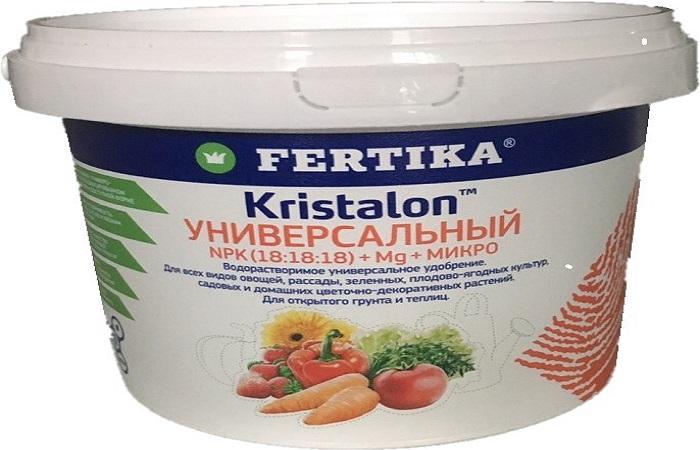
The stimulator can be replaced with products such as "Agat-25k," "Planriz," "Kristallon," "Pseudobacterin," "Silk," "Fitosporin," and potassium and sodium humates. A complete analogue of "Albit" is the stimulator "Ekopin," which contains the same ingredients in the same volume, but is manufactured by a different manufacturer, OOO "Green Apteka Sadovoda."
Albit is a multifunctional biological product. Its active ingredients allow it to function simultaneously as a growth stimulant, fertilizer, and fungicide. It acts as an antidote to plants when used in conjunction with pesticides. The result is an additional yield boost for grains, legumes, oilseeds, orchard crops, industrial crops, forage crops, and vegetables.
Compared to biological products containing microorganisms, Albit exhibits a more stable effect and is less affected by environmental factors. It has a low dosage, low consumption, and low cost, while being equally effective and shelf-stable as synthetic pesticides. It also surpasses them in terms of safety, being virtually non-toxic to humans, soil, and insects.
Related posts:
 Causes of cucumber diseases on the balcony and effective methods of their treatment
 The best grape varieties for growing in the Urals, planting and care rules in summer
 Instructions for use of Heteroauxin and the composition of the root growth stimulator
 Carrot care guidelines for outdoor cultivation to ensure a good harvest
 Instructions for use of Siliplant and the composition of the fertilizer, pros and cons
 How to plant grapes step by step, with a description of the process and care
 Instructions for use of Fitosporin for grape diseases and dosage
 How to control carrot flies with medications and folk remedies