
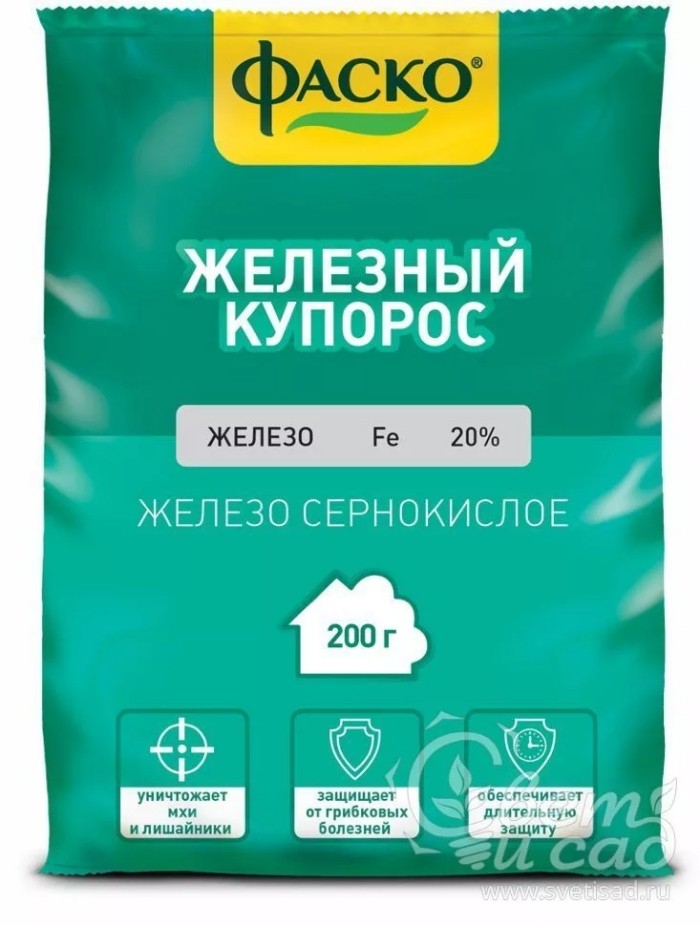
Ferrous sulfate is a fungicide used to treat common plant diseases. It is inexpensive and highly effective. Its composition consists of 53% salt crystals, which are formed through a chemical reaction between ferrous iron and sulfuric acid. This compound helps combat mold, moss, lichen, and other garden problems.
Description
Iron is involved in oxidative and energy metabolism at the cellular level, respiration, and the formation of chlorophyll. However, crops growing in soil with a pH greater than 7 cannot absorb iron. In such areas, iron application is considered the only way to provide plants with iron in an easily digestible form.
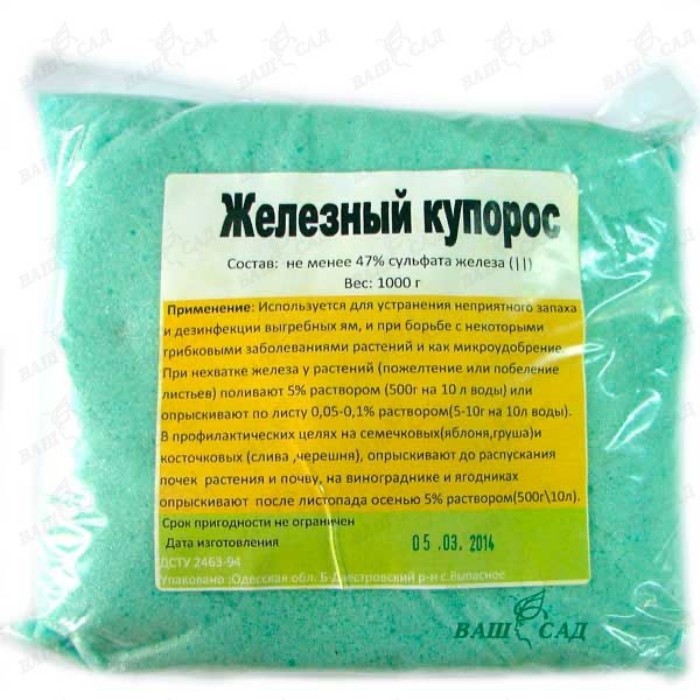
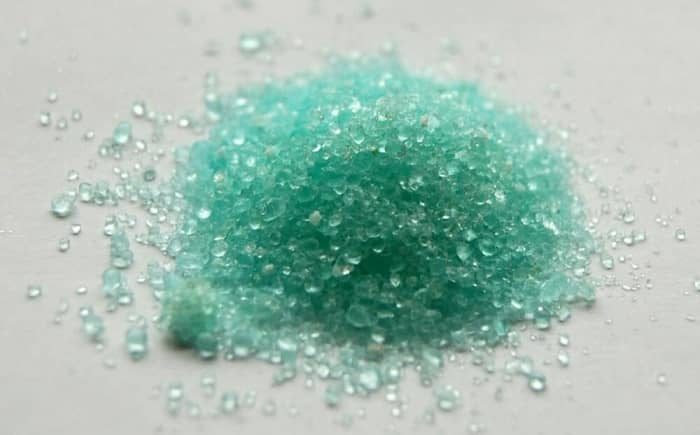
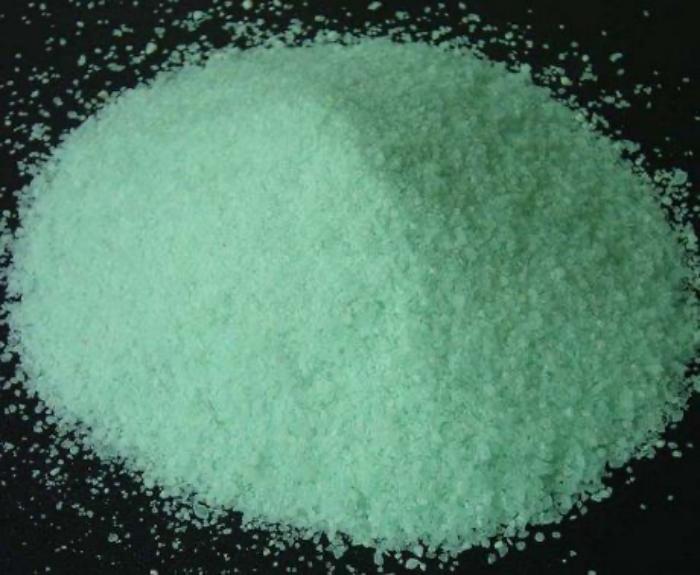
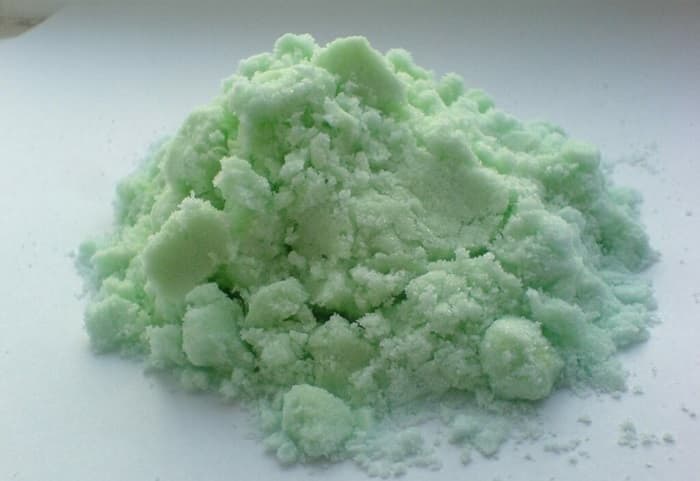
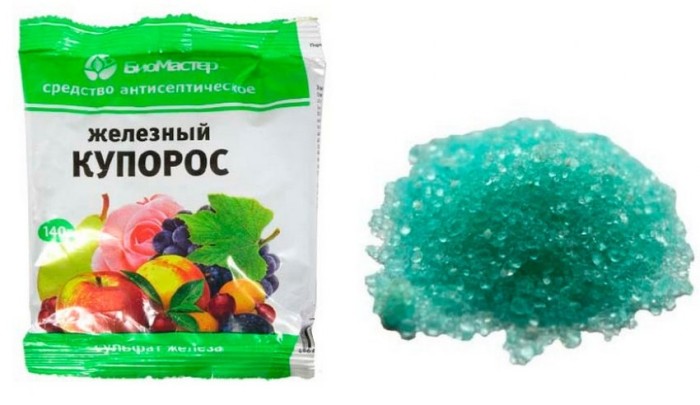
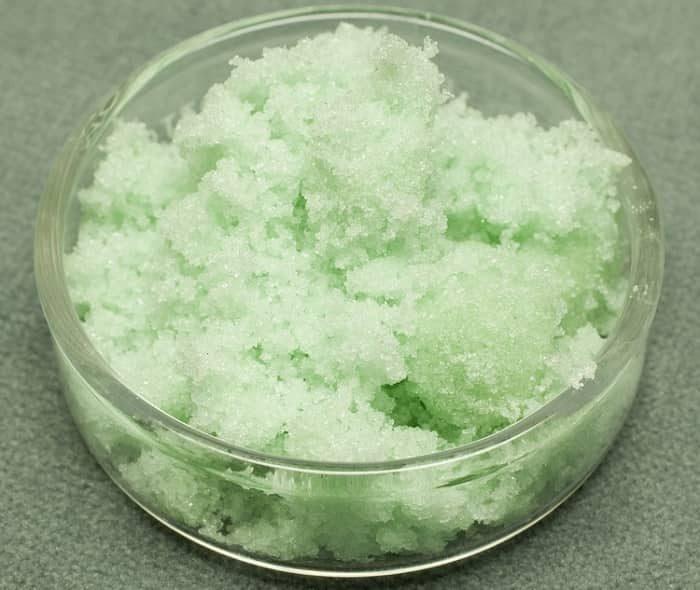
Ferrous sulfate is a water-soluble powder. It appears as blue or greenish crystals, odorless, with a metallic taste. Its chemical formula is FeSO4. It is also known as ferrous sulfate or iron sulfate.
The easiest way to dilute the solution is in warm water. The resulting solution doesn't retain its properties for long. In the spring, it can be used alone or combined with other fertilizers. In addition to agricultural applications, the product can be used to treat wooden structures such as sheds, verandas, and gazebos. The solution helps prevent the formation of mold and mildew.
Advantages and disadvantages
Ferrous Sulfate offers numerous advantages, including:
- versatility of use – the preparation can be used in agriculture, at home, and in industry;
- effectiveness in treating diseases of currants, vineyards and apple trees;
- low toxicity – the composition does not cause irritation upon contact with the skin;
- surface effect – the substance does not penetrate into plant cells;
- availability – the product can be purchased at any store.
However, ferrous sulfate also has its disadvantages:
- low resistance to precipitation;
- low effectiveness against pests;
- the possibility of treating plants only in early spring or late autumn - this is allowed to be done when there are no leaves.
Its purpose in gardening
The drug has found wide application in agriculture. It can be used to control pests and eliminate diseases.
From pests
To get rid of garden pests, copper sulfate alone isn't enough. This is because it lacks components that kill parasites. However, when combined with a targeted poison, iron sulfate helps enhance its effectiveness. However, it should not be combined with insecticides or products that create an alkaline reaction.
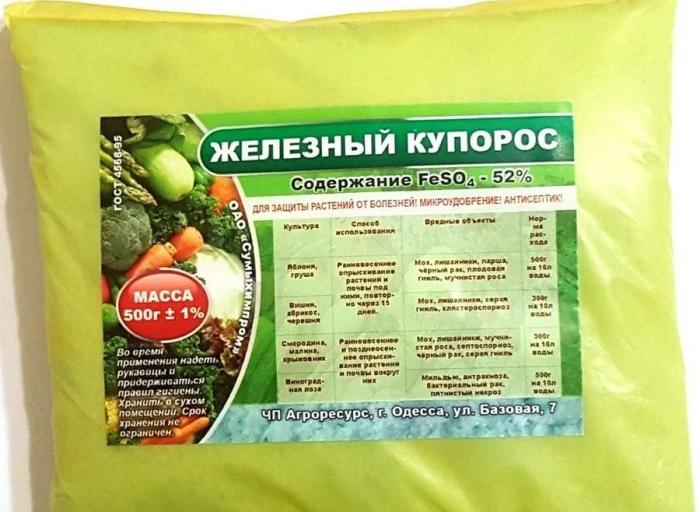
Spray the entire tree crown. If necessary, you can apply the spray to the trunk with a wide brush. Sometimes, the soil is also sprayed. To kill pests, a 5% solution is needed. To do this, mix 50 grams of powder with 1 liter of water.
From diseases
To combat scab, powdery mildew, and fungi on stone fruit trees, a 3% solution is recommended. A 5% solution is suitable for pome fruits. This product also helps combat gray mold on strawberries. For this, a 3% solution is needed.
Roses can be treated with a 3% solution. A 5% solution should be used for the surrounding soil. Trees should only be sprayed in the fall, after leaf removal.
Its differences from copper sulfate
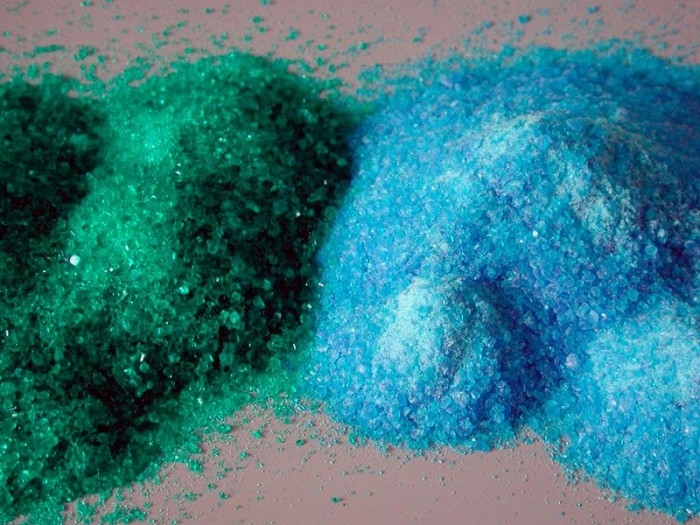
Unlike copper sulfate, ferrous sulfate is a finely crystalline powder. It has versatile properties that help combat fungal diseases and improve the fruiting of older fruit trees.
Iron sulfate is required when chlorosis develops.
In this case, plants experience iron deficiency. The solution is also used to disinfect wounds and tree hollows. It can be used as part of whitewashing tree trunks. This procedure provides protection against diseases. A 5% copper sulfate solution can be used to combat scab and septoria leaf spot. A 3% solution helps combat black spot.
Copper sulfate is used as a soil amendment to treat copper deficiency. However, it is most often used as a fungicide. It effectively combats fungal infections.
Instructions for use of iron sulfate
For ferrous sulfate to be effective, it's important to follow the instructions for use. It's often used in late fall. It can also be used in early spring. To achieve the desired results, it's important to consider the intended use of the product:
- Moss and lichen control. They often appear on older trees. Ferrous sulfate is highly effective in eliminating these problems. Stone fruit trees and berry bushes should be sprayed with a 3% ferrous sulfate solution. Use 300 grams of the solution per 10 liters of water. Pome fruit trees require a more concentrated 5% solution. Moss and lichen can be difficult to remove. However, after applying the solution, they literally peel off the bark. Spray in the spring or fall after the leaves have fallen. Two treatments, two weeks apart, are usually sufficient.
- For fungal infections, it's recommended to use a dilute solution of ferrous sulfate. Apply 30 grams of the solution per 10 liters of water. Treatments should be performed 2-3 times, every 5-7 days.
- To disinfect trees, mix 100 grams of the substance with 10 liters of water. Apply the resulting solution to the damaged tissue.
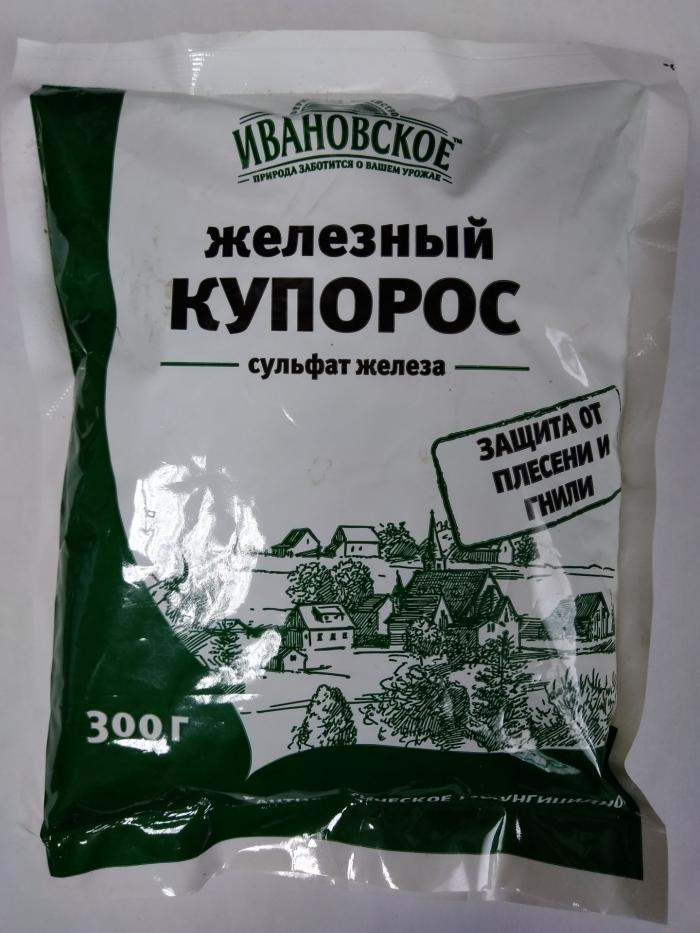
Safety precautions
When using this substance in your garden, it's important to remember that it's considered highly toxic. Therefore, it can cause serious poisoning in humans and animals. To avoid such problems, follow these basic safety guidelines:
- Before using the substance, carefully read the instructions for different types of soil and plants.
- Prepare the solution in a plastic or glass container.
- To avoid contact with eyes or exposed skin, use special masks, gloves, and protective suits.
- If the solution gets on your skin, wash it off with plenty of water.
Is compatibility possible?
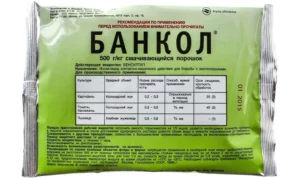
This substance should not be combined with lime or lime-containing products, particularly Bordeaux mixture. It should also not be combined with pure copper sulfate, which produces a highly acidic solution.
Furthermore, the product is incompatible with insecticides and products that decompose in alkaline environments. After using ferrous sulfate, at least 1.5-2 months should pass before using such products. It is important that the air temperature rises above freezing.
How to store it correctly and for how long
It is recommended to store the product in a cool, dry place. This should be done at temperatures between -30 and +30 degrees Celsius. It is important to keep the product away from medications, food, and animal feed. Also, keep the product out of the reach of children and pets.
What to replace it with
The following products can be used as analogues of ferrous sulfate:
- Bordeaux mixture is approved for use on raspberries, strawberries, and gooseberries. However, preparing the mixture is considered a rather labor-intensive procedure. Furthermore, the product is considered less effective than iron sulfate, but more affordable. It can be used several times a year.
- Burgundy solution helps protect against fungal infections. It can be used on flowers and vegetables. While not long-lasting, it does the job well. When used correctly, it is environmentally friendly.
- Copper sulfate – it is recommended to combine it with lime. This helps minimize its negative impact on plants. In its pure form, the product can cause burns on plants.
Ferrous sulfate is an effective remedy with numerous beneficial properties. It can be used in agriculture, industry, and at home. It is important to follow the instructions carefully.