
- Causes and pathogens
- How does cherry infection occur?
- Symptoms and signs of monilial burn
- What is the danger of this disease?
- Drugs to combat the disease
- Chemicals
- Biological drugs
- Folk remedies
- Timing and rules for cherry orchard treatments
- Preventive measures
- Seasonal treatments
- Compliance with agricultural practices
- Sanitary cuttings
- Selecting varieties resistant to moniliosis
During flowering, pathogenic fungi often attack fruit trees. When they penetrate the pistil, the microorganisms multiply within the ripening fruit, resulting in a secondary infection. Cherry moniliosis occurs in any region where it is grown. The disease became widespread because, in its early stages, gardeners often ignored it, mistaking it for simple frostbite or leaf scorch.
Causes and pathogens
Cherry moniliosis is caused by the harmful effects of the ascomycete fungus. Its spores penetrate healthy parts of the plant and begin their activity there, causing branches and shoots to dry out. Modern gardeners complain that the disease is becoming increasingly difficult to treat each year. Felt cherry plantings, like those of common cherry trees, are also affected by ascomycete spores and suffer from moniliosis.
How does cherry infection occur?
The fungal mycelium overwinters on dried cherry fruits and shoots. During flowering, it produces spores, causing further moniliosis infection through the buds and pistils. Further destruction of the twig tissue occurs, causing them to quickly dry out, and the resulting fruits never have time to fill with juice. Leaves turn brown, dry out, and fall off. The following factors contribute to the reproduction of the causative agent of moniliosis:
- damp weather accompanied by low temperatures;
- fog;
- heavy dewfall;
- prolonged absence of sun.
The fungus is carried by codling moths, aphids and other pests, which transfer spores from infected to healthy trees. During the summer period, several generations of moniliosis pathogens appear.
Symptoms and signs of monilial burn
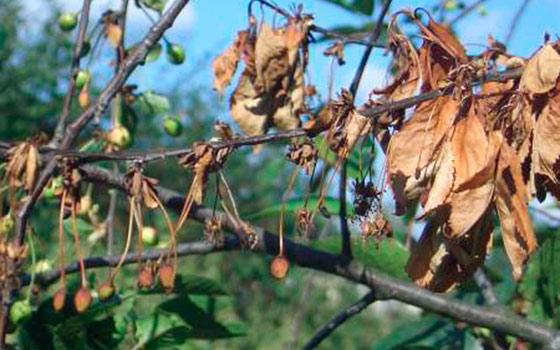
For successful treatment of moniliosis on cherry trees, timely diagnosis of the disease and detection of the first symptoms of its manifestation are of great importance, which include:
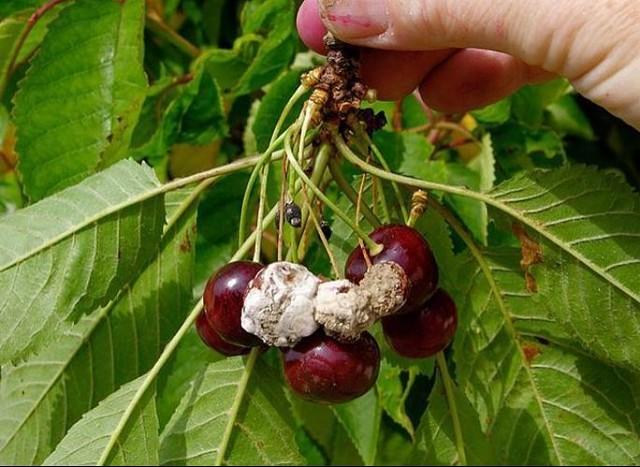
- the fruits mummify and do not ripen;
- half-dried leaves appear on the branches;
- the branches darken and dry out;
- 3-year-old shoots have soft spots where ascomycete spores overwintered.

On a mature cherry tree, a clear boundary can be seen between the healthy and diseased parts of the tree. The latter part is actively drying out its shoots.
What is the danger of this disease?
Moniliosis manifests itself in fruit rot and monilial blight. The rot affects the berries, which, after they fall, become a hotbed for the disease to spread the following year. If treatment is not taken promptly, you can lose not only your entire cherry tree but also infect other trees in the orchard.
The negative consequences of moniliosis include a significant reduction in crop yields and the quality of the harvested crop. Gardeners note that fighting the disease is becoming increasingly difficult each year, as the fungus adapts to the preparations used.
Drugs to combat the disease
Cherry tree moniliosis can be treated using chemical, biological, and folk remedies. Each method has its own advantages and disadvantages, which must be taken into account.
Chemicals
Chemical treatments are effective and quick for treating moniliosis. Before bud break, the cherry tree's crown is treated with Bordeaux mixture. The tree trunk is whitewashed with lime, copper sulfate, and antifungal agents.
Before flowering, cherry trees are sprayed with a 0.3% copper oxychloride solution. A 0.4% solution of "Zineb" can be used instead.
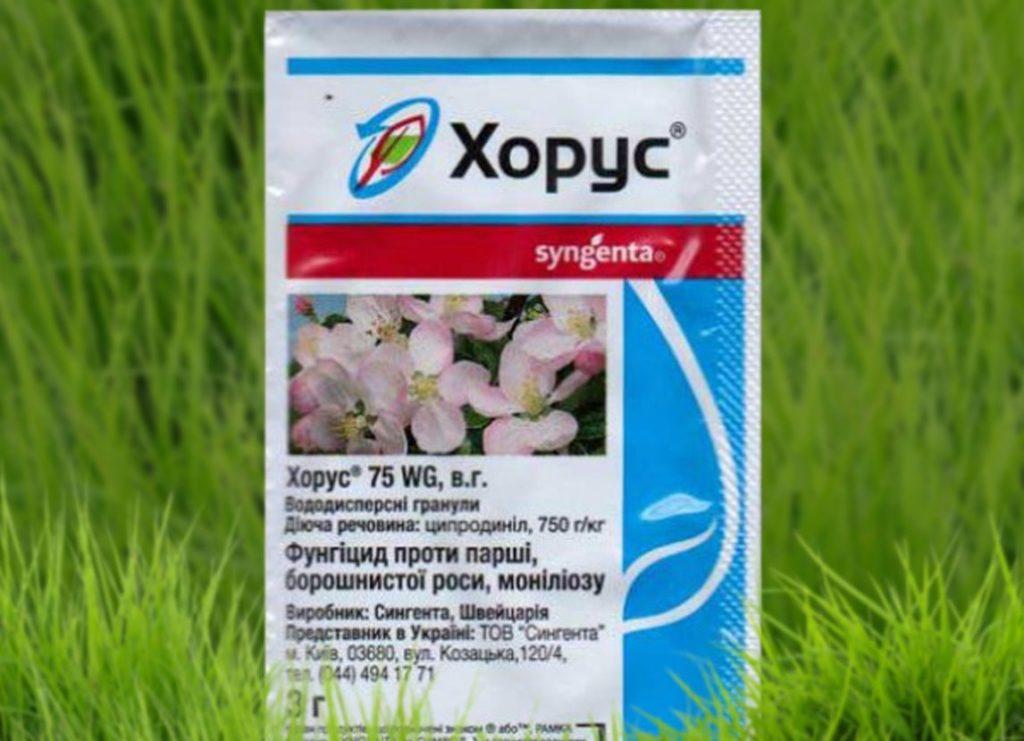
If the treatment is not completed within the specified timeframe, spray with Topsin-M after flowering has completed. Another treatment will be required after a one-week interval. Horus or Cupidon are also effective after flowering. It is worth remembering that chemical treatments must be completed before the cherry blossoms end.
Biological drugs
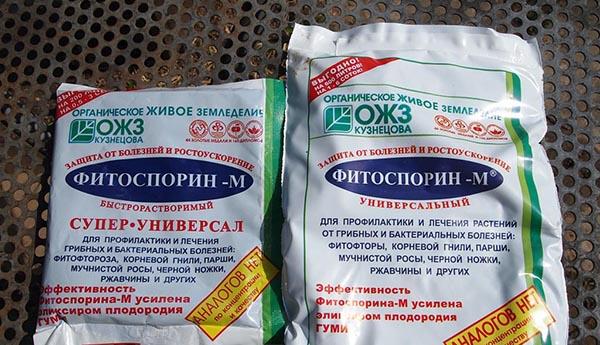
Treating cherry moniliosis with biological products takes longer than chemical treatments. However, they are safe for humans and the environment. The most effective and reliable of these products is Fitosporin-M. Dissolve 20 ml in 10 liters of water and spray the affected tree. Treatments begin at the beginning of flowering and continue until fruit set.
Another equally popular treatment, according to gardeners, is "Fitolavin." It is prepared similarly to "Fitosporin-M." The first treatment is carried out at the beginning of flowering, then after flowering, and the third during fruit set. For preventive purposes, spraying with this preparation is carried out at the beginning of fruit formation and during their growth..
Folk remedies
If you don't have readily available treatments and don't want to use chemicals on your property, you can combat moniliosis on your cherry tree with folk remedies. However, these are more focused on prevention than treatment.
In areas with acidic soil, liming is advisable. Not only slaked lime but also dolomite flour are used for this purpose.
Sprinkle 0.4 kg of lime over each square meter of the area. Another tried and true folk remedy is to add 40 drops of iodine to 10 liters of water. Spray when the cherries have reached the size of a pea. Repeat treatment will be necessary after three days. This procedure inhibits the spread of fungus.
Timing and rules for cherry orchard treatments
Cherry trees are treated for moniliosis primarily in the spring, but in certain cases, spraying is also required in the summer. In the fall, preventative treatments are primarily carried out to destroy the spores and mycelium of the ascomycete.
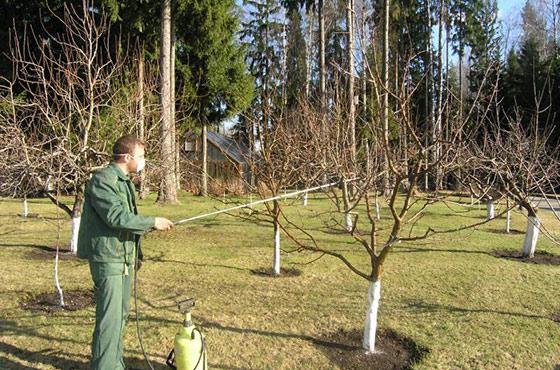
Avoid using chemicals on your garden during flowering and at least a month before harvest. Otherwise, it could harm the bees that pollinate the flowers and the people who will be eating the harvest. When working, you must strictly follow the instructions supplied with the product you are using.
Preventive measures
To prevent diseases from bothering gardeners and reducing yields, it's recommended to implement preventative measures in a timely manner. These include not only spraying and whitewashing, but also sanitary pruning and adherence to agricultural practices.
Seasonal treatments
After the leaves fall, the cherry tree trunk is whitewashed with a special paint. If it's impossible to obtain it, use a lime solution with antifungal agents added. Fallen leaves must be collected and burned, never turning them into compost.
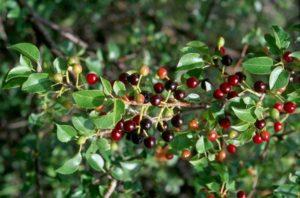
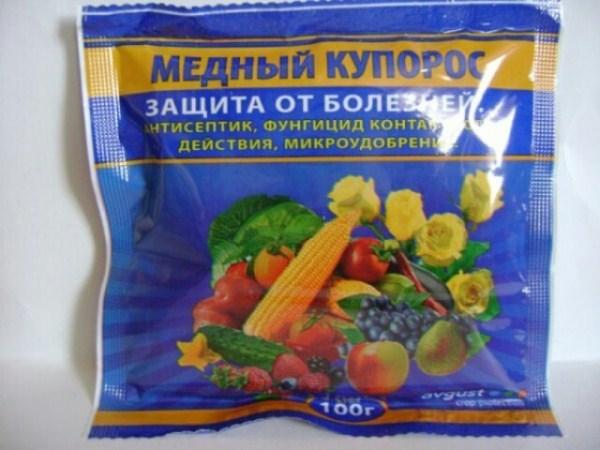
With the arrival of spring warmth, begin spraying the cherries with Bordeaux mixture and copper sulfate. If they already suffered from moniliosis last year, it's necessary to immediately resort to the specially designed products discussed above.
Compliance with agricultural practices
Basic rules of cherry cultivation can help prevent the development of dangerous diseases, including moniliosis. Experienced gardeners do not recommend planting trees near hawthorn and viburnum. It's also not recommended to plant seedlings too close together. They should be planted at a slight elevation to prevent root rot. Cherry trees should not be planted in areas with highly acidic soil.
Sanitary cuttings
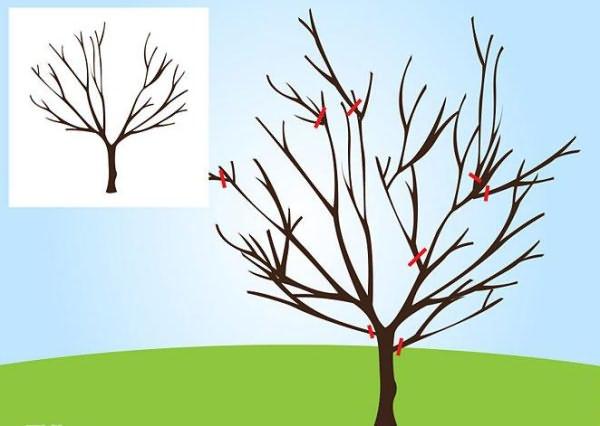
Sanitary pruning is usually done in the spring, but some gardeners do it in the fall. This involves removing all dead, broken, or diseased branches. It's also important to prevent the cherry tree's crown from becoming too dense, and promptly remove any shoots growing inward. The cut areas are treated with garden pitch.
Selecting varieties resistant to moniliosis
When choosing a cherry tree for your garden, it's best to choose varieties that exhibit increased resistance to moniliosis. These include:
- Chocolate Girl;
- Toy;
- Turgenevka;
- Bystrinka;
- Night;
- Novella;
- Minx.
These cherries not only exhibit good resistance to fungal diseases, but also have excellent commercial and taste qualities.
Related posts:
 Description and pollinators of the Vladimirskaya cherry variety, planting and care
 Description and cultivation of the best varieties of felt cherry, planting and care
 Description and varieties of cherry variety Shpanka, planting and care
 13 Best Cherry Jam Recipes for Winter
 Description and characteristics of the miracle cherry hybrid, planting and care of the variety
 Description and propagation of the Bessey cherry variety, planting and care rules
 The best recipes for homemade cherry jam with and without pits for the winter, storage
 Description of the 10 best black cherry varieties, planting and care in open ground