
- Causes and factors of disease development
- Bacterial infection
- Fungal infections of wood
- Infectious diseases
- Pear Fruit Diseases: Symptoms and Treatment
- Sooty mold
- Fruit rot or moniliosis
- Scab
- What diseases do leaves have: control and prevention
- Mosaic
- Brown spot or phyllostictosis
- Rust
- Powdery mildew
- Milky shine
- Septoria or white spot
- Bark and trunk diseases: protection and treatment measures
- Root cancer
- Black crayfish
- Fire blight
- Cytosporosis
- What pests parasitize trees?
- Pear sucker
- Sawfly
- Hawthorn butterfly
- Gall mite
- Garden prevention
- Selecting disease- and pest-resistant varieties
Today, numerous pear diseases are known to cause serious damage to the crop. They lead to a significant reduction in yield and can even cause the complete death of the plant. To combat these problems, it's important to promptly identify their causes. Then, it's crucial to select the right treatments. In some cases, the plant may need to be completely removed to prevent the disease from spreading.
Causes and factors of disease development
In most cases, fruit trees become diseased due to improper tree care. In such cases, it's important to weed the garden and loosen the soil regularly. After harvesting and pruning, it's recommended to burn plant debris.
Bacterial infection
These diseases are caused by bacterial microorganisms. They are transmitted from infected trees to healthy ones. This occurs especially often at moderate temperatures and high humidity. Old and young trees are affected equally often.
Fungal infections of wood
Diseases often develop in the summer. They are caused by fungal microorganisms. They most often spread during persistent heat and heavy rains. If action is not taken promptly, the entire garden will suffer.
Infectious diseases
Viral pathogens reproduce within cells. They can be very diverse and lead to cell death. Such infections are often chronic. The spread of these diseases is facilitated by insects, protozoa, and nematodes.
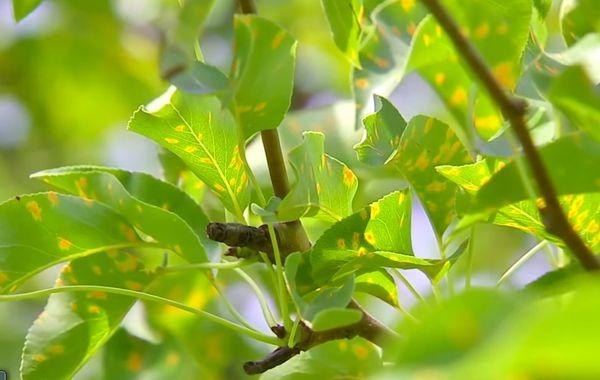
Pear Fruit Diseases: Symptoms and Treatment
There are many diseases that affect fruit, each with its own characteristics.
Sooty mold
This is a type of pear disease. A black, soot-like coating appears on the leaves and fruit. When signs of the disease appear, spray the crops with a special solution. To do this, mix 5 grams of copper sulfate and 150 grams of soap per 10 liters of water. Copper oxychloride or Bordeaux mixture can also be used.
Fruit rot or moniliosis
This disease is accompanied by fruit rotting. The infection actively spreads in the second half of summer. Initially, the fruit is covered with small brown spots. After some time, these enlarge and completely destroy the fruit.
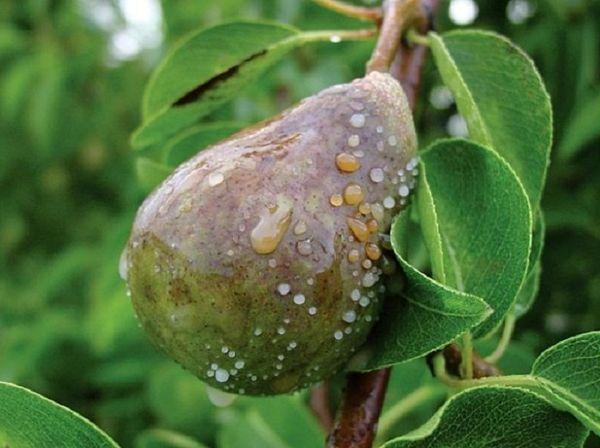
When pears are infected, they remain hanging on the branches, leading to the spread of infection. These fruits are uneatable. To stop the disease from progressing, the fruit should be collected and destroyed. Afterwards, the tree is treated with Bordeaux mixture or copper chloride.
Scab
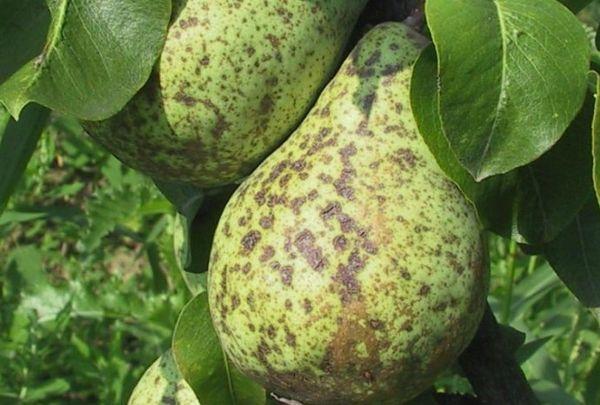
This disease is very dangerous. It affects not only the fruit but also the branches, leaves, and flowers of the plant. Without prompt treatment, the tree will die. Scab is promoted by prolonged and heavy rainfall and cool weather.
The leaves become covered with small spots. These gradually increase in size, reaching 2-3 centimeters. The risk of developing the disease increases when trees are planted close together.
When crops are heavily infested, the fruit becomes small. Scab also causes damage to fruit, which becomes covered with dark spots. The fruit becomes hard and cracks.
Take a look Also
To prevent the disease from developing, it's essential to collect fallen leaves in the fall. In spring, treat the plants with Bordeaux mixture. A 7% urea solution can also be used. The soil around the plant should also be treated.
What diseases do leaves have: control and prevention
There are also diseases that damage the tree's foliage, which poses a real danger to the plant.
Mosaic
Mosaic disease is a viral disease. It causes greenish and yellow spots to appear on the leaves. The spots quickly spread, causing problems with leaf nutrition, and weakening the pear tree. This negatively impacts the crop's yield.
To avoid virus infection, it's important to select the right planting material and provide the plant with proper care. There are no effective treatments for the disease. If mosaic symptoms appear, the tree should be removed and the soil disinfected.
Brown spot or phyllostictosis
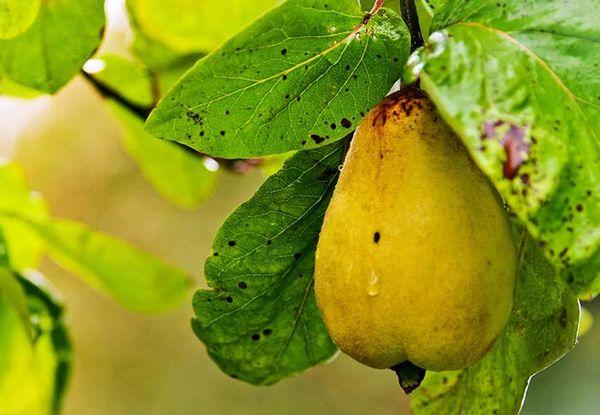
This disease typically develops in mid-July. It is triggered by high humidity. The leaves become covered in spots that merge with each other. Black dots can be seen in the center. These are fungal spores. Subsequently, the foliage dries out, the tree becomes weak, and its yield decreases.
To avoid problems, it's best to collect fallen leaves in the fall. It's also recommended to treat trees with a urea solution during this time. In the spring, spray with Bordeaux mixture.
Rust
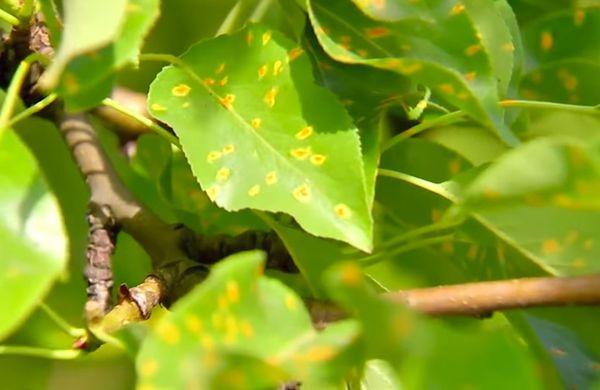
The disease is caused by pathogenic microscopic fungi. They infest the leaves and cause red spots. This causes the leaves to fall off. Furthermore, the disease weakens the tree.
To prevent the disease from spreading, juniper should be removed from the garden. This plant promotes the spread of infection. Damaged parts of the plant must be disposed of. Spraying the tree with sulfur and Bordeaux mixture is also important.
Powdery mildew
The disease affects leaves and young shoots. Sometimes, fruits and flowers are affected. Affected parts stop developing. Eventually, the leaves curl up and fall off. Shoots affected by the infection become stunted and twisted.
Warm weather and low humidity favor the spread of fungus. To combat the disease, the tree needs to be watered regularly, and affected parts must be promptly removed and disposed of. Chemical treatment is also recommended. A colloidal sulfur solution is considered one of the most effective.
Milky shine
The disease affects both young and old trees. The main cause is believed to be poor care. Adverse weather conditions, such as dry air, exposure to harsh sunlight, and sudden temperature fluctuations, are also contributing factors.
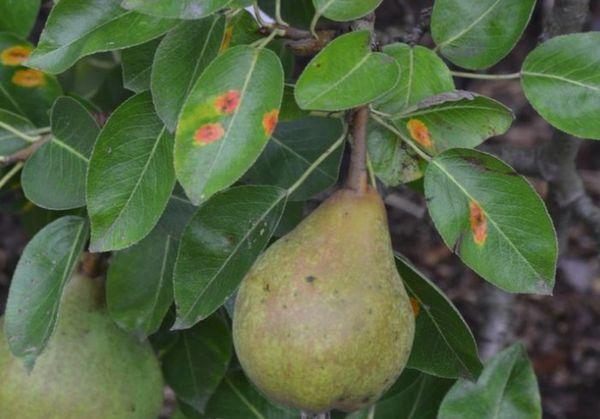
Affected leaves become covered with a milky coating and take on a pearly hue. To prevent the disease, provide the tree with proper care. It is also recommended to spray the plant with chemicals on a regular basis.
Septoria or white spot
As the disease progresses, leaves become covered with round spots. Initially, they are white or light green, then darken. The first symptoms of the disease appear as early as May. If treatment is not taken promptly, there is a risk of leaf drop and weakening of the plant.
To combat the problem, treat the crop with a Nitrafen solution in early spring. To do this, use 3 grams of the solution per 10 liters of water. A 1% Bordeaux mixture can also be used. In addition to chemical treatments, folk remedies can be used.
Bark and trunk diseases: protection and treatment measures
Quite often, diseases cause damage to the trunk or bark. Such damage can lead to the death of the plant.
Root cancer
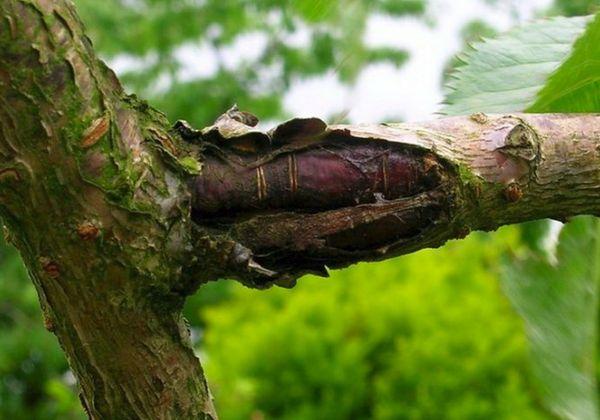
This is a bacterial infection that spreads to the site through infected planting material. It can persist in the soil for several years. A careful examination of the roots can help identify the problem. Suspected areas should be removed before planting and the roots treated with copper sulfate. The disease is quite difficult to cure.
Black crayfish
The disease causes damage to the bark, skeletal branches, leaves, and fruits. Initially, the affected areas become covered with small, spot-like wounds. These lesions then increase in size.
Black canker causes rot on fruit. As a result, the fruit shrinks and gradually mummifies. To avoid damage to fruit trees, preventative measures should be taken. Collecting and burning fallen leaves is recommended.
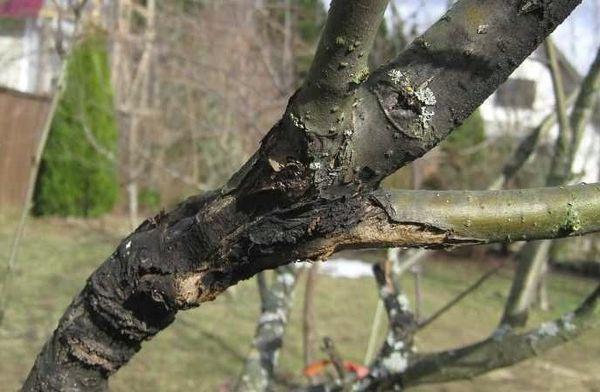
Damaged fragments should be removed with a sharp knife. It's important to include a couple of centimeters of healthy wood. It's recommended to treat the wounds with copper sulfate or a mixture of clay and mullein.
Fire blight
In this disease The pear tree's leaves are curling and turning blackAn infected tree requires comprehensive care. This involves pruning damaged shoots and treating healthy ones. This involves using 2-3 antibiotic tablets mixed with 1 liter of water.
Cytosporosis
This is an infectious disease that causes damage to the tree's bark. It most often affects weakened plants of various ages. The risk of developing the disease increases with sunburn or frost. Dry weather and improper plant care can also be the cause.
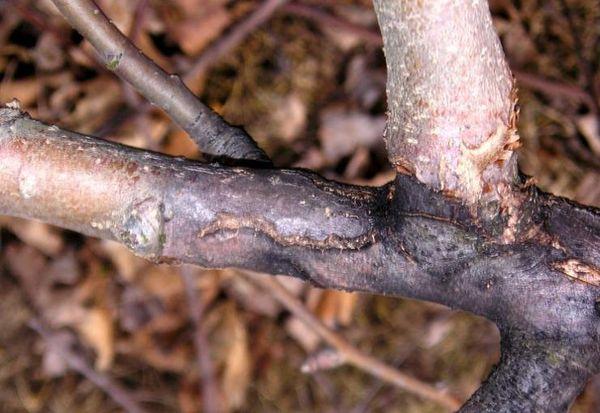
As the disease progresses, the bark changes its usual color, turning dark red. It then dies completely. In the initial stages of the disease, remove damaged sections with a sharp knife and treat them with garden pitch or copper sulfate. To prevent the disease, it is recommended to whitewash the trunks in the fall, avoid bark lesions, and promptly remove dead branches.
What pests parasitize trees?
There are many harmful insects that can cause serious damage to a young or mature pear tree.
Pear sucker
This pest causes serious damage to the tree. It absorbs all the cellular sap and synthesizes special substances that create the conditions for the development of sooty mold. The lack of cellular sap causes young buds, leaves, and inflorescences to fall off. The pests also cause fruit deformation and a deterioration in flavor.
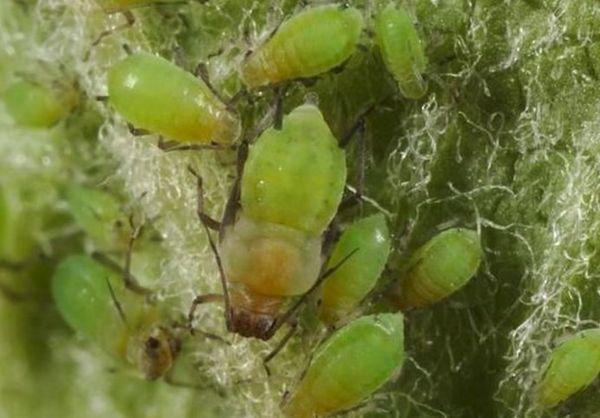
To control insects, treat the tree with Karbofos (Carbophos) in early spring. A repeat treatment is recommended after flowering. Agravertin and Iskra are used for this purpose. Folk remedies such as dandelion, chamomile, and yarrow infusions can help control larvae.
Sawfly
When the buds open, the pests enter and lay eggs. After hatching, the caterpillars quickly destroy the leaves.
To control pests, remove cocoons from the webs found on trees. It's also recommended to dig around the tree trunks. Spraying with insecticides is also essential. Aktara and Karate are suitable for this purpose.
Hawthorn butterfly
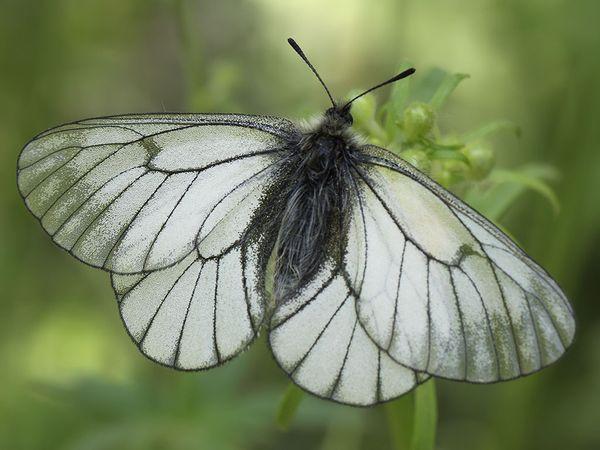
This insect is a large butterfly with white wings and black veins. The pest's larvae pose a major threat to pear trees. The caterpillars destroy foliage, flowers, and fruit buds.
To combat parasites, it's recommended to destroy their nests. These nests are leaf-shaped tubes covered in webbing.
Treating the wood and soil with insecticides is also important. Chlorophos is suitable for this purpose.
Gall mite
These small insects can cause significant damage to pear trees. They are spread by wind or other insects, causing entire colonies of parasites to accumulate on the leaves. Their presence can be detected by swollen leaves.
To prevent problems, collect and burn fallen leaves. If mites are detected, it is recommended to treat the tree with sulfur or phosphate solutions. The insecticide Vertimec is excellent for this purpose.
Garden prevention
Preventing the development of diseases is quite difficult. However, most ailments can be prevented. To do so, it is recommended to adhere to the following preventative measures:
- select healthy seedlings for planting;
- remove leaves and fallen fruits in a timely manner;
- treat instruments after working with infected cultures;
- loosen the soil well;
- systematically thin out the crown, remove weak, dried and diseased branches;
- clean and whiten the trunks;
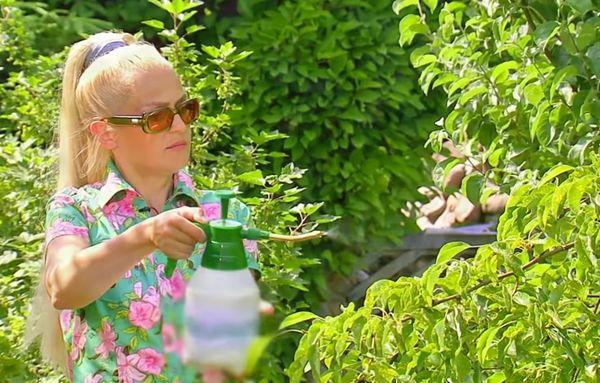
- spray the plants with Bordeaux mixture - this is done in spring and autumn;
- fight pests that become active in the summer – this most often occurs in July.
Selecting disease- and pest-resistant varieties
Choosing the right variety will help prevent disease in your garden. The following pear varieties are suitable for growing in the Moscow region and other regions of Russia:
- August Dew. This variety produces green fruit with a slight blush. The plant is frost-resistant and virtually immune to the diseases that often plague pears.
- Fragrant. This tree is characterized by green fruits with a red blush. This variety is considered moderately winter-hardy and produces a bountiful harvest. The plant is resistant to bacterial canker and has moderate resistance to scab.
- Kudesnitsa. This vigorous tree produces greenish fruit. This variety is highly productive, frost-tolerant, and resistant to most diseases.
- In Memory of Yakovlev. This is a low-growing variety that produces light yellow fruits. The plant is considered winter-hardy and high-yielding. It is characterized by high disease resistance.
- Severyanka. This cultivar is considered medium-sized. It is distinguished by yellow fruits covered with greenish spots. The plant easily survives winter and produces a bountiful harvest. It is virtually immune to pear diseases.
- Tikhonovka. This medium-sized plant produces small, green fruits. The variety is considered very easy to grow. It is resistant to most diseases and produces an excellent harvest.
- Chizhovskaya. This medium-sized cultivar produces yellow fruit with a blush. It is highly resistant to frost and most diseases that affect pears.
Today, a large number of pear diseases are known. They cause reduced yield, leaf drop, and the spread of infections throughout the garden.
To address the disorder, it's first necessary to determine its underlying causes. Then, an effective chemical treatment can be selected. Alternatively, folk remedies are recommended.
Related posts:
 Methods for planting and propagating cherries at home
 The best grape varieties for growing in the Urals, planting and care rules in summer
 Growing and caring for hazelnuts in open ground, rules for planting hazelnuts
 Conditions for growing mandarin at home and rules for caring for the tree
 Signs of disease and pest attacks on strawberries, treatment methods
 Description and cultivation of the 15 best cherry plum varieties for the Moscow region, planting and care rules
 Peach tree care and agricultural secrets, pest control
 Descriptions of the 20 best cherry varieties for the Moscow region, their planting and care