
- Characteristics of the climate zone
- Criteria for choosing a variety
- The best summer varieties
- Chizhevskaya
- Cathedral
- August dew
- Beauty
- Lada
- Autumn pear varieties for the Moscow region
- Fairytale
- Yakovlev's favorite
- Hera
- Smartly dressed Efimova
- Red-sided
- Muscovite
- Late-ripening crops
- Belarusian late
- Nika
- Novella
- Extravaganza
- Wonderworker
- Self-fertile varieties
- Columnar and dwarf varieties
- Immune varieties
- Sweet pears
- Newly bred varieties
- Peculiarities of planting and growing pears
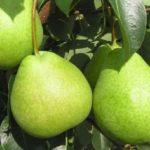
The pear's flavor, combined with its medicinal properties, earns it the title of queen of fruits. Gardeners want the best variety that will thrive in any climate and produce abundant fruit. The wide variety of pears available in the Moscow region allows you to choose a self-fertile, low-growing pear that will thrive in your garden and produce a high-quality, abundant harvest.
Characteristics of the climate zone
The Moscow region enjoys a temperate continental climate, characterized by wide annual temperature variations, significant daily temperature fluctuations, and uneven precipitation distribution. Frosty winters, extremely hot summers, and recurrent frosts in late spring make growing pears challenging, as buds form the previous summer and are highly susceptible to freezing during the winter.
Therefore, owners of garden plots or summer cottages should take into account that frost-resistant, early-ripening, self-fertile varieties and hybrids that are resilient to sudden temperature fluctuations and weather conditions will thrive and develop in such conditions.
Criteria for choosing a variety
When growing pear trees in the Moscow region, it's important to choose the right variety, as not all fruit crops thrive in these climates. Through selective breeding, many varieties suitable for the Moscow region have been developed. When choosing, it's best to consider the following criteria:
- pear ripening period (summer, autumn, winter);
- yield, quality of fruit taste;
- drought resistance;
- self-fertility;
- early fruit bearing;
- immunity to diseases.
It is important to plant only winter-hardy varieties, since trees that do not have this characteristic will not grow and develop in this area.
The best summer varieties
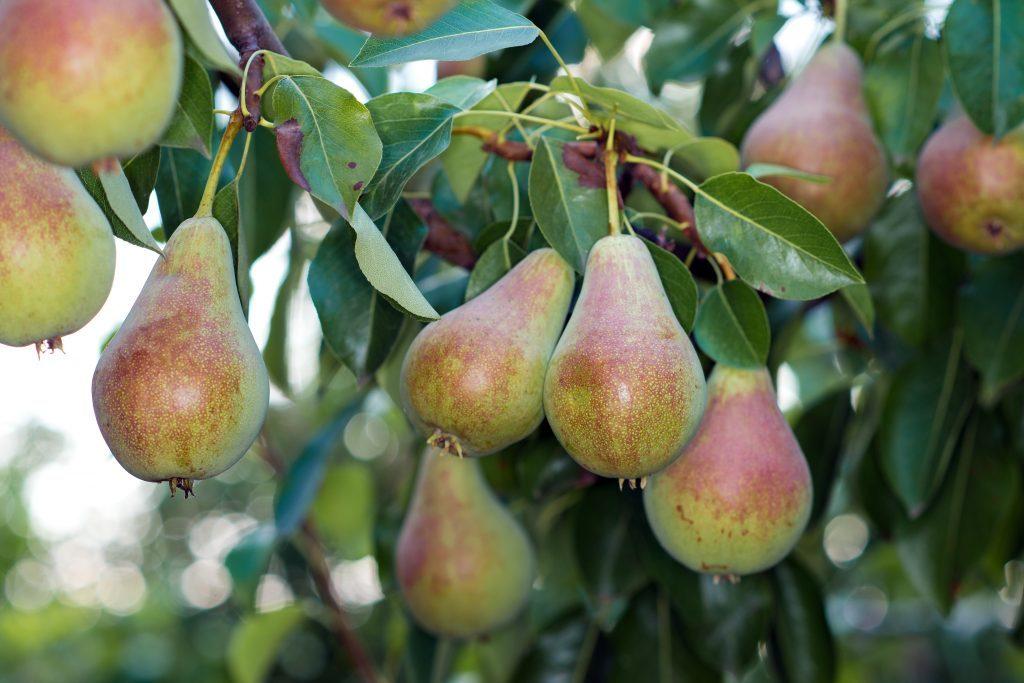
Thanks to the inherent complex of valuable biological traits and positive characteristics, this group of summer, early-ripening varieties continues to gain increasing popularity. Harvesting can begin as early as the end of July. A drawback of these self-fertile trees is the short shelf life of the fruit, so they should be consumed immediately fresh or preserved for the winter.
The following summer varieties are suitable for the Moscow region.
Chizhevskaya
A tree with a pyramidal crown. The elongated, oval foliage is rich green. The variety produces fruits of a classic pear shape, medium in size and weighing up to 140 g. The skin is thin, matte, and yellow-green in color.Due to its delicate aroma and sweet and sour taste of the pulp, Chizhevskaya is in particular demand..
Cathedral
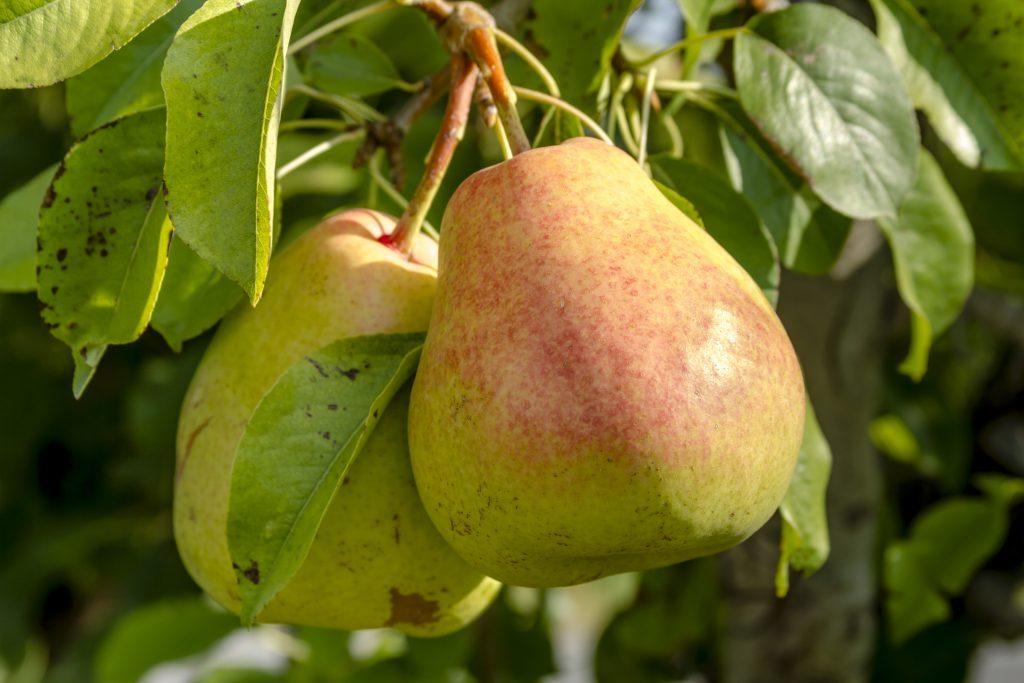
This medium-sized tree forms a conical crown. Straight branches are covered in gray bark. The plant is adorned with oval, light-green leaves with slightly pointed tips. The fruits weigh 110-130 g, which is average. The skin has a glossy sheen, is smooth and tender. When ripe, the fruits turn light yellow. The flesh has a tart flavor and a piquant aroma.
August dew
A beautiful tree reaching 3 m in height. The crown is medium-dense and slightly drooping. The foliage is elongated, dark green, and serrated along the edges. The fruits weigh up to 150 g and are greenish-yellow when ripe. The skin is smooth and dull. The flesh has a balanced, soft, fruity flavor and is not astringent.
Beauty
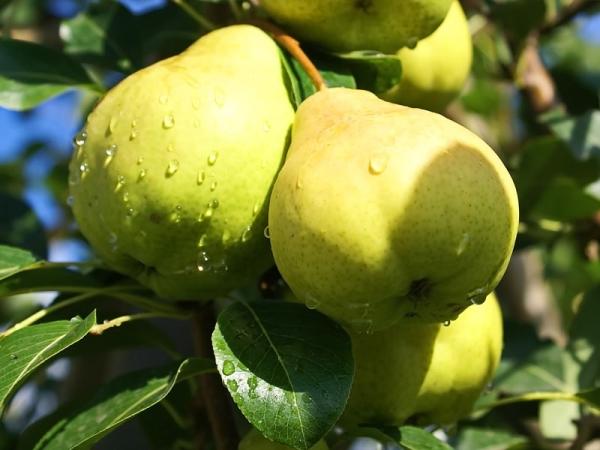
The trees are medium-sized, reaching up to 4 m in height. The crown is round, slightly spreading. The leaves are wide with finely serrated edges. The fruits are flattened-round, green-yellow in color, weighing up to 120 g. The skin is tender, smooth, and oily. The creamy flesh is tender and slightly crumbly. The flavor is harmonious, with a tonic acidity and fruity aroma.
Lada
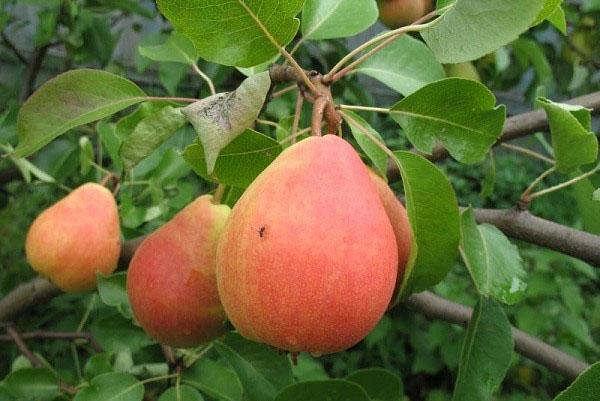
A fruit tree up to 2.5 m tall with a medium-density crown. The shoots are moderately thick, slightly curved, and brown. The leaves are dark green and small. The fruits weigh 100-110 g and are obovate. The surface is smooth, shiny, and yellow with a pinkish tint. The flesh is grainy, white-yellow, and has a sweet-tart flavor.
Autumn pear varieties for the Moscow region
Unlike summer varieties, autumn crops produce a late harvest, reaching maturity in late September. These trees are characterized by high productivity and excellent flavor.
Fairytale
A tall tree with a dense, narrow pyramidal crown. The upright shoots are dark red. The leaves are small, oblong, and green. The fruits weigh 180 to 250 g and are yellow-green in color. The white flesh is juicy, tender, has a pleasant sweet flavor, and a subtle aroma.
Yakovlev's favorite
A vigorous cultivar with a broadly pyramidal crown. This variety produces dark brown shoots and medium-sized, dark green leaves. The classic-shaped fruits weigh 130-140 g and are yellow with a greenish tint. The milky-creamy flesh is medium-dense, juicy, and sweet.
Hera
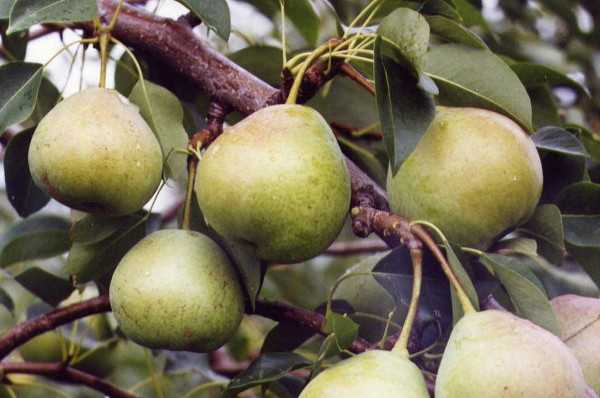
The plant is medium-height, with a narrow pyramidal crown. This variety features straight, brown shoots and dark green foliage. Large fruits, weighing 180 to 250 grams, are green with a red tint. The refreshing, creamy flesh is characterized by its buttery texture and unforgettable sweet and sour flavor.
Smartly dressed Efimova
The tree grows up to 4-5 meters in height. Its pyramidal crown is striking, with a medium density. The shoots are straight and dark brown. The large, oval leaves boast a dark green color. Thanks to its green-yellow fruits weighing up to 150 grams and creamy flesh, which is dense and has a sweet-tart flavor, this variety has become popular.
Red-sided
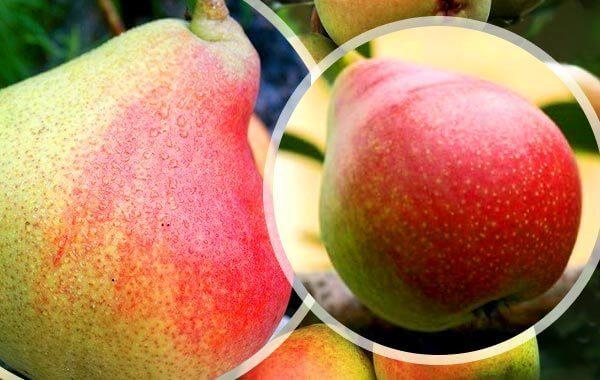
This cultivar can grow up to 4 m tall and is distinguished by its sparse, round crown. The plant has thick, straight, brown shoots. The leaves are large, wide, and green. The 130 g fruits are greenish-yellow in color with a beautiful raspberry blush on the skin. The flesh is juicy and has excellent flavor.
Muscovite
The plant is characterized by medium growth and a cone-shaped crown. It forms strong, spreading branches and small, oval-shaped, green foliage. The fruit skin is yellow with a green tint and no blush. Each fruit weighs 130 g. The flesh is white and has a flavor that harmoniously balances sweetness and tartness.

Late-ripening crops
A characteristic feature of this category of varieties is their long shelf life; the fruits from winter-hardy trees can be harvested in late autumn. They are not eaten immediately—the winter pear's flavor develops as it gradually ripens.
Belarusian late
This tree has a rounded, dense crown. Seedlings of this variety are distinguished by their resilient branches and light green foliage. The fruits, weighing up to 120 g, are orange-yellow in color. The pulp is popular for its tenderness, buttery texture, and sweet, pleasantly tart flavor.
Nika
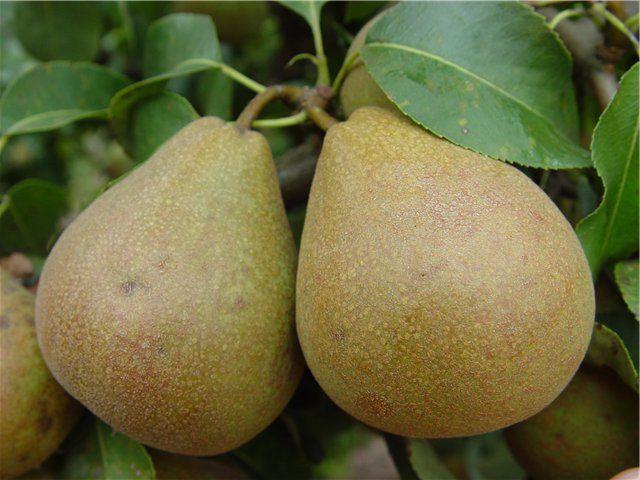
A cultivar with a rounded crown and sparsely fused skeletal branches. The shoots are smooth and brown. The leaves are oval and green. This variety produces large, conical fruits, yellow with a brownish tint. Fruits weigh up to 200 g. The skin is smooth and oily. The flesh is moderately dense, slightly oily, and milky-creamy. The flavor combines sweetness and acidity.
Novella
The plant, up to 4 m tall, has straight, brown-brown shoots. The foliage is obovate and dark green. The fruits weigh up to 170 g. When fully ripe, the pears are yellow with a red blush. The white flesh is prized for its juiciness and sweet-tart flavor.
Extravaganza
The tree grows up to 2 m tall, with a drooping, pyramidal crown. The shoots are thick and brownish. The foliage is medium-sized, cylindrical-conical, and emerald green. The pears are elongated, classically shaped, weighing from 125 to 210 g. The skin is smooth and oily, imperceptible when eaten. When ripe, the pears acquire an emerald-amber color. The flavor is sweet with a subtle fruity aroma.
Wonderworker
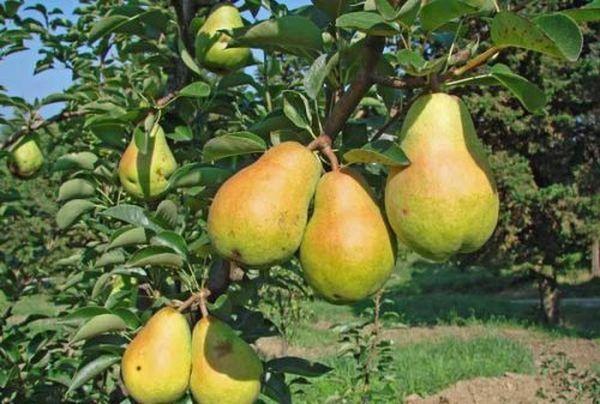
The tree can grow up to 3 meters in height, forming a pyramidal crown. The plant boasts straight shoots and green, pointed foliage. The fruits are cone-shaped, green-yellow with a red tint. Their weight varies from 125 to 200 grams. The variety is prized for its creamy flesh, which is juicy and has a sweet, refreshingly tart flavor without astringency.
Self-fertile varieties
The pear is a self-sterile plant, requiring a pollinator. However, breeders boast self-pollinating varieties and hybrids, including:
- Lada;
- August dew;
- Muscovite;
- Red-sided.
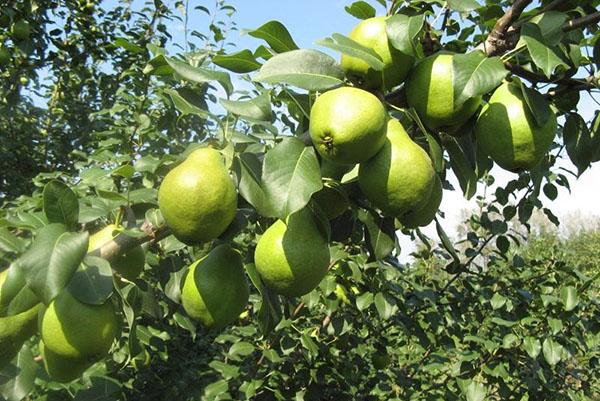
If you plant these varieties in the Moscow region, you can get a rich harvest of sweet pears.
Columnar and dwarf varieties
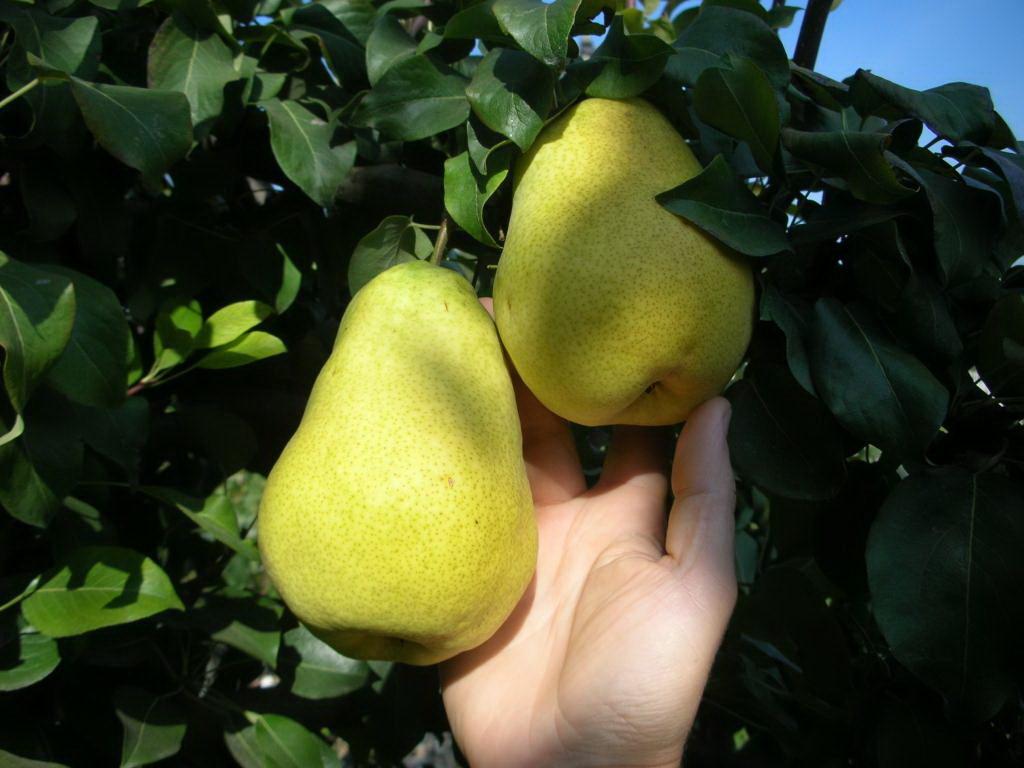
Columnar pears are very popular due to their low growth habit, compact crown, and early fruiting. Even their lower yields, compared to classic varieties, aren't a reason to avoid buying dwarf pears. Varieties such as the following are increasingly common in Moscow region orchards:
- Decor;
- Carmen;
- Honey.
When planting, it is important to keep in mind that the lifespan of columnar pears is much shorter than that of classic pears; they quickly age and stop bearing fruit.

Immune varieties
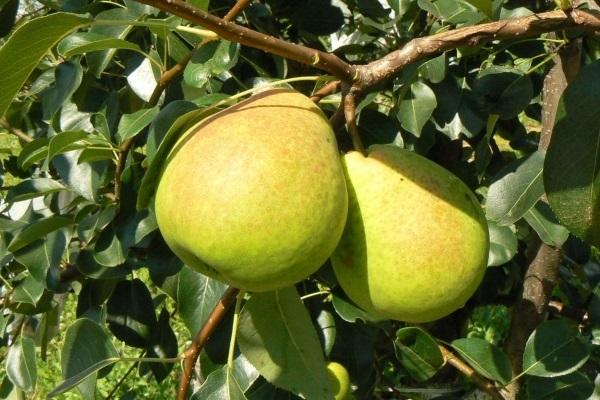
Breeders strive to improve pear characteristics when developing new varieties. As a result, the crop develops immunity, increasing disease resistance and demonstrating resistance to rust.
Among these varieties:
- Fragrant;
- Sorceress;
- August dew.
These pears, which are resistant to the Moscow region climate, are in particular demand.
Sweet pears
Sweet varieties top the pear rankings for their balanced, enticing flavor. These trees are quite feasible to grow in gardens in the Moscow region. The most delicious varieties include:
- Autumn sweet;
- Buttery sweet;
- Prominent.
The fruits of these trees serve as both a delicious dessert and a source of valuable vitamins.
Newly bred varieties
Thanks to selective breeding of pear varieties with improved characteristics, modern varieties of the crop have emerged, such as:
- Faithful;
- Thumbelina.
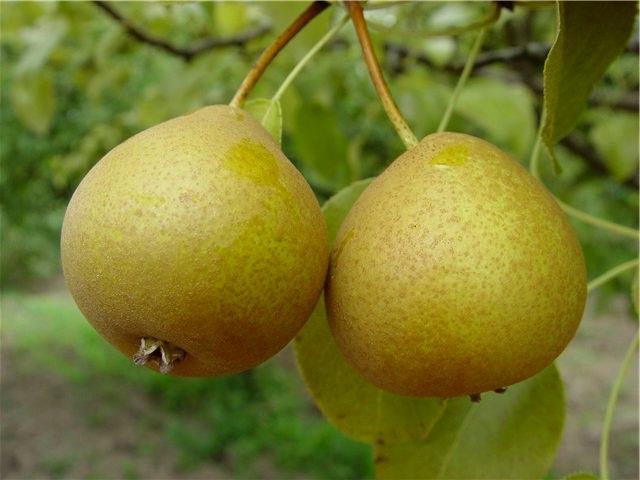
These trees are suitable for cultivation in the Moscow region.
Peculiarities of planting and growing pears
The best time to plant pears is spring and fall. When choosing a site, choose a sunny spot away from strong winds. They grow best in nutrient-rich clay and loam soil.
Landing algorithm:
- Dig a hole large enough so that the roots of the seedlings fit freely into the planting hole without bending or kinking.
- Place a drainage layer at the bottom of the hole, and add nutritious soil with organic matter on top of it.
- Form a raised area in the center and install a peg for support.
- Place the seedlings in the hole so that the root collar is 5 cm above the ground level.
- Sprinkle with soil, compact it, and water.
- Mulch with wood sawdust and straw.
- Tie the trees to the support.
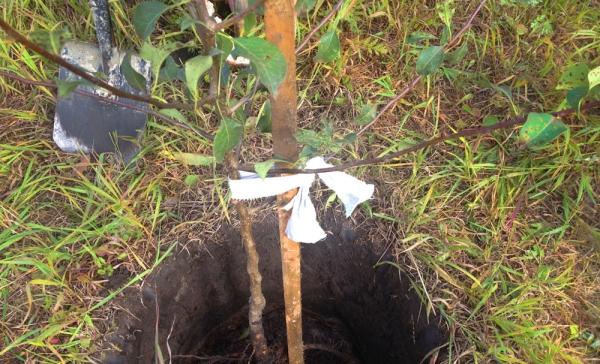
When growing pears to obtain an excellent harvest, the trees should be cared for, which includes the following agricultural practices:
- maintaining constant and uniform soil moisture;
- mulching the soil around the trunk;
- providing the plant with nutrients;
- implementation of timely and correct spring and autumn pruning;
- treatment of trees against diseases and pests before bud swelling, before flowering and after using special means;
- Preparing for winter by mulching the tree trunk circle and insulating the trunk to protect the plant from frost.
Caring for these pear trees is not difficult and is within the power of any gardener who wants to grow them.
Related posts:
 Description and full characteristics of the Yakovlev Memory pear variety, planting and care
 Description and characteristics of the 45 best pear varieties, how to choose
 27 Best Homemade Pear Jam Recipes for the Winter
 Description of the 23 best pear varieties for the middle zone, planting and care rules
 Treatment of bacterial blight of pear with antibiotics: causes and symptoms
 The best ways to store pears at home during the winter
 Description of the Belorusskaya Pozdnyaya pear variety, pollinators and cultivation details
 Description and full characteristics of the August Dew pear variety, planting and care