
- What you should know
- Pear varieties for long-term storage
- Autumn varieties
- Autumn-winter varieties
- Winter varieties
- Optimum temperature for long-term storage of fruit
- Factors Affecting Timing
- Diseases of pears during storage
- What crops are pears allowed to be stored with?
- Apples
- Grape
- How to store pears so they ripen
- Rules for collecting and preparing pears for storage
- What containers to use
- Methods, rules and terms for preserving fruits
- At home
- In the refrigerator
- In the freezer
- In the basement and cellar
- On the balcony
- On the site
- What to do if fruit starts to spoil
- Conclusion
Not all gardeners know how to properly store pears after harvesting, as this juicy fruit is quite finicky. This is due to the structure of the flesh, which becomes loose under improper storage conditions. Ripe fruits should be stored in cool places: cellars, basements, or refrigerators. However, sometimes even in cool temperatures, pears begin to spoil and rot. This is due to failure to follow basic storage rules, which are important to learn before harvesting ripe fruit.
What you should know
By carefully studying the nuances of properly storing ripe fruit, you can significantly extend the shelf life of the fruit and achieve maximum ripeness of the harvest.
Pear varieties for long-term storage
Only a few varieties of the crop can be preserved for extended periods over winter. Experts identify the most suitable groups.
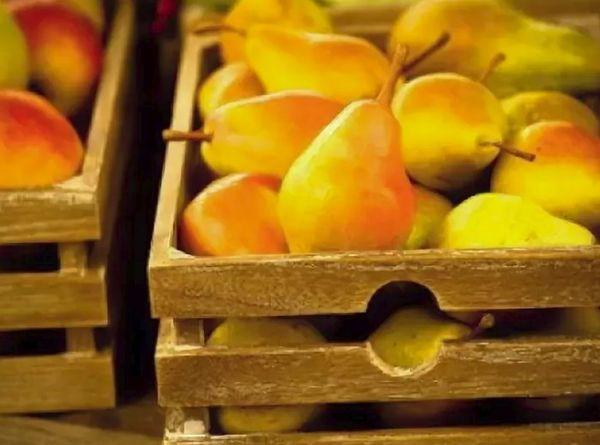
Autumn varieties
The most famous varieties of pears autumn ripening period:
- Marble. This cultivar is common in the temperate zone. The fruits are large, have a thick skin that prevents rotting, a delicate flavor, and sweet, granular flesh. The tree thrives even in low temperatures.
- Yakovlev's Favorite. The fruits of this variety are juicy and fleshy, allowing them to be harvested even at the technical ripeness stage. The pears have a sweet and sour flavor. Due to their rich fruit acid content, the fruit has a long shelf life.
This group of varieties ripens in early to mid-autumn. During this period, the harvest is collected and prepared for storage.
Autumn-winter varieties
These include varieties whose ripening period begins in the second half of autumn:
- Bere Bosk. This variety tolerates high humidity and cold climates well, so harvesting can take place even after the first frost. The fruits have increased resistance to various diseases.
- Efimova's Elegant. This variety can be stored over winter only if the fruit is harvested at the technically ripe stage. Otherwise, the fruit becomes watery and soon rots.
Autumn-winter ripening varieties are characterized by excellent taste and a tart flavor.
Winter varieties
Winter-ripening pears are also divided into three subspecies based on storage time: early winter, winter, and late winter. These fruits were bred specifically for winter storage and are therefore characterized by a high level of frost resistance.
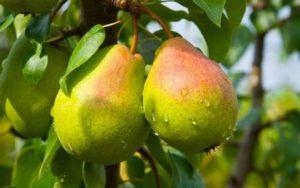
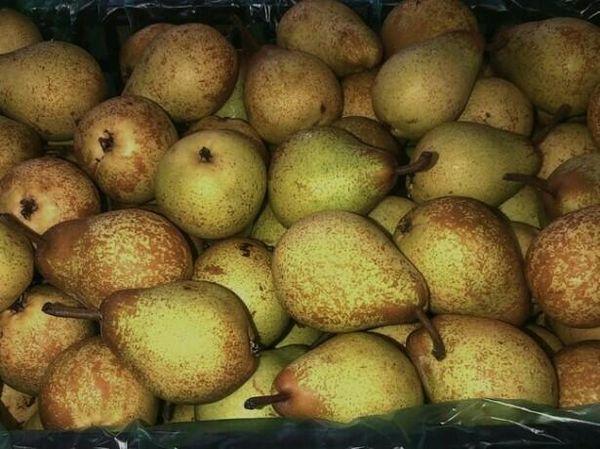
The main varieties are:
- Pervomayskaya. Its fruits are covered with a waxy coating, which protects the pears from freezing, pests, and diseases, and also extends the shelf life of ripe fruits up to 7 months.
- Charles Cogne. This variety easily tolerates temperatures down to -10 OIt has a sweet taste with a hint of chocolate.
Optimum temperature for long-term storage of fruit
When storing fruits in the right conditions, the average temperature is +1 - +3 OC, and the humidity level should be 85-90%. The room itself should be provided with constant or regular ventilation. Sudden temperature fluctuations are undesirable, as they can cause fruit rot.
Factors Affecting Timing
The shelf life of pears is influenced by the following factors: fruit variety, harvest time, degree of ripeness, compliance with a number of conditions in the room: temperature, air humidity, ventilationUnlike other fruits, pears are more difficult to store due to the unique consistency of their flesh, which begins to darken over time. If not stored properly, the fruit becomes completely tasteless or even spoils completely.
Diseases of pears during storage
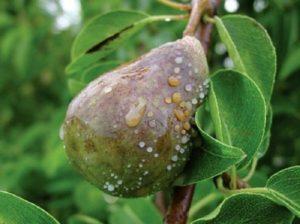
If the crop is not harvested on time and stored in improper conditions, all sorts of pear diseases can develop. Infections often begin in the field and manifest themselves during storage.
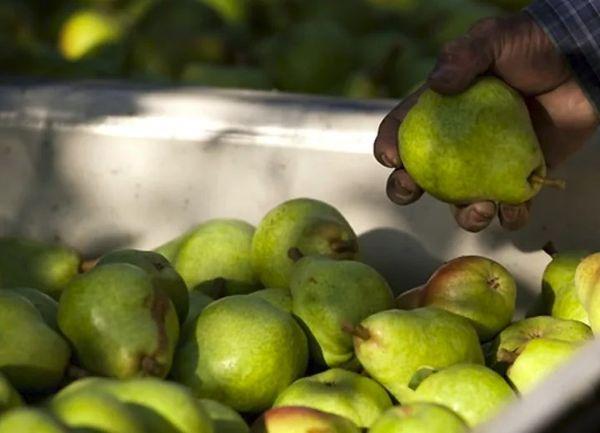
Diseases can be of both bacteriological (rot) and physiological nature (sunburn, wet burn, browning of the core).
It is extremely important to regularly monitor the safety of the harvest: the first check is after 10-15 days, and subsequent checks are once a month.
Damaged specimens must be disposed of.
What crops are pears allowed to be stored with?
Pears contain high levels of ethylene, a gas that accelerates ripening. This can cause premature spoilage of nearby foods. Therefore, it's important to follow food compatibility guidelines.
It is not recommended to store pears together with potatoes, as the fruit can accelerate the sprouting of the tubers. Moreover, the fruits themselves tend to absorb the flavor of starch. They should not be stored near cabbage, celery, and carrots. However, plums, apples, and peaches are good neighbors.
Apples
Pears and apples can be stored together, but it's important to regularly inspect the fruit, removing any spoiled or discolored ones. If condensation forms on the walls of the container where the fruit is stored, remove it with a cheesecloth.
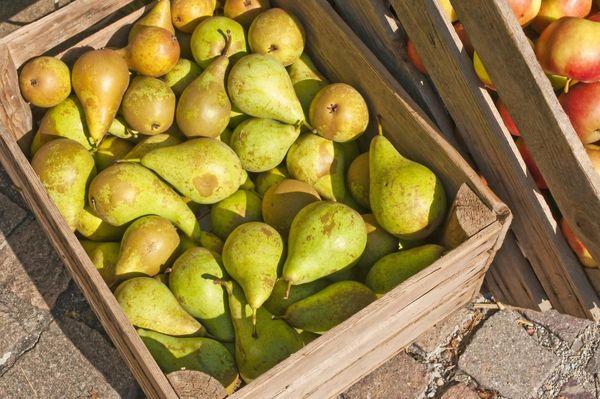
Grape
You can also store grapes in the refrigerator with pears, but it's recommended to separate the fruit into paper bags. This combination should be maintained for no more than 1-2 weeks.
How to store pears so they ripen
The fruits are harvested for further ripening at the stage of technical maturity, when the greenish tint on their surface gradually gives way to a light blush.
If the pears are in the early stages of ripening, you need to do the following:
- Place the fruits in a room with a temperature of 18 to 20 OWITH.
- Let them sit for 1 to 5 days, depending on how quickly they ripen.
- Monitor the condition of the fruits twice a day.
- Move ripe specimens to a cool place where the temperature does not exceed 5 OWITH.
There are several methods to speed up the ripening of pears:
- Let unripe specimens sit in a cool place: this will allow them to ripen much faster at room temperature. The best place is the refrigerator: leave the fruit there for 24 hours, then proceed as described above.
- Unripe pears should be packaged with apples, bananas, or any other fruits with a similar composition. Bananas and apples can release ethylene, a catalyst that significantly accelerates ripening.
Rules for collecting and preparing pears for storage
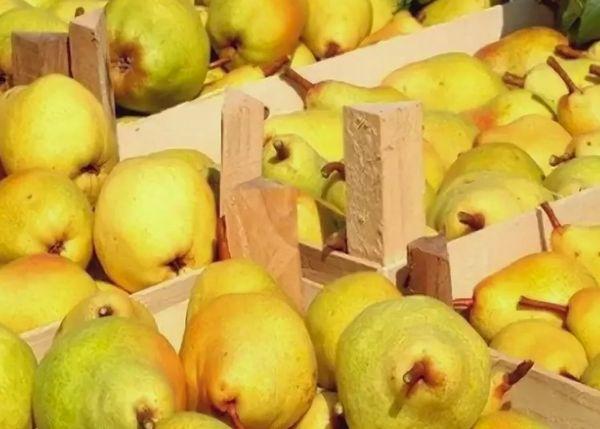
There are several key harvesting principles that will help extend the shelf life of fruits over the winter:
- It is best to pick the fruits slightly unripe, as they usually ripen faster after picking.
- Pears must be picked together with the stalk.
- Avoid dents, scratches and other physical damage to the surface.
- The best time to harvest fruit from a tree is during dry weather. Fruit harvested during cold periods does not store well.
Before storing the fruit, it should be sorted by variety. Each specimen should be carefully inspected for diseases, as one affected specimen can ruin the entire harvest.
What containers to use
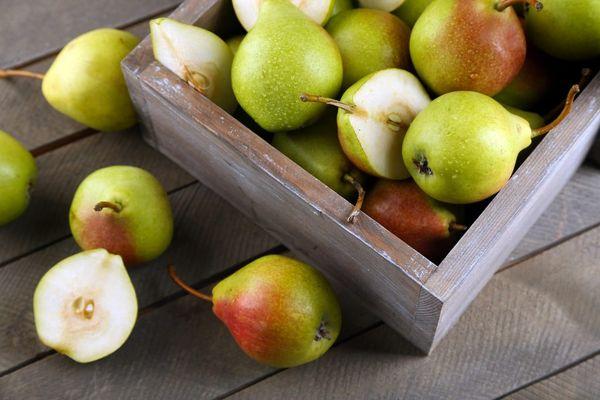
The best container for storing pears is a clean, pre-fumigated wooden box.Avoid using plastic containers or wicker baskets, as they can cause pears to spoil quickly. If the room is cool and dark, with good ventilation, you can use shelving.
It's important to remember that even in winter, the fruit needs access to fresh air. If there are no cracks or holes in the box, you'll need to create them yourself.
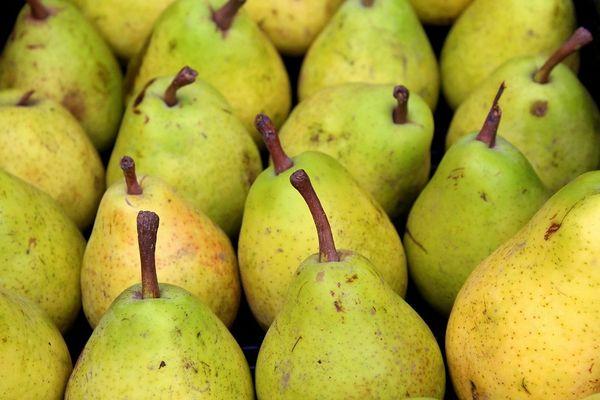
Line the bottom and sides of the container with paper. The fruits should be spaced so that they are spaced apart and the stems point upward. If space is limited, arrange the fruit in two layers, separated by paper or sawdust. It is highly undesirable to place different varieties in the same container.
Methods, rules and terms for preserving fruits
There are several popular methods for preserving fruit, which help ensure pears retain their fresh appearance all winter. The most common methods are listed below.
At home
In an apartment, storing pears is possible in a pantry. A crate is best for storage. The correct orientation is with the stems facing up. Sand or dry oak leaves can be used for mixing.
In the refrigerator
In a sufficiently large refrigerator, the fruit can be stored throughout the winter. For packaging, use plastic bags (up to 2 kg each). Poke small holes in hermetically sealed bags. Pears should be stored at an optimal temperature of 3-4°C. OWITH.
In the freezer
For freezing, the fruits are divided into several sections depending on size. For the first few hours, the fruits are frozen at -30°C. ABOUTC, and then set the temperature to -18 OC. The shelf life of frozen pears is 5-12 months.
In the basement and cellar
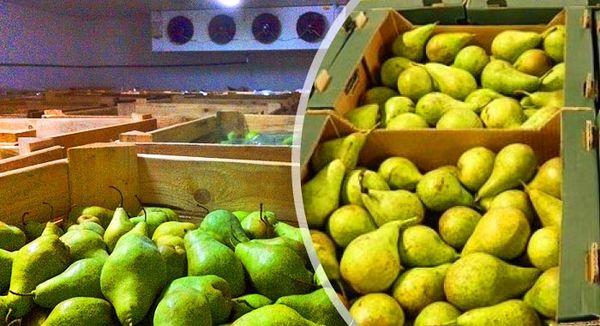
Pears can be stored in a basement or cellar on racks or shelves located at least 20 cm above ground level. To preserve the fruit longer over the winter, each specimen should be wrapped in soft paper; papyrus paper is best.
On the balcony
This storage option is a good solution if you don't have a cellar. It's important to arrange the pears correctly in the boxes—shanks up—and regularly check the temperature to ensure it doesn't drop below freezing. Poke holes in the containers to allow air to pass through.
On the site
With the onset of autumn cold, the pears are packaged in 1.5 kg bags and tied with strong rope, the ends of which are attached to a prepared stake. After packaging, they are buried in the ground to a depth of 20-30 cm. The stakes are used to mark the storage locations of the fruit.
The soil on top is covered with spruce or juniper branches: this will prevent rodent attacks.
What to do if fruit starts to spoil
Sometimes even following the rules doesn't save the fruit from spoilage. In these cases, processing can help preserve the harvest: pears are used to make preserves, jams, or compotes. The remaining fruit can also be dried.
Don't try to "cure" the fruit with chemical treatments: spoiled specimens must be immediately removed from the rest to prevent the entire crop from rotting.
Conclusion
Despite their unique structure, pears are easy to store at home during the winter. If you follow the proper harvesting and storage procedures, you can ensure a constant supply of juicy fruit on your table throughout the winter.
Related posts:
 Description and full characteristics of the Yakovlev Memory pear variety, planting and care
 Treatment of bacterial blight of pear with antibiotics: causes and symptoms
 Description of the 23 best pear varieties for the middle zone, planting and care rules
 27 Best Homemade Pear Jam Recipes for the Winter
 Description of the Belorusskaya Pozdnyaya pear variety, pollinators and cultivation details
 Description and full characteristics of the August Dew pear variety, planting and care
 Description of the Cathedral pear variety, planting and care features
 Description and characteristics of the 45 best pear varieties, how to choose