
- Selection and cultivation regions
- Advantages and disadvantages of the columnar pear Honey
- Description and characteristics
- Size and annual growth of the tree
- Lifespan
- All about fruiting
- Flowering and pollinators
- Ripening time and harvest
- Tasting evaluation and scope of application of pears
- Susceptibility to diseases and insect pests
- Resistance to low temperatures and drought
- How to plant a crop on a plot
- Selecting and preparing a landing site
- Dimensions and depth of the planting hole
- How to prepare a Honey Pear seedling
- Timing and technology of planting operations
- How to care for fruit crops
- Frequency of watering and hole care
- Top dressing
- Whitewash
- Crown formation
- Seasonal treatments
- Shelter during the winter period
- Methods of reproduction
- Gardeners' reviews of the variety
The Medovaya pear is a late-autumn crop characterized by the sweetness of its fruit. The tree is low-growing, reaching a height of 2-2.5 meters. It begins to bear fruit 3-5 years after planting. Gardeners worldwide favor this variety for its low maintenance, compact size, abundant yield, and delicious fruit.
Selection and cultivation regions
This pear variety was developed by three Crimean breeders, leading to its long-standing nickname, Crimean Honey. The plant was created by open pollination of the French pear variety, Bere Bosc, in 1964. Since 1992, Honey has been undergoing state testing before being added to the national registry.
Since this crop is unpretentious to its environment, it can be grown in almost all regions, but the largest harvest is observed in the North Caucasus region.
Advantages and disadvantages of the columnar pear Honey
The Honey pear has the following positive characteristics:
- early fruiting;
- increased resistance to low climatic conditions;
- compact plant size;
- stable yield during the summer period, which is practically not influenced by external factors;
- fruit size (up to 500 grams);
- taste qualities of pear;
- absence of falling of ripe fruits;
- unpretentiousness to the habitat;
- increased resistance of the tree to moniliosis and clasterosporium;
- high level of presentation;
- possibility of long-term storage and transportation.
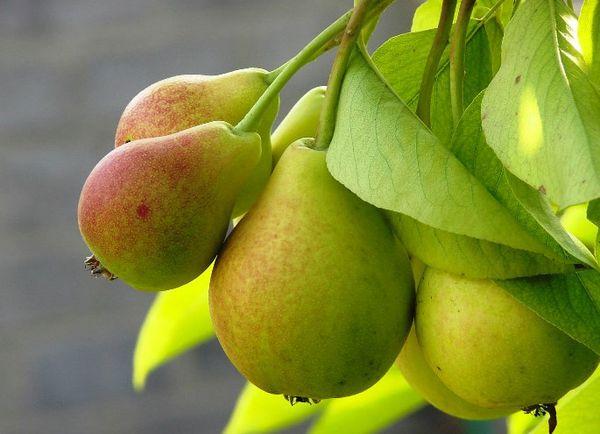
Among the main disadvantages of the Medovaya variety, gardeners note:
- uneven and small fruits with dense growth;
- large quantities of harvest only in regions with warm and moderate climate conditions;
- the influence of crop yield on the tree's resistance to frost and damage by various diseases.
Description and characteristics
The Medovaya pear is a late-season variety, beginning to bear fruit 3-5 years after planting. The fruit is sweet, juicy, and fairly firm. The Medovaya pear is undemanding to environmental conditions and tolerates low temperatures.
The tree's complete resistance to certain diseases that affect other crops makes it one of the most widely used varieties among gardeners.
Size and annual growth of the tree
This pear tree is a low-growing, dwarf tree. It grows quickly and reaches its peak height—2-2.5 meters, depending on climate conditions and proper care. The tree grows 30-50 centimeters annually, reaching its full height in 3-5 years.
Lifespan
Dwarf pear trees have a long lifespan. The Honey pear is no exception. With proper care and the right conditions, it can live for 40-70 years. There are dwarf pear trees worldwide that have reached over 100 years of age.
All about fruiting
The Medovaya pear tree begins bearing fruit early, 3-5 years after planting. The tree produces high yields, with large, tasty fruits. The number of fruits produced depends on climate conditions, adequate sunlight, and consistent care.
Flowering and pollinators
The Medovaya variety is partially self-fertile. For successful pollination and a large harvest, two to three additional pollinator plants are needed. It's important to select trees that bloom at the same time as the Medovaya pear. The following varieties are suitable for this purpose:
- Bere Ardanpon;
- Bere Bosk;
- Tauride;
- Wonderworker.
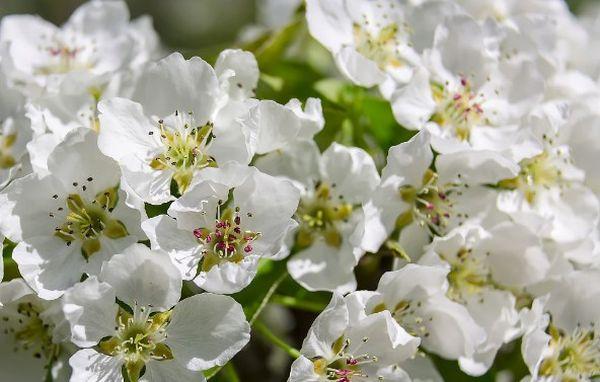
Medovaya begins flowering in the second half of spring, producing a large number of ovaries. Therefore, it's important to prune periodically to prevent the fruit from becoming smaller or growing unevenly.
Ripening time and harvest
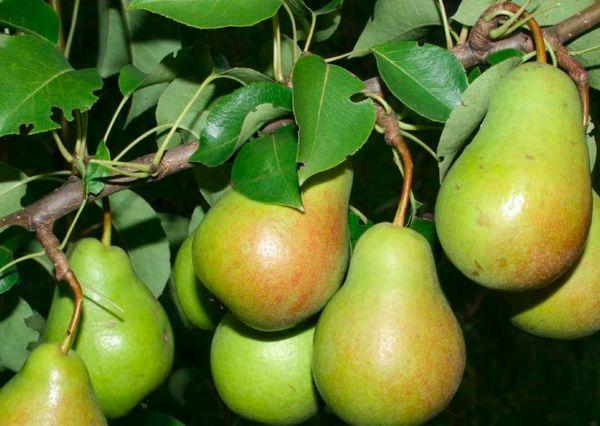
The period of full harvest maturity can vary seasonally and ranges from the first half of August to early October. The yield of fruit per tree, once the crown is fully formed, reaches approximately 40-70 kilograms per season. Harvest quantities may vary depending on weather conditions and proper tree care. The pears are large, weighing between 300 and 500 grams.
Tasting evaluation and scope of application of pears
Tasters rate this pear variety 4.7 out of 5. This high rating is due to the fruit's high sweetness, juicy flesh, and firm texture. The fruit has a good marketable appearance.
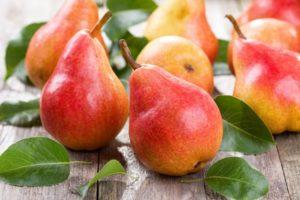
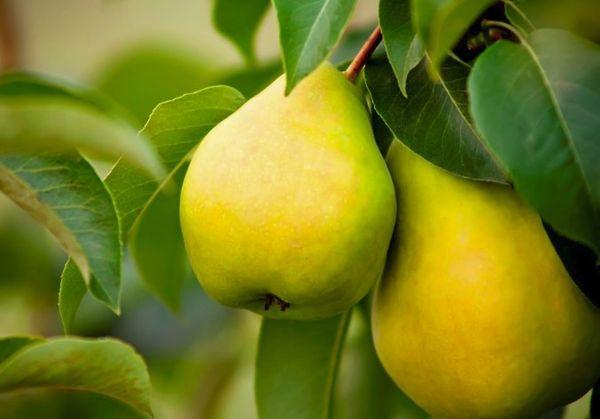
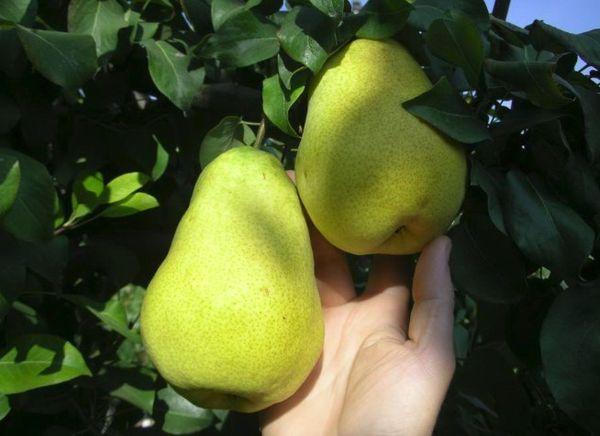
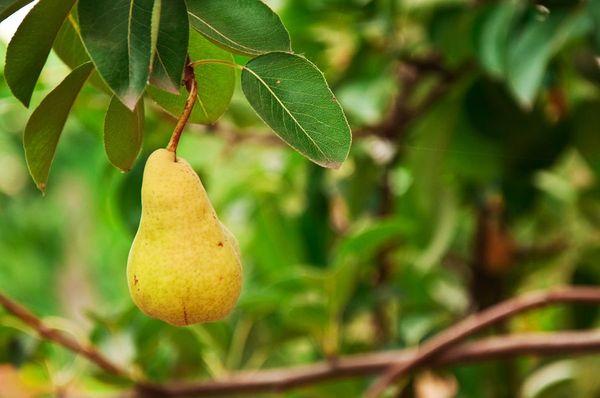
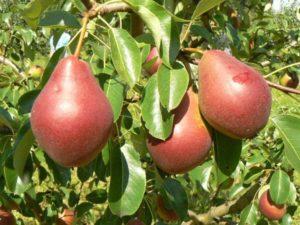
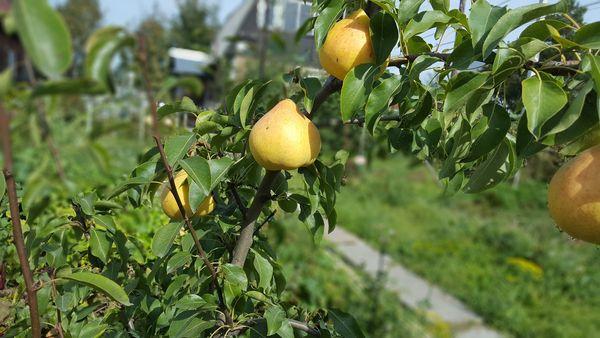
When fully ripe, pears are golden in color with an orange or red spot on the sunny side.
Susceptibility to diseases and insect pests
The Medovaya pear variety has almost complete immunity to moniliosis and clasterosporium, but is susceptible to the following diseases:
- scab - spots appear on leaves and young shoots, which over time change color and darken, affecting the fruits;
- fruit rot – dark spots appear on the surface of the fruit, after which the fruit begins to fall to the ground;
- Rust - rust-like red spots appear on the tree leaves; over time, they dry out completely and fall off.
Among insects, the following pests most often affect pears:
- aphids - feed on the juices of leaves, because of this the leaves begin to wither and eventually fall off;
- leafhopper - consumes the plant's cell sap, which causes deformation of the leaf blade and fruits;
- Codling moth – damages fruits, causing them to fall to the ground prematurely.
To avoid damage by pests or various diseases, 3-4 treatments with special agents should be carried out annually.
Resistance to low temperatures and drought
The tree has increased resistance to low temperatures and can withstand temperatures as low as -30-40°C without preparation. During the early stages of tree development, it's best to cover or mulch the tree to help the young plant withstand frosts and prevent disease. The pear tree has average drought tolerance. For optimal growth, the tree requires only a few waterings per month; however, without this, the fruit will develop unevenly and become smaller.
How to plant a crop on a plot
It's best to plant the plant in the fall, so it has time to adapt to its new environment. Proper planting determines the plant's future growth: its development rate, future quality, and the quantity of fruit it produces.
Selecting and preparing a landing site
This variety thrives best in a sunny, flat location with groundwater at a depth of 2-2.5 meters. Southern and western exposures are preferred. The site should have some shade to periodically protect the tree from excessive sunlight.
For best fruiting, the area should be sheltered from strong winds and drafts. Avoid planting this variety in areas with highly acidic soil or excessive moisture, as this will cause root rot.
Dimensions and depth of the planting hole
Before planting, dig a hole. For a well-developed seedling, dig a hole 80-100 centimeters deep and 80 centimeters wide. The topsoil (the fertile part) should be stored elsewhere. After digging the hole, fertilize the soil with fertilizer containing the following substances:
- peat;
- humus;
- phosphorus-potassium fertilizers.
After this, fill the hole with 2 liters of warm water. Leave it in this state for 1-2 weeks.
How to prepare a Honey Pear seedling
Before planting, you need to select the right, healthy planting material. It's best to buy seedlings up to three years old, as they better tolerate harsh temperatures and adapt more quickly. To determine the right age, carefully inspect the seedling. It should be:
- more than 1 meter in height;
- with a trunk thickness of approximately 1 centimeter;
- with developed buds on the surface.
When choosing a seedling, you need to determine the absence of the following characteristics:
- dryness;
- wrinkled areas;
- small buds;
- damaged root system;
- various growths and swellings on the roots;
- raid;
- visible damage on the sprout.
If one of these signs is detected, it is not recommended to purchase such seedlings.
Timing and technology of planting operations
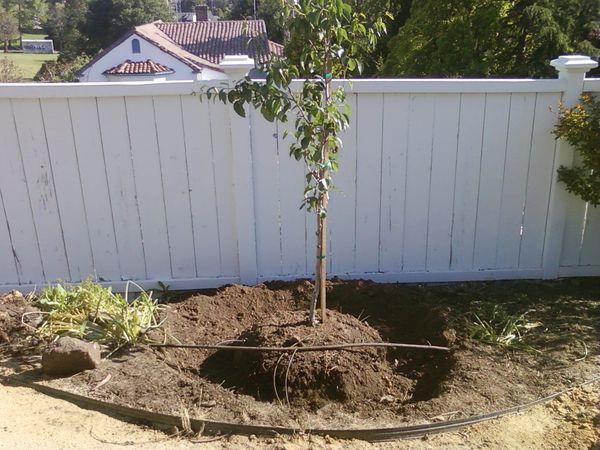
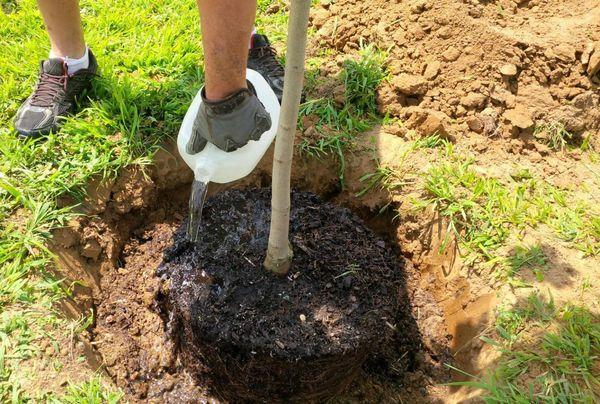
Before planting, drive a wooden stake into the hole so that it extends 50-60 centimeters above the soil surface. The stake should be positioned north of the seedling's planting location. Fill the hole with fertile soil. Then, insert and spread the root system. Next, fill the remaining space with soil and compact it. Water the plant generously with warm water, and tie the seedling to the stake. It's important that the root collar is above the soil surface, not below it.
How to care for fruit crops
Proper care of the crop will ensure a large harvest each season and prevent the development of various diseases and pests on the tree.
Frequency of watering and hole care
The recommended watering rate for this variety is 20 liters of water every three days. In extremely dry climates, water the plant daily. It's best to water by rain, but only before flowering. If this isn't possible, carefully pour water into the hole. Afterward, it's best to loosen the soil to allow moisture to reach the roots more quickly and oxygenate the soil.
Top dressing
Fertilizing pears Honey fertilization is carried out only after one year, using organic and mineral fertilizers. It's important to carry out these procedures every year. The first feeding is done in the spring before flowering, when the plant begins to actively flow sap. After the ovaries have set, the plant can be fertilized with a solution of bird or cow manure. Fertilization should also be done before winter to provide the plant with nutrients during cold weather.
Whitewash
Whitewashing prevents diseases and various pests on trees. For this reason, it should be done annually. The best time to do this is early spring. To enhance the preventative effect, it's worth adding a fungicide to the whitewash.
Crown formation
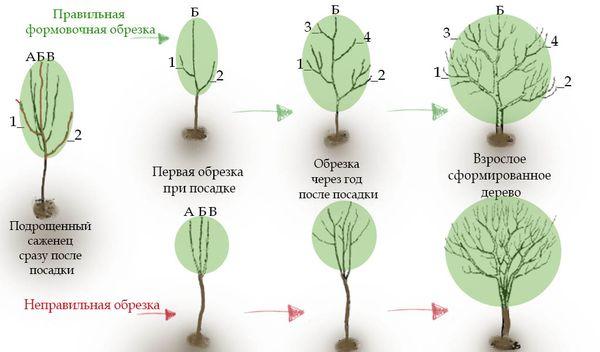
To ensure even fruit development and prevent shrinkage, periodic crown pruning should be performed. During this process, oversized, damaged, and dried-out shoots should be removed.
Seasonal treatments
To prevent the most common diseases and pests, you should treat the plant with one of the following medications:
- Skor – before foliage appears;
- Dnok - before the buds open;
- Aktar - during periods of no wind and no sunlight;
- Agravertin – before and after the flowering period.
Shelter during the winter period
Before winter, it's essential to cover the tree trunk to prevent damage and frost damage. For this purpose, you can use:
- burlap;
- spruce branches;
- other inorganic materials.
Methods of reproduction
Pear propagates in the following ways:
- cuttings;
- layering;
- seeds;
- basal shoots.
Most often, the Medovaya variety is propagated using cuttings.
To do this, cut a healthy shoot with 4-5 leaves and a couple of internodes. This branch is prepared and set aside in a warm place. After germination, the cutting is planted in a container until it adapts, and then transplanted into open ground.
Gardeners' reviews of the variety
Mikhail, 41 years old, Samara.
“I grow several trees of this variety and harvest up to 50 kilograms of fruit from it every year. The fruit is sweet and juicy.”
Stanislav, 39 years old, Krasnoyarsk.
"The Medovaya pear variety is suitable for both beginner and experienced gardeners. The tree is easy to maintain and has a number of positive qualities unmatched by similar varieties."
Related posts:
 Description and full characteristics of the Yakovlev Memory pear variety, planting and care
 Description and full characteristics of the August Dew pear variety, planting and care
 Description and cultivation of the Skorospelka pear variety from Michurinsk
 Description and full characteristics of the Lada pear variety, care and cultivation
 Description of the 23 best pear varieties for the middle zone, planting and care rules
 Rules for planting and caring for pears in open ground, how to grow them correctly
 Description and subtleties of growing the Russian Beauty pear variety
 Description and characteristics of the Marble pear variety, pollinators and cultivation subtleties