
- Selection of the Marble pear variety and cultivation regions
- Main advantages and disadvantages
- Description and characteristics of pear
- Tree size and annual growth
- Branching of the root system
- Life expectancy
- Fruiting
- Cyclicity
- Flowering and pollinators
- Fruit ripening time
- Productivity and taste
- Application of pears
- Drought and cold resistance
- Immunity to diseases and pests
- Planting technology
- Deadlines
- Site selection and soil preparation
- Tree planting patterns and rules
- Comprehensive care
- Watering
- What kind of fertilizer should be applied?
- Soil cultivation
- Pruning and crown shaping
- Whitewash
- Diseases and pests: preventive treatments
- Scab
- Moniliosis
- Sooty mold
- Pear blossom weevil
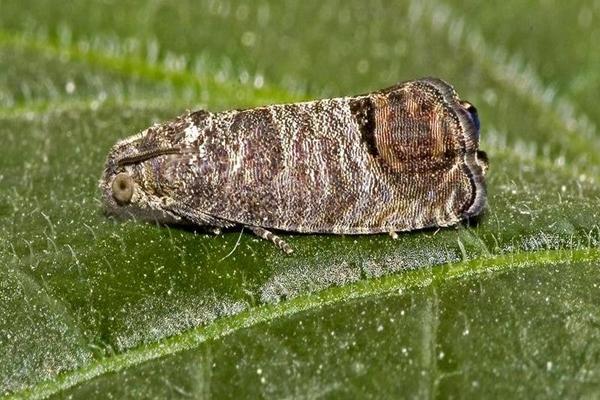
- Pear moth
- Aphid
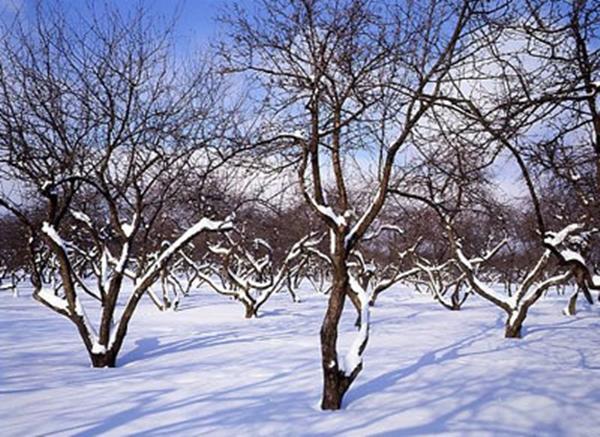
- Preparing for the winter period
- Methods of reproduction
- Gardeners' reviews of the Marble variety
It's hard to imagine an orchard without the aromatic pear tree. Pear varieties are vast, so it's important to choose the right variety for your growing conditions. The early autumn Marble pear has been known to gardeners for over 50 years. This hybrid is adapted for planting in various regions of Russia, from the Central Black Earth Region to the Urals. It's scab-resistant, easy-to-grow, and suitable for novice gardeners.
Selection of the Marble pear variety and cultivation regions
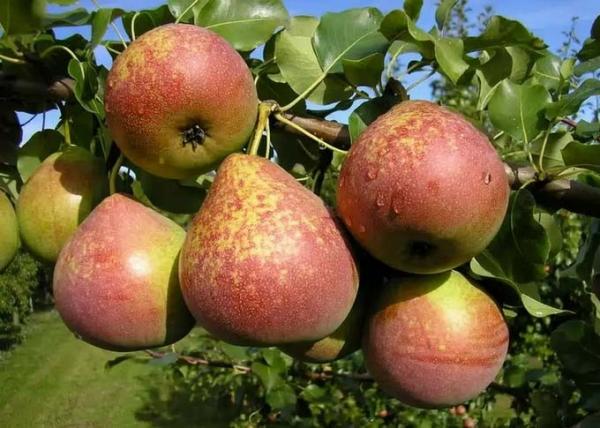
The early autumn, large-fruited pear variety "Mramornaya" was developed over 50 years ago. It is a domestic selection. Its ancestors are two of the first winter varieties of Michurin fruit trees—Michurin Winter Bere and Lesnaya Krasavitsa. The tree can withstand frosty winters and is noted for its high yield. These qualities have made it a favorite and it is grown in virtually every region of our country, from the Central Black Earth Region to the Urals.
Main advantages and disadvantages
Based on many years of experience growing the Marble pear in all corners of our country, gardeners highlight the following advantages of the variety:
- winter hardiness;
- productivity;
- the ability to recover after exposure to adverse factors;
- self-pollination;
- taste qualities of fruits;
- The fruits can withstand transportation.
The disadvantages of the variety include:
- poor drought tolerance;
- the crown tends to become dense and requires regular pruning;
- short-term storage of fresh harvest;
- The first fruiting occurs in the 7th year of life.
Note! Marble blooms early, so the tree is often susceptible to spring frosts.
Description and characteristics of pear
When choosing a pear tree for your garden, consider the tree's size, the characteristics of its root system, and the quality of the planting material. The correct cultivation techniques and care plan depend on the variety's characteristics.
Tree size and annual growth
The Marble pear is a medium-sized tree with a wide-spreading pyramidal crown. It grows slowly, producing its first fruit only in its seventh year. A mature plant reaches 4 meters in height. Its branches are robust and grow almost vertically.
Branching of the root system
The pear tree's root system is powerful. Its roots extend both deep and wide. When planting seedlings, it's important to avoid damaging the root system, as it recovers poorly and has a weak regeneration process.
The optimal root length for a one-year-old seedling is more than 1 meter.
Life expectancy
With proper care and favorable growing conditions, Marble can grow for over 30 years. This fragrant beauty begins to bear fruit in its seventh year.
Fruiting
The Marble pear is characterized by high yields. The fruit is large and has excellent flavor.
Take a look Also
Cyclicity
It bears fruit every year. The critical period is the end of flowering. At this point, the tree is susceptible to spring frosts. To ensure an annual harvest, the plant requires systematic care. Watering is necessary during periods of drought.
Flowering and pollinators
The variety is declared as self-pollinating, but to increase the yield it is recommended to plant it nearby Pollinators: Severyanka pear varieties, Orlovskaya, Moskvichka.
It blooms early, in early May. The inflorescences are umbel-shaped. The pear-shaped flowers are small, white at the beginning of flowering, turning pink towards the end.
Fruit ripening time
The fruits reach full ripeness by early autumn. Large pears do not fall off, but harvesting should not be delayed. Fresh fruits do not last long—no more than two months.
Productivity and taste
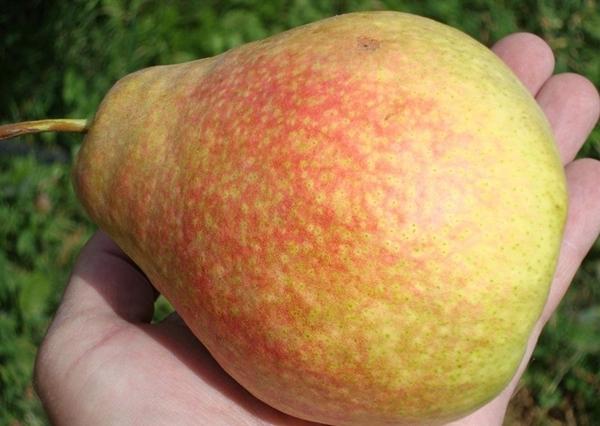
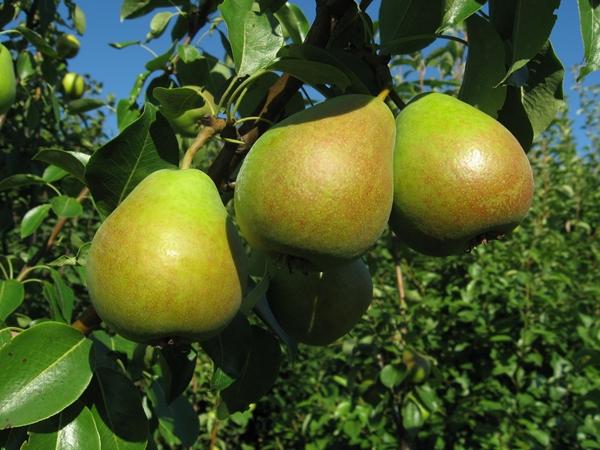
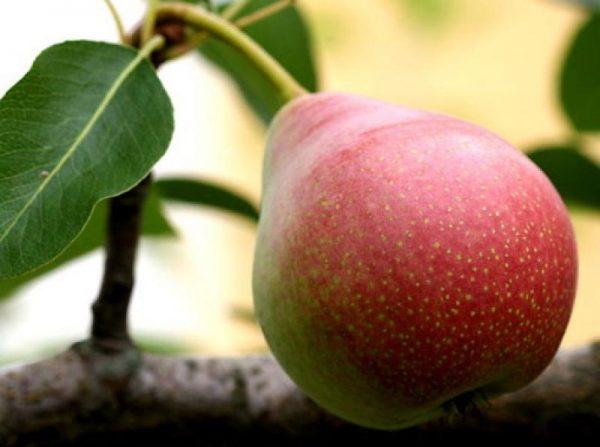
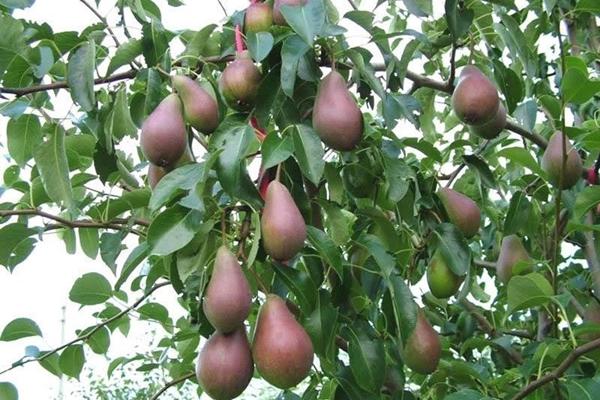
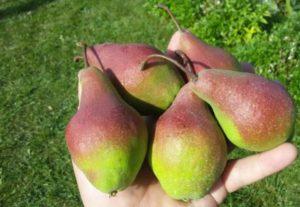
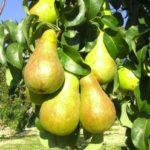
In commercial cultivation, the average yield is 300 centners per hectare. The average weight of a ripe pear is 170 grams. The fruit has excellent flavor, with a tasting score of 4.8 on a five-point scale. The flesh is white, grainy, juicy, and tender.
Note! Diabetics can eat Marble pears, as the fruit contains more fructose than sugar.
Application of pears
The fruit's primary use is as a dessert; it's recommended to eat it fresh. Pears are also used to preserve fruit, make compotes, jams, and purees for baby food. Marble pears are suitable for diabetics.
Drought and cold resistance
A disadvantage of this variety is the trees' dependence on moisture. During prolonged droughts, additional watering is necessary. Fruit yield depends on the fruit tree's moisture supply.
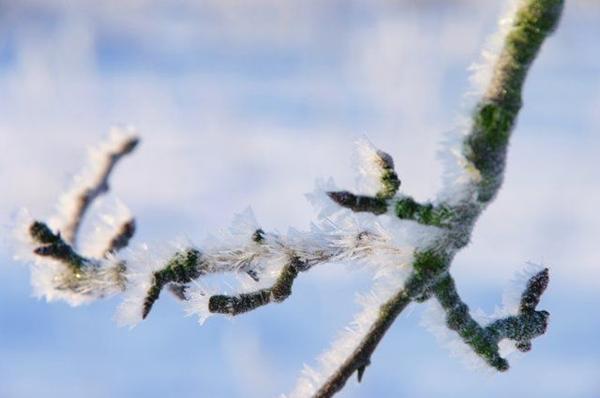
In winter, the pear can withstand temperatures down to -25 C. Winter hardiness is above average.
Immunity to diseases and pests
The Marble pear is resistant to most fungal diseases. It is not affected by scab or powdery mildew. However, the plant must be protected from insect pests. It is important to apply fungicides to the orchard in a timely manner in the spring.
Before flowering, trees are sprayed with Bordeaux mixture or copper sulfate.
Planting technology
You can get the maximum yield from your Marble pear by following proper planting techniques and systematically caring for the fruit tree. It's important to choose the right site for growing the pear and ensure timely pest control.
Deadlines
Young seedlings are sensitive to frost. Spring planting should begin no earlier than the first ten days of May, and fall planting should begin in September, allowing the plant to take root and become strong.
Site selection and soil preparation
The site for planting the pear tree is selected in advance. Preference is given to an eastern or southeastern exposure, free from drafts and shade. Fruit trees do not grow in lowlands or marshy soils. The root system requires drainage.
Tree planting patterns and rules
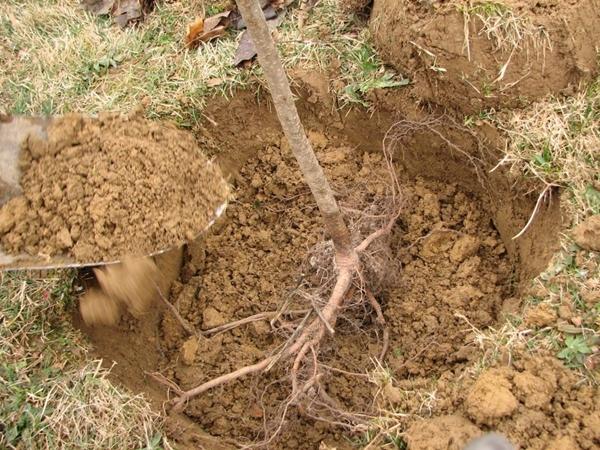
The planting hole dimensions are 80 x 80 x 80 centimeters. The pear tree's crown is quite spreading, so the distance between trees should be more than 3.5 meters. When planting in groups, a staggered pattern is used.
Comprehensive care
Comprehensive fruit tree care includes regular crown thinning, supplemental irrigation during dry periods, fertilizing, and timely harvesting. In winter, the tree requires additional shelter. The trunk should be protected from rodents and hares.
Watering
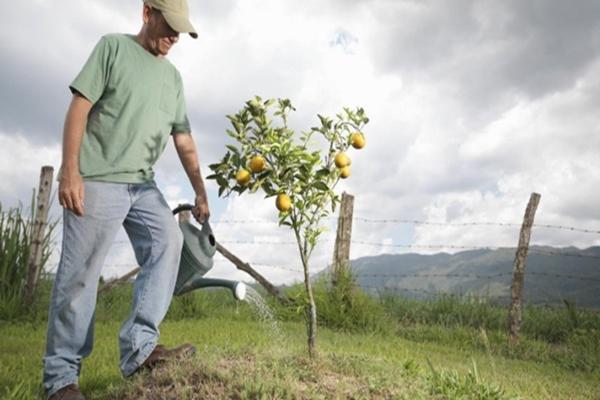
To avoid a decrease in yield, pear trees need to be watered. Irrigate the entire trunk circle. A mature plant requires up to 50 liters of water. During the budding and flowering stages, water once every two weeks.
To maintain optimal moisture levels, mulching the tree's trunk area is recommended. Freshly cut grass, hay, or wood shavings can be used as mulch. Before winter, a moisture-recharging irrigation is performed to improve the tree's winter hardiness.
What kind of fertilizer should be applied?
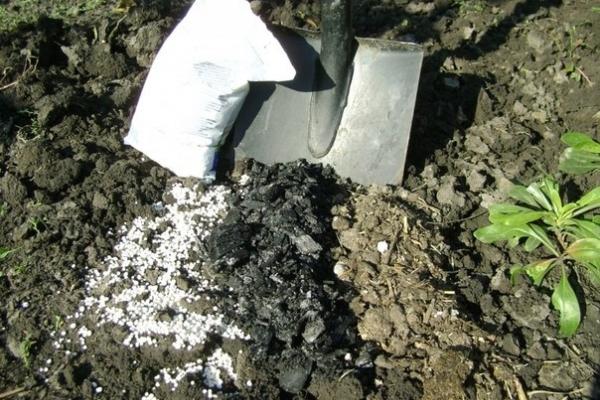
A comprehensive set of essential nutrients is added when a young plant is planted. Systematic feeding begins when the seedling is three years old. Ammonium nitrate, horse manure, mullein, and chicken manure infusion are used. Fruit trees require potassium-phosphorus complexes and calcium during flowering and bud formation.
Do not use fresh organic matter for fertilizing pears.
The fertilizer turns out to be concentrated, which negatively affects the condition of the tree and often causes burns.
Soil cultivation
Mulch can introduce insect larvae, fungal spores, and dangerous bacteria into the soil. It is recommended to treat the tree trunk and soil with a solution of potassium permanganate or iodine before planting. This disinfects the soil and reduces the risk of various diseases.
Pruning and crown shaping
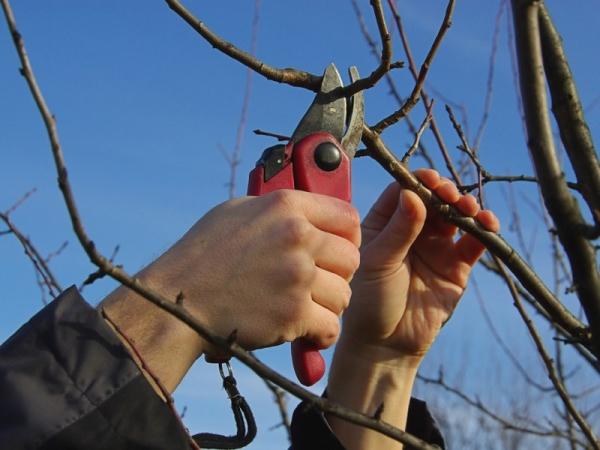
A beautiful crown is the key to a high yield of fruit trees. Formative pruning is performed in spring and fall, removing overgrown shoots and branches that crowd the crown. Sanitary pruning, which involves removing dead and damaged pear branches, is also important. All cuts are treated with clay or garden pitch.
Whitewash
A mandatory procedure for protecting fruit trees from diseases and insect pests. It is performed twice a season—in spring and fall. Slaked lime disinfects the tree bark and repels insect pests. Spring treatment is carried out immediately after the snow melts.
Diseases and pests: preventive treatments
Like any tree, pear trees can become diseased or attacked by insect pests. Let's look at common fruit tree diseases and how to combat them.
Scab
A dangerous disease of fruit trees. The marble pear is remarkably resistant to this disease. However, with improper care and unfavorable climatic conditions, the tree can become infected.
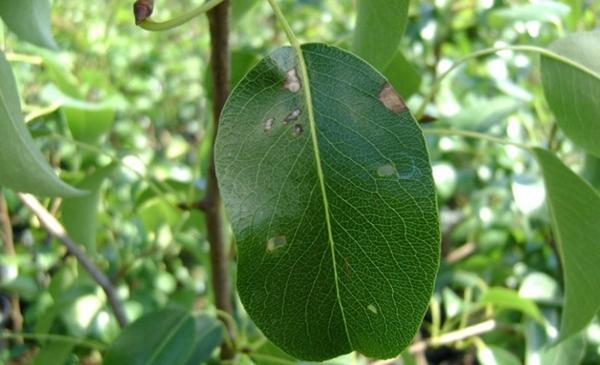
The main symptom of this insidious disease is the appearance of round, brown spots on the leaves, which gradually spread throughout the tree and begin to resemble warts. The fungus enters the plant's sap system, disrupting metabolic processes. Fruit becomes smaller, deformed, and falls off. Removing the pathogen is difficult, as the fungus overwinters in last year's foliage, and then attacks the orchard with renewed vigor in the spring.
Anti-scab preparations: "Horus", Bordeaux mixture.
Moniliosis
Fruit rot, also known as moniliosis, can destroy a large portion of a pear crop. The fungus attacks neighboring fruit trees, and the infection can be carried by the wind. Spores enter directly into damaged fruit or colonize the plant during flowering, causing buds to fall off, and ovaries to fail to form or become deformed.
All affected shoots and fruits should be removed from the tree and burned. Before flowering, pear trees should be sprayed with Horus or Cupidon. Biological products can also be used.
Sooty mold
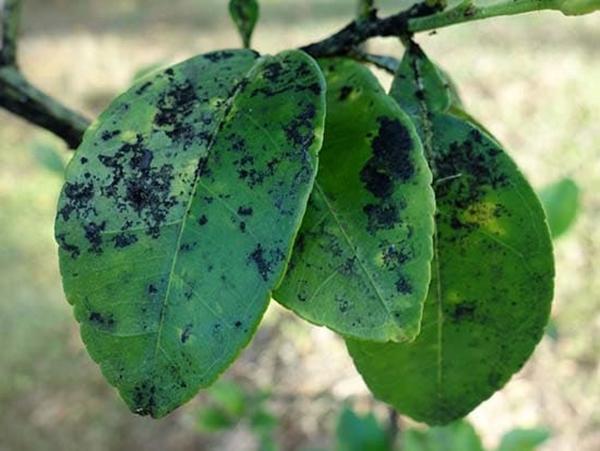
An insidious fungus that disrupts photosynthesis in plants. It primarily attacks young or weakened pear trees. After infection, plant growth slows significantly. White, water-soaked spots appear on leaves, branches, and fruit. The disease is often transmitted by aphids or gall mites.
Preparations against sooty mold: Fitoverm, Strobi, Horus.
Pear blossom weevil
A beetle from the weevil family. This small, winged flower beetle gnaws through the buds of fruit trees, where it lays its eggs. The insect is easily identified by the transverse white stripe on its body, its proboscis, and yellow antennae. This pest reduces fruit bud formation by more than 50 percent.
The fight against this voracious beetle should begin in early spring. Trees are sprayed with Fufanon. If the infestation is mild, the larvae are collected by hand.
Pear moth
A member of the leafroller family, it feeds exclusively on the leaves and fruits of pear trees. Early varieties are more susceptible to attack. Pear codling moth control requires a comprehensive approach:
- Maintain the tree trunk circle clean; it is necessary to remove fallen leaves in a timely manner.
- Sanitary pruning of the crown.
- Pheromone traps.
- Homemade traps.
- Foliar feeding.
- Spraying with fungicides.
Folk remedies include spraying with birch tar, wormwood or fir infusion.
Aphid
Aphids' favorite habitat on fruit trees is the underside of leaves. They can be spotted with the naked eye by turning the leaf over. Products against aphids on pears include Fufanon, Iskra, Komandor, and Aktara.
Preparing for the winter period
The Marble pear variety has above-average cold tolerance. The tree can withstand temperatures as low as -25°C. It is recommended to cover the trunk for the winter from attacks by hares, rodents, and low temperatures using spruce branches, roofing felt, or special agrofibre. The root system is protected with last year's leaves or hay.
Methods of reproduction
There are two methods of propagating pear trees:
- seminal;
- vegetative.
Vegetative propagation involves obtaining seedlings by cuttings or using green layering. A convenient method is to purchase seedlings from specialist stores. Carefully select the planting material, avoiding plants with poorly developed roots and lack of buds on the trunk. Seedlings with a closed root system are preferred.
Gardeners' reviews of the Marble variety
Ekaterina Aleksandrovna Lastochkina, 38, Ivanovo: "The most delicious pears in my garden are the Marble variety. We eat most of the harvest fresh. I process the remaining fruit into puree for baby food. The children have never had any allergies. The tree bears fruit every year, but it doesn't survive winters well. Last year, early spring frosts caught the upper branches, and some of the buds fell. But overall, the plant is easy to care for and will decorate any orchard. The taste of ripe pears is excellent; as a taster, I give them a five.
Related posts:
 Description and full characteristics of the Yakovlev Memory pear variety, planting and care
 Description and full characteristics of the August Dew pear variety, planting and care
 Description and characteristics of the 45 best pear varieties, how to choose
 Description of the 23 best pear varieties for the middle zone, planting and care rules
 Description of the Cathedral pear variety, planting and care features
 Description of the Rogneda pear variety, planting and care instructions
 Description of the Belorusskaya Pozdnyaya pear variety, pollinators and cultivation details
 Description and characteristics of 14 varieties of the Bere pear variety, planting and care