
- Criteria for selecting pears for central Russia
- The most popular varieties of fruit trees
- Summer varieties
- Cathedral
- Northerner
- Duchess
- Victoria
- August dew
- Winter and late varieties
- Saratovka
- Pass-Krasan
- Patriotic
- Belarusian
- Bere Ardanpon
- Wonderworker
- Autumn pears
- Marble
- Muscovite
- In memory of Yakovlev
- Moscow Bere
- Garden varieties
- Tenderness
- Smartly dressed Efimova
- Venus
- Prominent or Lumpy
- Dwarf and low-growing
- Tall pears
- Self-fertile
- Dessert varieties
- Specifics of planting work
- How to care for seedlings and mature trees
Pears for temperate climates have specific characteristics. Cultivated varieties must be resistant not only to disease but also to the vagaries of weather, frosts, and thaws. Before choosing a particular plant for your garden, it's recommended to carefully familiarize yourself with its characteristics. Experienced gardeners already know which pears are suitable for growing in temperate climates and reap bountiful harvests of delicious and healthy fruit every year.
Criteria for selecting pears for central Russia
Not all are suitable for growing in the difficult climate of the middle zone types of pearsThere are certain criteria that the selected varieties must meet:
- Frost resistance. For this region, preference is given to plants with high frost resistance that overwinter well in open ground without additional cover.
- Flavor and aroma. For garden planting, select varieties with juicy, sweet flesh and a pleasant aroma.
- Self-pollination. Among the many varieties and cultivars available, it's best to choose those that don't require nearby pollinator plants and produce excellent yields without manual pollination.
- Fruiting Begins. Experienced gardeners recommend selecting pear trees that produce their first harvest 3-4 years after planting.
- Fruit ripening times. Most gardeners in the temperate climate prefer low-growing pears with early ripening periods. However, experienced experts say it's better to have several plants with different ripening times in the garden.
The most popular varieties of fruit trees
Breeders are constantly working to improve existing varieties and develop new ones suitable for growing in temperate climates. Gardeners, in turn, try them out year after year. Some pears have already become popular and are very popular.
Summer varieties
To obtain an early harvest of juicy, soft and sweet fruits, it is recommended to grow summer varieties.
Cathedral
The Cathedral pear is distinguished not only by its high yield but also by its excellent frost resistance. The tree begins bearing fruit three years after planting and is virtually immune to pathogens. It requires preventative pest control. Disadvantages include the small size of the fruits and their unsuitability for transportation and long-term storage. The crop is suitable for all types of processing. Cathedral is grown by farmers on an industrial scale.
Northerner
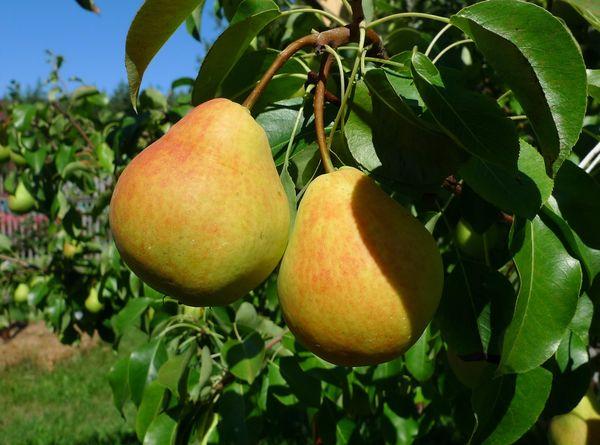
This variety is suitable for growing not only in temperate climates but also in harsher climates. The tree reaches a height of 4 to 6 meters, with a dense crown. The fruits are large, weighing up to 250 g. They have excellent flavor and are highly disease resistant.
Duchess
Perhaps the most popular pear variety in the world, this variety is characterized by its undemanding nature, frost resistance, and consistently high yields. Its fruits earn the highest tasting scores.
They are suitable for transportation and long-term storage and are used for all types of processing.
Pears are also famous for their aroma, which allows them to be distinguished from other varieties.
Victoria
Victoria has gained widespread popularity due to its frost resistance and high immunity to pests and diseases. A mature tree reaches a height of 10 meters and produces up to 150 kg of high-quality fruit each season.
August dew
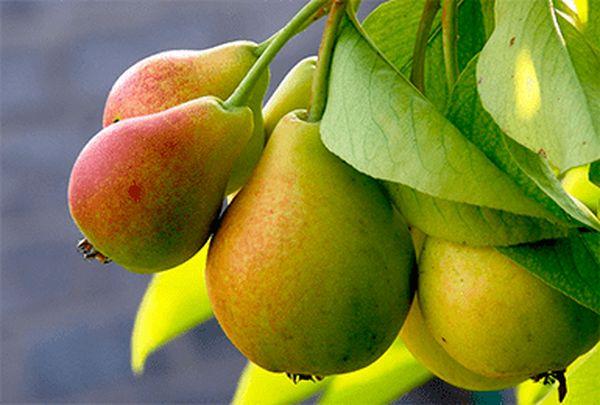
The pear tree reaches a maximum height of 5 m. It begins bearing fruit three years after planting. The fruit weighs approximately 90 g. They are juicy, have excellent flavor, and are suitable for storage.
Winter and late varieties
The fruits of these varieties ripen in late autumn in the middle zone and are used primarily for winter storage.
Saratovka
The tree of this variety does not exceed 3 meters in height. Ripe pears are orange. The flesh is juicy and moderately sweet. The fruit is highly resistant to rot and is suitable for long-term storage.
Pass-Krasan
A winter pear of French origin. The tree is short and has a dense crown. The fruit is harvested in October and is ready for consumption in January. In a cool place, the harvest will last until February. The pears are suitable not only for fresh consumption but also for processing. The skin is thin but firm, slightly rough, and has characteristic rusty spots or gray dots.
Take a look Also
Patriotic
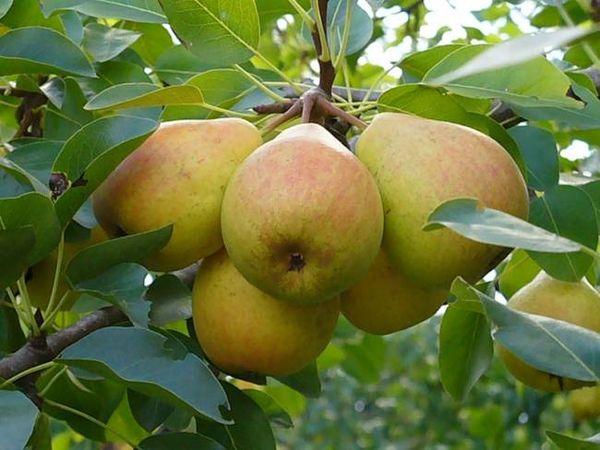
The tree's spreading crown reaches 10 meters in height. The fruit is attractive, making it suitable for cultivation even in neighboring countries. Harvesting occurs in early October.
Belarusian
The pear is compact, reaching a maximum height of no more than 4 meters. Belarusian breeders specifically developed this variety for cultivation in harsh climates. The fruits grow fleshy and very juicy. The flavor has a characteristic tartness.
Bere Ardanpon
A late-ripening pear with high yields. It is distinguished by its increased frost resistance. The plant is very frost-hardy, and thanks to its late flowering period, it is less susceptible to recurrent spring frosts.
Wonderworker
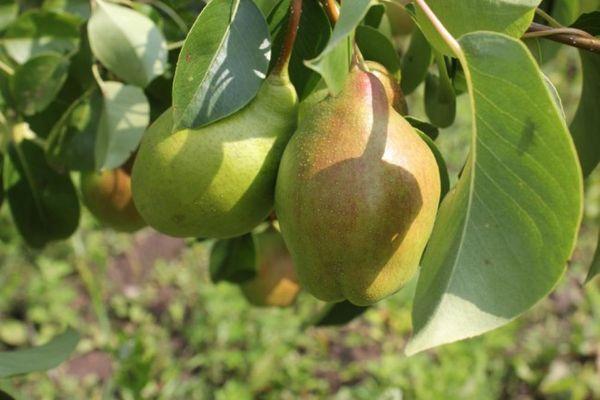
Chudesnitsa is one of the most popular varieties due to its frost resistance and excellent disease resistance. The tree blooms as early as March, and the harvest ripens in October. Pears weigh between 180 and 220 g.
Autumn pears
Autumn varieties allow you to enjoy the harvest at the very end of summer or in the fall. The fruits are suitable for short-term storage and processing.
Marble
This variety is distinguished by its tree's height, which can sometimes exceed 10 meters. The crown is wide, spreading, and dense. The fruits have a dense skin, with bright orange spots clearly visible on the surface. The flesh is grainy, yet tender and very juicy.
Muscovite
The Moskvichka pear tree reaches 9 meters in height. Its crown is spreading and quite wide. Fruiting begins two years after planting. Even when ripe, the fruit retains a greenish color. The flavor is pleasant, slightly tart.
In memory of Yakovlev
This pear is a favorite among true connoisseurs of large-fruited varieties. Fruits weigh around 250 g. When ripe, they are green with a slight yellow tint. Because the pulp of this variety is tough, the harvest is often used for jam production.
Moscow Bere
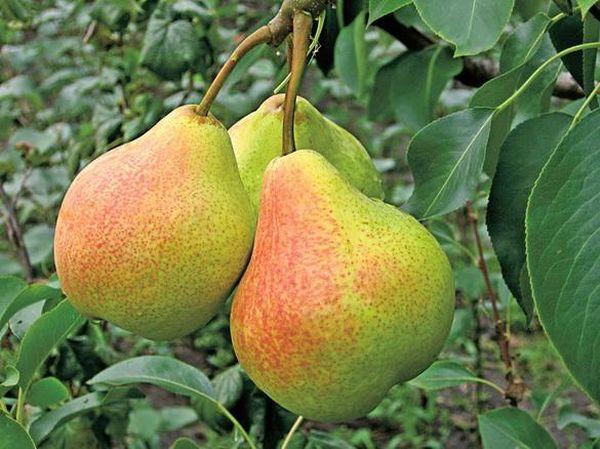
The Bere Moskovskaya pear was artificially bred and zoned specifically for temperate climates. Its fruits are versatile and delicious not only fresh but also for preserves. Some gardeners make a delicious and aromatic wine from their surplus harvest. The tree is highly resistant to diseases and pests.
Garden varieties
A special feature of these varieties is that they are almost never grown by farmers, but summer residents and owners of private plots have become attached to some of them.
Tenderness
This variety is popular not only for its high yields but also for its excellent taste and strong aroma. The trees can withstand winter temperatures down to -40°C. Proper care and watering are required to ensure abundant fruit production. The harvest is not suitable for long-term storage.
Smartly dressed Efimova
The fruits of this variety resemble artificial ornaments, without a single defect. At the same time, the pear is easy to care for, producing abundant harvests of organic fruit every year.
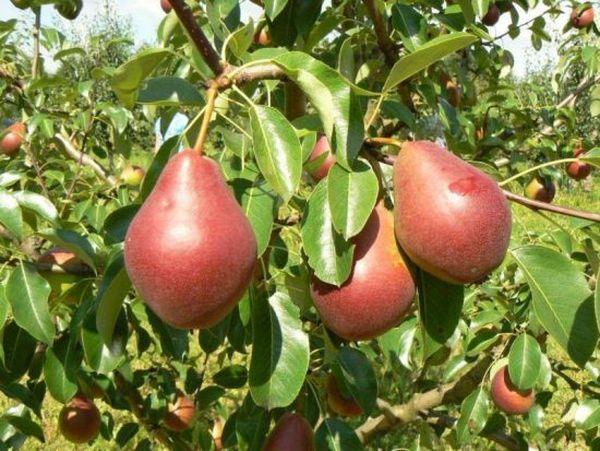
The fruits retain their quality for a long time and are virtually immune to the negative effects of insects and diseases. The flavor is pleasant and sweet. The tree begins to bear fruit seven years after planting.
Venus
A significant advantage of this variety is its winter hardiness. The pear tree begins bearing fruit five years after planting. Yields are high. The fruit is harvested in September. They weigh around 120 g and are yellow-green in color. The flesh is firm but not hard, and moderately juicy.
Prominent or Lumpy
This variety is widely used not only for growing in garden plots but also on an industrial scale. The tree is tall and produces fruit around August. They ripen unevenly. The pears are elongated and have a dessert-like flavor. A distinctive muscat flavor is characteristic.
Dwarf and low-growing
Dwarf and low-growing pear trees can be planted between taller varieties. These trees are very easy to harvest. Despite their small size, these pears are quite capable of providing the average family with enough fruit.
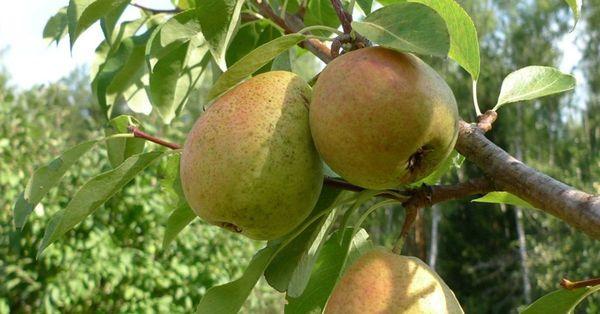
The best dwarf varieties for the middle zone are recognized as:
- Carmen;
- Decor;
- G-5;
- Take Hardy;
- Grand Champion.
The fruits of the Carmen variety are distinguished not only by their red color and impressive size (their weight reaches 300 g), but also by their excellent sweet taste and incredible aroma.
Decora is beloved by gardeners for its aroma, which many compare to a rose. The fruits have a balanced sweet and sour flavor, and weigh up to 250 g. Harvesting takes place in late August.
The pear with the unusual name G-5 allows you to grow yellow fruits weighing about 250 g on your own plot. A distinctive feature of this variety is its high frost resistance and immunity to diseases.
Bere Gardi is an excellent green-fruited variety. The pears also weigh up to 250 g. Harvest occurs in September. The tree is highly resistant to scab.
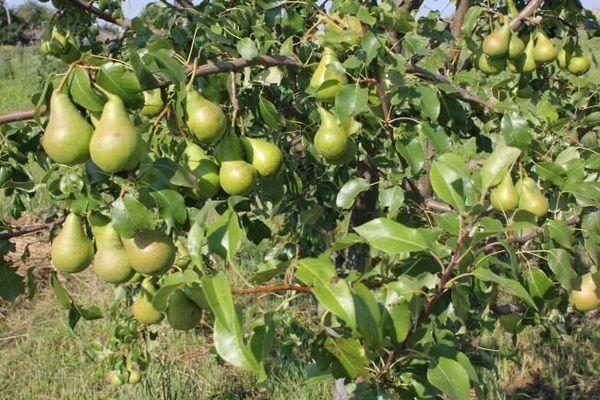
Grand Champion is a worthy representative of late-winter varieties. In late September, it rewards gardeners with a harvest of yellow, sweet-and-tart fruits that keep well until January.
Tall pears
Tall pear varieties can reach heights exceeding 6 meters. This requires gardeners to carefully consider their care and harvesting methods in advance, as they present additional challenges and require the use of specialized tools. For such plants, it is necessary to form the crown in a timely and correct manner in order to make your work easier later.
Among the tall pears for the middle zone, gardeners have found the following to be the most popular:
- Gimry;
- Annushka;
- Apple-shaped;
- Shuranovka;
- Larinskaya;
- Oryol beauty.
Each has its own advantages and disadvantages, but they all share the same characteristic: they are quite difficult to care for, especially for beginners. Before planting a tall pear tree in your garden, you should not only ensure you have the necessary tools and supplies for its maintenance, but also plan the site and select a suitable planting location. Your other plants should not suffer from a lack of light or nutrients in the future.
Self-fertile
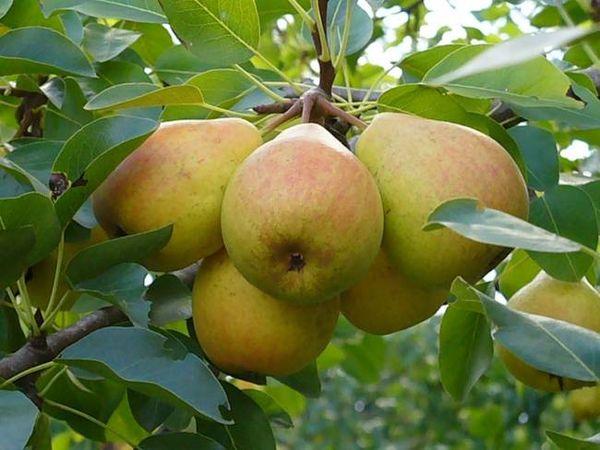
Self-fertile pears are suitable not only for the central part of the country but also for other regions. Their unique feature is that these trees not only don't require nearby pollinators, but can actually act as pollinators themselves. The most popular varieties are:
- Early ripening from Michurinsk;
- Rogneda;
- Clapp's favorite.
This early-ripening variety from Michurinsk is perfect for those gardeners who plan to harvest juicy yellow fruit as early as midsummer. The pears weigh up to 120 g.
The Rogneda variety begins bearing fruit in August. The fruits are picked unripe and stored. Gardeners consider this pear's strong resistance to bacterial diseases to be an advantage.
Clapp's favorite produces medium-sized fruits with firm skin and a rich pink blush. Their distinctive feature is their very juicy and tender flesh, which seems to melt in the mouth. The pears have a balanced sweet and sour flavor.
Dessert varieties
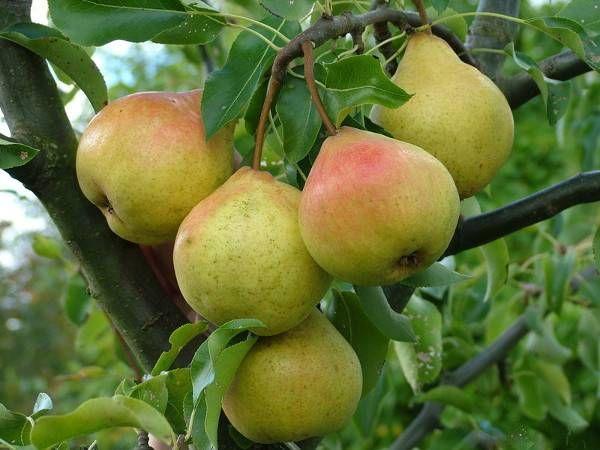
Dessert pear varieties boast not only attractive appearance but also excellent flavor, sure to please both children and adults. Those best suited for growing in temperate climates include:
- Dessert Rossoshanskaya;
- August dew;
- Veles;
- Summer Duchess;
- Muscovite;
- Just Maria.
Dessertnaya Rossoshanskaya is an autumn variety. It's an easy-to-care-for plant that matures early. It produces abundant harvests of juicy, aromatic, and delicious fruit.
Dwarf August Dew pear This is a summer variety. The tree is highly frost-resistant. The fruit is not prone to shedding during ripening. The flavor is excellent.
Velesa's harvest is used primarily for fresh consumption. The tree is medium-sized, with a spreading crown. It is highly frost-resistant. The fruits are symmetrical and smooth. When ripe, they acquire a greenish-yellow or even slightly orange hue. The flavor is harmonious, sweet and sour.
Duchess Summer is a summer variety with high yields. The fruits are very aromatic and delicious. They are used for both canning and drying. Among the drawbacks, the trees require regular watering. They are also self-sterile and require nearby pollinator varieties.
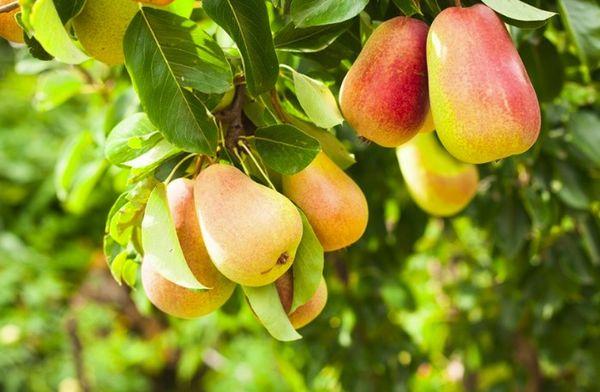
Moskvichka pear It easily tolerates not only drought but also winter cold. The creamy flesh melts in the mouth. When ripe, the fruits are yellow-green, often heavily rusted.
Simply Maria has increased disease resistance and produces abundant yields of yellow-green fruit with a beautiful pink blush. The tree is medium-height with a wide crown.
Specifics of planting work
In temperate climates, it's best to plant pear seedlings in the spring so the plants have time to grow strong and establish good roots before the cold weather sets in. For this region, it's best to choose summer-fall varieties, which can be harvested before frost. Cultivating late-season varieties in these conditions is possible, but rather risky.
Pears are considered light-loving crops, so they should be planted in a well-lit area. The tree can tolerate excess moisture near the roots, but it cannot stand prolonged damp fogs. It is better to allocate a place for seedlings in the outer rows of mixed gardens on a summer cottage plot, protected from drafts.
When choosing soil, preference should be given to fertile, well-drained soils. A small clay layer is acceptable. If the soil is poor, apply a complex mineral and organic fertilizer before planting the pear seedling.
Compost and humus are essential components. If the soil is very acidic, wood ash or dolomite flour should be added before planting.
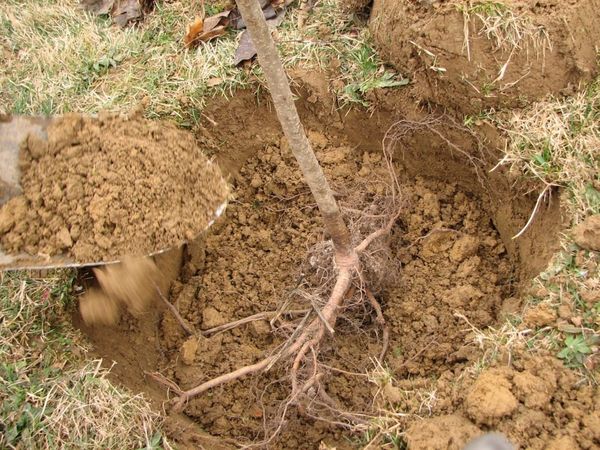
It's best to prepare the planting hole for spring pear planting in the fall. To do this, dig a hole 70 x 70 cm and place a 10 cm layer of clay at the bottom, followed by compost or humus. Cover the prepared hole until spring.
For planting, purchase pear seedlings 1-2 years old. Pay close attention to the quality of the grafting, as well as the overall condition of the plant.
It shouldn't be over-dried. Mechanical damage to the branches and bark is unacceptable. The day before planting in the garden, the root system of the young pear tree is soaked in a rooting stimulator.
How to care for seedlings and mature trees
The area around the trunk of a young sapling or mature pear tree must be kept clean at all times, and weeds must be removed regularly. In temperate climates, even winter-hardy varieties require winter protection. Young trees should also be protected from hares and rodents.
To do this, the trunk is wrapped in any non-woven material (such as burlap), which has been pre-treated with a special rodent repellent. Diesel fuel, dust, or birch tar are sometimes used for this purpose. Straw mixed with mouse-repellent plants is used as insulation:
- wormwood;
- tansy;
- elderberry;
- mint;
- black root.
During the first year after planting, pear trees are watered once every 7 days. Add 1-2 buckets of water to each plant. Subsequently, increase the amount of water, and reduce the frequency to 1-2 times per month. Mature trees are best watered using sprinklers. After this, loosen the soil and apply mulch. This promotes oxygen flow to the roots.
Pears don't like excess nitrogen in the soil, so nitrogen-containing fertilizers are applied only during the first four years of a seedling's life, when the leaves begin to emerge. Depending on the soil's fertility, organic fertilizers are required every three to five years. Mineral fertilizers, however, are applied annually.
It is advisable not to scatter the preparations in the tree trunk circle, but to bury them in small trenches.
Some gardeners plant green manure under their pear trees as green fertilizer, which is also effective.
Preventative treatments against pathogens and pests begin in early spring. These measures continue until harvest time. During sanitary pruning, waste is destroyed. After the pear tree's leaves fall, it is sprayed with Bordeaux mixture or a solution of copper or iron sulfate. In early spring, before bud break, these treatments are repeated. At the first signs of pests or diseases, specialized insecticides or fungicides are used.
Related posts:
 Description and characteristics of the 45 best pear varieties, how to choose
 Description and full characteristics of the Yakovlev Memory pear variety, planting and care
 Description of the Abbot Vettel pear variety and the subtleties of growing it
 Description of the 10 best columnar pear varieties, planting and care
 Description and characteristics of the Marble pear variety, pollinators and cultivation subtleties
 Description and subtleties of growing the Efimova Elegant pear variety
 Description and full characteristics of the August Dew pear variety, planting and care
 Description of the Forest Beauty pear variety, planting and care specifics