
- Selection of the Moskvichka pear variety and cultivation regions
- Main advantages and disadvantages
- Description and characteristics of the variety
- Tree size and annual growth
- Branching of the root system
- Fruiting
- Cyclicity
- Flowering and pollinators
- Fruit ripening time
- Productivity and taste
- Scope of application of fruits
- Drought and cold resistance
- Immunity to diseases and pests
- Planting technology
- Deadlines
- Selecting a site and preparing a pit
- Distances between trees
- Tree planting patterns and rules
- The intricacies of caring for the Moskvichka pear
- Watering and fertilizing
- Trimming
- Forming
- Regulatory
- Supportive
- Sanitary
- Whitewash
- Diseases and pests: preventive treatments
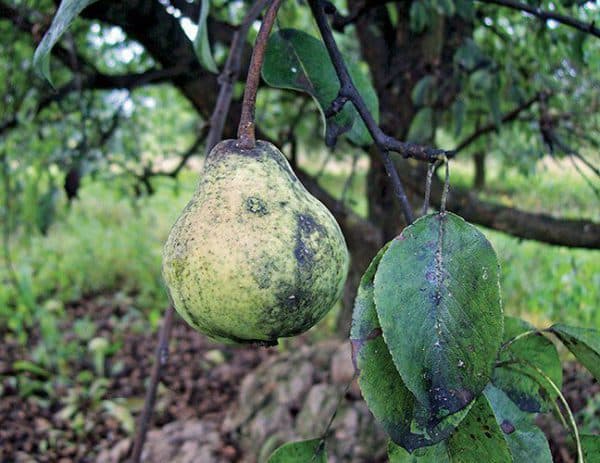
- Scab
- Sooty mold
- Pear blossom weevil
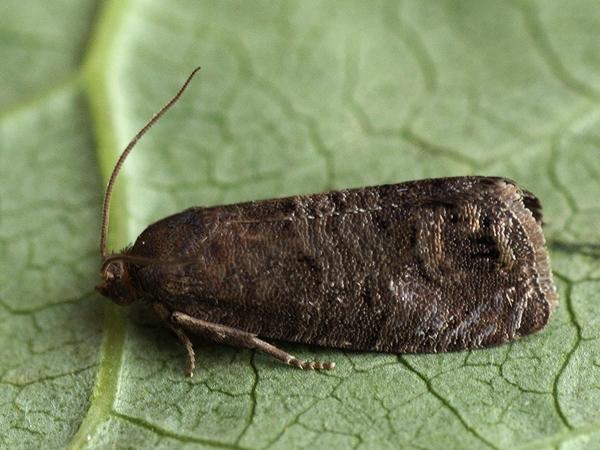
- Pear moth
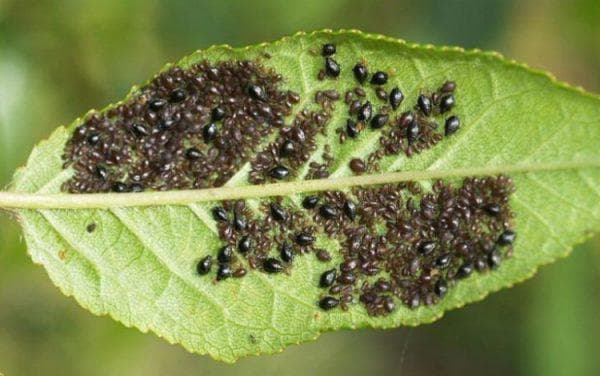
- Aphid
- Preparing for the winter period
- Methods of reproduction
- Gardeners' reviews
The Moskvichka pear variety is most commonly grown in central Russia. It is prized by gardeners for its ease of maintenance and high yield. The fruits have a pleasant flavor, high marketability, and are suitable for long-term storage. With proper planting and care, the pear will produce a bountiful harvest year after year.
Selection of the Moskvichka pear variety and cultivation regions
The variety was obtained in 1979 at the K. A. Timiryazev Moscow Agricultural Academy, during experiments on open pollination, from the Kieffer pear variety from America.
The Moskvichka pear was included in the State Register in 2001 and zoned for the Volga, Volga-Vyatka, and Central regions. The variety is widely grown by gardeners and summer residents in the Moscow region.
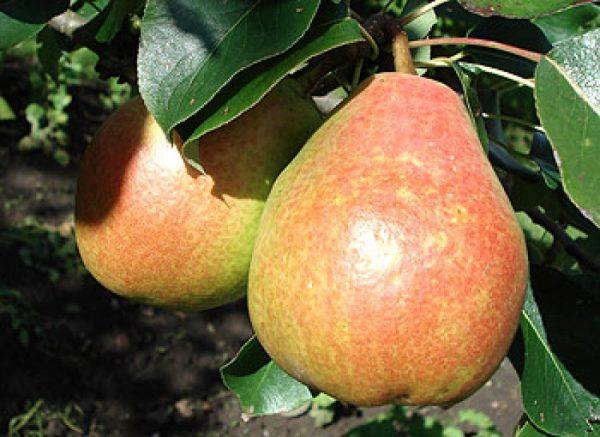
Main advantages and disadvantages
Advantages of the Moskvichka pear variety:
- a large number of fruits ripening in early autumn;
- unpretentiousness;
- disease resistance;
- early fruit bearing;
- low fruit shedding;
- good taste and appearance of fruits;
- possibility of long-term storage and transportation.
Disadvantages of the Moskvichka variety:
- the possibility of roots and trunks becoming damp when grown in wet soils;
- average cold and drought resistance;
- self-infertility;
- photophilousness.
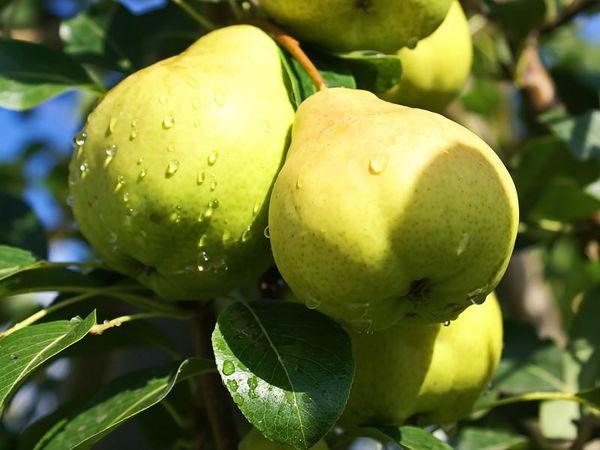
Description and characteristics of the variety
The Moskvichka pear stands out among other varieties due to its unique characteristics.
Tree size and annual growth
The tree is medium-sized, standard, reaching a height of about 4 m. The annual growth of shoots is moderate.
Branching of the root system
Horizontal roots branch extensively and extend only slightly beyond the crown's projection. Vertical roots branch weakly and penetrate only shallowly into the soil.
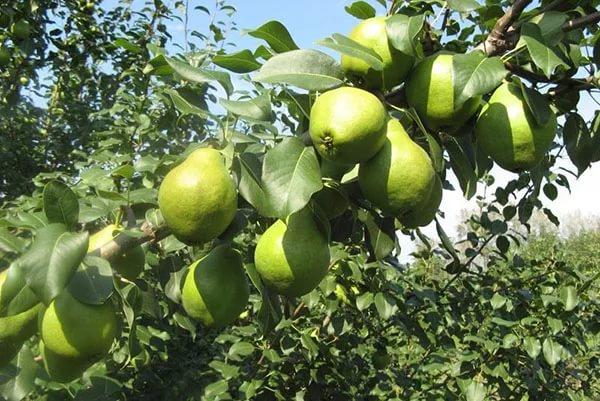
Fruiting
The Moskvichka pear is an early-fruiting variety. The first harvest appears 3-4 years after planting.
Cyclicity
The tree bears fruit annually. The fruit production is consistently high.
Flowering and pollinators
The Moskvichka pear variety blooms late.
The variety is self-sterile. The best pollinators for the Moskvichka pear are: pear variety Lyubimitsa Yakovleva, Naryadnaya Efimova, Mramornaya, Lada, and Bergamot Moskovsky. They should be planted 4-7 meters from Moskvichka.
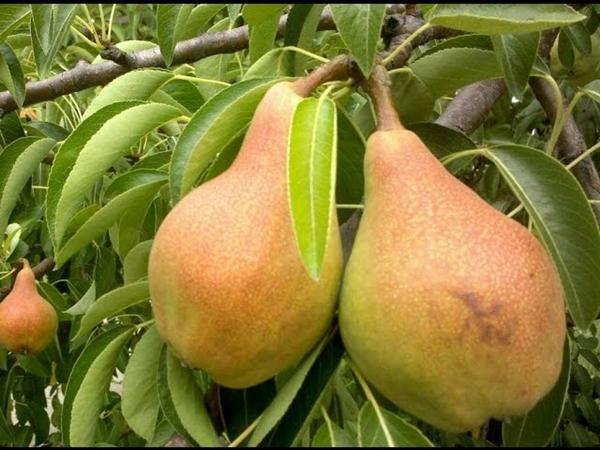
Fruit ripening time
The harvest ripens in early autumn. Fruit drop rate is low.
Productivity and taste
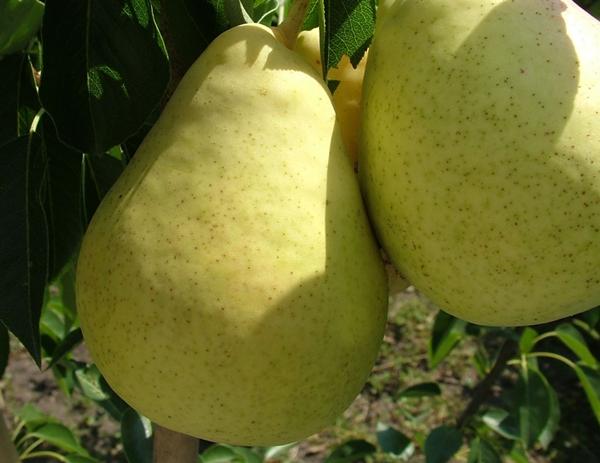
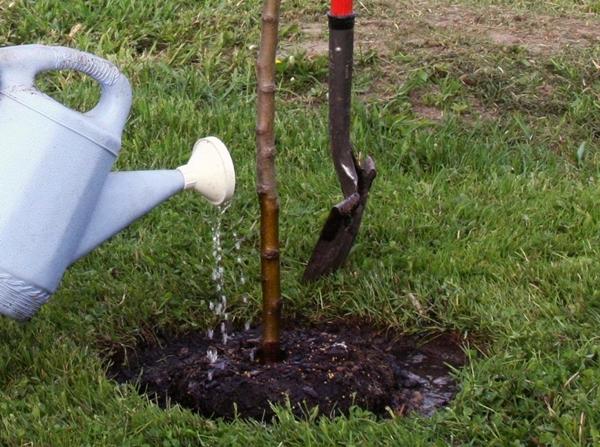
The yield is high. The average fruit weight is 130 g. A tree can yield up to 40 kg of fruit.
The Moskvichka variety is a dessert variety. The fruit tastes sweet with a slight tartness.
Scope of application of fruits
The fruits are eaten fresh, used for fillings in pies, and are also suitable for winter preparations.
Drought and cold resistance
The Moskvichka pear has average drought and cold tolerance. It can withstand temperatures as low as -20°C.
Immunity to diseases and pests
The Moskvichka pear is resistant to scab and fruit rot. It is also quite resistant to other common infections and insect pests.
Planting technology
The Moskvichka pear will consistently produce a good harvest only if planting technology is followed.
Deadlines
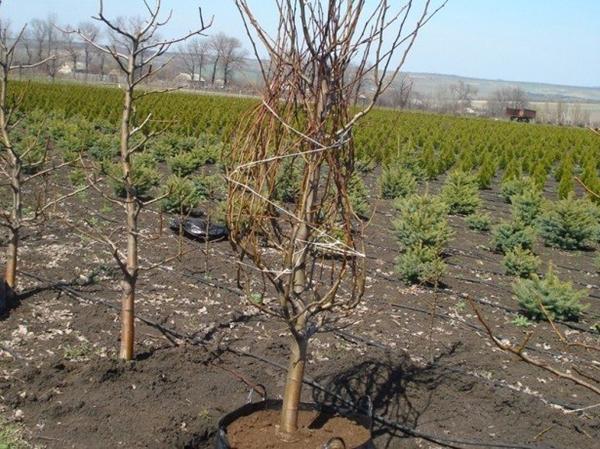
Saplings are purchased in the fall and planted in October or April-May. Trees planted in the fall usually don't have time to establish themselves properly and may die during the winter. Therefore, it's best to bury purchased seedlings in the garden or store them in a cool place until spring. In spring, planting occurs before the sap begins to flow. This allows the soil to warm up and the buds to swell.
Moskvichka seedlings with closed roots can be planted from April to October.
Selecting a site and preparing a pit
It's best to plant the pear tree in a small, well-lit, elevated spot protected from cold winds. Avoid planting the tree in swampy or excessively wet areas with groundwater levels close to the surface, as this will cause the tree to die from root rot.
The Moskvichka pear thrives in chernozem soils with a pH of 4.2-6. If the soil is sandy or sandy loam, dig a large hole 1-1.5 cubic meters in volume for the seedling and fill it with fertile soil.
Distances between trees
To ensure good ventilation and illumination of the crowns, trees should be planted at intervals of 4-5 m.
Tree planting patterns and rules
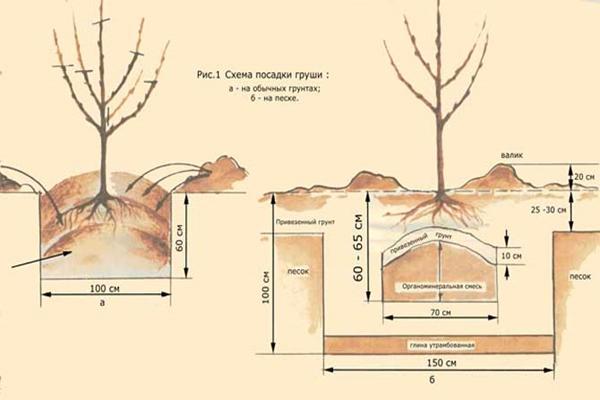
If the plant is planned for fall planting, prepare the hole 2-3 weeks in advance. For spring planting, dig the hole in the fall. It should be 70-80 cm deep and 0.8-1 m in diameter. If the soil is heavy, add a 10-15 cm drainage layer at the bottom of the hole. If the soil is sandy, line the bottom with clay to retain moisture.
Place equal amounts of black soil, peat, humus, and sand into the hole, along with 300-400 g of superphosphate and 3-4 liters of wood ash. Cover the hole with plastic wrap or roofing felt to prevent loss of nutrients.
In spring, remove damaged and dried roots from the seedling. Place it in a solution of cow manure or root growth stimulant for 24 hours.
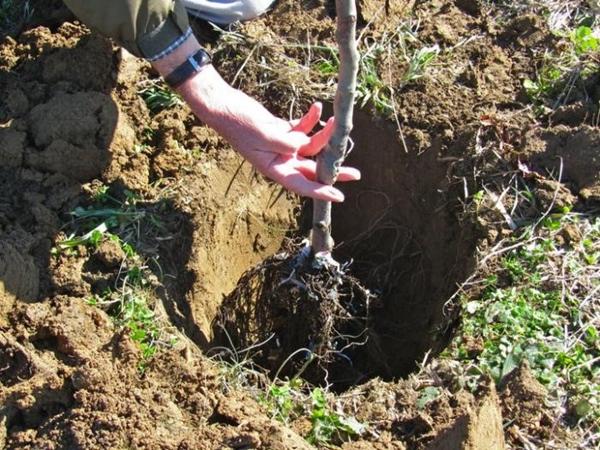
A hole is dug in the center of the planting hole. A 1-meter-high support is placed 10-12 cm from the center. A mound is formed in the hole and the seedling is placed on it. The root collar should be positioned at the top of the mound, with the roots spread out along the sides. The hole is filled in, compacting the soil.
A circle of soil is made around the hole, mounded into a ridge. The tree trunk is tied to a support. The soil is watered generously. After the soil settles, the root collar should be level with the ground surface.
After the water has been absorbed, the soil is loosened and mulched with hay, humus, straw, or rotted sawdust. The central core is trimmed back to 0.6-0.8 m, and the branches are cut back by half.
The intricacies of caring for the Moskvichka pear
To achieve a good yield, it is necessary to properly care for the planted plant.
Watering and fertilizing
Watering begins in the spring before the flowers appear and continues throughout the season until September, at 20-30 day intervals. The soil should be moistened to a depth of 30-35 cm per watering.
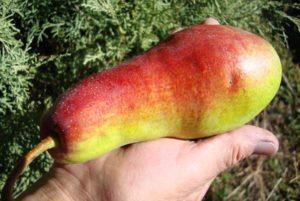
After the first watering, loosen the soil to a depth of 15-20 cm and apply mulch. Subsequent waterings are done through the mulch without loosening the soil.
Three to four years after planting the Moskvichka, fertilize the soil. In the spring, the pear is fertilized with organic matter, humus, and peat at a rate of 5-7 kg/m3.2 and nitrogen-containing fertilizers, ammonium nitrate, nitroammophoska, in the amount of 20-30 g/m2, they are buried in the soil. In late spring - early summer, potassium fertilizers, such as potassium sulfate or monopotassium phosphate, are applied at a rate of 10-20 g per square meter.
During the fruit ripening period, the plant requires liquid organic fertilizer, applied 3-4 times every 2-3 weeks. To prepare this fertilizer, take 2 liters of cow manure, 1 liter of bird droppings, or 5-7 kg of mown grass and infuse in 10 liters of water in a warm place for 5-7 days. Apply 1 liter of this infusion per 1 m2.2 soil, diluted with water in a ratio of 1:10.
In autumn, the soil is fertilized with phosphorus-containing fertilizers, Superphosphate, Superagro, in the amount of 20-30 g/m2, burying them in the ground.
Trimming
Pruning improves the appearance of the crown and increases the yield of the Moskvichka pear.
Forming
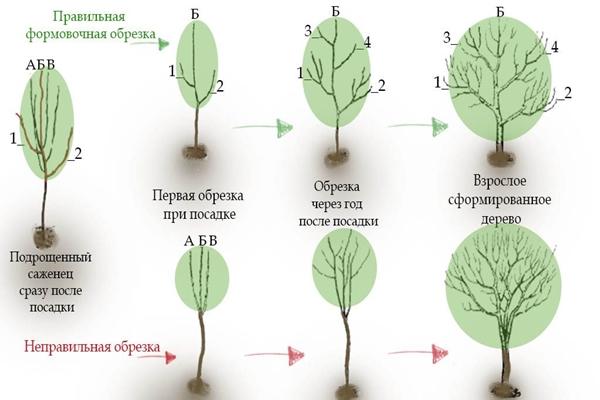
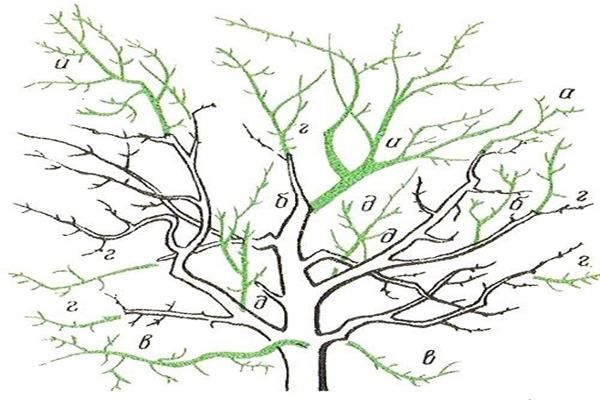
Formative pruning is performed to ensure the best possible illumination and ventilation of the crown.
Pruning is carried out 1-2 years after planting the seedling. In early spring, before the sap begins to flow, prune 3-4 strong branches, spaced 15-20 cm apart, by 1/3 of their length. These will be the skeletal branches.
The other branches are cut off. The central conductor should be cut just above the start of the top scaffold branch.
After 1-2 years, select two branches from the overgrown skeletal branches, spaced 50-60 cm apart, and trim them back by 1/2. The remaining branches growing on the skeletal branches are cut back.
In subsequent years, the branches are pruned, maintaining them at the same level.
Regulatory
Every spring, it's necessary to remove branches growing deep into the crown to thin it out. This will improve ventilation and light.
Supportive
This type of pruning helps maintain Moskvichka's fruiting performance. During the summer, vigorously growing young shoots are trimmed back by 5-10 cm. This encourages additional branches to develop, where flower buds will develop.
Sanitary
Sanitary pruning involves removing dead, diseased, and damaged branches. It's typically performed in late autumn and repeated in the spring if necessary.
Whitewash
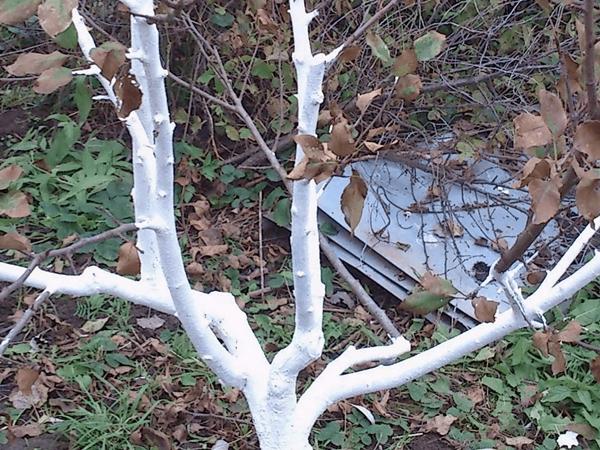
Before winter, the trunk and large branches are coated with a mixture of slaked lime and copper sulfate or special paints. Whitewashing protects the bark from sunburn and insect pests.
Diseases and pests: preventive treatments
Regular preventative plant treatments will help prevent problems caused by diseases and pests. They are easier and cheaper than treating a diseased tree.
Scab
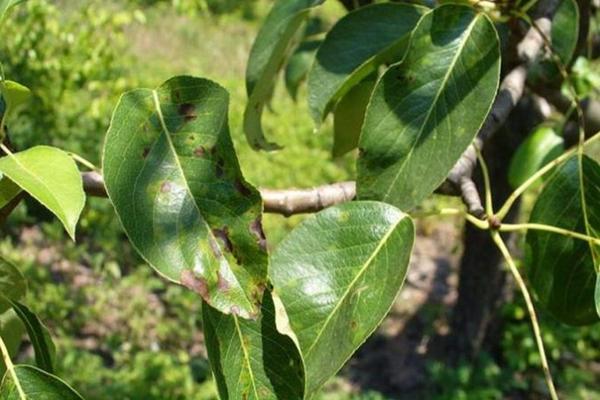
Signs of the disease include olive-colored spots on leaves, rot, cracking, and hardening of the fruit. Affected plant parts should be burned.
Sooty mold
A black, sooty coating appears on the leaves and fruit. The disease is caused by aphids infesting the tree, which create conditions favorable for fungal growth.
Preventative treatments against fungi are carried out after flowering. The tree is sprayed with fungicide solutions every 2-3 weeks.
Pear blossom weevil
The pear weevil eats flower buds and blossoms. They turn yellow and shrivel. If the temperature drops below 5°C, the flower weevils become dormant. They can then be shaken off the branches onto a cloth spread under the tree.
Pear moth
The caterpillars of the moth penetrate the fruit and feed on the pulp. To prevent infection, Moskvichka pears are treated with Agravertin before and after flowering and Kinmix 18-20 days after flowering.
Aphid
Aphids attack the leaves and tips of young shoots. To protect against aphids, destroy the weeds that harbor them and treat the pear tree with insecticides:
- Kinmiksom – early spring;
- Agravertin - before flowering;
- Spark - when the ovary appears.
To protect against all insect pests, whitewash and spray the tree with a 3% copper sulfate solution. In early spring, wrap the tree trunk with a ring of roofing felt or film. This prevents insects from crawling onto the plant.
Preparing for the winter period
In autumn, cracks and damaged bark are cleaned, coated with a 1% solution of copper sulfate and garden varnish is applied.
Fallen leaves are collected and burned, and the soil under the trees is dug up. The soil and crowns are treated with a 3% copper sulfate solution. These measures will help get rid of pests.
In November, carry out moisture-recharging irrigation. The water consumption rate is 80-90 l/m.2.
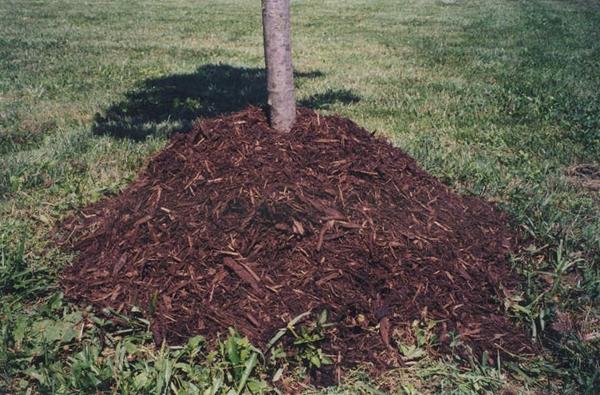
To protect against frost, mulch the tree with peat or sawdust, laying it in a 25-30 cm layer. The trunk and main branches are tied with spruce branches, reeds, burlap, agrofibre, geotextile, spunbond, or roofing felt. This measure will help protect the tree from both the cold and rodents.
Methods of reproduction
The Moskvichka pear propagates well using own-rooted seedlings grown from cuttings. Cuttings are taken in July or in the fall from healthy, young, but already fruiting trees.
Pear trees can be propagated by air layering. To do this, select straight, healthy, actively growing branches from 3-4-year-old trees. The layers are prepared in the spring, and by autumn they will have rooted, but it takes two years to grow a full-grown seedling.
Gardeners' reviews
Galina, 64 years old, Vladimir:
"Of the late-ripening pear varieties, I especially like Moskvichka. I pick the fruit in the last weeks of September. They keep for one month at room temperature and up to three months in the cellar."
Victor, 68 years old, Tver:
"I've been growing the Moskvichka pear tree for over 20 years, harvesting it every year. The fruit is delicious, aromatic, and beautiful. To ensure longer shelf life, it's best to pick the pears when they're not quite ripe. Fruit set is good, and the yield is high, although the pears tend to get smaller when the harvest is heavy."
Related posts:
 Description and full characteristics of the Yakovlev Memory pear variety, planting and care
 Description of the 23 best pear varieties for the middle zone, planting and care rules
 Description and full characteristics of the August Dew pear variety, planting and care
 Description and characteristics of the Marble pear variety, pollinators and cultivation subtleties
 Description of the Rogneda pear variety, planting and care instructions
 Description and subtleties of growing the Russian Beauty pear variety
 Description and characteristics of the 45 best pear varieties, how to choose
 Description of the Cathedral pear variety, planting and care features