
- Selection of the Talgar Beauty pear variety and cultivation regions
- Main advantages and disadvantages
- Description and characteristics of pear
- Tree size and annual growth
- Branching of the root system
- Life expectancy
- Fruiting
- Cyclicity
- Flowering and pollinators
- Fruit ripening time
- Productivity and taste
- Application of pears
- Drought and cold resistance
- Immunity to diseases and pests
- Planting technology
- Deadlines
- Site selection and soil preparation
- Tree planting patterns and rules
- What kind of care does the Talgar Beauty variety require?
- Watering and fertilizing
- Trimming
- Crown formation
- Regulatory
- Supportive
- Sanitary
- Whitewash
- Preventive treatments
- From diseases
- From insect pests
- Preparing for the winter period
- Methods of reproduction
- Cuttings
- Air layering
- How to improve your harvest: tips and recommendations
- Gardeners' reviews
The Talgarskaya Krasavitsa pear is considered a very popular cultivar. It boasts many advantages, including high productivity, frost and drought resistance, and a pleasant taste. To achieve success in growing this pear, it requires high-quality and comprehensive care. Establishing a regular watering and fertilizing regimen is essential.
Selection of the Talgar Beauty pear variety and cultivation regions
This variety is also known as Almaatinka. It was developed by Kazakh scientist A.N. Katseiko from seeds of the Belgian cultivar "Lesnaya Krasavitsa." Talgarskaya Krasavitsa was bred using open pollination. It is widely distributed in the Krasnodar and Stavropol regions. It is also widely grown in Ukraine.
Main advantages and disadvantages
The Talgar beauty is a popular culture with many advantages. These include the following:
- rapid onset of fruiting after planting;
- late flowering period – thanks to this, the pear tree does not suffer from recurrent frosts;
- high regenerative abilities;
- frost resistance;
- stable fruiting;
- excellent taste;
- long-term storage of crops;
- disease resistance.
One of the downsides is the variety's self-sterility. This means that to obtain a harvest, other pear varieties must be planted in the same plot.
Description and characteristics of pear
Before planting a crop, it's worth familiarizing yourself with its key characteristics. This will help ensure the plant receives high-quality care.
Tree size and annual growth
This variety is characterized by a medium height, not exceeding 3 meters. Annual growth is 50 centimeters. It has a broadly pyramidal crown with medium density. The tree's branches hang down. The trunk and skeletal shoots are covered with gray, peeling bark.
The shoots are medium-thick and brown in color. The buds are large and conical. Dark green, ovoid leaves can be seen on the branches. They are characterized by pointed tips and serrated edges.
Branching of the root system
Culture has extensive roots.
When purchasing seedlings, it is important to consider that they should have thick elements and fibrous roots.
Life expectancy
The tree lives for over 30 years. With adequate and comprehensive care, it can produce abundant fruit throughout its life.
Fruiting
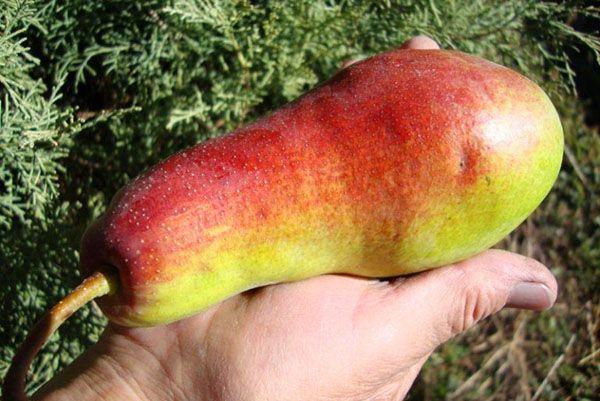
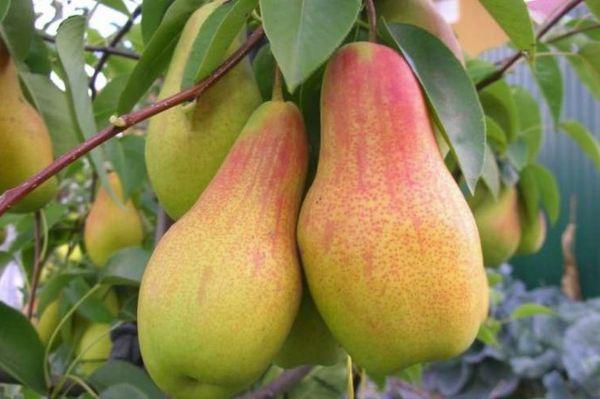
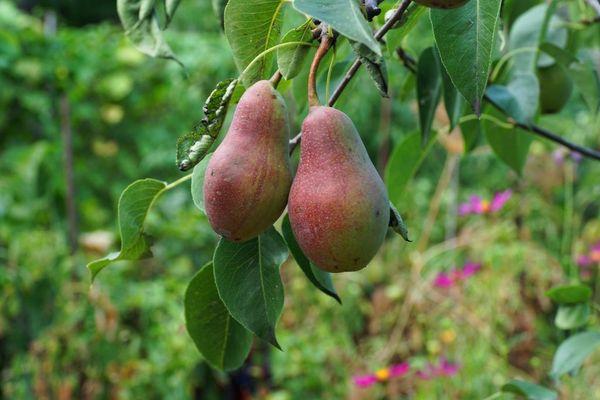
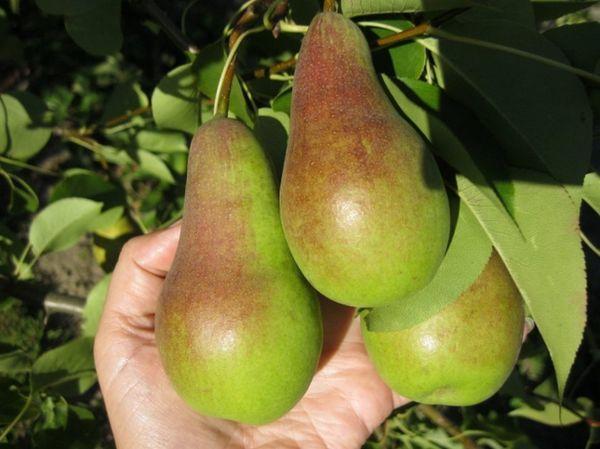
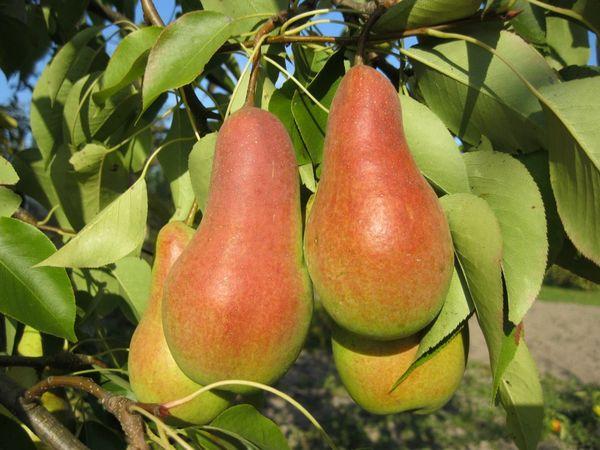
The fruits weigh 140-170 grams and are bottle-shaped. The outer surface is covered with light yellow skin with a reddish rind. The fruit has a bumpy texture to the touch. Inside is juicy, dense, cream-colored flesh.
The first fruits appear 2-3 years after planting. By the 4th or 5th year, the tree begins to bear fruit fully. As the crown develops, the yield steadily increases.
Cyclicity
With pollinators, this pear variety produces fruit every autumn. The first fruits appear on ringed branches, and their number increases with each season. This cyclical pattern only begins around the tree's 20th year. However, with proper care and disease prevention, even mature plants can produce fruit annually.
Flowering and pollinators
Pear blossoms begin quite late, in the second half of May. Large white flowers are characteristic of this variety. The variety is not self-fertile, so it requires pollinators. The best varieties for this purpose are 'Goverla' and 'Conference'.
Fruit ripening time
The first fruits are harvested at the end of September. However, these dates may vary depending on the region's climate.
Productivity and taste
This variety is characterized by high yields. On average, one tree produces 80-95 kilograms of fruit. With proper care, this figure increases to 150 kilograms.
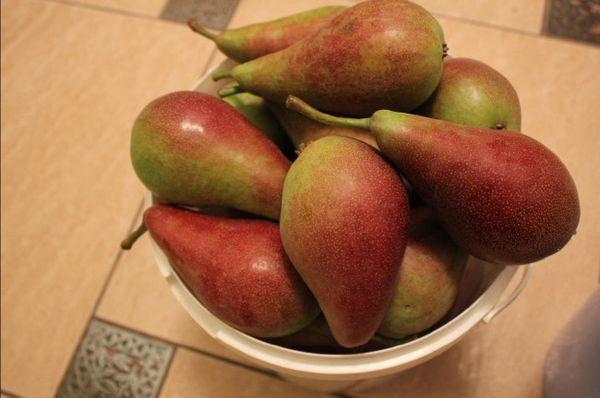
The fruits are distinguished by their sweet taste and juicy texture. They have a subtle pear aroma and are quite crunchy.
Application of pears
Pears of this variety are versatile. They can be eaten fresh or processed. The fruits are often used in desserts and salads.
Drought and cold resistance
The plant is highly winter-hardy. It can withstand temperatures as low as -34 degrees Celsius. It also tolerates drought very well.
Immunity to diseases and pests
The crop is highly resistant to fungal infections. However, experienced gardeners recommend preventative treatments.
Planting technology
To ensure the plant develops quickly and produces a good harvest, it is recommended to follow important rules when planting.
Deadlines
In the central part of the world, planting can be done in April or September. This will allow the plant to establish roots before the cold weather sets in. In the south, planting can be done as late as October.
Site selection and soil preparation
This pear variety prefers loamy and sandy soil, but it should have neutral or low acidity. It does not thrive in peatlands. It should also not be planted in areas with high groundwater levels. When choosing a site for the pear, choose a sunny location.
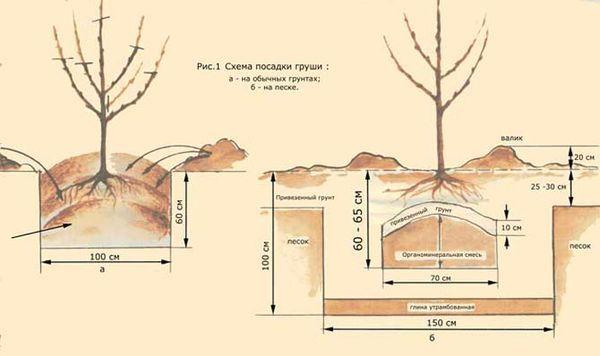
Before planting a tree, prepare a hole. It should be 1 meter wide and 50 centimeters deep. Remove the soil in layers and add fertilizer. Mix the top fertile soil with sand, compost, potassium salt, and superphosphate.
It's recommended to prepare the hole three weeks before planting. It should be thoroughly loosened and notched along the sides. This improves airflow into the hole. Creating a drainage layer is also crucial. Crushed brick or pebbles can be used for this.
Tree planting patterns and rules
Before the procedure, soak the tree in water and then immerse it in a clay slurry for a few minutes. Dry shoots should also be trimmed.
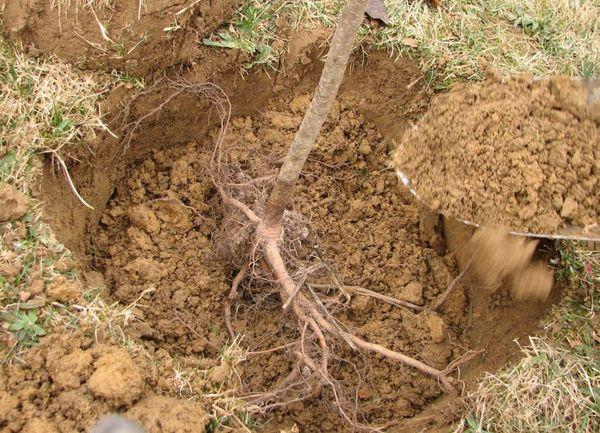
To carry out planting, you should do the following:
- Drive a wooden stake into the hole, placing it 10-15 centimeters from the center.
- Pour a fertile layer of soil onto the bottom.
- Place the tree in the hole, ensuring the root collar is 30 millimeters above the ground surface.
- Fill the hole with soil. It's important to ensure there are no air pockets.

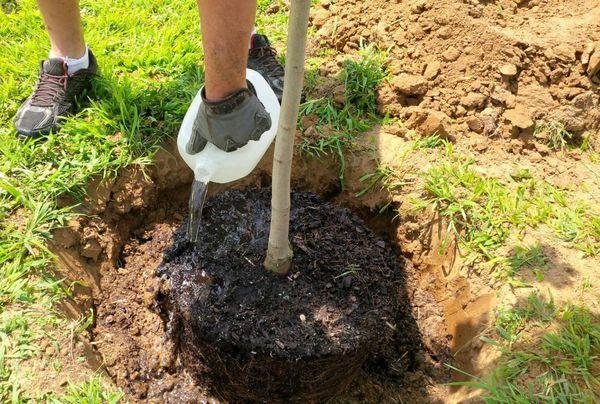
After planting, compact the soil thoroughly. It's recommended to dig a trench around the seedling and pour 3 buckets of water into it. Sprinkle peat or compost on top and tie the plant to a stake.
What kind of care does the Talgar Beauty variety require?
In order for the Talgarka pear to bear fruit well and abundantly, it needs to be well looked after.
Watering and fertilizing
It is recommended to moisten the soil in spring and summer. Precise timing is impossible to establish, as it depends directly on the climate. Use three buckets of water per square meter of the tree's trunk circle.
In hot weather, it is recommended to increase the intensity of watering. Soil moisture is especially important in August, as this is when flower buds for the future harvest are formed.
The best way to water the plant is by sprinkling. A sprinkler with holes simulates rain. This procedure should last at least two hours.
It is recommended to stop watering completely at the end of August. Waterlogging the roots during cold weather negatively impacts the plant's frost resistance.
 Timely application of fertilizers is of no small importance. The amount and frequency of application depend on the tree's development and soil composition. One year after planting, the tree's condition should be assessed. If growth is less than 50 centimeters, it's time to apply fertilizer.
If the soil is not very fertile, it is recommended to fertilize it every fall. Any nitrogen-free mineral fertilizer can be used for this purpose. For each square meter, use 50 grams of superphosphate and 25 grams of potassium chloride. Two cups of wood ash are also acceptable.
In spring, the plant needs organic matter. Humus or rotted manure are excellent options. These fertilizers are applied in April every two years. A recommended rate is 2-3 kilograms of fertilizer per square meter.
Trimming
To ensure the pear tree develops normally, it's important to regularly prune it. This should begin when the tree is two years old.
Crown formation
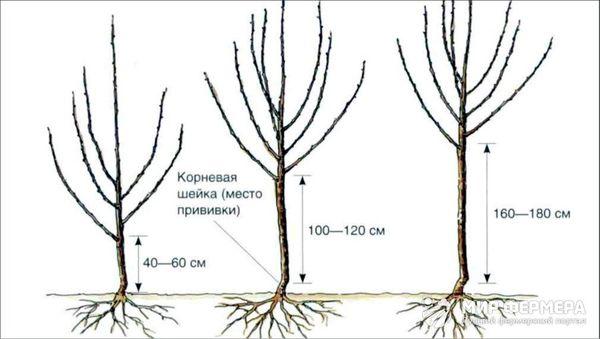
It is recommended to shape the tree's crown in the first years of its life. Six first-order shoots and eight second-order shoots are grown from the central trunk. In the south, a rounded crown is typically used, while in other regions, a sparse, tiered crown is used.
Regulatory
This type of pruning is performed to prevent overloading of branches. It also helps manage overcrowding and improve light conditions. First and foremost, it is recommended to remove dry and damaged shoots. For young trees, crown thinning is recommended, while for mature trees, shoot pruning is recommended.
Supportive
To prevent the tree from bending under the weight of fruit, it is recommended to regularly prune large branches. This procedure helps maintain the plant's healthy condition for a long time.
Sanitary
Every year, pear trees should have dead branches removed. Sanitary pruning also aims to remove shoots affected by pests and diseases. This procedure stimulates the tree's growth and increases its yield. It can even improve the condition of older pear trees.
Whitewash
It is recommended to whitewash the tree trunk twice a year. In early spring, apply a lime solution with copper or iron sulfate added. For this, use 2 tablespoons of copper sulfate per 5 liters of mixture.
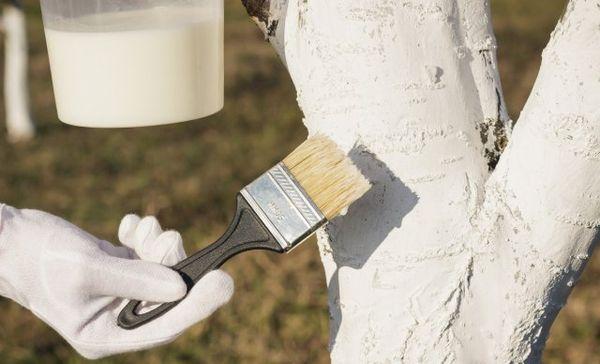
In the fall, use the same mixture, but it doesn't contain copper sulfate. It's recommended to cover the trunk with the mixture to a height of 1-1.2 meters. It's also important to cover the bases of skeletal branches. Whitewashing helps protect the tree from burns and insect attacks.
Preventive treatments
This pear variety is virtually immune to scab. It has good immunity to bacterial infections. However, lack of proper care can lead to the development of fungal and viral diseases.
From diseases
In most cases, the plant suffers from Cytosporosis. As the disease progresses, the bark dries out and rust appears. To prevent the disease, take the following steps:
- collect and burn fallen leaves and fruits;
- When digging the soil, use antifungal agents;
- treat the cuts with garden pitch;
- Treat the tree with Bordeaux mixture twice a season;
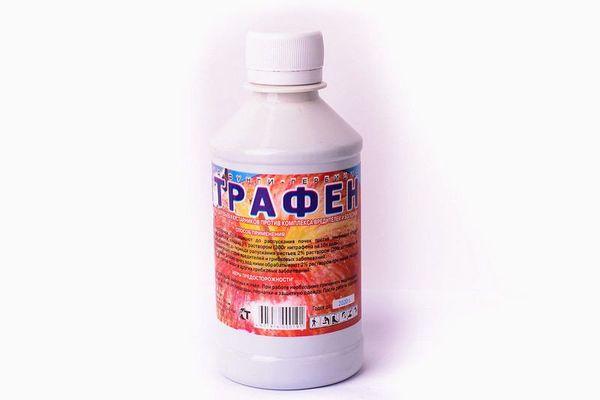
- In early spring, spray the crop with Nitrafen.
If symptoms of cytosporosis appear, the infected areas should be trimmed off. All dried shoots should also be removed.
From insect pests
The plant often suffers from attacks by the pear moth, which causes the fruit to spoil quickly. In summer, trapping belts help control the pests. Before winter, it is recommended to thoroughly till the soil and treat the plant with Agravertin.
Another threat to pear trees is the pear leafroller, which lays eggs in the plant's foliage. To combat this problem, use solutions of Aktara or Calypso.
Preparing for the winter period
The plant is frost-resistant. However, it is recommended to protect young trees. This can be achieved by mulching the soil and tying the trunk. Plastic film, roofing felt, or reeds can be used.
Methods of reproduction
Pear can be propagated in different ways - by air layering, by seed, by buds.
Cuttings
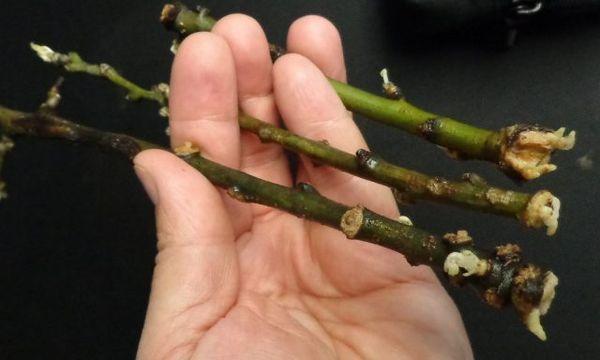
Green shoots are suitable for propagation. They should be soaked in a growth stimulant. When roots appear, the shoots are transplanted into the ground. In the temperate zone, cuttings should be taken in the summer.
Air layering
With this propagation method, bend down the lower branch and cover it with soil. Since the plant's shoots are located high up, it's recommended to attach a bag of soil to the shoot. It's recommended to nurture the air layering for two years.
How to improve your harvest: tips and recommendations
To improve crop yields, the crop needs to be provided with high-quality care:
- carry out planting operations correctly;
- establish a watering regime;
- prune the plant in a timely manner;
- systematically loosen and mulch the soil;
- apply fertilizers;
- engage in disease and parasite prevention.
Gardeners' reviews
Numerous reviews of the plant confirm its merits:
- Valentina: "I've had the Talgar Beauty growing in my garden for several years now. It produces delicious fruit and a bountiful harvest. I've never noticed any signs of disease or pests."
- Elena: "This variety is highly productive. I have to pluck the pears periodically to prevent the branches from breaking under their weight. In my garden, they ripen at the end of September and store well over the winter."
The Talgarskaya Krasavitsa pear is distinguished by its high yield and excellent fruit flavor. To achieve successful cultivation, comprehensive care is essential.
Related posts:
 Peach tree care and agricultural secrets, pest control
 Methods for planting and propagating cherries at home
 Rules for planting and caring for pears in open ground, how to grow them correctly
 The best grape varieties for growing in the Urals, planting and care rules in summer
 How to plant walnuts, care for them, and grow them at home
 Descriptions of the 20 best cherry varieties for the Moscow region, their planting and care
 Description and cultivation of the 15 best cherry plum varieties for the Moscow region, planting and care rules
 Conditions for growing mandarin at home and rules for caring for the tree